


How to Get Pet Odor Out of a House When Cleaning Isn’t Enough
In this article:
Why Does Pet Odor Keep Coming Back?
Does It Matter If It’s a Dog or a Cat?
Why Common Fixes Don’t Work, and Sometimes Make Things Worse
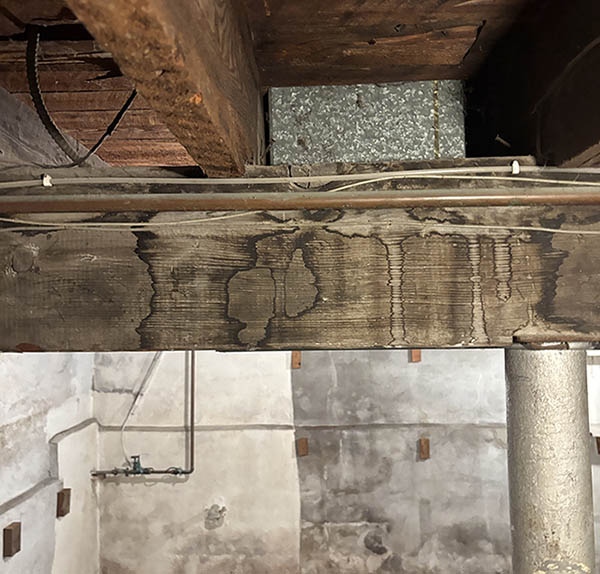
A Real Job: Odor Traced Down to the Floor Joists
When Should I Call a Pro and When DIY Might Still Work
You’ve mopped. You’ve shampooed the carpet. You’ve gone through more air freshener than you’d like to admit. Somehow, the smell is still there.
You’re not imagining that, and you’re not a bad cleaner. Pet odor hides in places a mop and a bottle of spray can’t reach.
Here’s why the smell keeps coming back, why cats and dogs aren’t quite the same story, why common fixes fall short, and what actually gets rid of it for good.
Dealing with pet odors that won’t go away, no matter what you try?
Call PuroClean Restoration Services for a pet odor inspection at (908) 577-9120
Why Does Pet Odor Keep Coming Back?
When a pet has an accident, the liquid doesn’t sit on top of the carpet or floor. It soaks downward into the carpet padding, the wood or concrete underneath, even into grout lines and baseboards.
As it dries, it leaves behind a residue. Think of salt left on your skin after saltwater dries. When it’s dry, you barely notice the smell. Add moisture back into the picture, and it reactivates and starts releasing odor all over again.
Does It Matter If It’s a Dog or a Cat?
Somewhat, yes. When it comes to pet odors, cats and dogs leave different types of messes, and cat and dog urine are different.
- Cat urine tends to be more concentrated than dog urine, because it has higher levels of uric acid. Uric acid crystallizes and bonds to porous surfaces like wood, and especially padding. Water alone doesn’t break down these crystals or wash them away. That’s part of why cat odor tends to linger.
- Male cats, especially if they haven’t been neutered, are more likely to spray than females. Male cats also tend to mark several different places instead of sticking to one spot. Spayed and neutered cats of either sex still spray occasionally, so this habit isn’t limited to intact males.
- Homes with multiple pets, in general, tend to have more severe, longer-running contamination.
- Other pets, rabbits, birds, and similar animals can leave odor too. The same principle applies either way: the longer waste sits, the deeper it soaks.
Why Common Fixes Don’t Work, and Sometimes Make Things Worse
Most of the fixes people try aren’t wrong to attempt. They target the wrong layer of the problem.
- Air fresheners and candles cover the smell for a while. They don’t touch the source. Once the fragrance fades, the odor returns.
- Regular carpet shampoo cleans the fibers you see and touch. It typically doesn’t reach the padding or subfloor underneath, where the real problem sits. When urine soaks through, the contaminated area on the pad is usually much larger than the visible spot on the carpet above it.
- Steam cleaning surprises most people. Heat can wake up old urine crystals and make the smell worse if you haven’t found and treated the source first. That’s why a professional finds and treats the source before bringing in any heat or drying equipment. If you’re cleaning it yourself, stick to hot water, not steam.
- Ammonia-based cleaners are a trap. Urine breaks down into ammonia as it ages, so cleaning with an ammonia-based product makes the spot smell more like urine to a pet’s nose, especially a cat’s. That sends them right back to the same spot.
None of these are bad cleaning habits. They aren’t built to reach the depth where pet odor lives.
Enzymatic Cleaners: A Reasonable First Step, Not a Full Fix
Enzymatic cleaners work on the same basic idea as professional treatment: breaking down the residue instead of masking it. That makes them legitimate, not a gimmick.
These cleaners make sense for:
- A fresh accident, caught within hours
- A small, isolated spot
- Urine that hasn’t had time to soak past the surface
Where they fall short:
- Retail versions are diluted, so they only treat what they physically reach.
- Once urine has soaked into the pad or subfloor, spraying the surface does nothing for what’s underneath
- Enzymes need dwell time. The area has to stay wet long enough for the enzymes to break down the residue. Spraying and wiping right away skips the step that makes them work.
What Does it Take to Get Rid of Pet Odor?
Pet odor removal starts with finding and treating the source. DIY methods are often enough for small, fresh accidents that haven’t soaked in, but sometimes you need professional help.
It’s time to call a pro if you have persistent odor after cleaning, smells that return, visible staining that won’t go away, or repeated accidents in the same spot.
- Find and treat the source. Professional technicians use detection tools to find moisture and contamination below the surface. Next, they apply a urine digester at that depth to break down the residue.
- Treat the air, not only the surface. Equipment like air scrubbers and hydroxyl generators clean the air in the affected space while the treatment works, instead of spraying and hoping.
- Dry it properly. Air movers make sure materials dry the right way, so moisture doesn’t get trapped and reactivate the odor down the line.
This is treating, not cleaning. The goal isn’t a room that smells better right now. The goal is breaking down what causes the smell so it doesn’t come back.
A Real Job: Odor Traced Down to the Floor Joists
One Union County homeowner had lived with pet odor in the living room and hallway for close to two years, especially noticeable after it rained. She’d already tried store-bought enzyme cleaners with no luck, and was getting the home ready to sell.
Our technician found contamination reaching almost three feet past the visible staining: soaked through the carpet pad, the subfloor, and down to the floor joist. We treated the area with a urine digester and ran hydroxyl generators and air scrubbers to clear the air while the treatment worked. It took a few follow-up visits and reapplying the digester to resolve the contamination fully. Once the odor was gone, she listed and sold the home.
When Should I Call a Pro and When DIY Might Still Work
- DIY often works for a recent, isolated accident that’s still on the surface and hasn’t had time to soak in.
- Call a professional if the smell returns after cleaning (especially in humid weather or after rain), if there’s a long history of accidents in the same area, if multiple pets are involved, or if you’re preparing to list your home and want the odor gone before buyers walk through.
Who Should You Call for Pet Odor Removal in the Cranford, NJ Area?
PuroClean Restoration Services provides pet odor assessment and remediation for homeowners throughout Cranford, NJ and cities in Union and the surrounding counties. (See our service areas).
Whether you’re dealing with a stubborn smell in one room or preparing a home for sale, we assess the full extent of the problem and walk you through what it takes to resolve it.
Contact us today to get rid of pet odor in your home.
Call (908) 577-9120
Learn more about our biohazard services, including odor removal.
Frequently Asked Questions
Why does my house still smell like pet urine even after I’ve cleaned it?
The source of the odor usually isn’t on the surface anymore. Urine soaks into carpet padding, subfloors, and grout, leaving behind a residue that can be reactivated. That’s why the smell seems to disappear, then returns later.
Does steam cleaning get rid of pet odor?
Heat, like from a steam cleaner, can reactivate old urine crystals and intensify the odor if you apply it before finding and treating the source.
Do enzymatic cleaners actually work on pet odor?
Yes, enzymatic cleaners work in the right situation and are a reasonable first step for small and fresh pet accidents that are still on the surface. Retail versions are diluted and can only reach what they physically touch, so once urine has soaked into the pad or subfloor, they’re not enough on their own.
Is cat urine harder to remove than dog urine?
Often, yes, cat urine is harder to remove because it has higher levels of uric acid, which crystallizes and bonds to porous surfaces, like your carpet and pad.
How long does professional pet odor removal take?
It depends on the surface (concrete, wood floor, carpet, or pad), how much urine is involved, and whether the contamination built up over years, months, or a handful of accidents. A few isolated spots can often be resolved in a day. Longer-term, repeated contamination can take anywhere from a few days to a week of treatment, and in some cases the flooring itself has to come out.
Can you get pet odor out of hardwood floors?
A urine digester can help, but staining may remain. It also depends on whether a vapor barrier sits under the floor, since that traps moisture underneath, and how deep the urine penetrated. If contamination reaches the subfloor, the hardwood typically has to come up so we can treat the subfloor directly.
Do I have to pay again if you need to come back for the same odor?
At PuroClean Restoration Services, we put together an estimate based on a visual assessment and the degree of odor in the home and walk you through your options. We can’t guarantee a result upfront, but we typically start with the less expensive odor control option and move to next steps if needed.