


As a property manager, effectively prioritizing maintenance requests is essential for ensuring the upkeep of your properties and keeping tenants satisfied. Understanding the difference between urgent and non-urgent maintenance issues is crucial for efficient property management. In this comprehensive guide, we’ll explore lists of urgent and non-urgent maintenance requests, along with tips on distinguishing between the two and effectively managing tenant expectations.
Urgent Maintenance Requests:
List of Urgent Maintenance Requests:
- Water Leaks: Any signs of water leaks, whether from pipes, ceilings, or appliances, should be considered urgent to prevent potential water damage and mold growth.
- Gas Leaks: Immediate action is required for suspected gas leaks to mitigate safety hazards and ensure the well-being of tenants.
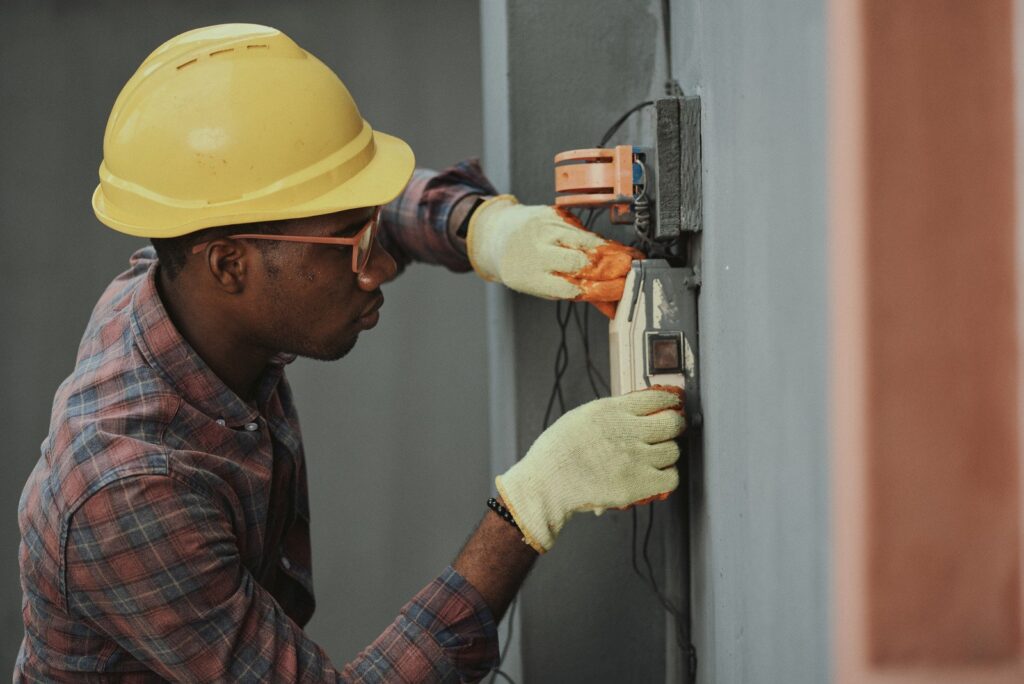
- Electrical Issues: Electrical problems such as sparking outlets, flickering lights, or power outages pose fire risks and should be addressed promptly.
- Heating or Cooling Failure: Lack of heating in winter or cooling in summer can impact tenant comfort and health, requiring urgent attention.
- Lockouts: Tenants locked out of their units need quick assistance to regain access and prevent security concerns.
Tips for Handling Urgent Requests:
- Establish Emergency Protocols: Have clear guidelines in place for handling emergencies and ensure all staff members are trained to respond swiftly to urgent maintenance issues.
- 24/7 Contact Information: Provide tenants with emergency contact information for after-hours maintenance emergencies to address urgent issues promptly.
- Communicate Proactively: Keep tenants informed about the status of urgent repairs, expected timelines, and any temporary measures in place to address immediate safety concerns.
Non-Urgent Maintenance Requests:
List of Non-Urgent Maintenance Requests:
- Cosmetic Repairs: Minor cosmetic issues like chipped paint, scuff marks, or loose cabinet handles can typically be addressed during regular maintenance cycles.
- Appliance Maintenance: Routine maintenance of appliances, such as dishwasher cleaning or filter replacements, can be scheduled during non-peak times.
- Landscaping: Non-urgent landscaping tasks like trimming bushes, mowing lawns, or planting flowers can be planned based on seasonal schedules.
- Non-Critical Plumbing Issues: Non-urgent plumbing issues like slow drains or dripping faucets can be addressed during standard maintenance visits.
Tips for Handling Non-Urgent Requests:
- Scheduled Maintenance Days: Designate specific days or times for addressing non-urgent maintenance requests to streamline workflow and minimize disruptions for tenants.
- Set Expectations: Clearly communicate to tenants the difference between urgent and non-urgent requests, along with anticipated timelines for addressing non-critical issues.
- Prioritize Preventative Maintenance: Use non-urgent maintenance requests as opportunities to conduct preventative maintenance tasks that help avoid future problems and extend the longevity of property systems.
By effectively distinguishing between urgent and non-urgent maintenance requests and implementing proactive management strategies, property managers can maintain the overall condition of their properties, prioritize tenant safety and satisfaction, and streamline maintenance operations for optimal efficiency. Clear communication, established protocols, and proactive maintenance planning are key components of successful property management in handling a variety of maintenance requests.


