24/7 Emergency Emergency Water Extraction Arlington Services in Fort Worth, TX
Emergency water extraction in Arlington removes standing water from homes and businesses after burst pipes, plumbing leaks, appliance failures, storm damage, overflowing fixtures, and other unexpected water losses. Rapid extraction can reduce the amount of water absorbed by flooring, drywall, cabinets, insulation, and structural materials. Because moisture often spreads beyond the visible puddle, professional service may also include moisture detection, structural drying, dehumidification, and monitoring.
PuroClean of Fort Worth provides emergency water extraction for property owners, businesses, and property managers in Arlington, Texas. The scope is based on the source of the water, the affected materials, the size of the loss, possible contamination, and the conditions found during the initial inspection.
Do not enter standing water when electrical outlets, appliances, wiring, or other energized equipment may be exposed. If conditions are safe, stop the water source, document the damage, and request professional assistance.
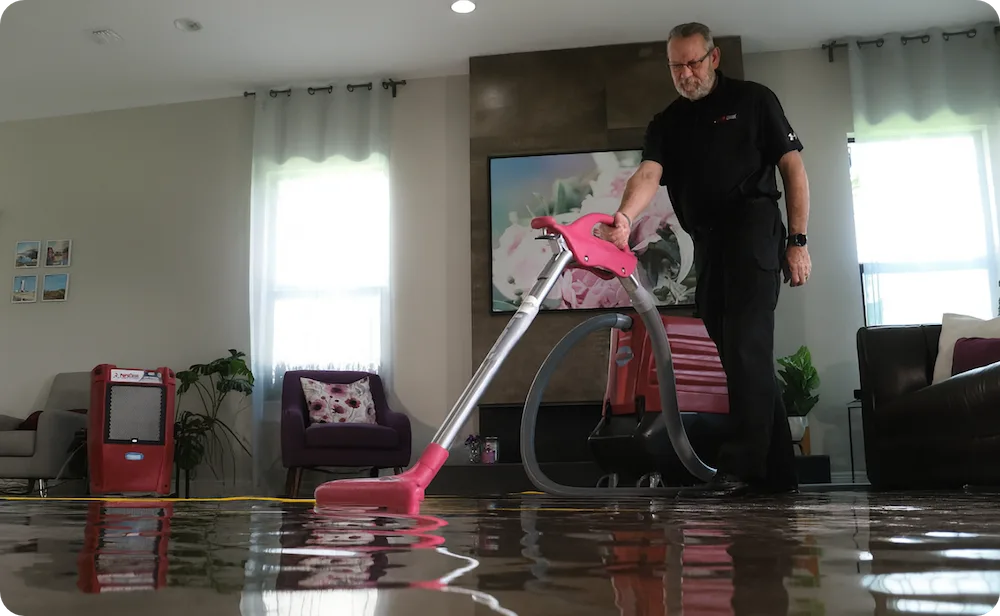
Emergency water extraction is the removal of standing or accumulated water from a building following an unexpected water event. Restoration professionals use equipment selected for the water depth, affected surfaces, accessibility, and size of the loss.
Extraction removes liquid water that would otherwise continue soaking into porous materials. It is typically followed by a drying process designed to address moisture retained within the structure and indoor air.
Emergency extraction may be needed after:
The response should address the cause and extent of the damage rather than only the visible surface. Water that appears confined to one room may have already moved under flooring, behind baseboards, into cabinets, or through openings around plumbing.
Call for professional water extraction when water has spread beyond a small, safely manageable surface or has reached absorbent building materials. Professional assistance is also appropriate whenever the source is unclear, the water may be contaminated, or electrical components may have been exposed.
Warning signs that extraction and drying may be necessary include:
For a broader restoration response, property owners can review PuroClean’s water damage restoration services in Arlington. If freezing conditions caused the plumbing failure, additional information is available about frozen pipe repair in Arlington.
The first priority is protecting occupants from electrical, structural, contamination, and slip hazards. Do not enter an affected room solely to retrieve belongings if you are uncertain whether the area is safe.
Do not use an ordinary household vacuum to remove water. Standard vacuums are not designed for liquid extraction and can create an electrical hazard. Avoid direct contact with water from toilets, drains, outdoor flooding, or other potentially contaminated sources.
The extraction and drying process is adapted to the property. A single-room plumbing leak may require a different combination of equipment and procedures from a multilevel loss affecting an apartment building or commercial facility.
The initial inspection looks at the apparent source, visible damage, affected materials, and potential hazards. Areas beside and below the original loss may also be evaluated because water can travel through flooring systems, wall cavities, and ceiling assemblies.
Moisture-detection tools may be used to check floors, walls, ceilings, cabinets, and other materials. These findings help define the size of the affected area and provide a baseline for later drying measurements.
Extraction equipment is selected according to the amount of water and the surfaces involved. Removing recoverable liquid water reduces the amount that must later evaporate from wet materials.
Multiple extraction passes may be required on carpet and other applicable surfaces. Water beneath finished flooring or inside confined areas may require additional access and evaluation.
Some materials can potentially be dried, while others may require removal because of contamination, deterioration, swelling, delamination, or loss of structural integrity. The ability to restore a material depends on its composition, installation, exposure time, and the source of the water.
Air movers and dehumidifiers may be installed after bulk water removal. Air movement supports evaporation from wet materials, while dehumidification removes moisture from the surrounding air.
Equipment quantity and placement depend on the affected area and the drying conditions needed. Placing fans randomly is not the same as creating a controlled drying plan.
Moisture levels and environmental conditions may be checked as drying continues. Equipment can be adjusted based on the readings and changes observed at the property.
After extraction and drying, affected areas may require cleaning, deodorization, or repairs. Materials removed during mitigation may need to be replaced after appropriate drying has been confirmed.
The initial extraction may take several hours or longer, depending on the amount of water, affected square footage, access, and number of rooms involved. Structural drying generally continues after standing water has been removed.
Factors that affect the timeline include:
A restoration project should not end simply because the surfaces look dry. Completion should be based on the conditions inside the affected materials and the drying goals established for the property.
The source of the water affects safety precautions, cleaning requirements, material decisions, and pricing. Water from a recently broken supply line is handled differently from sewage or outdoor floodwater.
| Water-Loss Condition | Examples | Restoration Considerations |
|---|---|---|
| Water from a sanitary source | Recent supply-line failure or certain clean-water appliance leaks | Extraction, material evaluation, drying, and monitoring |
| Water with significant contamination | Some appliance discharges and plumbing overflows | Additional cleaning, protective measures, and material evaluation |
| Grossly contaminated water | Sewage, drain backups, and certain forms of outdoor flooding | Restricted handling, sanitation, disposal, and removal of affected porous materials when necessary |
Water conditions can deteriorate over time or after contact with contaminated surfaces. Do not determine that water is safe based only on its color or odor. A drain or toilet loss may require professional sewage cleanup in Arlington.
Water can move through narrow openings and remain concealed after the visible surface has been cleared. Common locations for hidden moisture include:
Signs of concealed moisture can include discoloration, bubbling paint, swollen trim, loose flooring, condensation, elevated humidity, and musty odors. Moisture detection helps determine whether the affected area extends beyond what is immediately visible.
Emergency water extraction pricing in Arlington depends on the water source, affected square footage, depth of standing water, building materials, contamination, accessibility, and drying requirements. An on-site assessment is generally needed before an accurate scope and estimate can be prepared.
The following table explains common pricing components. It is intended as a planning guide and is not a guaranteed estimate.
| Cost Component | What May Affect the Charge | Potential Pricing Effect |
|---|---|---|
| Initial assessment | Property size, number of affected areas, and complexity of the inspection | A widespread loss may require more evaluation and documentation |
| Water extraction | Water volume, depth, square footage, surfaces, and labor time | Larger or deeper losses usually require more extraction resources |
| Contamination | Water source, protective measures, cleaning, and disposal requirements | Contaminated water can increase labor and material-handling costs |
| Material removal | Quantity and type of materials that cannot remain in place | Removal and disposal add to the mitigation scope |
| Drying equipment | Equipment type, quantity, operating time, and drying-zone size | More extensive losses may require additional equipment or operating days |
| Monitoring | Number of moisture checks and necessary equipment adjustments | Complex drying projects may require additional visits |
| Contents handling | Furniture, inventory, boxes, or equipment obstructing affected areas | Moving and documenting contents may add labor |
| Repairs | Flooring, drywall, trim, cabinets, paint, and other replacement materials | Reconstruction is generally separate from initial extraction and drying |
When comparing estimates, ask whether the proposed price includes moisture detection, extraction, equipment setup, equipment operation, monitoring, cleaning, material removal, disposal, and documentation. A low initial extraction figure may not represent the full restoration scope.
The most important pricing factors are the size and complexity of the loss. A smaller amount of water discovered immediately may require less work than moisture that has remained undetected and spread through several building assemblies.
Pricing may be influenced by:
Prompt service may help limit continued water migration, although no restoration company can guarantee that every wet material will be recoverable. The final scope should reflect the conditions found at the Arlington property.
“`html
Homeowners and commercial property insurance may cover emergency water extraction when the loss results from a sudden and accidental event covered by the policy. Examples may include a burst plumbing line, an unexpected water heater failure, or certain appliance leaks.
Coverage may be limited or excluded when water damage is associated with long-term seepage, repeated leakage, deferred maintenance, groundwater, surface flooding, or an excluded drain or sewage backup. Optional endorsements may affect how some losses are handled.
The insurance carrier—not the restoration company—determines whether a loss is covered. The carrier’s decision will depend on the policy, cause of loss, inspection findings, exclusions, endorsements, and specific circumstances.
Water can continue migrating through a building while an insurance claim is being reviewed. Ask the carrier how to proceed with necessary emergency work without compromising required documentation.
Restoration records may include photographs, moisture readings, descriptions of affected materials, equipment logs, and summaries of work performed. These records can document the mitigation process but do not guarantee that the carrier will approve or pay a claim.
A residential water loss can affect flooring, walls, furniture, belongings, electrical components, and rooms below the original source. Water from an upstairs bathroom, laundry room, or water heater may travel through the floor assembly before appearing on the ceiling below.
PuroClean provides extraction and drying services for water losses affecting:
Dishwashers, refrigerator supply lines, sinks, garbage disposals, and plumbing connections can release water beneath cabinets and flooring. Cabinet toe kicks and finished floor coverings may conceal the extent of the moisture.
Even when the visible water is confined to the kitchen, adjoining rooms should be considered. Water can move beneath continuous flooring and appear several feet away from the appliance or plumbing fixture that failed.
Toilets, tubs, showers, sinks, and supply lines can affect flooring, baseboards, walls, and ceilings below the bathroom. The response depends on the source of the overflow and whether the water encountered contaminants.
A toilet overflow involving sewage requires different protective, cleaning, and material-handling procedures from a sanitary supply-line leak. Avoid direct contact until the conditions have been evaluated.
A washing machine hose or drain failure can release water quickly. Water may spread beneath the appliance, into nearby walls, through flooring seams, and into rooms below. Do not move or unplug an energized washing machine while standing on a wet floor.
Roof openings, plumbing lines, water heaters, and air-conditioning equipment can introduce water into an attic. Wet insulation and ceiling materials may become heavy, and sagging drywall can present a falling-material hazard.
Stay away from a visibly sagging ceiling. Water extraction and drying may need to be coordinated with storm damage restoration in Arlington or emergency board-up services when exterior damage has left the building exposed.
Commercial water damage can interrupt normal operations and affect customers, employees, residents, tenants, inventory, equipment, and records. A timely response can help building owners and managers identify affected areas and develop a plan for safe access and continued operations.
Commercial extraction may be required in:
The restoration plan may need to account for business hours, customer access, tenant communication, security requirements, elevators, loading areas, sensitive equipment, and unaffected departments that remain operational.
Initial priorities commonly include:
PuroClean offers commercial water damage restoration in Arlington for businesses and managed properties. The response can be adapted to the property’s layout, occupancy, and operational requirements.
Whether a wet material can remain depends on its composition, contamination, exposure time, physical condition, installation, and accessibility. Some materials can potentially be dried in place, while others may need to be removed so concealed spaces can be accessed and cleaned.
| Affected Material | Important Evaluation Factors | Possible Response |
|---|---|---|
| Carpet | Water source, exposure time, backing condition, staining, and contamination | Extraction and drying or removal when effective restoration is not appropriate |
| Carpet padding | Saturation, contamination, installation, and access | Evaluation for drying or replacement |
| Hardwood flooring | Moisture penetration, finish, installation, cupping, and subfloor conditions | Specialized drying or removal depending on damage |
| Laminate flooring | Edge swelling, delamination, trapped water, and manufacturer guidance | Removal may be needed when boards have lost integrity |
| Drywall | Contamination, softness, swelling, finish condition, and insulation behind the wall | Drying in place or controlled removal of affected sections |
| Insulation | Material type, compression, contamination, and accessibility | Drying evaluation or removal when performance is compromised |
| Cabinets and vanities | Construction, swelling, finish damage, wall attachment, and concealed moisture | Drying, partial disassembly, or replacement of damaged components |
| Wood framing | Moisture content, contamination, exposure time, and access | Controlled drying with ongoing moisture monitoring |
Surface appearance is not enough to determine that a material is dry. Moisture may remain inside the material or in an underlying layer after the exposed surface has changed color or feels dry to the touch.
Furniture, rugs, boxes, electronics, inventory, and other contents can obstruct extraction or remain in contact with wet materials. Depending on the circumstances, belongings may be moved within the property, elevated, documented, or relocated for further evaluation.
Property owners should avoid discarding items before photographing them and receiving applicable insurance guidance. When it is safe, create an inventory that includes:
Items affected by contaminated water require special consideration. Porous belongings that cannot be cleaned effectively may not be appropriate for continued use.
Prompt extraction and drying can reduce the duration of wet conditions that support microbial growth. However, removing standing water does not eliminate moisture hidden inside the structure.
Conditions that may indicate additional investigation is needed include:
Do not cover wet or suspect materials with paint, new flooring, or replacement finishes. If mold is found, PuroClean provides attic mold removal in Arlington and other professional mold-remediation services based on the location and extent of the condition.
Professional water extraction addresses the affected building as a system rather than treating only the visible puddle. The service can combine water removal with moisture detection, material evaluation, structural drying, monitoring, and documentation.
Professional assistance is especially valuable when:
Extraction equipment is only one part of an effective response. Appropriate inspection, placement, monitoring, and adjustments are necessary to determine whether the affected materials are progressing toward the drying goals.
Water extraction is the removal of standing liquid water. Complete restoration may include several additional phases required to return the affected area to usable condition.
| Project Phase | Typical Purpose |
|---|---|
| Emergency control | Stops or isolates the source and addresses immediate hazards |
| Water extraction | Removes standing and recoverable liquid water |
| Selective removal | Removes materials that cannot be restored or that block access to wet areas |
| Structural drying | Addresses retained moisture through controlled air movement and dehumidification |
| Cleaning and deodorization | Treats applicable affected surfaces and residual odors |
| Repairs and reconstruction | Replaces removed finishes and restores the affected area |
An extraction estimate may not include permanent repairs. Ask which phases are included so you can understand the immediate mitigation scope and any work that may follow.
Standing water should be removed as soon as the affected area can be accessed safely. Delays may allow additional water to enter flooring, walls, insulation, cabinets, and adjoining rooms. Electrical, structural, and contamination hazards should be addressed before anyone enters the area.
No. Standard household vacuums are not designed to collect water and can create an electrical hazard. Even consumer wet vacuums may not be appropriate for extensive damage, contaminated water, or concealed moisture.
Not necessarily. Flooring, subflooring, drywall, framing, insulation, and cabinets may retain moisture after surface water is removed. Structural drying and moisture monitoring may still be required.
It depends on the water source, contamination, exposure time, carpet construction, backing condition, and moisture in the padding and subfloor. Carpet and padding should be evaluated separately.
The operating time depends on the materials affected, moisture levels, environmental conditions, and drying progress. Equipment should be removed or adjusted based on actual readings rather than an assumed universal timeline.
Notify your insurance carrier promptly and request guidance. At the same time, ask what reasonable emergency measures should be taken while the claim is being reviewed. Document conditions before major changes whenever it is safe to do so.
Yes. Mold-related conditions can develop when moisture remains in building materials or concealed spaces. Extraction should be followed by appropriate drying and monitoring to address retained moisture.
“`html
Emergency water extraction in Arlington removes standing water from homes and businesses after burst pipes, plumbing leaks, appliance failures, storm damage, overflowing fixtures, and other unexpected water losses. Rapid extraction can reduce the amount of water absorbed by flooring, drywall, cabinets, insulation, and structural materials. Because moisture often spreads beyond the visible puddle, professional service may also include moisture detection, structural drying, dehumidification, and monitoring.
PuroClean of Fort Worth provides emergency water extraction for property owners, businesses, and property managers in Arlington, Texas. The scope is based on the source of the water, the affected materials, the size of the loss, possible contamination, and the conditions found during the initial inspection.
Do not enter standing water when electrical outlets, appliances, wiring, or other energized equipment may be exposed. If conditions are safe, stop the water source, document the damage, and request professional assistance.
Emergency water extraction is the removal of standing or accumulated water from a building following an unexpected water event. Restoration professionals use equipment selected for the water depth, affected surfaces, accessibility, and size of the loss.
Extraction removes liquid water that would otherwise continue soaking into porous materials. It is typically followed by a drying process designed to address moisture retained within the structure and indoor air.
Emergency extraction may be needed after:
The response should address the cause and extent of the damage rather than only the visible surface. Water that appears confined to one room may have already moved under flooring, behind baseboards, into cabinets, or through openings around plumbing.
Call for professional water extraction when water has spread beyond a small, safely manageable surface or has reached absorbent building materials. Professional assistance is also appropriate whenever the source is unclear, the water may be contaminated, or electrical components may have been exposed.
Warning signs that extraction and drying may be necessary include:
For a broader restoration response, property owners can review PuroClean’s water damage restoration services in Arlington. If freezing conditions caused the plumbing failure, additional information is available about frozen pipe repair in Arlington.
The first priority is protecting occupants from electrical, structural, contamination, and slip hazards. Do not enter an affected room solely to retrieve belongings if you are uncertain whether the area is safe.
Do not use an ordinary household vacuum to remove water. Standard vacuums are not designed for liquid extraction and can create an electrical hazard. Avoid direct contact with water from toilets, drains, outdoor flooding, or other potentially contaminated sources.
The extraction and drying process is adapted to the property. A single-room plumbing leak may require a different combination of equipment and procedures from a multilevel loss affecting an apartment building or commercial facility.
The initial inspection looks at the apparent source, visible damage, affected materials, and potential hazards. Areas beside and below the original loss may also be evaluated because water can travel through flooring systems, wall cavities, and ceiling assemblies.
Moisture-detection tools may be used to check floors, walls, ceilings, cabinets, and other materials. These findings help define the size of the affected area and provide a baseline for later drying measurements.
Extraction equipment is selected according to the amount of water and the surfaces involved. Removing recoverable liquid water reduces the amount that must later evaporate from wet materials.
Multiple extraction passes may be required on carpet and other applicable surfaces. Water beneath finished flooring or inside confined areas may require additional access and evaluation.
Some materials can potentially be dried, while others may require removal because of contamination, deterioration, swelling, delamination, or loss of structural integrity. The ability to restore a material depends on its composition, installation, exposure time, and the source of the water.
Air movers and dehumidifiers may be installed after bulk water removal. Air movement supports evaporation from wet materials, while dehumidification removes moisture from the surrounding air.
Equipment quantity and placement depend on the affected area and the drying conditions needed. Placing fans randomly is not the same as creating a controlled drying plan.
Moisture levels and environmental conditions may be checked as drying continues. Equipment can be adjusted based on the readings and changes observed at the property.
After extraction and drying, affected areas may require cleaning, deodorization, or repairs. Materials removed during mitigation may need to be replaced after appropriate drying has been confirmed.
The initial extraction may take several hours or longer, depending on the amount of water, affected square footage, access, and number of rooms involved. Structural drying generally continues after standing water has been removed.
Factors that affect the timeline include:
A restoration project should not end simply because the surfaces look dry. Completion should be based on the conditions inside the affected materials and the drying goals established for the property.
The source of the water affects safety precautions, cleaning requirements, material decisions, and pricing. Water from a recently broken supply line is handled differently from sewage or outdoor floodwater.
| Water-Loss Condition | Examples | Restoration Considerations |
|---|---|---|
| Water from a sanitary source | Recent supply-line failure or certain clean-water appliance leaks | Extraction, material evaluation, drying, and monitoring |
| Water with significant contamination | Some appliance discharges and plumbing overflows | Additional cleaning, protective measures, and material evaluation |
| Grossly contaminated water | Sewage, drain backups, and certain forms of outdoor flooding | Restricted handling, sanitation, disposal, and removal of affected porous materials when necessary |
Water conditions can deteriorate over time or after contact with contaminated surfaces. Do not determine that water is safe based only on its color or odor. A drain or toilet loss may require professional sewage cleanup in Arlington.
Water can move through narrow openings and remain concealed after the visible surface has been cleared. Common locations for hidden moisture include:
Signs of concealed moisture can include discoloration, bubbling paint, swollen trim, loose flooring, condensation, elevated humidity, and musty odors. Moisture detection helps determine whether the affected area extends beyond what is immediately visible.
Emergency water extraction pricing in Arlington depends on the water source, affected square footage, depth of standing water, building materials, contamination, accessibility, and drying requirements. An on-site assessment is generally needed before an accurate scope and estimate can be prepared.
The following table explains common pricing components. It is intended as a planning guide and is not a guaranteed estimate.
| Cost Component | What May Affect the Charge | Potential Pricing Effect |
|---|---|---|
| Initial assessment | Property size, number of affected areas, and complexity of the inspection | A widespread loss may require more evaluation and documentation |
| Water extraction | Water volume, depth, square footage, surfaces, and labor time | Larger or deeper losses usually require more extraction resources |
| Contamination | Water source, protective measures, cleaning, and disposal requirements | Contaminated water can increase labor and material-handling costs |
| Material removal | Quantity and type of materials that cannot remain in place | Removal and disposal add to the mitigation scope |
| Drying equipment | Equipment type, quantity, operating time, and drying-zone size | More extensive losses may require additional equipment or operating days |
| Monitoring | Number of moisture checks and necessary equipment adjustments | Complex drying projects may require additional visits |
| Contents handling | Furniture, inventory, boxes, or equipment obstructing affected areas | Moving and documenting contents may add labor |
| Repairs | Flooring, drywall, trim, cabinets, paint, and other replacement materials | Reconstruction is generally separate from initial extraction and drying |
When comparing estimates, ask whether the proposed price includes moisture detection, extraction, equipment setup, equipment operation, monitoring, cleaning, material removal, disposal, and documentation. A low initial extraction figure may not represent the full restoration scope.
The most important pricing factors are the size and complexity of the loss. A smaller amount of water discovered immediately may require less work than moisture that has remained undetected and spread through several building assemblies.
Pricing may be influenced by:
Prompt service may help limit continued water migration, although no restoration company can guarantee that every wet material will be recoverable. The final scope should reflect the conditions found at the Arlington property.
“`
What Our Customers Say:
Find answers to common questions about our services
You can check the walls and ceilings for water stains, the floors for warping and buckling, and the pipes for corrosion, leaks, missing grout, and mold. Attics and basements may have damaged flooring, mildew or mold, dampness, and odors. Also, be sure to inspect the exterior of the home for cracked roof tiles, puddles, standing water, and whether the ground is sloping away from the house.
First, if safe, shut off the utilities in your home to avoid further damage. Don’t enter your home if it has suffered structural damage. Don’t walk through floodwater if electricity hasn’t been turned off, and avoid contaminants. Next, contact a water-damage restoration company, such as PuroClean Property Restoration, as soon as possible. Don’t wait, as water can cause mold and irremediable damage to the wood, walls, and carpet. Then, depending on the extent of the damage and the recommendation of the remediation company, contact your insurance provider to start the claim process.
There are many variables that determine whether a flooded property can be saved: the amount of water, and even more important, the amount of time the water was in/around the property. Every situation is different, and PuroClean Property Restoration expert restoration professionals can determine what can be salved once one site.
Property water damage can pose several dangers including structural instability, electrical hazards, mold and mildew growth leading to health issues, contamination from sewage or chemicals, and potential collapse of weakened structures.
Water flooding can cause extensive damage including structural damage to walls, floors, and foundations, damage to personal belongings, electrical hazards, and potential health risks from mold and bacteria growth. The longer water sits, the more severe the damage becomes.
Water damage can result from unexpected leaks, flooding from storms, plumbing failures, or appliance malfunctions. Our certified teams focus on rapid water removal, drying, and stabilization to help prevent further damage and mold growth.
 Explore Our Water Damage Mitigation Services
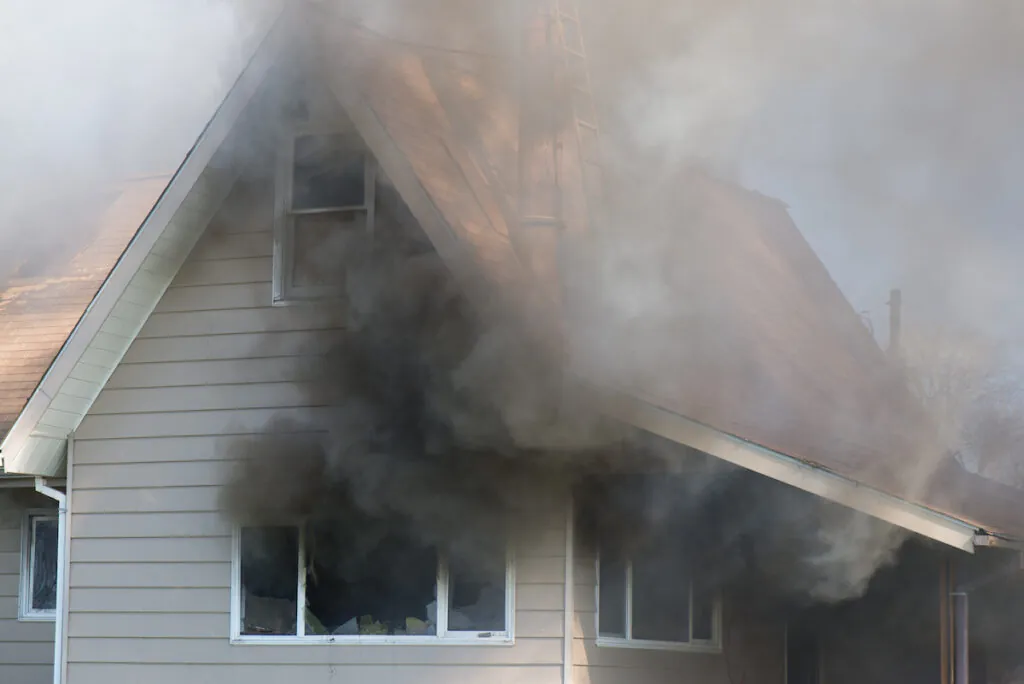
Even after a fire is extinguished, smoke, soot, and odor can continue to affect your home. Fire damage restoration services address visible damage while also helping reduce lingering effects that impact indoor air quality and surfaces.
Explore Our Fire and Smoke Damage Restoration Services
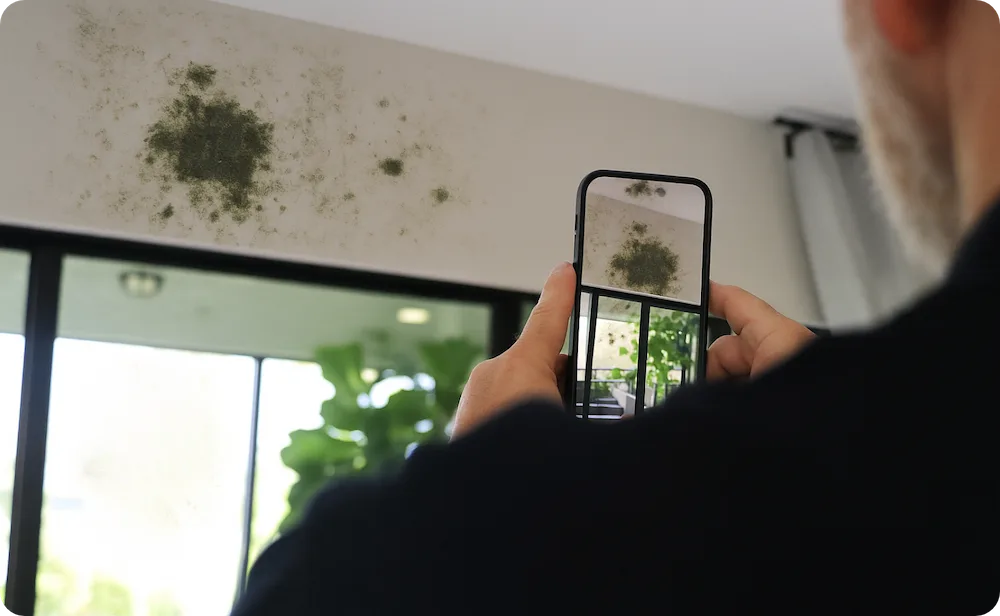
Mold often develops as a result of unresolved moisture or hidden water damage. Professional mold remediation helps identify affected areas, contain growth, and restore healthy indoor conditions.
Explore Our Mold Removal and Remediation Services
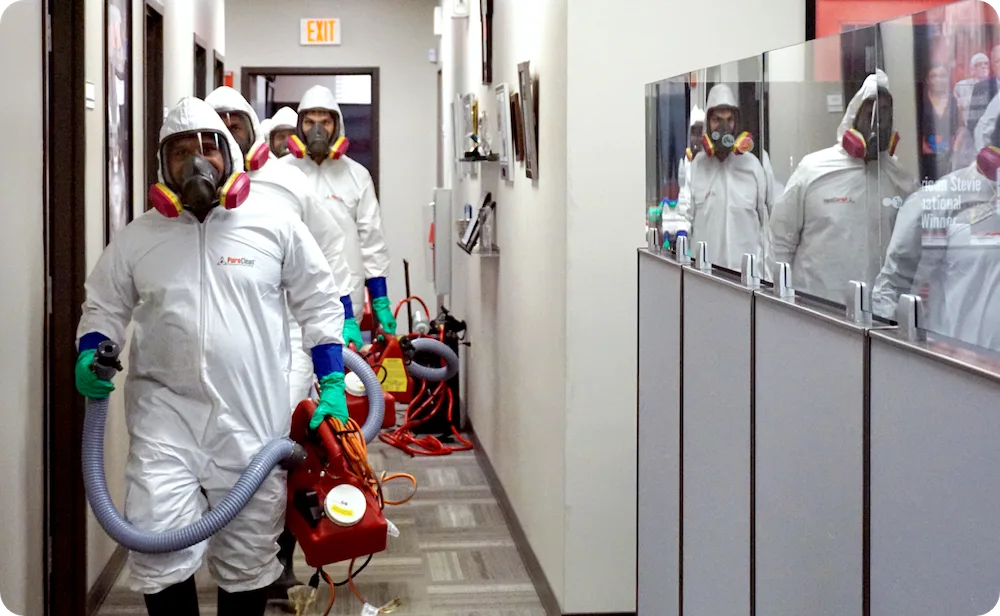
Biohazard situations, including crime scene cleanup and virus decontamination, require specialized cleaning and handling to protect health and safety. Biohazard cleanup services address contamination using proper protocols and professional care.
Explore Our Biohazard Cleanup Services
Commercial damage restoration in Fort Worth helps businesses recover quickly after water damage, fire damage, mold growth, sewage contamination, storm damage, or biohazard events. PuroClean Property Restoration provides fast, professional restoration services for offices, retail spaces, apartments, warehouses, healthcare facilities, schools, and commercial properties throughout Fort Worth and nearby areas.Call Now: (817) 344-7202What Is Commercial Damage Restoration?Common Types of...
Explore Our commercial damage restoration fort worth Services
Commercial biohazard cleanup in Arlington provides safe, professional removal of hazardous materials after incidents involving blood, bodily fluids, sewage contamination, trauma scenes, or other dangerous conditions. These situations require specialized cleaning methods, protective equipment, and strict safety protocols to protect occupants and restore safe conditions.
Explore Our Commercial Biohazard Cleanup Arlington Services
Water damage can result from unexpected leaks, flooding from storms, plumbing failures, or appliance malfunctions. Our certified teams focus on rapid water removal, drying, and stabilization to help prevent further damage and mold growth.
Explore Our Water Damage Mitigation Services

PuroClean Property Restoration
(817) 344-7202
5035 Martin Luther King Jr Fwy, Fort Worth, TX 76119


© 2026 PuroClean. All Rights Reserved.