24/7 Emergency Emergency Water Extraction Fort Worth Services in Fort Worth, TX
Emergency water extraction in Fort Worth removes standing water from a home or business after a pipe break, appliance leak, plumbing overflow, storm, or other sudden water emergency. Removing the visible water quickly is an important first step, but effective restoration also requires moisture detection, controlled drying, and ongoing monitoring. Water can travel beneath flooring, behind walls, into cabinets, and through other materials even when the surface appears dry.
PuroClean of Fort Worth provides professional emergency water extraction for residential and commercial properties throughout the Fort Worth area. The restoration process may include an inspection, water removal, moisture mapping, removal of unsalvageable materials when necessary, air movement, dehumidification, cleaning, and documentation of the affected areas.
Do not enter standing water if electrical outlets, appliances, wiring, or the electrical panel may have been exposed. When conditions are safe, stop the source of the water if possible and contact a professional restoration company for help.
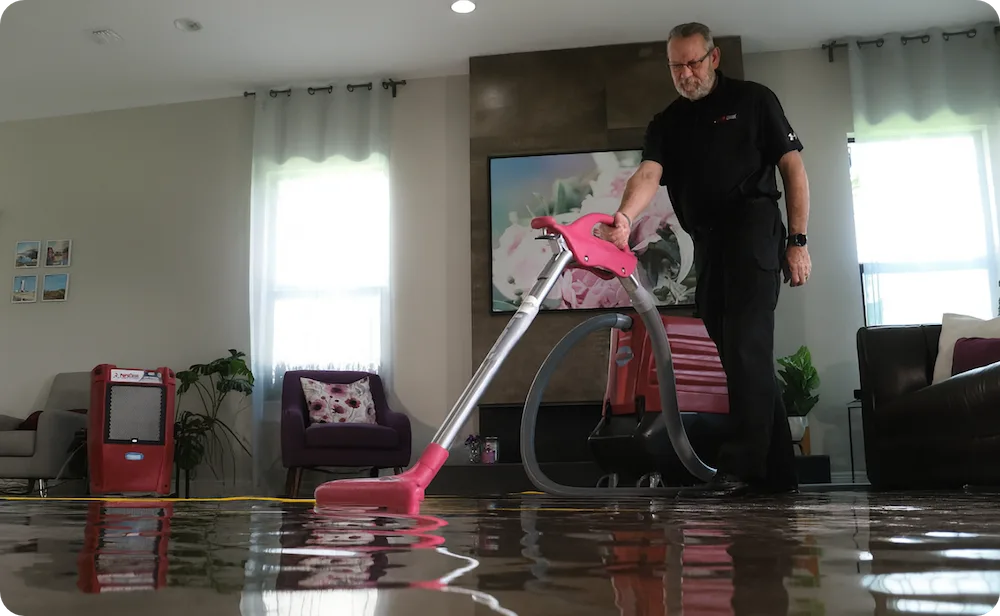
Emergency water extraction is the process of removing standing or accumulated water from a building after a water-loss event. Professional extraction equipment is used to remove substantially more water than towels, mops, buckets, or many consumer wet vacuums can manage.
The objective is to limit continued absorption into flooring, drywall, baseboards, cabinets, insulation, framing, and personal property. Extracting the water also prepares the affected structure for more focused drying and restoration work.
Water extraction may be necessary after:
The service required depends on the amount of water, the source of the loss, the materials affected, and how far the moisture has traveled. A small, quickly contained appliance leak requires a different response from widespread water affecting several rooms or multiple floors.
Professional extraction should be considered whenever water has spread beyond a small, easily dried surface or has reached porous building materials. Prompt attention is especially important when water is standing on the floor, flowing between rooms, entering wall cavities, or passing through a ceiling.
Call for emergency water extraction when:
If the loss involves a failed or frozen plumbing line, review PuroClean’s burst pipe repair information for Fort Worth. Properties affected by stormwater or widespread flooding may also require flood damage cleanup in Fort Worth.
Your first decisions after discovering water damage can affect personal safety and the extent of the loss. Do not rush into a flooded area before considering electrical hazards, contaminated water, slippery surfaces, or damaged ceilings.
Do not use an ordinary household vacuum to collect water. Household vacuums are not designed for standing water and can create an electrical hazard. Avoid disturbing visibly contaminated water or attempting to remove sewage without appropriate protective equipment and containment procedures.
Every water loss is different, but a professional response generally follows a structured process. The restoration team adapts the work to the source of the water, the building materials present, the size of the affected area, and site-specific safety concerns.
The affected areas are inspected to determine where the water originated, how far it traveled, and which materials may be wet. Potential electrical, structural, and contamination hazards are considered before extraction begins.
The inspection may extend beyond the visibly wet room. Water can migrate along seams, beneath flooring, through wall openings, and into adjacent spaces. In multistory properties, it may follow plumbing lines or building cavities to rooms below.
Moisture-detection tools may be used to evaluate flooring, walls, ceilings, cabinets, and other materials. The findings help establish the boundaries of the affected area and guide equipment placement.
A moisture map can also provide a baseline for subsequent drying checks. Visible water alone does not show the full extent of a loss, particularly when absorbent or layered materials are involved.
Professional extraction equipment is selected according to the depth of the water, accessibility of the area, and types of surfaces affected. Removing a large volume of liquid water can shorten the amount of time required for later evaporation and dehumidification.
Extraction may include repeated passes over carpet or other applicable surfaces. Technicians may also need to access water beneath flooring or inside confined areas when the construction allows it.
Some materials may be dried in place, while others may require removal. The decision depends on contamination, physical damage, water exposure, material composition, installation method, and whether effective drying is possible.
Restorable materials are handled differently from items that have lost structural integrity or cannot be cleaned appropriately. Any necessary removal should be documented as part of the restoration record.
After bulk water is extracted, air movers and dehumidifiers may be installed to address moisture retained within the structure. Equipment selection and placement depend on the size and configuration of the affected area.
This stage is essential because materials may remain wet even when no standing water is visible. The purpose is to create controlled conditions that support evaporation and remove moisture from the surrounding air.
Drying conditions and material moisture levels may be checked during the project. Equipment can be repositioned, added, or removed as conditions change. Monitoring helps determine whether the affected materials are progressing toward an appropriate drying goal.
Once extraction and drying are complete, affected surfaces may require cleaning, deodorization, repair, or reconstruction. The scope depends on the source of the water and the damage sustained by the property.
For broader restoration needs, PuroClean also provides water damage restoration in Fort Worth.
Water extraction removes liquid water, while structural drying addresses moisture that remains inside building materials and the surrounding air. These are related but distinct parts of the restoration process.
| Service | Primary Purpose | Common Equipment or Methods |
|---|---|---|
| Water extraction | Removes standing and recoverable liquid water | Pumps, extraction units, and surface-specific extraction tools |
| Moisture detection | Identifies wet materials and the boundaries of the loss | Moisture meters and other appropriate detection tools |
| Structural drying | Promotes evaporation from wet materials | Air movement, dehumidification, and controlled drying techniques |
| Monitoring | Measures drying progress and guides equipment adjustments | Repeated moisture and environmental readings |
Stopping after visible water is removed can leave moisture trapped in the building. Wet padding, subflooring, drywall, insulation, and framing may continue releasing moisture into the indoor environment. A complete response therefore considers both liquid extraction and the drying needs of the structure.
Water follows gravity but can also spread horizontally through porous materials and small openings. The visible puddle may represent only part of the affected area.
Hidden water may be found:
Unaddressed moisture can contribute to swelling, staining, delamination, odors, material deterioration, and microbial growth. This is why professional water extraction is commonly paired with moisture detection rather than relying only on what can be seen or touched.
The source and condition of the water influence cleaning procedures, material decisions, protective measures, and project cost. Water from a supply-line break is not handled the same way as water associated with a sewage backup.
Restoration professionals commonly evaluate water based on the level of contamination and the conditions found at the property:
Do not assume that water is sanitary based only on its appearance. If the loss involves a drain or sewage system, professional sewage cleanup in Fort Worth may be needed instead of standard extraction alone.
The cost of emergency water extraction in Fort Worth depends on the amount and source of the water, the size of the affected area, accessibility, contamination, materials involved, and the drying equipment required. A responsible estimate generally requires an inspection because two properties with similar visible puddles can have very different levels of hidden moisture.
The following table explains how common parts of the project may affect pricing. It is a planning guide rather than a quote or guaranteed price.
| Pricing Component | How It May Be Calculated | Possible Effect on Cost |
|---|---|---|
| Standing water extraction | Volume, affected square footage, depth, and extraction time | Larger or deeper losses generally require more labor and equipment |
| Water source and contamination | Required protective measures, cleaning procedures, and disposal | Contaminated water can increase project complexity and cost |
| Moisture inspection | Number of rooms and materials requiring evaluation | Widespread or concealed moisture may require additional assessment |
| Material removal | Type and quantity of materials that cannot be restored in place | Removal, handling, and disposal add labor and project costs |
| Drying equipment | Equipment type, quantity, placement, and operating time | Larger drying zones may require more equipment or additional days |
| Monitoring | Number of site visits and moisture checks | Complex losses may need more frequent adjustments and documentation |
| Access conditions | Stairs, crawl spaces, occupied areas, or difficult equipment access | Restricted access may increase labor time |
| Repairs and reconstruction | Materials and finishes requiring replacement after drying | Repair work is typically separate from initial extraction and mitigation |
Ask whether an estimate includes only the initial extraction or also includes moisture detection, equipment setup, drying, monitoring, cleaning, material removal, and disposal. Understanding the scope makes it easier to compare estimates accurately.
The amount of visible water is only one pricing factor. The overall scope may expand when moisture has entered layered flooring, wall cavities, insulation, cabinets, or rooms below the original loss.
Important cost factors include:
Delaying extraction may allow water to spread farther into the building and increase the amount of restoration work required. Prompt action cannot guarantee that every material will be saved, but it can help limit avoidable continued exposure.
“`html
Homeowners or commercial property insurance may cover emergency water extraction when the damage results from a sudden and accidental covered event. A burst supply line, failed water heater, or unexpected appliance leak may be evaluated differently from long-term seepage, deferred maintenance, groundwater, or surface flooding.
Coverage depends on the cause of the loss, policy language, exclusions, endorsements, deductibles, and the circumstances discovered at the property. PuroClean does not determine whether a claim is covered; that decision belongs to the insurance carrier.
After discovering water damage:
Waiting for a coverage decision while water continues spreading may allow additional damage to occur. Ask your carrier what reasonable steps you should take to protect the property and prevent further damage.
Professional restoration documentation may include photographs, moisture readings, descriptions of affected materials, equipment records, and a summary of the work performed. This information can help document the mitigation process, but it does not guarantee insurance coverage or claim approval.
Water can spread quickly through a house because residential construction contains many absorbent and concealed materials. Drywall can draw moisture upward, carpet padding can hold water beneath the visible surface, and floating floors can trap water against the subfloor.
Residential extraction may be needed in:
Furniture, rugs, electronics, documents, clothing, and other belongings may also be affected. When possible, items should be evaluated before disposal. Photographs and a written inventory can help property owners keep track of damaged contents.
Water entering from an attic, roof opening, or storm-damaged exterior may require temporary protection in addition to interior extraction. PuroClean’s roof tarping services in Fort Worth and storm damage restoration services may be relevant when exterior damage is allowing additional water into the building.
A commercial water loss can affect employees, customers, tenants, inventory, equipment, and business operations. The response may also need to account for larger floor plans, restricted work areas, building access, occupied spaces, and coordination among property owners, managers, tenants, and insurance representatives.
Commercial water extraction may be required in:
The priorities for a commercial project may include stopping the source, isolating unsafe areas, extracting water, protecting unaffected inventory, documenting tenant spaces, and developing a drying plan that considers business continuity.
PuroClean provides commercial water damage restoration in Fort Worth for businesses and managed properties. Specialized resources are also available for hotel water damage restoration, office building water damage cleanup, and property management restoration services.
Demand for urgent water mitigation is substantial because leaks and plumbing failures can interrupt operations without warning. That demand also makes it important for property owners to find relevant local providers quickly. According to Damage Restoration Hero a damage restoration SEO company they report that there is an increase in water damage jobs throughout the US due to incremental weather.
Some wet materials may be restorable when extraction begins promptly and the water source does not create an unacceptable contamination risk. Other materials may require removal because of contamination, physical deterioration, loss of structural integrity, or an inability to dry them effectively.
| Material | Restoration Considerations |
|---|---|
| Carpet | Water source, length of exposure, backing condition, staining, and contamination |
| Carpet padding | Saturation, contamination, accessibility, and whether effective drying is practical |
| Hardwood flooring | Installation, moisture penetration, cupping, finish condition, and subfloor moisture |
| Laminate flooring | Edge swelling, delamination, trapped water, and manufacturer requirements |
| Drywall | Contamination, swelling, crumbling, finish damage, insulation, and wall-cavity conditions |
| Cabinets | Construction material, swelling, finish damage, wall attachment, and moisture beneath the units |
| Insulation | Type of insulation, contamination, compression, location, and drying feasibility |
| Wood framing | Moisture level, exposure time, accessibility, and progress during controlled drying |
A material should not be declared dry based only on surface appearance. Moisture readings and physical inspection provide more useful information when determining whether drying has been successful.
Removing water and drying affected materials promptly can reduce conditions that support mold growth. However, extraction alone does not guarantee that mold will not develop. Moisture may remain beneath flooring, behind walls, inside cabinets, or in areas that were not initially recognized as part of the loss.
If a building remains damp, develops a musty odor, or shows visible growth after water damage, further inspection may be appropriate. PuroClean provides mold remediation in Fort Worth when a property requires professional evaluation and remediation services.
Property owners should avoid painting over water stains or closing damp wall cavities before confirming that the underlying materials have dried. Covering the surface can conceal continuing moisture without addressing its cause.
A professional restoration company can address more than the water visible on the floor. The work can include identifying the affected boundaries, selecting appropriate extraction methods, evaluating materials, establishing drying conditions, and documenting progress.
Professional assistance is particularly valuable when:
Professional equipment does not replace proper inspection or monitoring. Effective restoration depends on how the equipment is selected, positioned, adjusted, and used as part of a documented drying plan.
Water extraction should begin as soon as safety concerns have been addressed and the source has been stopped or controlled. Water can continue spreading into porous and concealed materials while it remains inside the building. If electricity, structural instability, sewage, or another hazard is involved, keep away from the affected area until it can be evaluated safely.
No. An ordinary household vacuum is not designed to collect water and can create a serious electrical hazard. Even a consumer wet vacuum may be inadequate for extensive water damage, contaminated water, or moisture that has spread beneath flooring and behind walls.
Not usually. Extraction removes recoverable liquid water, but absorbent building materials may remain wet afterward. Air movement, dehumidification, moisture monitoring, and controlled structural drying may be required.
It depends on the source of the water, duration of exposure, carpet construction, condition of the backing, contamination, and whether the carpet and underlying materials can be cleaned and dried effectively. Carpet padding may require separate evaluation even when the carpet surface appears recoverable.
The extraction phase may take several hours or longer depending on water volume, affected square footage, access, and the surfaces involved. Structural drying commonly continues beyond the initial extraction. The project duration should be based on actual conditions and drying progress rather than a universal timeline.
Notify your insurance carrier promptly and follow its instructions. However, water may continue damaging the property while a claim is being reviewed. Ask the carrier about reasonable emergency mitigation, required documentation, and whether you should preserve damaged materials for inspection.
Yes. Mold-related conditions can remain if moisture is trapped inside walls, flooring, insulation, cabinets, or other materials. Removing standing water is an important first step, but the affected structure must also be evaluated and dried appropriately.
If water is standing inside your home, business, or managed property, PuroClean of Fort Worth can inspect the affected areas and develop an appropriate extraction and drying plan. Professional service may include water removal, moisture detection, structural drying, monitoring, cleaning, and documentation based on the conditions found at the property.
Keep away from unsafe water, exposed electrical equipment, and damaged building materials. If it is safe to do so, stop the source, photograph the damage, and call for assistance.
“`html
Emergency water losses do not all behave the same way. The source, location, and construction of the property determine how the water can spread and what steps may be needed to remove it.
A broken pressurized water line can release a substantial amount of water before the supply is shut off. Water may spread across several rooms, enter wall cavities, pass beneath flooring, or travel to a lower level. After the plumbing source is controlled, extraction and moisture detection can help define the affected area.
A leaking or ruptured water heater can affect garages, utility closets, attics, and nearby living spaces. When a water heater is installed above an occupied room, water may damage ceilings, insulation, walls, and flooring below the appliance.
Do not attempt to move or disconnect a damaged water heater unless you are qualified to do so. The unit may involve electricity, gas, hot water, and pressurized plumbing.
Appliance supply hoses, drain lines, pumps, seals, and connections can fail unexpectedly. Water may flow beneath cabinets, appliances, flooring, and adjacent walls before the leak is discovered.
Moving an appliance may reveal additional water, but it can also damage connections or flooring. If the appliance is energized or the floor is wet, avoid touching it until electrical conditions are safe.
An overflowing sink, bathtub, or toilet can affect more than the room where the incident began. Water commonly passes beneath baseboards, around plumbing penetrations, and through ceilings when the fixture is located upstairs.
The cleanup method depends partly on what was in the fixture and whether the water encountered contaminants. Toilet overflows and drain backups may require additional sanitation procedures.
Clogged condensate drains, damaged drain pans, and equipment malfunctions can release water into attics, utility areas, ceilings, and walls. These leaks may remain hidden until staining, sagging material, elevated humidity, or a musty odor becomes noticeable.
Wind, hail, fallen branches, and damaged roofing components can allow rain to enter a property. Extraction may need to be coordinated with temporary roof protection, board-up work, or exterior repairs so that additional water does not continue entering the structure.
Providing clear information during the initial call helps the restoration team understand the situation and prepare for the conditions likely to be present.
You may be asked:
You do not need to determine the exact size or category of the loss before calling. Describe what you can observe without entering an unsafe area.
Safety remains the priority. Do not enter standing water, handle contaminated materials, or move energized appliances simply to prepare for the restoration team.
When conditions are safe, the following steps may help:
Avoid placing furniture, boxes, or belongings in an unaffected area if doing so could spread contaminated water. The restoration team can advise how contents should be handled based on the conditions at the property.
Well-intentioned cleanup efforts can leave moisture behind or expose occupants to unnecessary hazards. Common mistakes include:
Opening windows is not always the best drying strategy. Outdoor temperature and humidity can affect indoor drying conditions, and uncontrolled airflow may interfere with the restoration plan. Follow the directions provided for the specific property.
Property managers may need to coordinate residents, vendors, owners, insurance representatives, maintenance personnel, and restoration teams during a water emergency. Establishing a clear point of contact can help reduce delays and conflicting instructions.
Important management steps may include:
For multifamily, retail, hospitality, and office properties, the initial visible loss may cross several leases or areas of responsibility. PuroClean’s insurance claim restoration services in Fort Worth can support organized documentation while the appropriate parties communicate about the claim.
Drying completes the mitigation phase, but some properties require additional restoration. Flooring, drywall, insulation, trim, cabinets, paint, and other finishes may need repair or replacement when they could not be restored in place.
Post-drying work may include:
The repair scope should be based on the materials removed and the condition of the property after drying. PuroClean’s property reconstruction services in Fort Worth may be relevant when the loss requires repairs beyond extraction and drying.
Before authorizing work, ask questions that clarify the proposed scope and how the project will be documented.
A clear scope helps property owners understand the difference between immediate water removal, continued drying, cleaning, and later reconstruction.
Standing water can continue moving into flooring, walls, cabinets, and other building materials. If your Fort Worth home or business has been affected by a plumbing failure, appliance leak, storm, roof opening, or another sudden water event, request professional assistance as soon as it is safe to do so.
PuroClean of Fort Worth can evaluate the affected areas, remove standing water, check for concealed moisture, establish drying conditions, and document the restoration process. The exact scope will be based on the source, affected materials, contamination concerns, and conditions found during the inspection.
What Our Customers Say:
Find answers to common questions about our services
You can check the walls and ceilings for water stains, the floors for warping and buckling, and the pipes for corrosion, leaks, missing grout, and mold. Attics and basements may have damaged flooring, mildew or mold, dampness, and odors. Also, be sure to inspect the exterior of the home for cracked roof tiles, puddles, standing water, and whether the ground is sloping away from the house.
First, if safe, shut off the utilities in your home to avoid further damage. Don’t enter your home if it has suffered structural damage. Don’t walk through floodwater if electricity hasn’t been turned off, and avoid contaminants. Next, contact a water-damage restoration company, such as PuroClean Property Restoration, as soon as possible. Don’t wait, as water can cause mold and irremediable damage to the wood, walls, and carpet. Then, depending on the extent of the damage and the recommendation of the remediation company, contact your insurance provider to start the claim process.
There are many variables that determine whether a flooded property can be saved: the amount of water, and even more important, the amount of time the water was in/around the property. Every situation is different, and PuroClean Property Restoration expert restoration professionals can determine what can be salved once one site.
Property water damage can pose several dangers including structural instability, electrical hazards, mold and mildew growth leading to health issues, contamination from sewage or chemicals, and potential collapse of weakened structures.
Water flooding can cause extensive damage including structural damage to walls, floors, and foundations, damage to personal belongings, electrical hazards, and potential health risks from mold and bacteria growth. The longer water sits, the more severe the damage becomes.
Water damage can result from unexpected leaks, flooding from storms, plumbing failures, or appliance malfunctions. Our certified teams focus on rapid water removal, drying, and stabilization to help prevent further damage and mold growth.
 Explore Our Water Damage Mitigation Services
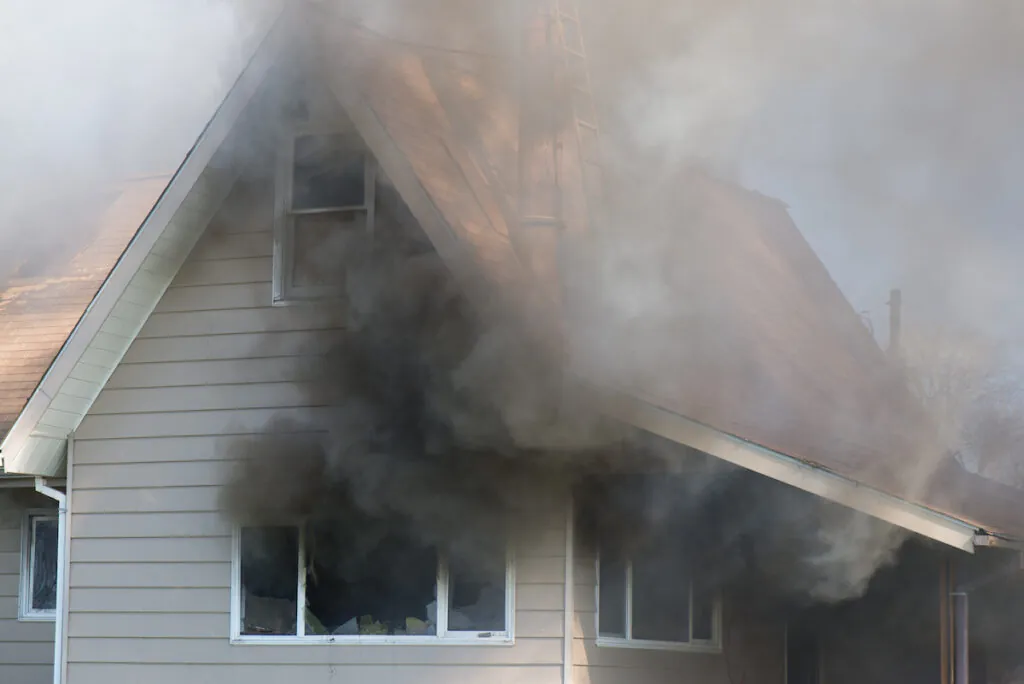
Even after a fire is extinguished, smoke, soot, and odor can continue to affect your home. Fire damage restoration services address visible damage while also helping reduce lingering effects that impact indoor air quality and surfaces.
Explore Our Fire and Smoke Damage Restoration Services
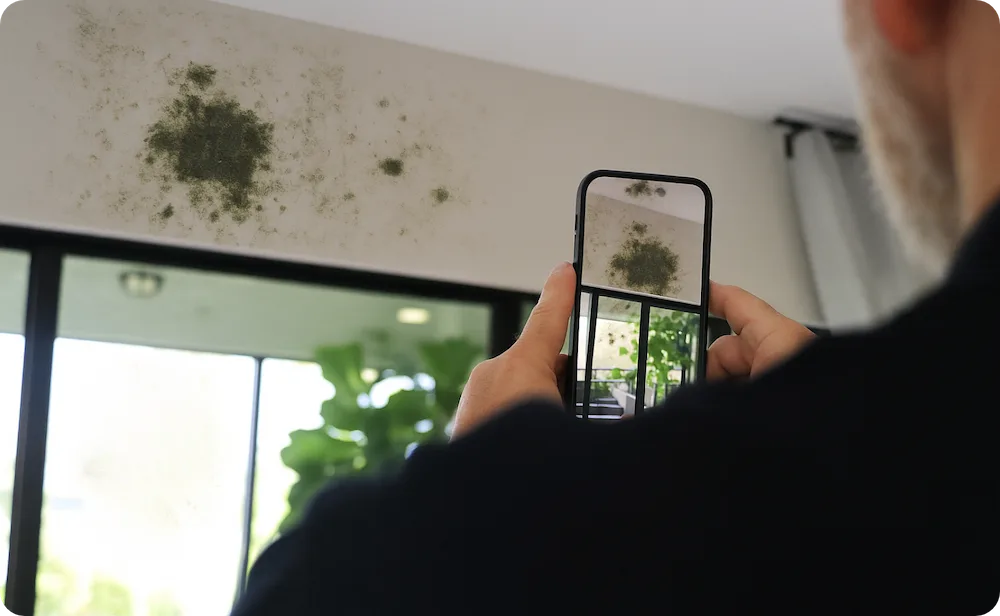
Mold often develops as a result of unresolved moisture or hidden water damage. Professional mold remediation helps identify affected areas, contain growth, and restore healthy indoor conditions.
Explore Our Mold Removal and Remediation Services
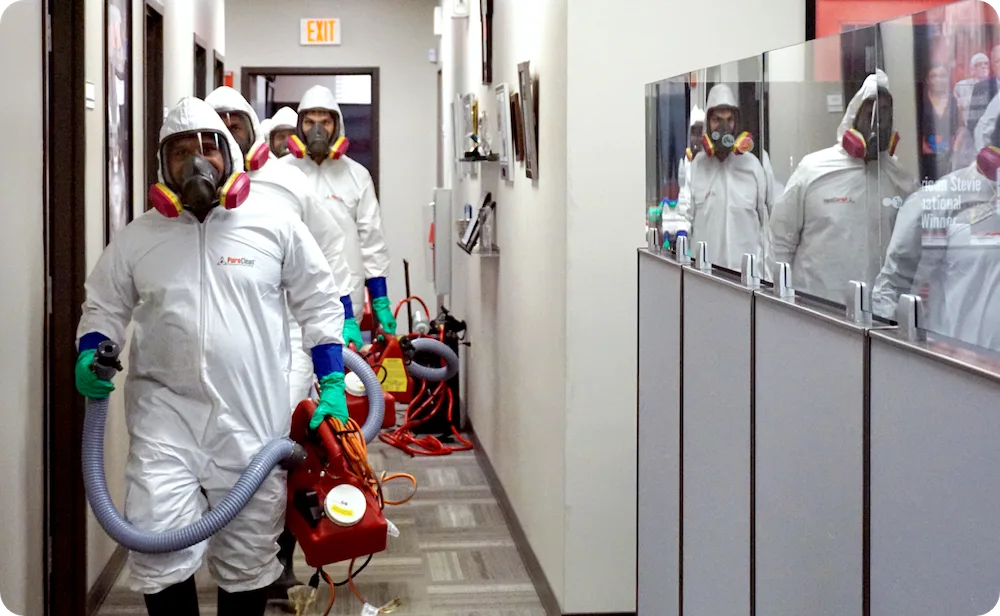
Biohazard situations, including crime scene cleanup and virus decontamination, require specialized cleaning and handling to protect health and safety. Biohazard cleanup services address contamination using proper protocols and professional care.
Explore Our Biohazard Cleanup Services
Commercial damage restoration in Fort Worth helps businesses recover quickly after water damage, fire damage, mold growth, sewage contamination, storm damage, or biohazard events. PuroClean Property Restoration provides fast, professional restoration services for offices, retail spaces, apartments, warehouses, healthcare facilities, schools, and commercial properties throughout Fort Worth and nearby areas.Call Now: (817) 344-7202What Is Commercial Damage Restoration?Common Types of...
Explore Our commercial damage restoration fort worth Services
Commercial biohazard cleanup in Arlington provides safe, professional removal of hazardous materials after incidents involving blood, bodily fluids, sewage contamination, trauma scenes, or other dangerous conditions. These situations require specialized cleaning methods, protective equipment, and strict safety protocols to protect occupants and restore safe conditions.
Explore Our Commercial Biohazard Cleanup Arlington Services
Water damage can result from unexpected leaks, flooding from storms, plumbing failures, or appliance malfunctions. Our certified teams focus on rapid water removal, drying, and stabilization to help prevent further damage and mold growth.
Explore Our Water Damage Mitigation Services

PuroClean Property Restoration
(817) 344-7202
5035 Martin Luther King Jr Fwy, Fort Worth, TX 76119


© 2026 PuroClean. All Rights Reserved.