24/7 Emergency Slab Leak Repair Fort Worth Services in Fort Worth, TX
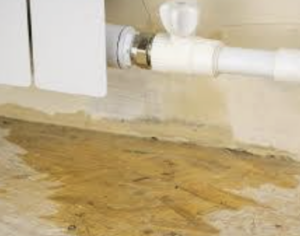
Slab leak repair in Fort Worth addresses a leaking water line located beneath or within a home’s concrete foundation. Because water can move through soil, concrete, flooring, walls, and adjoining rooms, resolving a slab leak may require leak detection, plumbing repair, water extraction, moisture evaluation, structural drying, and restoration of damaged finishes.
Common warning signs include unexplained water bills, warm or damp flooring, the sound of running water when fixtures are off, reduced water pressure, foundation-area moisture, and recurring flooring damage. A qualified plumbing professional may be needed to locate and repair or reroute the failed line. PuroClean of Fort Worth can address water damage caused by the leak, including extraction, moisture detection, drying, cleaning, and restoration planning.
If you suspect an active slab leak, shut off the water supply when it is safe and practical. Avoid walking through standing water near electrical outlets or appliances, and do not remove flooring before documenting the damage and determining how far the moisture has spread.
A slab leak is a leak in a water line located beneath or within a concrete slab foundation. The affected pipe may carry hot water, cold water, or wastewater. Many slab leaks are not immediately visible because the plumbing is concealed beneath the building.
Water escaping below the slab can move through surrounding soil and enter the property through cracks, joints, penetrations, or porous materials. Depending on the location and duration of the leak, moisture may affect:
Stopping the pipe leak is only one part of the response. Materials above and around the slab may remain wet after the plumbing has been repaired. Water extraction, moisture detection, and controlled drying may still be required.
For damage that has already spread into the building, PuroClean provides water damage restoration in Ft Worth.
Common slab leak warning signs include unexplained water use, warm flooring, damp spots, running-water sounds, reduced pressure, and damage to flooring or baseboards. No single symptom proves that a slab leak is present, but several signs occurring together should be investigated promptly.
A water bill that increases without a clear change in household use may indicate a concealed plumbing leak. Compare recent bills with the same season in prior years and account for irrigation, guests, appliance use, and rate changes before drawing a conclusion.
You may hear hissing, trickling, or running water when faucets and water-connected appliances are off. The sound may be more noticeable near a floor, wall, plumbing fixture, or mechanical area.
A leaking hot-water line may create an unusually warm area on tile, wood, laminate, or another floor covering. The warm location does not always identify the precise point where the pipe has failed because water and heat can travel.
Carpet may feel damp, hardwood may darken or cup, and laminate may swell at its edges. Tile can appear unaffected while moisture remains in the setting material, underlayment, or adjoining wall.
A damaged pressurized line can contribute to reduced water pressure. Pressure changes may have other causes, so the plumbing system should be evaluated rather than assuming a slab leak is responsible.
Moisture moving upward from the slab or through flooring may reach baseboards, lower drywall, cabinets, and door trim. Look for swelling, staining, soft materials, loose finishes, or peeling paint.
A concealed leak can create persistent damp conditions. Musty odors, condensation, or humidity that does not match normal indoor conditions may indicate moisture below the flooring or inside a wall assembly.
If all fixtures and water-using appliances are off but the water meter continues registering use, there may be a leak somewhere in the plumbing system. Do not rely on this observation to determine the leak’s exact location.
Slab leaks can develop because of pipe deterioration, installation issues, movement, water conditions, pressure, or physical stress. The cause should be evaluated by an appropriate plumbing professional.
Potential causes include:
A plumbing specialist may consider the pipe material, water pressure, system layout, property history, and location of the suspected leak before recommending a repair method.
If the failed line has released significant water into the building, services associated with burst pipe cleanup in Fort Worth may also be relevant.
A suspected slab leak should not be ignored. An active leak can continue wasting water and increasing moisture beneath or inside the property.
Do not begin breaking concrete or removing large areas of flooring based only on a suspected location. Targeted leak detection may reduce unnecessary damage to finished areas.
Professional leak detection attempts to narrow the location of the failed line before a repair approach is selected. The methods used depend on the plumbing system, pipe material, accessibility, and conditions at the property.
An evaluation may include:
Leak detection and moisture detection serve different purposes. Plumbing leak detection looks for the failed line, while restoration moisture detection evaluates where the released water has affected building materials. A complete response may require both.
A slab leak may be repaired through direct access, pipe rerouting, or replacement of a larger section of plumbing. The appropriate method depends on the location of the failure, pipe condition, system layout, accessibility, and likelihood of additional leaks.
| Possible Repair Method | How It Generally Works | Important Considerations |
|---|---|---|
| Direct access repair | The floor and slab are opened near the failed pipe so the damaged section can be reached. | May affect flooring and concrete; best suited to certain isolated, accessible failures. |
| Pipe rerouting | A new water-line path bypasses the leaking section beneath the slab. | May reduce slab disruption but can require access through walls or ceilings. |
| Partial repiping | A larger section of deteriorated plumbing is replaced or bypassed. | May be considered when the problem is not limited to one isolated point. |
| Broader repiping | Multiple vulnerable lines are replaced using a new routing plan. | More extensive work, but it may address repeated failures in an aging system. |
Pipe diagnosis and repair should be performed by an appropriately qualified plumbing provider. Water-damage restoration addresses the affected building materials after or alongside the plumbing work.
After the leak is stopped, the restoration process focuses on water that has entered flooring, walls, cabinets, contents, and other building materials.
The property is evaluated for visible damage, concealed moisture, safety concerns, and the boundaries of the water loss. Adjoining rooms may need to be checked even when they do not show obvious surface damage.
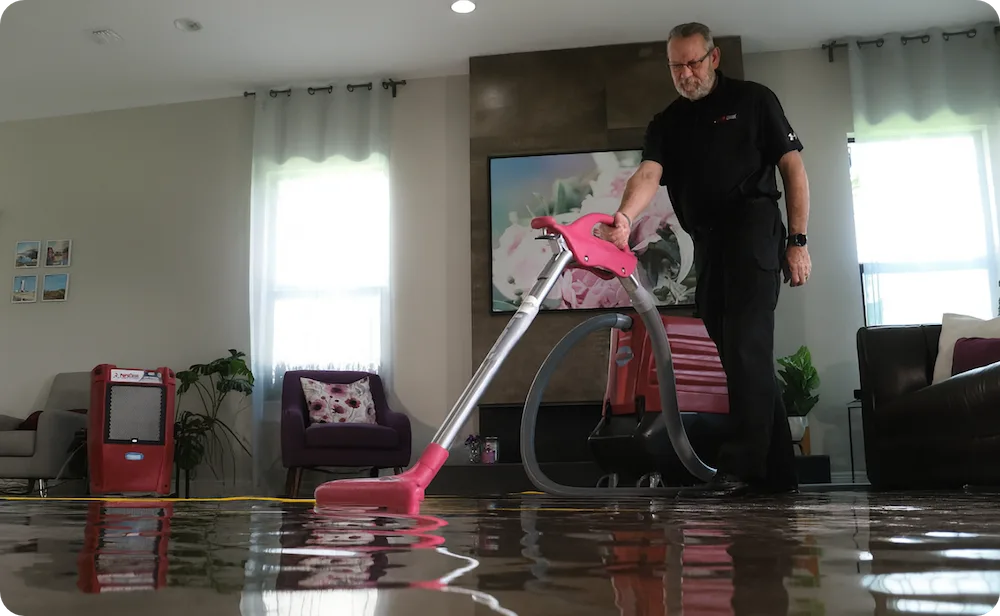
If liquid water is present, professional extraction equipment may be used to remove it. PuroClean provides water removal and flood cleanup in Ft Worth for properties with significant water accumulation.
Flooring, underlayment, baseboards, drywall, and cabinets are evaluated based on their condition and ability to dry. Some materials may remain in place, while others may need removal to expose wet areas.
Air movement and dehumidification may be used to address moisture retained in the structure. Equipment selection and placement are based on the affected materials and drying conditions.
Moisture readings may be collected during the drying process. The readings help determine whether equipment should remain, be adjusted, or be removed.
Applicable surfaces may require cleaning and deodorization. Flooring, drywall, trim, cabinets, or other finishes removed during mitigation may require reconstruction after drying is complete.
Water from beneath a slab may emerge at the location offering the least resistance rather than directly above the pipe failure. It can also spread through absorbent and layered materials.
Hidden moisture may be found:
Moisture that remains concealed can contribute to odors, damaged finishes, swelling, staining, and microbial growth. A dry-looking floor surface does not confirm that the materials beneath it are dry.
Slab leak costs in Fort Worth depend on the leak location, pipe condition, detection work, repair method, access requirements, water damage, drying needs, and repairs to flooring or finishes. An accurate estimate generally requires both a plumbing evaluation and an assessment of the affected building materials.
The following table explains common pricing components. It is a planning guide and not a guaranteed quote.
| Pricing Component | What Affects the Price | Potential Cost Impact |
|---|---|---|
| Leak detection | Plumbing layout, pipe material, property size, and difficulty isolating the failure | Complex or intermittent leaks may require additional diagnostic work |
| Direct pipe repair | Depth, access location, concrete removal, and pipe condition | Difficult access can increase labor and surface-repair requirements |
| Pipe rerouting | New pipe length, routing, wall access, and number of fixtures served | Longer or more complex routes generally require more labor and materials |
| Water extraction | Volume of water, affected square footage, and surfaces involved | Widespread water requires additional extraction time and equipment |
| Structural drying | Wet materials, size of drying area, equipment quantity, and operating time | Concealed or extensive moisture can increase drying requirements |
| Material removal | Flooring, underlayment, drywall, cabinets, and trim that cannot remain | Removal and disposal add to the mitigation scope |
| Flooring replacement | Material type, availability, matching requirements, and affected area | Custom or continuous flooring may increase repair costs |
| Reconstruction | Drywall, paint, trim, cabinets, concrete, and finish restoration | Permanent repairs are usually separate from emergency mitigation |
Ask whether an estimate covers leak detection, plumbing repair, water extraction, drying equipment, monitoring, material removal, cleaning, and reconstruction. These may be separate scopes performed by different qualified providers.
The visible damage alone does not establish the total project cost. A small damp area may be connected to a more extensive concealed plumbing or moisture problem.
Important pricing factors include:
Promptly stopping the water may help limit continued damage, but it cannot guarantee that all affected materials will be recoverable. The plumbing and restoration scopes should reflect the actual conditions found at the Fort Worth property.
“`html
Homeowners insurance may cover some damage associated with a slab leak when the loss results from a sudden and accidental covered event. Coverage can differ between the failed plumbing line, the cost of accessing that line, resulting water damage, and repairs to affected finishes.
A policy may treat these expenses separately:
Long-term seepage, repeated leakage, corrosion, wear, maintenance problems, or damage known before the policy period may be handled differently. Coverage depends on the policy language, exclusions, endorsements, cause of the loss, and findings at the property.
PuroClean does not decide whether an insurance claim is covered. That determination is made by the insurance carrier.
Do not delay reasonable emergency measures while water continues damaging the property. Contact the carrier for guidance, document the initial conditions when safe, and ask how to proceed with necessary mitigation.
Some flooring may be dried and restored after a slab leak, while other flooring may require removal. The decision depends on the material, water source, duration of exposure, installation method, physical damage, and moisture beneath the finished surface.
| Flooring Material | Common Slab Leak Concerns | Evaluation Considerations |
|---|---|---|
| Carpet | Saturation, staining, odors, and wet padding | Water condition, exposure time, backing, padding, and ability to extract and dry |
| Hardwood | Cupping, crowning, staining, finish damage, and moisture below the boards | Board condition, installation, subfloor moisture, and drying progress |
| Engineered wood | Layer separation, swelling, and adhesive failure | Product construction, installation method, and manufacturer guidance |
| Laminate | Edge swelling, buckling, and delamination | Physical damage and moisture trapped beneath the flooring |
| Luxury vinyl plank | Water beneath planks, adhesive effects, and wet underlayment | Installation, subfloor condition, contamination, and ability to access trapped water |
| Ceramic or porcelain tile | Moisture beneath tile, loose sections, grout changes, and damaged setting material | Bond condition, access needs, slab moisture, and location of the plumbing repair |
Tile and vinyl may look unaffected even when water is present beneath them. Conversely, visible changes in wood or laminate can indicate that the material has already absorbed substantial moisture.
Do not install new flooring until the slab and applicable surrounding materials have been evaluated for moisture. Covering a damp slab can trap moisture beneath the new installation.
A slab leak can create damp conditions that support mold growth when moisture reaches drywall, carpet, padding, cabinets, wood, dust, or other organic materials. Concrete itself does not provide the same food source as many building finishes, but moisture can move from the slab into nearby materials.
Potential signs of a moisture-related problem include:
Stopping the pipe leak does not automatically dry the affected materials. Moisture detection and structural drying may be necessary after the plumbing repair.
If microbial growth is identified, PuroClean provides mold remediation in Fort Worth. Mold-related work should address the underlying moisture source rather than only cleaning or covering visible discoloration.
Slab leak repair and water damage restoration are connected services, but they address different parts of the loss.
| Service | Primary Purpose | Possible Work Included |
|---|---|---|
| Leak detection | Locates or narrows the concealed plumbing failure | System evaluation, isolation, acoustic testing, pressure testing, or other appropriate diagnostics |
| Plumbing repair | Stops the active leak | Direct repair, rerouting, partial repiping, or another plumbing solution |
| Water extraction | Removes standing or recoverable liquid water | Pumping, surface extraction, and removal of accessible accumulated water |
| Structural drying | Addresses moisture retained inside building materials | Air movement, dehumidification, targeted drying, and moisture monitoring |
| Reconstruction | Repairs access openings and damaged finishes | Concrete, drywall, flooring, trim, cabinets, paint, and other finish work |
A plumbing repair can stop new water from escaping while leaving previously affected materials wet. Likewise, extracting water without repairing the failed line will not prevent the leak from continuing. The services may need to be coordinated to address the entire loss.
The project timeline depends on how quickly the leak is located, the repair method selected, the amount of water released, the materials affected, and whether reconstruction is required.
A slab leak project may include several phases:
An isolated, accessible pipe failure may be resolved more quickly than a leak requiring extensive rerouting or affecting several rooms. Drying time should be based on moisture measurements and material conditions rather than a universal number of days.
A restoration assessment begins by identifying the visible damage and checking where moisture may have migrated. The plumbing source may already be repaired, or the restoration and plumbing providers may need to coordinate their work.
The water-damage process may include:
The inspection should not be limited to the location where water first became visible. Moisture from a slab leak may extend under continuous flooring or into walls that appear normal from the surface.
Slab leaks can affect bedrooms, kitchens, bathrooms, hallways, living areas, and attached garages. In open floor plans, water may travel beneath the same flooring material across several rooms before it becomes visible.
Residential restoration concerns may include:
PuroClean’s Ft Worth flood damage cleanup services may be appropriate when a slab leak has produced widespread standing water inside the home.
A concealed plumbing leak beneath a commercial slab can disrupt tenant spaces, customer areas, offices, inventory storage, and building operations. The response may require coordination among building owners, property managers, tenants, plumbers, restoration professionals, and insurers.
Commercial considerations may include:
For offices, retail properties, hotels, industrial facilities, and managed buildings, PuroClean provides commercial water damage restoration in Fort Worth.
Material removal should be based on contamination, physical condition, ability to dry, and access requirements. Removing more material than necessary can increase repair costs, while leaving damaged or persistently wet material in place may interfere with drying.
Materials that may require evaluation include:
When items must be discarded, photograph them first and follow applicable insurance instructions. Plumbing components removed during the repair may also need to be retained for inspection.
Monitoring helps determine whether wet materials are progressing toward an appropriate drying condition. A slab and the materials installed above it can dry at different rates.
Monitoring may consider:
Drying equipment should not be turned off or removed simply because the room feels more comfortable. The decision should be based on actual conditions within the affected materials.
Professional restoration can help identify the affected moisture boundaries, remove accumulated water, evaluate materials, establish drying conditions, and document the project.
Professional assistance is especially important when:
A professional restoration plan addresses more than the water visible on top of the floor. It considers the slab, floor assembly, adjoining materials, indoor conditions, and repair work required after drying.
“`html
When you call about water damage from a suspected slab leak, describe what you have observed without opening flooring or entering an unsafe area. You do not need to know the precise pipe location before requesting help.
You may be asked:
Explain whether the property has continuous flooring across several rooms. Water may travel beneath a connected flooring installation even when visible damage appears limited to one area.
Safety should remain the priority. Do not move energized appliances, break concrete, remove large flooring sections, or enter standing water simply to prepare the property.
When conditions are safe, you can:
If plumbing access requires flooring or concrete removal, coordinate that work with the moisture assessment. The location selected for pipe access may affect the restoration and reconstruction scope.
A concealed leak can be difficult to evaluate without appropriate detection methods. Avoiding common mistakes may reduce unnecessary disruption and help preserve useful documentation.
A complete slab leak response may involve more than one type of professional. Each provider should have a clearly defined role so the leak is stopped, the affected materials are dried, and the property is repaired appropriately.
| Project Participant | Typical Role | Information to Coordinate |
|---|---|---|
| Leak-detection provider | Narrows or identifies the plumbing failure | Suspected location, system findings, and recommended access area |
| Plumbing professional | Repairs, reroutes, or replaces the failed pipe | Water shutoff, repair method, access requirements, and system testing |
| Restoration company | Addresses water-damaged materials | Moisture boundaries, extraction, removal needs, drying, and documentation |
| Insurance representative | Reviews the claim under the applicable policy | Cause-of-loss information, estimates, photographs, invoices, and coverage decisions |
| Reconstruction provider | Repairs access openings and damaged finishes | Drying completion, flooring availability, finish selections, and repair scope |
For larger losses, PuroClean’s insurance restoration services in Ft Worth may help property owners organize restoration documentation while they communicate with their carrier.
After drying is complete, repairs can address areas opened for plumbing access and materials removed during water mitigation. The reconstruction scope depends on the repair location, flooring type, interior finishes, and extent of the water damage.
Post-drying work may include:
Matching an existing floor can be difficult when the material continues through several rooms or is no longer available. Discuss material availability, transitions, and the boundaries of the proposed flooring replacement before reconstruction begins.
PuroClean provides property reconstruction services in Fort Worth when water mitigation must be followed by repairs.
Not every concealed pipe failure can be prevented, but maintenance and early investigation may reduce the likelihood or severity of certain losses.
A higher water bill alone does not confirm a slab leak. Irrigation, seasonal use, fixture leaks, rate changes, and other causes should also be considered. Persistent unexplained usage warrants further investigation.
Ask enough questions to understand the difference between diagnostic work, plumbing repair, water mitigation, and permanent reconstruction.
Written scopes can help prevent confusion when multiple providers are involved. Each estimate should identify the work included and any services that will be priced separately.
A slab leak can become an emergency when water is actively entering the building, damaging flooring and walls, affecting electrical areas, or leaving the property without a usable water supply. Even when no standing water is visible, a suspected pressurized leak should be investigated promptly.
Possible signs include unexplained water use, meter movement when fixtures are off, warm flooring, damp carpet, reduced pressure, running-water sounds, damaged baseboards, and musty odors. Professional leak detection is generally needed to identify the location and confirm the cause.
If water is actively causing damage and the main shutoff can be reached safely, shutting off the supply may limit additional water release. Consider the needs of occupants and any equipment that depends on the water supply. Contact a plumbing professional for guidance when uncertain.
No. Some leaks are repaired through direct access, while others may be bypassed by rerouting the line. The recommended approach depends on the pipe location, plumbing layout, pipe condition, access, and likelihood of additional failures.
The plumbing repair may take part of a day or longer depending on detection, access, and the repair method. Water mitigation, structural drying, and reconstruction can extend the overall project. The final timeline depends on the conditions found at the property.
Costs vary because the project may involve leak detection, pipe repair or rerouting, concrete and flooring access, extraction, drying, material removal, and reconstruction. A small isolated repair has a different scope from a concealed leak that has affected multiple rooms.
Coverage depends on the policy and cause of loss. Some policies may cover resulting water damage or necessary access associated with a sudden covered event while excluding the failed pipe itself. Long-term leakage and maintenance-related conditions may be treated differently. Contact the carrier for a policy-specific decision.
There is no universal timeline for every property. Temperature, humidity, materials, contamination, and duration of moisture all affect microbial growth. Promptly stop the source and evaluate wet materials rather than waiting for visible mold.
If a slab leak has left water beneath flooring or damaged walls, cabinets, trim, or personal property, PuroClean of Fort Worth can evaluate the affected materials and develop a water mitigation plan.
Service may include water extraction, moisture detection, material evaluation, structural drying, dehumidification, monitoring, cleaning, and restoration documentation. Pipe diagnosis and repair should be completed by an appropriately qualified plumbing professional.
Do not wait for flooring damage or odors to become more severe. Stop the water when it is safe, document the affected areas, and request professional help.
What Our Customers Say:
Find answers to common questions about our services
You can check the walls and ceilings for water stains, the floors for warping and buckling, and the pipes for corrosion, leaks, missing grout, and mold. Attics and basements may have damaged flooring, mildew or mold, dampness, and odors. Also, be sure to inspect the exterior of the home for cracked roof tiles, puddles, standing water, and whether the ground is sloping away from the house.
First, if safe, shut off the utilities in your home to avoid further damage. Don’t enter your home if it has suffered structural damage. Don’t walk through floodwater if electricity hasn’t been turned off, and avoid contaminants. Next, contact a water-damage restoration company, such as PuroClean Property Restoration, as soon as possible. Don’t wait, as water can cause mold and irremediable damage to the wood, walls, and carpet. Then, depending on the extent of the damage and the recommendation of the remediation company, contact your insurance provider to start the claim process.
There are many variables that determine whether a flooded property can be saved: the amount of water, and even more important, the amount of time the water was in/around the property. Every situation is different, and PuroClean Property Restoration expert restoration professionals can determine what can be salved once one site.
Property water damage can pose several dangers including structural instability, electrical hazards, mold and mildew growth leading to health issues, contamination from sewage or chemicals, and potential collapse of weakened structures.
Water flooding can cause extensive damage including structural damage to walls, floors, and foundations, damage to personal belongings, electrical hazards, and potential health risks from mold and bacteria growth. The longer water sits, the more severe the damage becomes.
Water damage can result from unexpected leaks, flooding from storms, plumbing failures, or appliance malfunctions. Our certified teams focus on rapid water removal, drying, and stabilization to help prevent further damage and mold growth.
 Explore Our Water Damage Mitigation Services
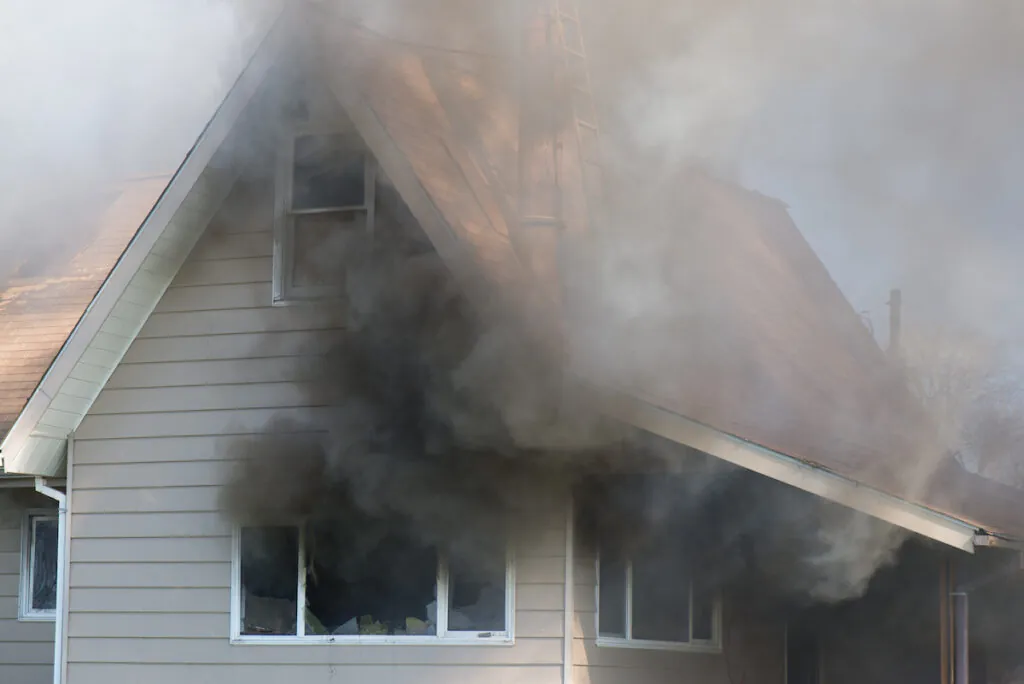
Even after a fire is extinguished, smoke, soot, and odor can continue to affect your home. Fire damage restoration services address visible damage while also helping reduce lingering effects that impact indoor air quality and surfaces.
Explore Our Fire and Smoke Damage Restoration Services
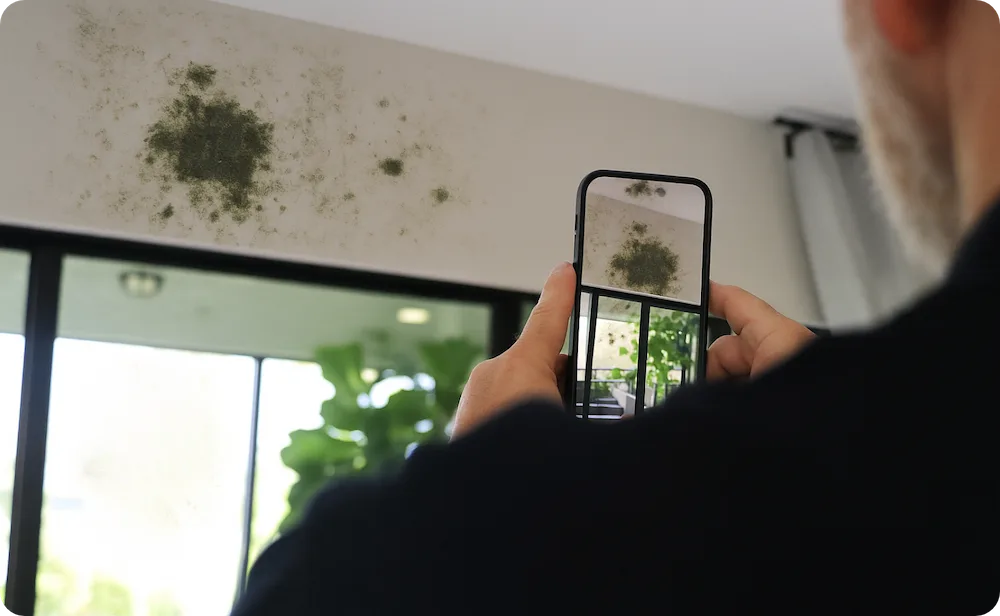
Mold often develops as a result of unresolved moisture or hidden water damage. Professional mold remediation helps identify affected areas, contain growth, and restore healthy indoor conditions.
Explore Our Mold Removal and Remediation Services
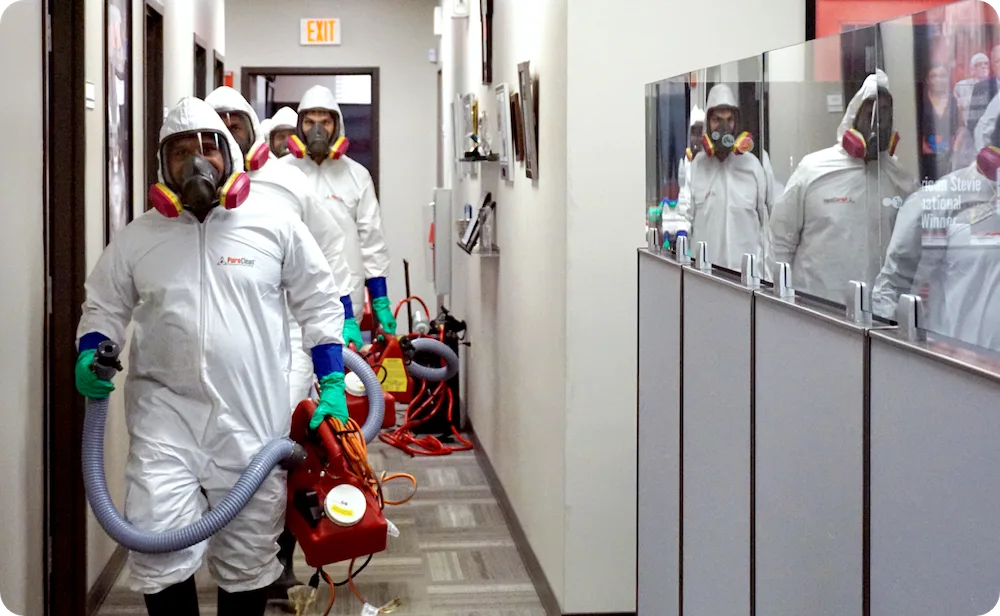
Biohazard situations, including crime scene cleanup and virus decontamination, require specialized cleaning and handling to protect health and safety. Biohazard cleanup services address contamination using proper protocols and professional care.
Explore Our Biohazard Cleanup Services
Commercial damage restoration in Fort Worth helps businesses recover quickly after water damage, fire damage, mold growth, sewage contamination, storm damage, or biohazard events. PuroClean Property Restoration provides fast, professional restoration services for offices, retail spaces, apartments, warehouses, healthcare facilities, schools, and commercial properties throughout Fort Worth and nearby areas.Call Now: (817) 344-7202What Is Commercial Damage Restoration?Common Types of...
Explore Our commercial damage restoration fort worth Services
Commercial biohazard cleanup in Arlington provides safe, professional removal of hazardous materials after incidents involving blood, bodily fluids, sewage contamination, trauma scenes, or other dangerous conditions. These situations require specialized cleaning methods, protective equipment, and strict safety protocols to protect occupants and restore safe conditions.
Explore Our Commercial Biohazard Cleanup Arlington Services
Water damage can result from unexpected leaks, flooding from storms, plumbing failures, or appliance malfunctions. Our certified teams focus on rapid water removal, drying, and stabilization to help prevent further damage and mold growth.
Explore Our Water Damage Mitigation Services

PuroClean Property Restoration
(817) 344-7202
5035 Martin Luther King Jr Fwy, Fort Worth, TX 76119


© 2026 PuroClean. All Rights Reserved.