 PuroClean Disaster Restoration
 Executive Summary
This guide walks you through the critical steps of flood damage cleanup, from initial safety assessments to final restoration. You’ll learn when to call professionals, what to salvage, how to prevent mold growth, and the timeline for getting your life back to normal. Whether you’re dealing with a burst pipe, severe storm damage, or basement flooding, taking the right actions immediately can save thousands in additional damage. For 24/7 emergency flood restoration in Greenfield and surrounding Indianapolis neighborhoods, PuroClean Disaster Restoration is ready to help at (317) 467-4436.
The Johnson Family’s Midnight Crisis: A Greenfield Flood Story
At 2:47 AM on a Tuesday in March, Sarah Johnson woke to a strange sound. Water was cascading down her basement stairs like a waterfall. A severe thunderstorm had overwhelmed the drainage system in their Greenfield neighborhood, and water was pouring through foundation cracks they didn’t know existed.
By morning, three feet of water had filled their finished basement, destroying a home office, their children’s playroom, holiday decorations spanning twenty years, and irreplaceable photo albums. The Johnsons felt paralyzed. Where do you even start?
Sarah’s first instinct was to immediately start moving things. Her husband wanted to turn on the sump pump right away. Both impulses, they later learned, could have made things worse or put them in danger.
Their story teaches us that flood recovery isn’t just about working hard. It’s about working smart, in the right order, with safety first.
What Should I Do Immediately After Discovering Flood Damage?
Your first sixty minutes after discovering flooding are critical. Here’s exactly what to do:
Ensure Personal Safety First
Before you step into any flooded area, stop and assess. Is the water still rising? Can you see electrical outlets or appliances in contact with water? Is there a sewage smell indicating contaminated water?
Never enter a flooded area if water has reached electrical outlets, appliances, or your electrical panel. Standing water conducts electricity, and you cannot see live current. If you have any doubt about electrical safety, stay out and call professionals immediately.
Contact Your Insurance Company
Call your homeowner’s insurance provider as soon as it’s safe to do so. Document everything with photos and videos before you move or remove anything. Most policies require prompt notification, and delays can complicate claims. Ask specifically about flood coverage, as standard homeowner’s policies often exclude flood damage.
Stop the Water Source If Possible
If flooding is from a burst pipe, water heater, or appliance, locate your main water shutoff valve and turn it off. If the source is external flooding from storms or groundwater, this obviously won’t apply, but stopping internal sources prevents additional damage.
Call Professional Restoration Services
Water damage compounds exponentially with time. Mold can begin growing within 24 to 48 hours. Professional restoration teams have industrial equipment and expertise that homeowners simply cannot replicate.
For Greenfield residents and the greater Indianapolis area, PuroClean Disaster Restoration provides 24/7 emergency response. Their teams arrive quickly with commercial grade water extraction equipment, dehumidifiers, and moisture detection tools. Call (317) 467-4436 immediately after ensuring your safety and contacting insurance.
Is It Safe to Enter My Flooded Home?
Safety assessment comes before cleanup. Here’s how to evaluate if entry is safe:
Check for Structural Damage
Look for sagging ceilings, warped floors, cracks in walls, or separation between walls and ceilings. These indicate serious structural compromise. If you see any of these signs, evacuate immediately and contact professionals.
Assess Water Contamination Level
Not all flood water is equal. Clean water from a supply line is Category 1. Gray water from appliances is Category 2. Black water from sewage or external flooding is Category 3 and contains dangerous bacteria, chemicals, and pathogens.
If you’re dealing with Category 2 or 3 water, do not attempt cleanup yourself. The health risks are too severe. Professional restoration teams have proper protective equipment and disposal protocols.
Verify Electrical Safety
If your electrical panel or outlets were submerged, assume the electrical system is compromised. Have a licensed electrician inspect before restoring power. If you must enter before electrical inspection, wear rubber boots and avoid contact with water.
How Do I Remove Standing Water From My Home?
Water extraction is the foundation of flood recovery. The faster you remove water, the less damage occurs.
Small Scale Flooding (Less Than Two Inches)
For minor flooding, wet/dry vacuums can handle extraction. Work systematically from one area to the next, emptying the vacuum frequently. Mop remaining water and use towels for final absorption.
Moderate to Severe Flooding (Over Two Inches)
This requires professional equipment. Commercial extractors remove hundreds of gallons per hour, something household tools cannot achieve. Submersible pumps work for basement flooding, but proper discharge location matters to prevent the water from re-entering your foundation or affecting neighbors.
Why Professional Extraction Matters
Water penetrates everywhere, including underneath flooring, inside walls, and into subfloors. Surface removal isn’t enough. Restoration professionals use moisture meters to detect hidden water and ensure complete extraction. Missing hidden moisture leads to mold, rot, and structural damage that appears months later.
What Should I Remove From the Flooded Area?
Once water is extracted, you’ll need to remove damaged materials. This isn’t just about salvaging belongings, it’s about preventing ongoing damage and contamination.
Remove Porous Materials
Carpet, padding, drywall, insulation, and upholstered furniture absorb water like sponges. If these materials contacted contaminated water or remained wet for over 48 hours, they likely need removal. Drywall wicks water upward, so even if only the bottom two feet flooded, you might need to remove drywall up to four feet high.
Salvageable Items
Hard surfaces like wood furniture, metal, and plastic can often be cleaned and disinfected. Remove these items to a dry area for cleaning. Documents and photos can sometimes be saved through freeze-drying services, especially if they’re important and irreplaceable.
What About Hardwood Floors?
This depends on water exposure time and contamination. Hardwood can often be saved if dried quickly and properly. Cupping (edges higher than centers) sometimes reverses as wood dries. However, if floors buckled, warped severely, or contacted sewage, replacement is usually necessary.
How Do I Dry Out My Home After Flooding?
Drying is the most critical phase and the one homeowners most commonly do inadequately.
The 48 Hour Window
You have approximately 48 hours to dry everything before mold colonization begins. This timeframe is aggressive and difficult to achieve without professional equipment.
Proper Drying Techniques
Open windows and doors only if outside humidity is lower than inside. In humid climates or weather, this actually slows drying. Use fans to create airflow, but point them away from wet areas to prevent mold spores from spreading.
Commercial dehumidifiers remove moisture from the air far more effectively than residential units. Professional restoration teams monitor moisture levels throughout the process using specialized meters, adjusting equipment placement and settings to optimize drying.
Hidden Moisture Detection
This is where professional help becomes invaluable. Moisture hides in wall cavities, under subfloors, and inside structural materials. Without proper detection equipment, you’re guessing. Missed moisture causes mold growth, wood rot, and structural deterioration that can cost tens of thousands to repair later.
When Should I Worry About Mold After a Flood?
The short answer is immediately. Mold prevention starts the moment flooding occurs.
Understanding Mold Growth Timeline
Mold spores exist everywhere. They need three things to colonize: moisture, organic material (like wood or drywall), and time. In optimal conditions, mold begins growing within 24 hours. Visible colonies appear within 48 to 72 hours.
High Risk Areas
Basements, crawl spaces, inside walls, under carpets, and any dark, humid space represents high mold risk. HVAC systems can spread mold throughout your home if ductwork was exposed to flooding.
Professional Mold Remediation
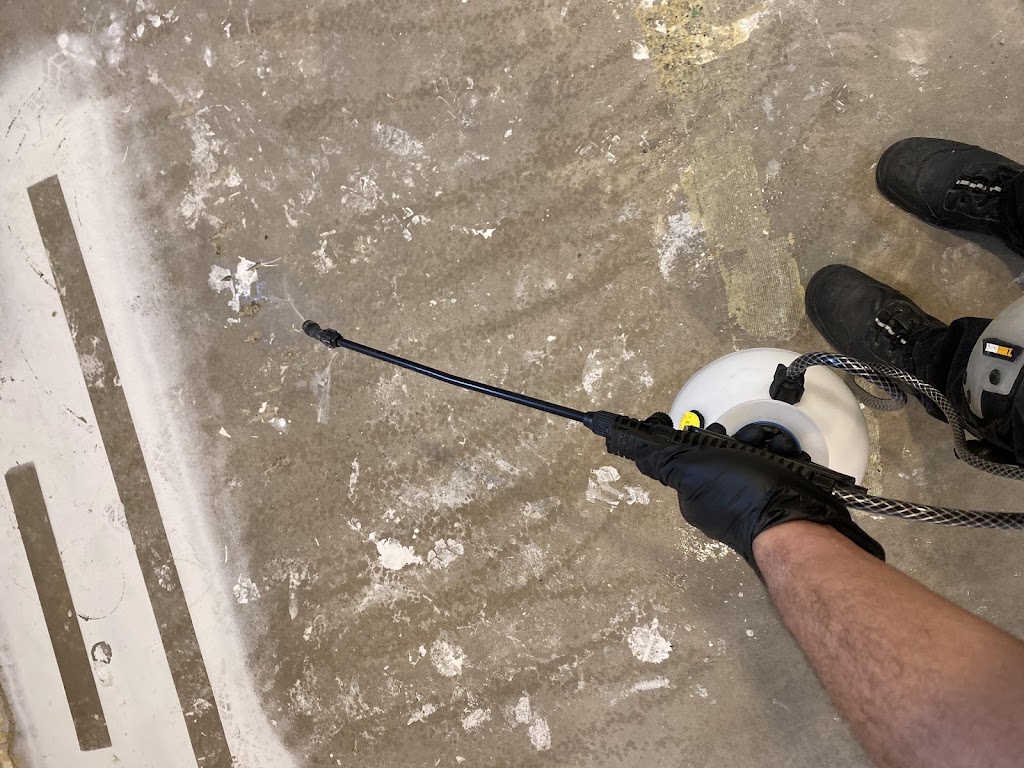
If you see or smell mold, professional remediation is essential. DIY mold removal often spreads spores rather than eliminating them. Proper remediation involves containment, air filtration, removal of contaminated materials, and treatment of affected areas with antimicrobial solutions.
Can I Stay in My Home During Flood Cleanup?
This depends on damage severity and contamination level.
When You Must Evacuate
If flooding involved sewage, chemicals, or extensive structural damage, staying is unsafe. Category 3 water creates serious health hazards. Compromised structures risk collapse. Extensive mold requires containment that makes areas uninhabitable during treatment.
When You Might Stay
Minor flooding confined to basements or single rooms might allow you to stay in unaffected areas. However, industrial drying equipment is loud and runs 24/7. Dehumidifiers, air movers, and extractors make normal life difficult.
Insurance Coverage for Temporary Housing
Many insurance policies cover additional living expenses if your home becomes uninhabitable. Document why you cannot stay and keep all receipts for temporary housing, meals, and related expenses.
What Does Professional Flood Restoration Include?
Understanding what professionals do helps you make informed decisions about DIY versus hiring experts.
Emergency Water Extraction
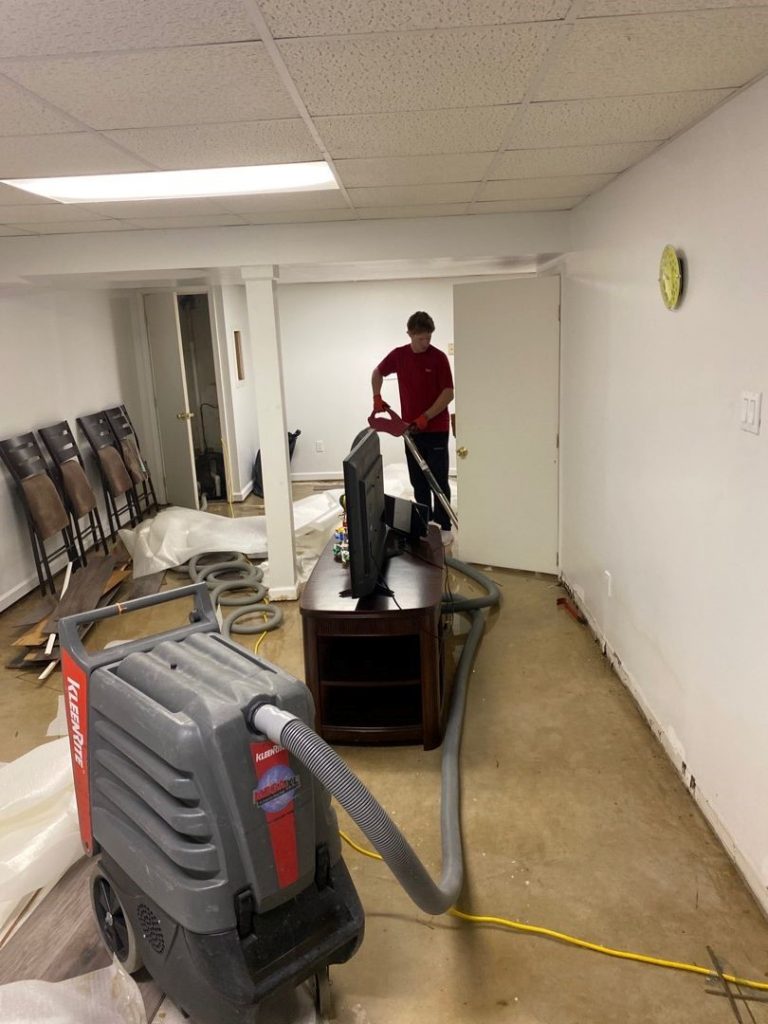
Professional teams arrive with truck-mounted or portable extraction units capable of removing hundreds of gallons per hour. They also have submersible pumps for deep water and specialized tools for extracting water from hardwood floors and other challenging materials.
Moisture Detection and Monitoring
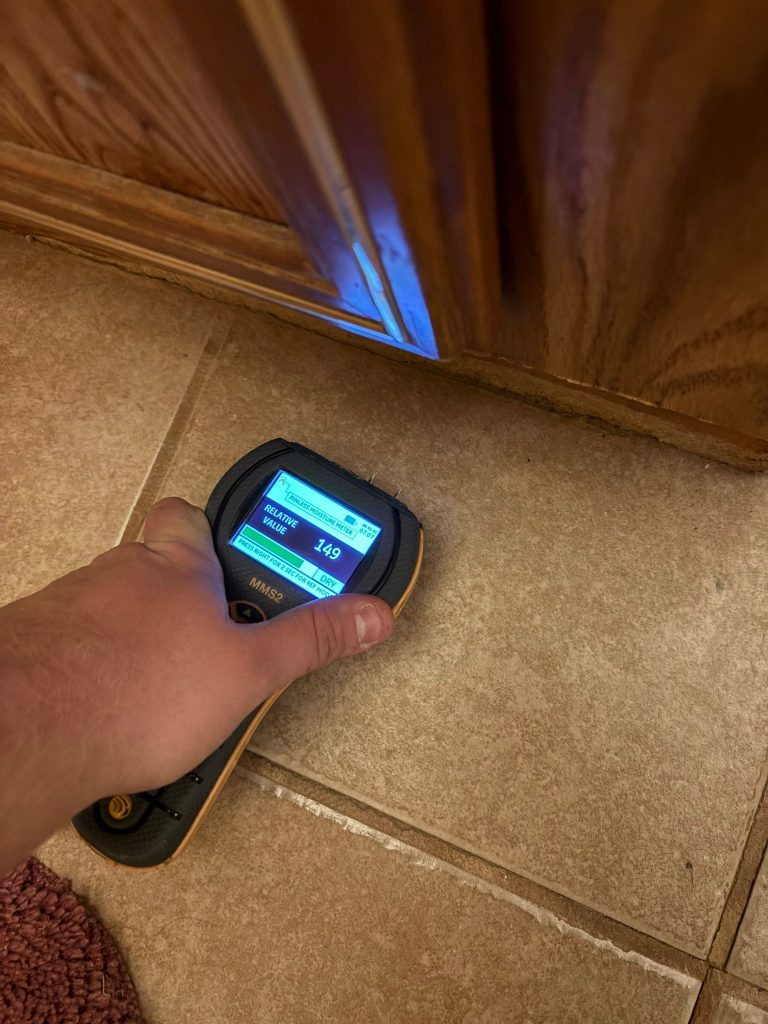
Restoration professionals use infrared cameras, moisture meters, and hygrometers to map moisture throughout your home. They monitor daily, adjusting equipment until moisture levels return to normal ranges.
Structural Drying
This involves strategic placement of commercial dehumidifiers and air movers. Professionals understand airflow patterns, vapor pressure, and the physics of drying, ensuring efficient and complete moisture removal.
Contents Pack Out and Storage
For extensive damage, restoration companies can inventory, pack, and store your belongings in climate-controlled facilities while restoration occurs. Items are cleaned, deodorized, and returned after restoration completes.
Reconstruction Services
After drying, damaged materials need replacement. Full-service restoration companies handle everything from drywall and flooring to painting and finishing, returning your home to pre-loss condition.
How Long Does Flood Damage Restoration Take?
Timeline expectations help you plan, but every situation differs.
Minor Flooding (One Room, Clean Water)
Extraction and drying: 3 to 5 days Repairs and reconstruction: 1 to 2 weeks Total timeline: 2 to 3 weeks
Moderate Flooding (Multiple Rooms or Basement)
Extraction and drying: 5 to 7 days Repairs and reconstruction: 2 to 4 weeks Total timeline: 3 to 5 weeks
Severe Flooding (Whole Home or Contaminated Water)
Extraction and drying: 7 to 14 days Repairs and reconstruction: 4 to 8 weeks Total timeline: 6 to 12 weeks
Factors That Extend Timelines
Insurance claim processing, material availability, extent of hidden damage discovered during restoration, and mold remediation all affect timelines. Weather conditions impact drying times, especially high humidity.
What Mistakes Do Homeowners Make During Flood Cleanup?
Learning from common errors saves money and prevents additional damage.
Waiting Too Long to Start
Every hour matters. Delayed response allows water to penetrate deeper, increases mold risk, and causes more structural damage. The Johnsons lost an additional week of recovery time because they spent two days debating whether they needed professional help.
Using Household Fans Alone
Box fans don’t create enough airflow for proper drying and can actually spread mold spores if mold has begun growing. Commercial air movers are designed specifically for structural drying.
Forgetting About Hidden Spaces
Water travels. It flows through walls, under floors, and into crawl spaces. Addressing only visible damage while ignoring hidden moisture creates massive problems months later.
Attempting to Dry Contaminated Materials
Anything contacted by sewage or significantly contaminated water should be removed, not dried and saved. The health risks aren’t worth the cost savings.
Not Documenting Everything
Take photos and videos of everything before, during, and after cleanup. Document all expenses. Insurance claims require extensive documentation, and memory fails under stress.
How Much Does Flood Damage Restoration Cost?
Understanding cost helps with planning and insurance claims.
Cost Factors
Water volume, contamination level, affected square footage, materials damaged, and restoration timeline all impact costs. Labor, equipment rental, and materials compose the bulk of expenses.
Typical Cost Ranges
Minor cleanup (single room): $1,000 to $4,000 Moderate damage (basement or multiple rooms): $4,000 to $10,000 Extensive damage (whole home): $10,000 to $50,000+
Sewage cleanup costs 20 to 30 percent more than clean water due to contamination protocols.
Insurance Coverage
Standard homeowner’s policies often cover water damage from internal sources like burst pipes but exclude flooding from external water sources. Separate flood insurance covers external flooding. Understanding your coverage before disaster strikes is critical.
Why Costs Vary
Every flood situation is unique. Two homes with similar square footage might have vastly different restoration costs based on construction type, water contamination, how quickly response occurred, and extent of contents damage.
How Can I Prevent Future Flood Damage?
Prevention is always cheaper than restoration.
Foundation and Drainage Improvements
Ensure proper grading directs water away from your foundation. Install or upgrade sump pumps with battery backup. Seal foundation cracks and improve basement waterproofing. Clean gutters and downspouts regularly, extending downspouts at least six feet from your foundation.
Plumbing Maintenance
Replace old supply lines, especially rubber washing machine hoses. Install water sensors near water heaters, washing machines, and under sinks. Consider whole-house water shut-off systems that detect leaks and automatically shut off water supply.
Appliance Upgrades
Replace aging water heaters before they fail. Install drain pans under water heaters and washing machines. Upgrade to flood-resistant materials in basements and lower levels.
Emergency Preparedness
Know where your water main shutoff is located and ensure all family members can operate it. Keep emergency contact numbers accessible, including restoration professionals. Maintain updated home inventory and photos for insurance purposes.
Why Choose Professional Restoration Over DIY?
This question matters because the decision significantly impacts outcomes.
Equipment Differences
Professional extraction equipment removes 10 to 20 times more water than shop vacuums. Commercial dehumidifiers process hundreds of pints per day versus 30 to 50 pints for residential units. Thermal imaging cameras detect moisture homeowners cannot see.
Expertise and Training
Certified restoration technicians understand water behavior, drying science, microbial contamination, and structural concerns. They know which materials can be saved and which require removal. They understand insurance documentation requirements.
Time and Stress
Flood cleanup is physically and emotionally exhausting. Professionals handle the heavy lifting, both literally and figuratively, while you focus on your family and other disaster recovery aspects.
Insurance Relationships
Restoration companies work with insurance companies daily. They understand documentation requirements, can advocate on your behalf, and often direct bill insurance to minimize your out-of-pocket expenses.
Guaranteed Results
Professional restoration comes with guarantees and accountability. If moisture remains and causes problems later, they’re responsible. DIY leaves you exposed to risks you might not discover until long after.
What Should Greenfield Residents Know About Local Flood Risks?
Understanding your specific risks helps with prevention and preparedness.
Greenfield’s Flooding Patterns
Located in Hancock County, Greenfield experiences flooding primarily from severe thunderstorms, rapid snowmelt, and drainage system overwhelm. The area’s relatively flat terrain can create drainage challenges, and older neighborhoods may have aging infrastructure.
Seasonal Considerations
Spring brings the highest flood risk with heavy rains and snowmelt. Summer thunderstorms can drop inches of rain in hours. Fall and winter see fewer floods but frozen ground prevents water absorption, creating runoff issues.
Local Building Codes
Greenfield follows Indiana building codes, but homes built before certain code updates might lack modern flood protections. If you’re buying property, flood history and drainage improvements should factor into decisions.
Frequently Asked Questions
How quickly can restoration teams respond to flood emergencies?
Emergency restoration services typically respond within 1 to 4 hours for urgent situations. PuroClean Disaster Restoration offers 24/7 emergency service throughout Greenfield and Indianapolis. Time-critical situations like active flooding or sewage backups receive priority response. Call (317) 467-4436 any time, day or night.
Will my homeowner’s insurance cover flood damage?
This depends on the water source. Homeowner’s policies typically cover internal water damage from burst pipes, appliance failures, and roof leaks. External flooding from storms, rivers, or groundwater usually requires separate flood insurance. Review your policy and contact your insurance agent for clarification on your specific coverage.
Can I remove wet drywall myself?
You can physically remove it, but should you? Wet drywall can harbor mold and might indicate moisture in wall cavities requiring professional drying. If water was contaminated, proper disposal protocols apply. For small areas with clean water, DIY removal is possible. For anything larger or contaminated, professional removal ensures proper handling and disposal.
How do I know if all the moisture is gone?
Without moisture meters, you’re guessing. Moisture can hide in subfloors, wall cavities, and structural materials where you cannot see or feel it. Professional restoration teams use moisture meters to measure actual moisture content, comparing readings to established dry standards. They continue monitoring until readings confirm complete drying.
What health risks come from flood water?
Clean water poses minimal health risks beyond slips and electrical hazards. Gray water contains bacteria and chemicals. Black water carries sewage, pathogens, pesticides, and serious health threats. Even clean water becomes contaminated within hours as it contacts building materials. Skin contact, ingestion, or inhalation of contaminated water can cause serious illness. Always treat flood water as potentially contaminated.
Should I use bleach to clean after flooding?
Bleach kills surface bacteria but doesn’t penetrate porous materials where microbes hide. It’s also dangerous when mixed with other chemicals and creates toxic fumes. Professional restoration uses EPA-registered antimicrobials designed for flood cleanup. If you must clean yourself with bleach, use proper dilution (one cup per gallon of water), ensure ventilation, wear gloves, and never mix with other cleaners.
How long until mold starts growing after a flood?
Mold spores can begin germinating within 24 hours in ideal conditions. Visible mold colonies typically appear within 48 to 72 hours. Temperature and humidity affect growth rates. This aggressive timeline is why immediate drying is critical. Prevention is infinitely easier than remediation.
Can hardwood floors be saved after flooding?
Sometimes, but it depends on several factors. Flooding duration, water contamination, wood type, and how quickly drying begins all matter. Solid hardwood has better survival odds than engineered. Professional assessment within the first 24 hours maximizes saving potential. Some cupping and buckling reverses as wood dries, but severe damage requires replacement.
What’s the difference between water damage restoration and mold remediation?
Water damage restoration focuses on removing water, drying structures, and repairing damage. Mold remediation specifically addresses mold growth through containment, removal, treatment, and prevention. Extensive flooding often requires both services. Proper water restoration prevents mold, but if mold establishes, separate remediation becomes necessary.
Do I need to move out during flood restoration?
This depends on damage extent and contamination level. Minor flooding confined to one area might allow you to stay in other parts of your home. Extensive damage, sewage contamination, or necessary mold remediation often requires temporary relocation. Insurance may cover additional living expenses. Safety and health should guide the decision.
Conclusion
Flood damage feels overwhelming, but systematic response makes recovery manageable. The Johnson family learned that professional help isn’t an expense, it’s an investment in proper recovery. Their initial hesitation cost them time, increased their restoration expenses, and extended their recovery timeline.
Your home is likely your largest investment. Protecting that investment during crisis requires swift, informed action. Safety comes first, followed immediately by water extraction and drying. Hidden moisture causes long-term problems, making professional detection and drying valuable.
For Greenfield residents and the surrounding Indianapolis area, help is available 24 hours a day. PuroClean Disaster Restoration brings certified technicians, commercial equipment, and years of experience to every flood recovery situation. They handle everything from emergency water extraction through final reconstruction, working directly with insurance companies to streamline claims.
Don’t wait. Water damage compounds by the hour. Whether you’re currently facing flooding or want to establish a relationship before emergency strikes, PuroClean Disaster Restoration is ready to help. Call (317) 467-4436 now for immediate flood restoration assistance in Greenfield and throughout the Indianapolis area. Their team will assess your situation, provide honest guidance, and begin recovery immediately.
Your home can be restored. Your life can return to normal. But it starts with that first call for professional help.
 PuroClean Disaster Restoration