


Executive Summary
When a severe storm strikes Greenfield, Indianapolis, the first 24-48 hours determine whether your property damage stays manageable or escalates into a costly disaster. This comprehensive guide walks you through the critical steps homeowners must take immediately after storm damage, from ensuring safety to documenting destruction for insurance claims. You’ll learn how to protect your property from secondary damage, when to call professionals, and what mistakes could jeopardize your coverage. Whether dealing with roof damage, flooding, or broken windows, this checklist ensures you take the right actions at the right time.
The wind had finally stopped howling. Sarah Mitchell stood in her Greenfield living room, staring at the water pooling around her feet. The storm had ripped shingles from her roof, and rain had poured through the attic for three hours before she even noticed. Her first instinct was to grab towels and start soaking up water. But that decision, made in panic, would later cost her thousands in mold remediation that her insurance refused to cover because she hadn’t properly documented the initial damage.
Sarah’s story isn’t unique. Every year, homeowners across Indianapolis make critical mistakes in those chaotic first hours after a storm, mistakes that turn manageable repairs into financial nightmares.
What should I do in the first 30 minutes after storm damage?
Your immediate priority is safety, not salvage. Before you even think about assessing damage, ensure your family is out of harm’s way.
Check for these immediate dangers first. Look up at your ceilings for sagging or bowing, which signals water accumulation that could collapse. Listen for hissing sounds that might indicate a gas leak. Smell for gas odors, and if detected, evacuate immediately and call 911 from outside. Avoid standing water inside your home, as it may be electrically charged if wiring is compromised.
If you smell gas or see sparking, leave your home immediately. Don’t flip light switches or use electronics. Once outside and safe, call your utility company and emergency services.
Turn off electricity at the main breaker if you can reach it safely without walking through water. If your breaker box is in a flooded area, wait for professionals. Shut off your water main if you notice pipe damage or contamination concerns.
Take initial photos from your phone while standing in safe, dry areas. Capture wide shots showing the scope of damage before touching anything. These images will become crucial evidence.
How do I properly document storm damage for insurance?
Insurance companies deny thousands of claims annually due to insufficient documentation. Your phone becomes your most valuable tool in securing full coverage.
Start outside your home before the weather clears. Photograph your roof from multiple angles, capturing missing shingles, damaged flashing, and gutter destruction. Document your yard, including downed trees, damaged fencing, and scattered debris. Take pictures of your neighbor’s properties too, as this establishes the storm’s severity in your area.
Move systematically through your home, room by room. Photograph every affected area from multiple angles. Capture close-ups of specific damage and wide shots showing the full extent. Document water stains on ceilings, walls, and floors. Photograph damaged furniture, electronics, and personal belongings before moving them.
Video walkthroughs add context that photos cannot capture. Speak into your phone as you film, narrating what you’re seeing, describing sounds like dripping water, and explaining the timeline of events. Mention the date and approximate time the damage occurred.
Create a detailed written inventory immediately. List every damaged item with its approximate age, purchase price, and current condition. Include model numbers for appliances and electronics. Save receipts if you have them, but don’t delay documentation if you cannot locate paperwork.
Contact your insurance company within 24 hours. Most policies require prompt notification. Ask specifically what documentation they need and how they want it submitted. Request a claim number and the name of your adjuster. Follow up with an email confirming your conversation.
When should I call emergency storm damage restoration professionals?
Some situations require immediate professional intervention, while others can wait for regular business hours. Understanding this distinction protects both your property and your wallet.
Call emergency restoration services immediately if you have active water intrusion. Every hour water sits in your home multiplies mold risk exponentially. Greenfield’s humid climate accelerates this growth, making speed critical.
Structural compromise demands immediate attention. If you notice sagging ceilings, bowing walls, or floors that feel spongy underfoot, evacuate affected areas and call professionals. These conditions can deteriorate rapidly.
Roof damage that exposes your home’s interior cannot wait. Even if rain has stopped, your home remains vulnerable to the next weather event. Emergency tarping services prevent additional damage while permanent repairs are scheduled.
Sewage backup requires specialized equipment and expertise. This contaminated water poses serious health risks and spreads bacteria throughout your home. Never attempt cleanup yourself.
Electrical hazards including exposed wiring, burning smells, or repeated circuit breaker trips require immediate professional assessment. The combination of water and electricity creates life-threatening situations.
For Greenfield and Indianapolis area residents, PuroClean Disaster Restoration responds 24/7 to these emergency situations. Their certified technicians arrive equipped to stabilize your property, prevent secondary damage, and begin the restoration process immediately.
What temporary repairs can I safely make myself?
While waiting for professional help, you can take specific actions to prevent additional damage. However, knowing your limits protects you from injury and preserves your insurance coverage.
Tarp exposed roof areas if you can access them safely from inside your attic. Never climb on a damaged roof, especially while wet. Use heavy-duty tarps and secure them to prevent wind uplift. If you cannot access the damaged area safely, wait for professionals.
Place buckets under active leaks and empty them regularly. Set up a rotation system if you have multiple leaks. Position towels around bucket bases to catch splashes and prevent floor damage.
Move furniture and belongings away from affected areas. Elevate items on blocks if flooding threatens. Remove area rugs and take them outside to dry. Get upholstered furniture out of wet areas quickly, as mold grows rapidly in fabric.
Open windows and doors if weather permits to increase airflow. This reduces humidity and slows mold growth. Point fans toward wet areas, but only if no electrical hazards exist.
Remove standing water with a wet-dry vacuum if you own one. Work systematically from the furthest point toward your exit. Never use a regular household vacuum on water.
Document every temporary repair you make with photos. Save receipts for all materials purchased. Insurance companies typically reimburse reasonable emergency measures.
What mistakes make storm damage worse?
Well-intentioned homeowners often create additional problems while trying to help. Avoiding these common errors saves money and preserves your insurance claim.
Never delay calling your insurance company, thinking you’ll get estimates first. Policies typically require prompt notification, and delays can result in claim denials. Call within 24 hours regardless of damage extent.
Don’t throw away damaged items before your adjuster sees them. Insurance companies need to verify losses. Bag and label items if they pose health risks, but keep them available for inspection.
Avoid making permanent repairs before your adjuster approves them. Take emergency measures to prevent additional damage, but wait for approval before replacing roofs, flooring, or major systems. Unapproved repairs may not be covered.
Never sign contracts with storm-chasing contractors who knock on your door immediately after severe weather. These operators often provide substandard work, demand large upfront payments, and disappear when problems arise. Verify licensing, insurance, and local references before hiring anyone.
Don’t underestimate hidden damage. Water travels through walls, into insulation, and beneath flooring. What looks like a small ceiling stain might indicate extensive hidden destruction. Professional assessment with moisture meters reveals the true extent.
Failing to address humidity and moisture leads to mold growth within 24 to 48 hours. Even if standing water is removed, elevated moisture in building materials creates ideal mold conditions. Professional drying equipment is often necessary.
How long does storm damage restoration take?
Timeline expectations help you plan alternative housing and set realistic goals. Every situation varies based on damage extent, but general patterns exist.
Minor repairs like replacing a few shingles or drying limited water damage might complete within a week. Your home remains habitable during these repairs in most cases.
Moderate damage involving partial roof replacement, significant water extraction, or multiple affected rooms typically requires two to four weeks. You might need temporary relocation depending on which areas are affected.
Major restoration after severe storms can extend months. Complete roof replacement, structural repairs, mold remediation, and full interior restoration involve multiple phases. Each phase must complete and pass inspection before the next begins.
Insurance claim processing impacts your timeline significantly. Some adjusters inspect within days, while others take weeks during busy storm seasons. Restoration cannot fully proceed until your claim is approved and scope is agreed upon.
Material availability affects scheduling. After widespread storms, roofing materials, drywall, and specialized components face shortages. Ordering and delivery can extend timelines beyond normal expectations.
What does professional storm damage restoration include?
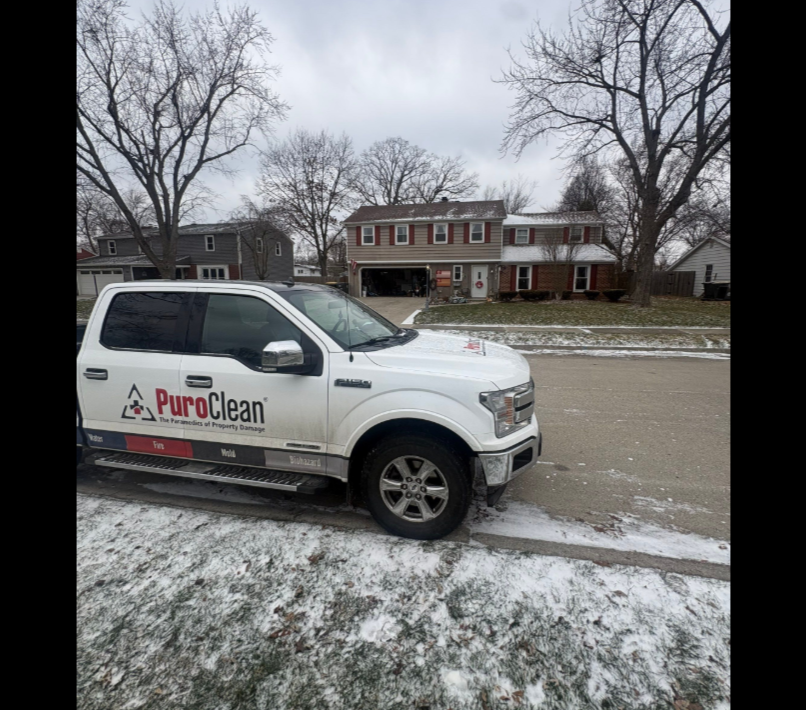
Understanding the complete restoration process helps you evaluate contractors and know what to expect. Comprehensive restoration involves multiple specialized phases.
Emergency services begin with property stabilization. Professionals tarp damaged roofs, board broken windows, and establish security measures. They extract standing water and position industrial dehumidifiers and air movers to begin drying.
Damage assessment uses specialized equipment including moisture meters, thermal imaging cameras, and hygrometers. Technicians map affected areas, identify hidden moisture, and create detailed documentation for insurance purposes.
Water extraction and drying continues until moisture readings return to normal levels. This process typically takes three to five days but varies based on materials affected and damage extent. Professionals monitor progress with daily readings.
Content cleaning and restoration addresses your belongings. Specialized techniques clean and restore furniture, electronics, documents, and personal items. Items beyond restoration receive detailed documentation for insurance claims.
Structural repairs begin once drying completes. Damaged drywall, insulation, flooring, and framing receive replacement or repair. Roofing work proceeds according to weather conditions and material availability.
Final restoration returns your home to pre-loss condition. This includes painting, trim work, fixture installation, and final cleaning. Quality contractors perform final walkthroughs to ensure your satisfaction.
How can I prepare for the next storm?
Prevention and preparation significantly reduce storm damage and speed recovery when severe weather strikes. Small investments in readiness pay enormous dividends.
Trim trees regularly, especially branches overhanging your roof or near power lines. Dead or diseased trees should be removed entirely. Schedule professional tree services before storm season.
Inspect your roof annually. Look for missing, cracked, or curling shingles. Check flashing around chimneys, vents, and skylights. Address small problems before they become major failures during storms.
Clean gutters and downspouts quarterly. Clogged gutters cause water to back up under shingles and overflow onto siding and foundations. Ensure downspouts direct water at least six feet from your foundation.
Seal windows and doors properly. Replace worn weatherstripping and caulk gaps. Consider impact-resistant windows if you live in a high-wind area.
Maintain an emergency supply kit including flashlights, batteries, first aid supplies, bottled water, and non-perishable food. Include important documents in waterproof containers.
Create a home inventory before disaster strikes. Photograph every room and document valuables. Store this documentation in cloud storage or off-site. Update it annually.
Know your insurance coverage limits and exclusions. Review your policy yearly and increase coverage if needed. Understand what flood insurance covers versus standard homeowners policies.
Establish a relationship with qualified restoration professionals before you need them. Having trusted contacts saves precious time during emergencies. Keep PuroClean Disaster Restoration’s number saved in your phone.
What questions should I ask storm restoration contractors?
Choosing the right restoration partner determines whether your experience is smooth or nightmarish. These critical questions separate qualified professionals from opportunists.
Are you licensed and insured for restoration work in Indiana? Request proof of both general liability and workers compensation insurance. Verify licenses through state databases.
How long have you been in business locally? Established companies with local roots provide accountability. Check online reviews and Better Business Bureau ratings.
Do you have experience working with my insurance company? Contractors familiar with your insurer’s processes streamline claims and reduce conflicts.
Will you provide a detailed written estimate? Avoid contractors offering only verbal quotes. Written estimates should break down labor, materials, and timeline.
What certifications do your technicians hold? Look for IICRC certification in water damage restoration and other relevant specialties. Certification indicates proper training and industry standards knowledge.
Do you offer 24/7 emergency service? Storm damage doesn’t respect business hours. True emergency restoration companies respond any time.
Can you provide local references? Speaking with recent customers reveals contractor reliability and quality. Ask references about communication, timeline accuracy, and final results.
What equipment do you use for drying and restoration? Professional-grade dehumidifiers, air movers, and moisture detection equipment indicate serious capabilities.
Who do I call for immediate storm damage help in Greenfield?
When storm damage strikes your Greenfield or Indianapolis area home, every minute matters. Professional response within the first few hours dramatically reduces total damage and restoration costs.
PuroClean Disaster Restoration specializes in emergency storm response throughout the Indianapolis metro area. Their certified technicians understand Indiana weather patterns and the unique challenges Greenfield homeowners face.
Available 24 hours a day, seven days a week, their rapid response team arrives equipped to handle any storm damage scenario. From emergency roof tarping to complete water extraction and structural drying, they provide comprehensive solutions.
Their insurance expertise streamlines your claim process. PuroClean works directly with adjusters, provides detailed documentation, and advocates for complete coverage. This removes significant stress during an already difficult time.
Don’t wait for minor damage to become a major disaster. Don’t risk inadequate drying leading to mold growth. Don’t navigate insurance complexities alone.
Call PuroClean Disaster Restoration now at (317) 467-4436 for immediate damage assessment and emergency services. Their local team serves Greenfield and surrounding Indianapolis neighborhoods with fast, professional restoration that gets your life back to normal.
Frequently Asked Questions
Will my insurance cover storm damage repairs?
Most homeowners insurance policies cover storm damage including wind, hail, and rain that enters through storm-created openings. However, coverage excludes flood damage, which requires separate flood insurance. Your policy’s actual cash value versus replacement cost provision significantly impacts payout amounts. Document everything thoroughly and report claims promptly to maximize coverage.
How quickly does mold grow after water damage?
Mold begins growing within 24 to 48 hours in moisture-rich environments. Greenfield’s humidity accelerates this timeline. Visible mold indicates extensive hidden growth, as what you see represents only a fraction of total contamination. Professional drying within the first day prevents most mold issues.
Can I stay in my home during storm damage restoration?
This depends on damage extent and affected areas. Minor repairs in one room while other areas remain unaffected allow continued occupancy. Extensive water damage, mold contamination, or structural compromise may require temporary relocation. Your restoration contractor and insurance adjuster help determine safety.
What if my roof is still leaking when restoration contractors arrive?
Emergency restoration includes immediate leak mitigation. Professionals tarp damaged areas, contain water intrusion, and begin extraction before addressing permanent repairs. This multi-phase approach prevents additional damage while organizing comprehensive restoration.
How do I handle disagreements with my insurance adjuster about damage extent?
Document everything extensively with photos and professional assessments. Request a second inspection if you believe initial assessment missed damage. Your policy likely includes an appraisal clause allowing independent evaluation. Experienced restoration contractors often help identify overlooked damage and provide detailed estimates supporting your claim.
Should I accept my insurance company’s recommended contractor?
You have the legal right to choose your own contractor. While insurer-recommended contractors may streamline certain processes, they work within insurer-preferred cost structures. Independent contractors you select work for you, not your insurance company. Choose based on qualifications, reputation, and your comfort level.
Conclusion
Storm damage creates chaos, but systematic response transforms disaster into manageable recovery. The checklist provided here gives you a clear path forward, from those critical first safety checks through complete restoration.
Remember Sarah Mitchell from the beginning of this article? After her initial mistakes, she hired PuroClean Disaster Restoration for professional remediation. While she paid out of pocket for damage her insurance didn’t cover due to documentation failures, she learned valuable lessons. When another storm damaged her home two years later, she knew exactly what to do. She documented everything, called professionals immediately, and her insurance covered the entire claim. Her second experience cost thousands less and created far less stress.
Your preparation today determines your experience tomorrow. Save this checklist. Store emergency contacts in your phone. Take preventive measures now.
When the next storm strikes Greenfield, you won’t panic. You’ll act systematically, protect your property, preserve your insurance claim, and restore your home quickly. And you’ll have PuroClean Disaster Restoration standing ready to help at any hour.
For 24/7 emergency storm damage restoration in Greenfield and Indianapolis, call PuroClean Disaster Restoration at (317) 467-4436. Don’t let storm damage become a catastrophe. Professional help is just one phone call away.