 PuroClean Disaster Restoration
 Executive Summary
Trauma cleanup and standard cleaning are fundamentally different services that should never be confused. While standard cleaning addresses everyday dirt and grime, trauma cleanup involves the safe removal of biohazardous materials like blood, bodily fluids, and infectious pathogens following traumatic events. This article explores the critical health, safety, and legal differences between these services, explaining why professional biohazard remediation requires specialized training, equipment, and certification that standard cleaning companies simply don’t possess.
What Actually Separates Trauma Cleanup From Regular Cleaning Services?
The difference between trauma cleanup and standard cleaning isn’t just about the severity of the mess. It’s about life-threatening health risks, legal compliance, and specialized knowledge that takes years to develop.
Standard cleaning services handle visible dirt, dust, and everyday messes. Trauma cleanup specialists deal with potentially deadly pathogens, hazardous materials, and scenes that can permanently damage property if handled incorrectly. These professionals follow strict protocols established by OSHA, the EPA, and state health departments.
Why Can’t Regular Cleaning Companies Handle Trauma Scenes?
Regular cleaning companies lack three critical components needed for trauma cleanup: specialized training, proper equipment, and legal certification.
Professional trauma cleanup technicians complete bloodborne pathogen training, biohazard waste disposal certification, and ongoing education about infectious disease transmission. They understand how hepatitis, HIV, MRSA, and other pathogens survive on surfaces and how to eliminate them completely.
Standard cleaning crews don’t carry hospital-grade disinfectants, personal protective equipment rated for biohazard work, or specialized tools for detecting hidden contamination. They also lack the proper licensing to transport and dispose of medical waste, which is a federal requirement.
What Health Risks Exist When Trauma Scenes Aren’t Properly Cleaned?
Improperly cleaned trauma scenes can expose people to life-threatening infections for months or even years after the incident.
Blood can seep into porous materials like wood, concrete, and drywall, creating hidden reservoirs of pathogens. These materials may look clean on the surface while harboring dangerous microorganisms underneath. Airborne pathogens can also spread through HVAC systems if not properly contained during cleanup.
Common health risks include hepatitis B and C (which can survive on surfaces for up to a week), HIV, tuberculosis, MRSA, C. difficile, and various respiratory infections. Family members, tenants, or future occupants can become seriously ill from exposure to inadequately cleaned scenes.
The Story of a Greenfield Family’s Near-Miss
Last year, a Greenfield family experienced a medical emergency in their home that left biological materials on their bathroom floor and hallway. Overwhelmed and unsure what to do, they initially tried cleaning it themselves with household bleach and paper towels.
Within hours, the father developed a severe respiratory reaction. He hadn’t realized that mixing bleach with other biological materials could create toxic fumes. The family also didn’t know that blood had seeped through their bathroom grout and under the baseboard trim.
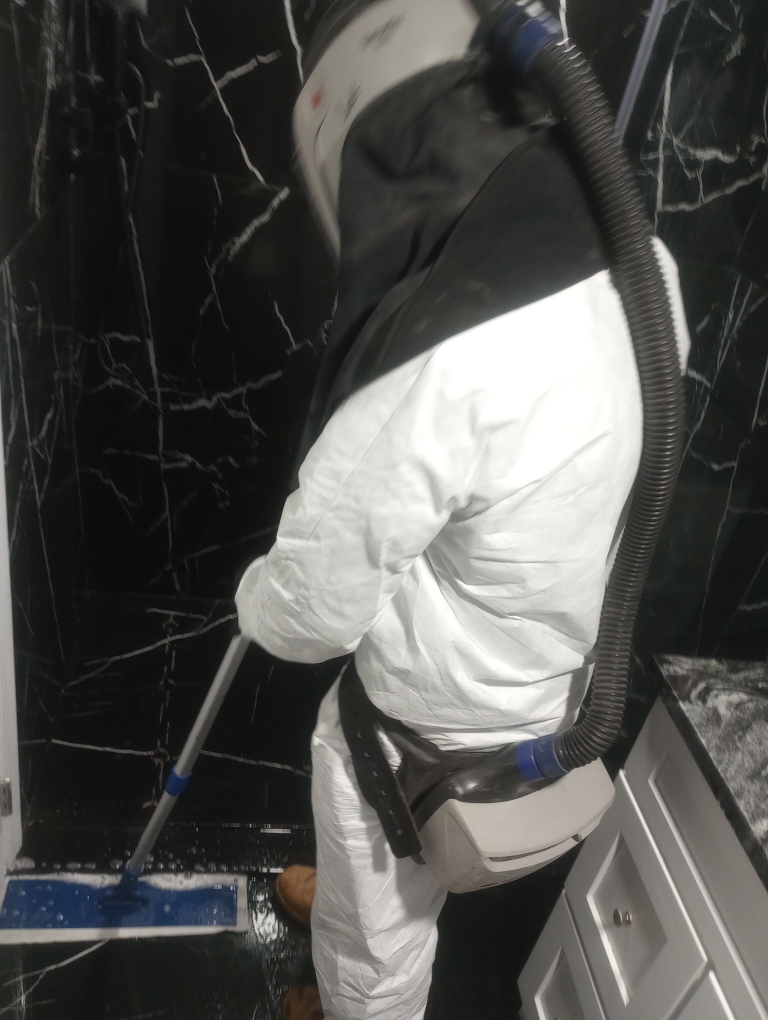
After his emergency room visit, a doctor recommended they contact professional trauma cleanup specialists. PuroClean Disaster Restoration arrived within two hours, properly assessed the contamination spread, and discovered biological material in areas the family hadn’t even touched. The technicians wore full protective gear, used enzyme-based cleaners specifically designed for biohazard removal, and properly disposed of contaminated materials according to Indiana state regulations.
The family later learned that their homeowner’s insurance covered the professional cleanup costs. More importantly, they avoided potential long-term health consequences from incomplete remediation. The father’s respiratory issues resolved completely once professionals removed all contaminated materials and properly sanitized the space.
How Do Professional Trauma Cleanup Teams Approach Contaminated Scenes?
Professional trauma cleanup follows a systematic protocol that standard cleaning cannot replicate.
First, technicians conduct a thorough assessment to identify all contaminated areas, including hidden contamination. They use specialized lighting and testing to detect blood and bodily fluids invisible to the naked eye.
Next, they establish containment zones to prevent cross-contamination to clean areas. This involves sealing off HVAC vents, creating negative air pressure if needed, and establishing decontamination corridors.
The actual cleaning process uses hospital-grade disinfectants proven effective against bloodborne pathogens. Technicians remove and properly dispose of porous materials that cannot be adequately disinfected, such as carpeting, drywall, or insulation that has absorbed biological materials.
Finally, they conduct verification testing to confirm complete decontamination before releasing the space back to the property owner.
What Equipment Do Trauma Cleanup Professionals Use That Standard Cleaners Don’t?
The equipment gap between standard cleaning and trauma cleanup is substantial.
Professional biohazard teams use personal protective equipment including respirators rated for biological hazards, full-body suits, multiple layers of gloves, and protective eyewear. Standard cleaners typically wear basic gloves and maybe safety glasses.
Specialized cleaning agents include enzyme digesters that break down proteins in blood and tissue, hospital-grade disinfectants effective against specific pathogens, and odor neutralizers designed for decomposition smells. Regular cleaning products cannot achieve the same level of disinfection.
Detection equipment includes ATP meters for measuring biological contamination levels, UV lights for finding hidden blood spatter, and moisture meters for identifying contamination in porous materials. Standard cleaning companies don’t own or know how to use this equipment.
When Should You Call Professionals Instead of Attempting Cleanup Yourself?
Any situation involving blood, bodily fluids, or biological materials requires professional trauma cleanup.
Specific scenarios include unattended deaths, suicides, homicides, accidents with significant blood loss, sewage backups, hoarding situations with biological contamination, animal waste or remains, and infectious disease cleanup.
Even if the affected area seems small, professional assessment is crucial. What appears to be a minor incident may have widespread contamination that isn’t visible without proper detection equipment.
What Legal Requirements Govern Trauma Scene Cleanup in Indiana?
Indiana law classifies biological waste as regulated medical waste, subject to specific handling, transportation, and disposal requirements.
Only licensed professionals can legally transport biohazardous materials to approved disposal facilities. Homeowners or standard cleaning companies who dispose of trauma scene waste in regular trash violate state and federal regulations, potentially facing significant fines.
Property owners also have liability concerns. If someone becomes ill from exposure to inadequately cleaned biological contamination, the property owner may face legal consequences, especially in rental properties or commercial spaces.
How Does Trauma Cleanup Protect Property Value and Future Occupants?
Proper trauma cleanup protects both immediate health and long-term property value.
Real estate disclosure laws in Indiana require sellers to inform buyers about deaths or traumatic events that occurred on the property. However, if professional cleanup and restoration occurred, this can significantly reduce the stigma and potential value impact.
Documentation from certified trauma cleanup companies provides proof that the property was properly remediated according to health and safety standards. This documentation can be crucial for insurance claims, property sales, and liability protection.
What Does Professional Trauma Cleanup Cost Compared to Standard Cleaning?
Trauma cleanup costs significantly more than standard cleaning, but for valid reasons.
Pricing reflects specialized labor, expensive equipment, proper disposal fees, and comprehensive insurance coverage. A trauma cleanup might cost anywhere from $1,000 to $25,000 or more, depending on the extent of contamination and materials requiring removal.
However, many people don’t realize that homeowner’s insurance, renter’s insurance, or commercial property insurance often covers trauma cleanup costs. Professional companies like PuroClean work directly with insurance providers and can help navigate the claims process.
Attempting to save money with standard cleaning or DIY efforts often backfalls, resulting in incomplete remediation, health risks, property damage, and potential legal liabilities that far exceed professional cleanup costs.
How Quickly Should Trauma Cleanup Begin After an Incident?
Time is critical in trauma cleanup for multiple reasons.
Biological materials begin decomposing immediately, creating odors and health hazards that worsen over time. Blood and bodily fluids also penetrate deeper into porous materials the longer they remain, potentially turning a surface cleanup into a major restoration project requiring subfloor or wall replacement.
Pathogen levels can actually increase over time as bacteria multiply in organic materials. Quick professional response minimizes contamination spread, reduces restoration costs, and protects health more effectively.
What Happens If a Trauma Scene in Greenfield or Indianapolis Isn’t Properly Cleaned?
The consequences of inadequate trauma cleanup extend far beyond immediate health risks.
Property owners may face ongoing odor problems that standard air fresheners cannot mask. The smell of decomposition or biological materials can permeate HVAC systems, furniture, and structural materials, making spaces uninhabitable.
Structural damage occurs when biological fluids corrode materials over time. Blood is particularly acidic and can permanently stain or damage hardwood floors, concrete, and other surfaces if not promptly and properly cleaned.
Future occupants remain at risk of pathogen exposure. Some bloodborne pathogens can survive in dried blood for extended periods, creating ongoing infection risks.
How Can Greenfield and Indianapolis Residents Access 24/7 Trauma Cleanup Services?
Traumatic events don’t follow business hours, and neither should access to professional cleanup.
PuroClean Disaster Restoration serves Greenfield, Indianapolis, and surrounding communities with 24/7 emergency response. Their certified technicians understand that time-sensitive situations require immediate action, not appointments scheduled days in advance.
The team handles everything from initial assessment and insurance coordination to complete remediation and restoration, allowing families to focus on healing rather than hazardous cleanup logistics.
Frequently Asked Questions About Trauma Cleanup vs Standard Cleaning
Does homeowner’s insurance cover trauma cleanup services?
Most homeowner’s insurance policies cover trauma cleanup under specific circumstances, particularly for covered events like accidents or natural deaths. Coverage varies by policy, but professional trauma cleanup companies can help you navigate the claims process and work directly with insurance adjusters.
How long does professional trauma cleanup take?
Trauma cleanup duration depends on the extent of contamination, but most residential jobs complete within one to three days. Larger scenes or those involving extensive structural contamination may require longer. Professional companies provide timeline estimates after initial assessment.
Can family members stay in the home during trauma cleanup?
For safety reasons, occupants should vacate the property during active trauma cleanup. Biohazard removal involves chemicals, airborne particles, and contamination risks that make occupancy unsafe. Professionals will advise when the space is safe for re-entry.
What certifications should trauma cleanup companies have?
Look for companies with IICRC certification, OSHA bloodborne pathogen training, proper biohazard waste disposal licensing, and comprehensive liability insurance. In Indiana, legitimate companies also comply with state medical waste transportation regulations.
Is trauma cleanup different from crime scene cleanup?
The terms are often used interchangeably. Both involve biohazard remediation using the same specialized training, equipment, and protocols. The difference is mainly contextual, as trauma cleanup encompasses accidents and natural deaths while crime scene cleanup specifically refers to criminal incidents.
What should I do immediately after discovering a trauma scene?
Do not attempt to clean it yourself. Evacuate the immediate area, secure the scene to prevent others from entering, and contact professional trauma cleanup services immediately. If the incident involves a crime, contact law enforcement first and wait for their clearance before beginning cleanup.
How do professionals handle odor elimination from trauma scenes?
Professional odor removal goes beyond masking smells. Technicians identify and remove odor sources, use enzyme treatments to break down organic materials causing odors, apply professional-grade odor neutralizers, and may use ozone treatment or hydroxyl generators for severe cases. Standard air fresheners only temporarily mask odors without addressing the source.
Will neighbors know what happened if I hire trauma cleanup services?
Professional trauma cleanup companies use unmarked vehicles and discrete service approaches to protect client privacy. Technicians understand the sensitive nature of these situations and work to maintain confidentiality while performing necessary remediation.

Conclusion
The differences between trauma cleanup and standard cleaning aren’t just technical details. They represent the gap between dangerous exposure and complete safety, between legal compliance and regulatory violations, between protecting your property’s value and creating long-term problems.
When traumatic events occur in Greenfield, Indianapolis, or surrounding areas, the cleanup response you choose directly impacts your health, your property, and your peace of mind. Professional trauma cleanup companies bring specialized knowledge, equipment, and certification that standard cleaning services simply cannot provide.
If you’re facing a situation requiring trauma cleanup in the Greenfield or Indianapolis area, don’t risk your health or property value with inadequate cleaning solutions. Contact PuroClean Disaster Restoration at (317) 467-4436 for immediate, professional biohazard remediation services available 24/7. Their certified technicians will handle every aspect of cleanup and restoration, allowing you to focus on what truly matters during difficult times.


 PuroClean Disaster Restoration