 PuroClean Disaster Restoration
 Executive Summary
Flood cleanup requires immediate professional intervention to prevent structural damage, mold growth, and health hazards. This guide covers the critical 24-48 hour response window, what to expect from professional services, and why DIY approaches often lead to costlier problems. Greenfield and Indianapolis homeowners face unique challenges from basement flooding, storm surges, and appliance failures that demand specialized equipment and expertise. Professional flood cleanup involves water extraction, structural drying, antimicrobial treatment, and documentation for insurance claims.
What Exactly Happens During Professional Flood Cleanup?
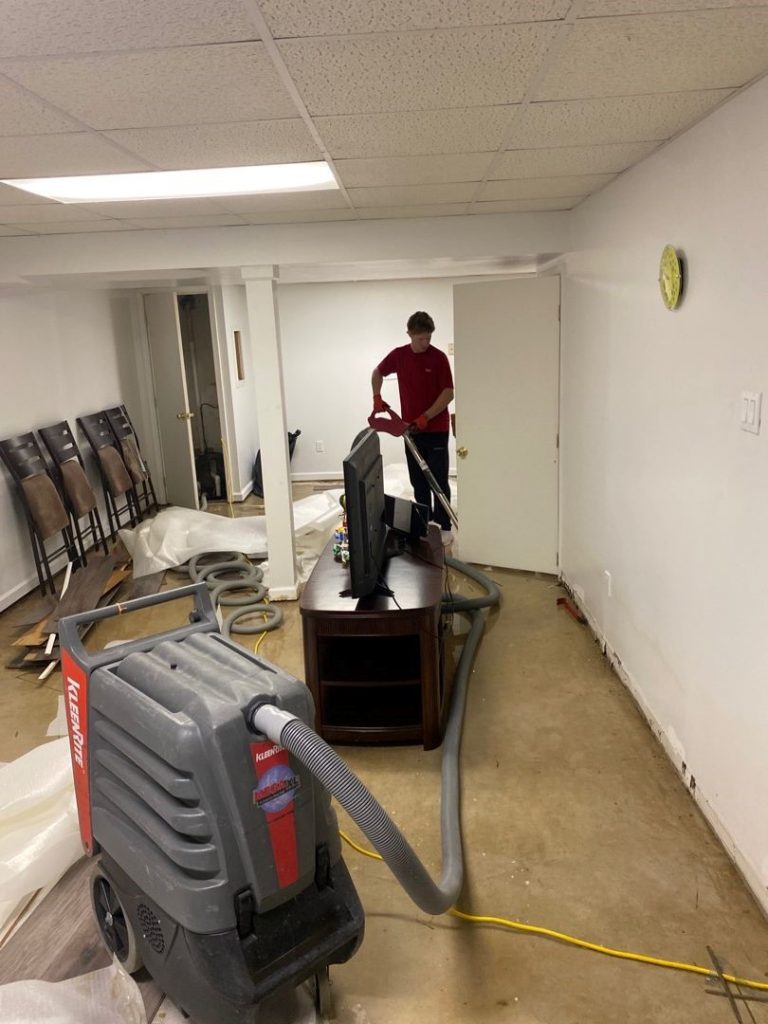
Professional flood cleanup is a systematic process that goes far beyond simply removing standing water. When you call experts like PuroClean Disaster Restoration in Greenfield, Indianapolis, trained technicians arrive with industrial-grade equipment designed to address both visible water and hidden moisture that can destroy your home’s structure.
The process begins with a thorough assessment. Technicians use moisture meters, infrared cameras, and hygrometers to detect water in walls, under flooring, and within structural cavities where your eyes cannot see. This technology reveals the full extent of damage that homeowners typically miss when attempting DIY cleanup.
Water extraction comes next, using powerful pumps and vacuum units that remove thousands of gallons per hour. But extraction is only the beginning. The moisture absorbed into drywall, insulation, wood framing, and subflooring requires specialized drying equipment including air movers, dehumidifiers, and sometimes heat injection systems that can run continuously for three to seven days.
Why Does Timing Matter So Much After a Flood?
Water damage follows a predictable timeline that determines whether you face a manageable cleanup or a complete renovation. Within the first 24 hours, water spreads throughout your home through absorption and wicking. Drywall begins to swell and break down. Wood flooring starts cupping. Furniture finishes become discolored.
Between 24 and 48 hours, mold spores that exist naturally in every home begin colonizing wet surfaces. Once mold establishes itself, cleanup becomes significantly more complex and expensive, often requiring containment barriers, negative air pressure systems, and specialized antimicrobial treatments.
After 48 hours, structural damage accelerates. Wood framing can warp, metal components corrode, and the risk of electrical hazards increases. The longer water sits, the more likely you will need to replace materials rather than dry and restore them.
This timeline explains why flood cleanup companies operate 24/7 emergency response services. Every hour counts, and the difference between calling immediately versus waiting until morning can mean thousands of dollars in additional damage.
What Should You Do in the First Hour After Discovering Flooding?
Your immediate actions directly impact both your safety and the eventual cost of restoration. First, assess whether it is safe to enter the flooded area. If water reaches electrical outlets, your circuit breaker panel, or any electrical equipment, stay out and contact professionals immediately.
If the water source is something you can control like a burst pipe or overflowing appliance, shut off the water supply. Locate your main water shutoff valve before an emergency happens so you can act quickly when needed.
Document everything with photos and videos before moving any items. Insurance companies require evidence of both the damage and your mitigation efforts. Capture wide shots showing the extent of flooding and close-ups of damaged belongings and structural elements.
Remove portable items from wet areas if you can do so safely. Lift furniture onto blocks to prevent further absorption. Take area rugs outside. Move electronics, documents, and valuables to dry spaces. These actions demonstrate good faith mitigation efforts that insurance adjusters look for when processing claims.
Then call professionals immediately. PuroClean Disaster Restoration serves Greenfield and Indianapolis with rapid response teams that can arrive within hours, not days. Reaching them at (317) 467-4436 starts the clock on professional mitigation that protects both your property and your insurance coverage.
How Do You Know If Water Damage Is Worse Than It Looks?
Visible water represents only a portion of flood damage. The real threat often hides within your home’s structure, creating problems that emerge weeks or months after you think everything has dried out.
Water travels through the path of least resistance, which means it flows behind walls, under flooring, and into ceiling cavities. A basement flood might seem contained to the lower level, but water can wick up through drywall, studs, and insulation, affecting first-floor walls without obvious signs.
Concrete and wood are particularly deceptive materials. Concrete slabs absorb water that releases slowly over weeks. Wood structural members can retain moisture in their cores even when surfaces feel dry. This hidden moisture fuels mold growth, wood rot, and structural weakening that only becomes apparent when significant damage has occurred.
Professional assessment eliminates guesswork. Moisture detection equipment identifies wet areas you cannot see or feel. Thermal imaging reveals temperature differentials that indicate trapped moisture. Humidity measurements show whether your indoor environment creates conditions for ongoing damage.
These tools explain why professional cleanup provides value beyond what DIY efforts can achieve. You might remove visible water with a shop vacuum, but without moisture meters and industrial dryers, you leave behind the hidden moisture that causes the most expensive long-term problems.
Can You Handle Flood Cleanup Yourself or Do You Need Professionals?
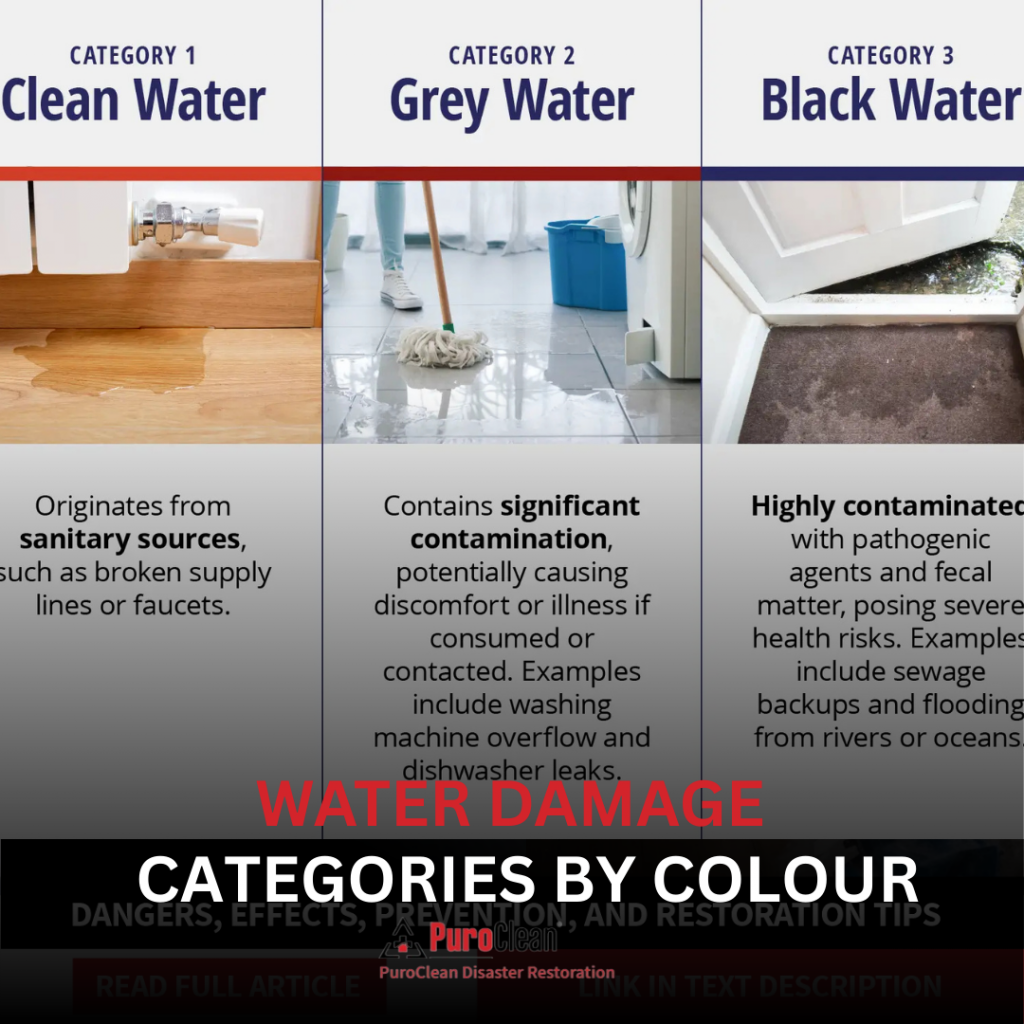
Many Greenfield homeowners ask whether they can save money by handling flood cleanup themselves. The honest answer depends on the category of water, the extent of damage, and your access to proper equipment.
For small-scale incidents involving clean water affecting a limited area, DIY efforts might suffice if you act immediately and have access to powerful fans, dehumidifiers, and moisture meters to verify complete drying. A small bathroom overflow that you address within minutes falls into this category.
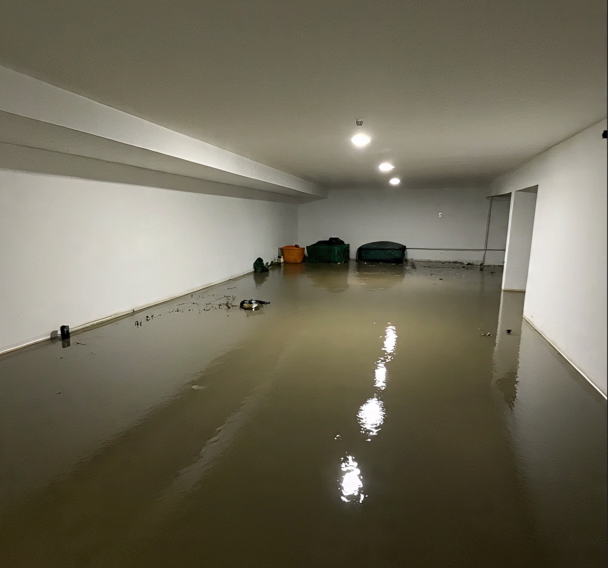
However, most flood scenarios exceed DIY capabilities. Basement flooding from storms brings contaminated water carrying bacteria, chemicals, and debris from outside. This Category 2 or Category 3 water requires protective equipment, antimicrobial treatment, and disposal protocols that homeowners typically cannot provide.
Volume matters too. Standing water more than an inch deep across a basement or main floor requires extraction equipment that moves hundreds of gallons per hour. Consumer-grade wet-dry vacuums work at a fraction of this speed, meaning water continues spreading and soaking into materials while you work.
The equipment gap presents the biggest challenge for DIY flood cleanup. Professional restoration companies deploy dozens of air movers and commercial dehumidifiers that cost tens of thousands of dollars. These machines create the high-velocity airflow and moisture removal capacity needed to dry structural cavities in the critical 24-48 hour window.
What Does the Insurance Company Expect From You After Flooding?
Insurance policies include specific requirements for how you respond to water damage. Understanding these obligations protects your coverage and ensures smooth claims processing.
Most policies require “immediate action to mitigate further damage.” This means you cannot wait days to address flooding. You must take reasonable steps to prevent damage from worsening, which typically includes calling professional restoration services, removing portable items from wet areas, and protecting undamaged portions of your home.
Documentation becomes critical. Insurance adjusters need evidence showing the extent of damage, what caused the flooding, and what you did to minimize losses. Take photos and videos before cleanup begins. Save receipts for any emergency purchases like tarps, fans, or storage units. Keep a written timeline of when you discovered the damage, who you contacted, and what actions you took.
Professional restoration companies understand insurance requirements and provide documentation that supports your claim. They photograph damage, create moisture maps, track equipment usage, and provide detailed scope reports that explain what work is necessary. This documentation often makes the difference between full coverage and claim disputes.
One common mistake homeowners make is discarding damaged items before the adjuster inspects the property. Keep everything until the insurance company releases you to dispose of items. Premature disposal can lead to claim denials because adjusters cannot verify your losses.
The Hidden Cost of Waiting
Janet and Tom discovered water in their Greenfield basement on a Friday evening after heavy spring rains. The sump pump had failed, leaving three inches of standing water across 800 square feet. They called their insurance company, who told them to get estimates and call back Monday.
Over the weekend, they used a shop vacuum to remove the standing water. By Sunday, the basement floor felt dry to the touch. They thought they had dodged a major problem. They called a restoration company on Monday for the required estimate, but the damage seemed minimal, so they decided to save money and handle it themselves.
Three weeks later, they noticed a musty smell. Four weeks in, dark spots appeared on the drywall. By week six, they had visible mold growth climbing the walls. The restoration company they called back found moisture readings of 40 percent in the wall cavities, explaining that their initial drying efforts had only addressed surface water.
The original flood would have required three days of professional drying at a cost their insurance would have covered. Instead, they faced mold remediation, wall removal, insulation replacement, and treatment of structural wood that had begun rotting. The final cost exceeded $18,000, much of which insurance contested because they had not acted immediately to properly dry the structure.
Tom later said, “We thought we were being smart by saving money. We had no idea that water we couldn’t see was destroying our home from the inside out. If we had called PuroClean that first night and let them do it right, we would have saved ourselves months of stress and thousands of dollars.”
What Equipment Makes Professional Flood Cleanup More Effective?
The gap between consumer and professional restoration equipment determines whether your home dries properly or develops long-term problems. Understanding these tools helps you appreciate why professional services provide value that justifies their cost.
Truck-mounted extraction units pull water at rates up to 200 gallons per minute. These systems create vacuum pressure impossible with shop vacuums, removing water from deep carpet padding, subfloors, and even out of concrete. Professional extractors can dry a flooded basement in hours rather than days.
Commercial air movers direct focused airflow at speeds exceeding 2,500 feet per minute. Positioned strategically, these create airflow patterns that reach inside wall cavities, under cabinets, and into other spaces where moisture hides. A typical basement restoration might use 15 to 25 air movers running continuously for days.
Low-grain refrigerant dehumidifiers remove moisture from the air at rates of 150 to 200 pints per day, far exceeding the 50 to 70 pint capacity of consumer models. In severe cases, desiccant dehumidifiers that pull moisture even from very dry air ensure complete drying.
Moisture detection equipment includes pin-type meters that measure moisture content in specific materials and non-invasive meters that scan large areas without creating holes. Infrared cameras visualize temperature differentials that indicate wet areas behind surfaces. Hygrometers track ambient humidity to verify drying progress.
How Long Does Complete Flood Cleanup Actually Take?
Homeowners often underestimate the time required for proper flood cleanup, expecting everything to be finished in a day or two. Understanding realistic timelines helps you plan and maintains reasonable expectations.
Initial water extraction and debris removal typically occur on day one. Technicians remove standing water, take out unsalvageable materials, and position drying equipment throughout affected areas. This phase might take four to eight hours depending on the extent of flooding.
Structural drying requires three to seven days in most cases. Equipment runs continuously, with technicians monitoring progress daily through moisture readings. They adjust equipment placement, add or remove units, and document drying curves that show moisture levels declining toward normal ranges.
Some materials dry faster than others. Hardwood flooring might reach acceptable moisture levels in three days, while concrete slabs can take a week or more. Dense materials like plaster walls require longer drying times than modern drywall. Technicians cannot rush this process because premature equipment removal leaves hidden moisture that causes future problems.
After structural drying confirms moisture levels have returned to normal, reconstruction begins. Minor repairs like replacing a few sections of drywall might take a day. Extensive damage requiring new flooring, wall replacement, and repainting can take several weeks.
What about situations where you need to live elsewhere during cleanup? For whole-house flooding or cases involving contaminated water requiring extensive sanitization, temporary relocation might last two to four weeks. Your insurance policy may cover additional living expenses during this period, so discuss these benefits with your adjuster.
What Questions Should You Ask Before Hiring a Flood Cleanup Company?
Choosing the right restoration company affects both the quality of work and how smoothly your insurance claim proceeds. Ask these questions before signing any contracts.
Are you available 24/7 for emergency response? Water damage does not wait for business hours. Companies that offer true emergency service can begin mitigation immediately, preventing damage progression during the critical first hours.
What certifications do your technicians hold? Look for IICRC certification, the industry standard for restoration professionals. Certified technicians have completed training in water damage restoration, applied structural drying, and other specialties that affect job quality.
Do you work directly with insurance companies? Experienced restoration companies understand insurance processes, documentation requirements, and how to communicate with adjusters. They can often bill insurance directly, reducing your out-of-pocket expenses to just your deductible.
What equipment will you use for my specific situation? A professional company should explain which extraction units, air movers, dehumidifiers, and monitoring tools they will deploy. Vague answers or promises to use whatever is available suggest inadequate resources.
How do you determine when drying is complete? The only acceptable answer involves moisture meters and documentation showing readings have returned to normal ranges. Visual inspection or time-based estimates do not ensure proper drying.
Will you provide detailed documentation for my insurance claim? Ask about photo documentation, moisture mapping, equipment logs, and daily progress reports. This documentation protects your insurance coverage and provides evidence if any disputes arise.
When Should You Worry About Mold After Flooding?
Mold concerns dominate homeowner fears after flooding, and rightfully so. Understanding when mold becomes a problem helps you take appropriate action without unnecessary panic.
Mold requires three things to grow: moisture, organic material, and time. Your flooded home provides all three, which is why professional drying must occur quickly. Mold spores exist everywhere, indoors and out. They remain dormant until conditions favor growth, at which point they colonize wet materials within 24 to 48 hours.
Not all mold poses the same risks. Surface mold on non-porous materials like tile or metal can often be cleaned and disinfected without extensive remediation. Mold growth in porous materials like drywall, insulation, or wood typically requires removal of the affected material because cleaning cannot reach deep colonization.
Toxic black mold, technically Stachybotrys chartarum, generates significant concern but represents only one of thousands of mold species. Any mold growth indicates a moisture problem requiring correction. The species matters less than addressing the underlying water issue and removing contaminated materials.
If you see or smell mold after flooding, professional assessment determines the extent of the problem. Containment prevents spores from spreading during remediation. Negative air pressure systems direct airflow outside rather than into clean areas. HEPA filtration captures airborne spores. These protocols protect your health and prevent cross-contamination.
Some situations demand mold testing by certified industrial hygienists. When occupants have respiratory issues, when you suspect hidden mold, or when conflicts arise about the extent of remediation needed, testing provides objective data about species present and spore concentrations.
What Makes Basement Flooding Different From Other Water Damage?
Basements present unique challenges that affect restoration approaches and costs. Greenfield and Indianapolis homeowners with basements need to understand these specific concerns.
Hydrostatic pressure drives groundwater through foundation walls and floor slabs during heavy rains. This pressure can reach thousands of pounds, forcing water through cracks too small to see. Drainage systems and sump pumps manage this pressure, but failures allow rapid flooding that overwhelms standard responses.
Below-grade construction means basements lack the natural airflow that helps main levels dry. Water becomes trapped, and moisture cannot evaporate as readily as it does in above-ground spaces. Professional drying equipment becomes essential rather than optional.
Finished basements compound problems because building materials hide foundation walls. Water intrudes behind drywall, under flooring, and within insulated cavities where you cannot see damage progressing. Moisture meters and thermal imaging become necessary to identify all affected areas.
Basement contents often include stored items that absorb water and increase cleanup complexity. Cardboard boxes, fabric items, wood furniture, and paper goods all require sorting, drying, or disposal. The labor involved in content manipulation adds significantly to restoration costs.
Sewage backups frequently affect basements because they sit at the lowest point in your plumbing system. When main sewer lines clog or municipal systems overflow during storms, contaminated water enters through basement drains. This Category 3 water requires extensive sanitization beyond what clean water flooding demands.
How Does Flood Cleanup Protect Your Home’s Long-Term Value?
Proper flood cleanup represents more than addressing immediate damage. It protects your largest investment from depreciation and maintains your ability to sell your home in the future.
Undisclosed water damage creates legal liability when selling property. Most states require sellers to disclose known material defects, and water damage qualifies. Professional restoration with documentation proves you addressed problems properly, protecting you from future claims.
Visible repairs raise questions from potential buyers. Professional work performed to industry standards demonstrates that damage was mitigated correctly. Documentation showing moisture readings, antimicrobial treatment, and structural drying reassures buyers and their inspectors.
Mold history affects home values even after remediation. Properties with documented mold problems often appraise lower and face buyer resistance. Preventing mold through immediate, professional flood cleanup maintains your home’s marketability.
Structural integrity depends on proper drying. Wood framing weakened by rot cannot support loads safely. Floor joists, wall studs, and roof rafters compromised by water damage may fail years after flooding if not properly dried and evaluated. Professional restoration identifies structural concerns before they become dangerous.
Insurance claims history follows properties. Future buyers can access claims databases showing prior damage. A well-documented professional restoration that insurance paid for appears far less concerning than gaps in history that suggest undisclosed problems or DIY repairs that might not have addressed underlying issues.
What Should Greenfield and Indianapolis Homeowners Know About Local Flood Risks?
Understanding your specific flood risks helps you prepare and respond appropriately when water enters your home. Central Indiana faces distinct challenges that affect both prevention and cleanup strategies.
Spring storms bring rapid rainfall that overwhelms drainage systems. Ground saturated from winter snow melt cannot absorb additional water, leading to surface flooding and basement intrusion. These seasonal patterns mean flood risks peak during March through May when many homeowners least expect problems.
Aging infrastructure affects neighborhoods differently. Older homes in established Greenfield areas may have clay tile or cast iron drainage systems prone to root intrusion and collapse. These failures allow groundwater and sewage backups that modern PVC systems better resist.
The local water table influences basement flooding frequency. Areas near Sugar Creek and other waterways face elevated groundwater during wet seasons. Foundation waterproofing effectiveness decreases over time, and what protected your home years ago might not provide adequate barriers today.
Sump pump dependence creates vulnerability. Most Greenfield basements rely on electric sump pumps to manage groundwater. Power outages during storms, when you need pumps most, allow rapid flooding. Battery backup systems provide protection but require maintenance that many homeowners neglect.
Flash flooding affects Indianapolis neighborhoods near drainage ditches and retention ponds. Development changes water flow patterns, and properties that never flooded historically might now face water during severe storms. Understanding your property’s drainage patterns helps you anticipate and prepare for potential flooding.
What Happens If You Cannot Afford Professional Flood Cleanup Right Away?
Financial concerns should never prevent you from calling professional restoration services. Several options exist to manage costs while protecting your home.
Insurance coverage typically pays for flood cleanup from covered perils like burst pipes, appliance failures, and storm damage through roofs or windows. Your insurance company wants to minimize total costs, which means they prefer paying for immediate professional mitigation over much larger repair bills from delayed response.
Most restoration companies work directly with insurance, requiring only your deductible upfront. They bill insurers for covered services, eliminating the need for you to pay thousands out of pocket and wait for reimbursement. This arrangement makes professional service accessible even when you lack available funds.
Financing options exist for uncovered situations. Some restoration companies offer payment plans. Credit cards designed for home emergencies provide another option. The cost of proper cleanup today almost always proves less expensive than addressing mold, structural damage, and health problems from inadequate drying.
Emergency services take priority over cosmetic repairs. If cost concerns exist, work with restoration companies to separate emergency mitigation from eventual reconstruction. Insurance may cover drying and sanitization even if policy limits affect how much they pay toward rebuilding.
Community resources sometimes assist with disaster recovery. Local emergency management agencies, churches, and nonprofit organizations may provide aid or connect you with assistance programs following significant flood events. Ask about available resources rather than attempting inadequate DIY cleanup.
How Do You Verify Flood Cleanup Was Done Correctly?
Professional restoration should conclude with documentation proving your home has returned to pre-loss condition. Understanding what constitutes complete cleanup protects you from companies that cut corners.
Moisture readings provide objective evidence of drying completion. Technicians should test affected areas and compare readings to unaffected reference areas in your home. Readings within 5 to 10 percent of normal indicate successful drying. Ask for a written moisture map showing these final measurements.
Visual inspection confirms proper cleaning and sanitization. All visible debris should be removed. Hard surfaces should be clean and disinfected. Any temporary barriers or containment used during the process should be dismantled and removed.
Air quality testing may be appropriate if contaminated water was involved or if mold remediation occurred. Post-remediation verification confirms spore counts have returned to normal levels. This testing protects occupants and provides documentation for insurance and future disclosure.
Equipment removal indicates completion. Drying equipment should remain in place until moisture readings confirm success. Premature removal suggests rushed work that may leave hidden moisture. Professional companies document equipment run times and adjustment schedules.
Final walkthrough allows you to ask questions and understand what work was performed. Reputable companies explain what they found, what they did, and what you should monitor going forward. They should address concerns and ensure your satisfaction before you sign completion documents.
Frequently Asked Questions
How quickly will mold start growing after my home floods?
Mold can begin growing within 24 to 48 hours after flooding. Some fast-growing species colonize wet materials even faster under ideal temperature and humidity conditions. This rapid timeline explains why professional flood cleanup must begin immediately rather than waiting days to assess damage or get multiple estimates.
Does homeowners insurance cover all flood cleanup costs?
Standard homeowners insurance covers water damage from burst pipes, appliance failures, roof leaks, and other sudden internal failures. It typically excludes flooding from external sources like rising rivers or storm surge, which requires separate flood insurance through NFIP or private carriers. Review your specific policy and discuss coverage with your agent when filing claims.
Can I stay in my home during flood cleanup?
This depends on the extent of damage and the category of water involved. Clean water affecting small areas may allow you to remain home with minor inconvenience from drying equipment noise. Extensive damage or contaminated water requiring major work may necessitate temporary relocation for safety and to allow proper drying and sanitization.
What is the difference between water damage restoration and flood cleanup?
The terms often overlap, but flood cleanup specifically addresses standing water from flooding events, while water damage restoration includes all water intrusion scenarios. Both require similar processes of extraction, drying, cleaning, and restoration. The distinction matters less than ensuring you work with certified professionals using proper equipment and methods.
How do I know if my basement flooding comes from groundwater or sewage backup?
Clear water entering through foundation cracks, window wells, or around the floor perimeter typically indicates groundwater intrusion from hydrostatic pressure. Water entering through drains, especially if it contains solid waste or has a sewage odor, suggests sewer backup. The distinction matters because sewage requires more extensive sanitization and may be covered differently by insurance.
Will my carpet and padding need to be replaced after flooding?
This depends on the category of water, how long it remained wet, and the type of carpet. Clean water addressed within hours might allow carpet drying and cleaning. Water containing contaminants or flooding that lasted over 24 hours typically requires padding replacement and sometimes carpet replacement. Professional assessment determines what can be saved versus what poses health risks if kept.
What should I do about wet drywall after flooding?
Drywall can often be dried and saved if addressed quickly, water was clean, and wicking did not extend more than 24 inches above the floor. Cut drywall horizontally two inches above visible water lines to allow air circulation inside wall cavities. Insulation typically requires replacement. Professional moisture meters determine whether the wall is dry enough to close up or if replacement is necessary.
How do restoration companies charge for flood cleanup services?
Most companies charge based on the scope of work required, including extraction, drying equipment deployment, affected square footage, materials removed, and labor hours. Some provide flat-rate packages for standard situations. They should offer detailed written estimates breaking down costs. Insurance often negotiates rates according to standard pricing guides like Xactimate.
Conclusion
Flood cleanup demands immediate professional intervention to protect your home, your health, and your financial investment. The 24 to 48 hour window between flooding and mold growth leaves no room for delays or half-measures. Professional restoration companies bring specialized equipment, certified expertise, and insurance knowledge that DIY efforts cannot match.
Understanding what proper flood cleanup involves helps you make informed decisions when water invades your Greenfield or Indianapolis home. The initial cost of professional services proves far less than addressing structural damage, mold remediation, and health problems that develop from inadequate drying.
When flooding strikes, your first call should be to professionals who can respond immediately with the tools and training needed to mitigate damage before it progresses. PuroClean Disaster Restoration serves Greenfield and Indianapolis with 24/7 emergency response, certified technicians, and comprehensive documentation that supports insurance claims while protecting your home’s long-term value.
Do not wait until mold appears or structural damage becomes obvious. Call (317) 467-4436 immediately after discovering water in your home. Every hour you delay allows damage to worsen and increases the eventual cost of restoration. Professional flood cleanup protects your largest investment and gives you peace of mind that your home has been restored properly.

 PuroClean Disaster Restoration