


Key Takeaways for Homeowners
| Hazard | Risk Level | Action Required |
|---|---|---|
| Black Water Contamination | Critical | Immediate professional extraction |
| Mold Infestation | High | 24-48 hour response window |
| Asbestos Disturbance | Critical | Licensed abatement only |
| Sewage Backup Pathogens | Critical | Biohazard remediation |
| Chemical Storage Leakage | Moderate-High | Specialized decontamination |
If you are experiencing flooding in Greenfield, Indianapolis, or surrounding Hancock County areas, call PuroClean Disaster Restoration immediately at (317) 467-4436. Our IICRC S500 certified technicians are standing by 24/7.
Understanding the Hidden Dangers Lurking in Your Flooded Home
When floodwaters invade your Greenfield residence, the visible damage is only the beginning. Beneath the surface, a complex web of toxic contamination threatens your family’s health and your property’s structural integrity. Indiana’s unique climate patterns, combined with the region’s clay-heavy soil composition common in Hancock County, create perfect conditions for rapid contamination spread.
The Institute of Inspection, Cleaning and Restoration Certification (IICRC) S500 Standard for Professional Water Damage Restoration establishes the scientific protocols that govern proper flood response. This authoritative framework recognizes three distinct categories of water damage, each requiring specific remediation approaches. Understanding these categories is essential for Greenfield homeowners facing the aftermath of White River flooding, severe thunderstorms, or plumbing failures.
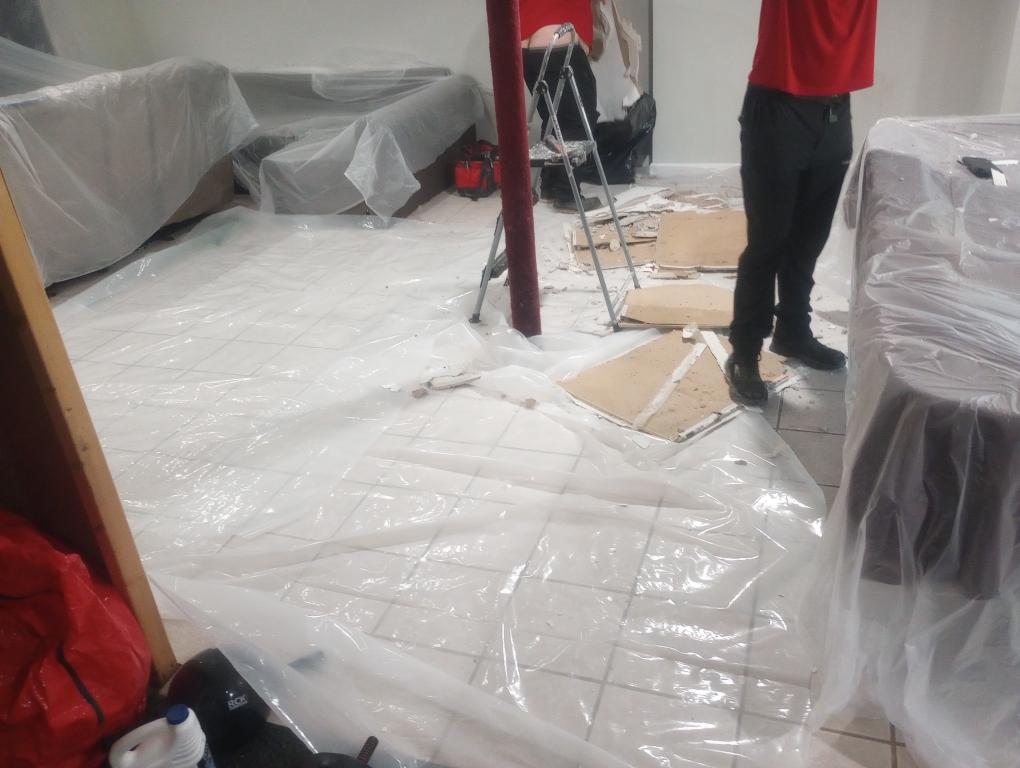
1. Category 3 Black Water: The Silent Killer
What Makes It Dangerous
Category 3 water, commonly called black water, represents the most severe contamination level. This classification includes sewage backups, ground surface water intrusion, and rising floodwaters from the White River or local tributaries. The danger extends far beyond unpleasant odors. Black water contains pathogenic agents including bacteria, viruses, and parasites capable of causing serious illness.
LSI Entities in Action
Professional restoration relies on specific technical protocols:
- Mycotoxin proliferation: Black water creates ideal breeding conditions for toxigenic molds
- Psychrometric analysis: Technicians measure temperature, humidity, and vapor pressure to establish drying goals
- Antimicrobial biocide application: EPA-registered disinfectants eliminate biological contaminants
- Negative air pressure containment: Physical barriers combined with air scrubbers prevent cross-contamination
- HEPA filtration: High-efficiency particulate air filtration captures 99.97% of airborne particles
Greenfield Specific Concerns
Hancock County’s agricultural surroundings mean floodwaters often carry additional contaminants from field runoff. The area’s flat topography allows water to pool rather than drain, extending exposure time and accelerating bacterial growth. Local building codes require specific vapor barrier installations in crawl spaces, but these barriers often fail during significant flooding events.
2. Mold Colonization: The 24-Hour Countdown
The Science of Rapid Growth
Mold requires moisture, organic material, and appropriate temperatures to colonize. Greenfield’s humid continental climate provides ideal conditions, particularly during summer months when relative humidity regularly exceeds 70%. The IICRC S520 Standard for Professional Mold Remediation establishes that mold growth can begin within 24 to 48 hours of water intrusion.
Hidden Colonization Sites
Mold does not limit itself to visible surfaces. Professional moisture mapping reveals hidden reservoirs in:
- Wall cavities behind vinyl wallpaper
- Subflooring and insulation layers
- HVAC ductwork and air handling units
- Cabinetry toe kicks and void spaces
- Baseboard and trim attachments
Technical Remediation Standards
Proper mold remediation requires more than surface cleaning. IICRC S520 mandates:
- Containment barriers with sealed seams
- Air filtration devices maintaining negative pressure
- Personal protective equipment including respirators
- Source removal rather than chemical treatment alone
- Post-remediation verification through air sampling
Local Climate Factors
Greenfield experiences significant seasonal temperature variations. These fluctuations cause condensation within wall assemblies, creating microclimates where mold thrives undetected. Homes built before modern energy codes often lack adequate ventilation, compounding moisture retention issues.
3. Asbestos Contamination: The Legacy Hazard
Historical Context in Indiana
Many Greenfield homes, particularly those constructed between 1940 and 1980, contain asbestos-containing materials (ACMs). These include vinyl floor tiles, pipe insulation, textured ceilings, and cement siding. When floodwaters saturate these materials, they become friable, releasing microscopic fibers into the air.
Health Implications
Asbestos exposure causes mesothelioma, asbestosis, and lung cancer. The latency period extends decades, meaning exposure today manifests as illness years later. Flood damage creates immediate exposure risks through:
- Physical disturbance during cleanup efforts
- Deterioration of binding materials
- Aerosolization during drying processes
Regulatory Requirements
Indinois Department of Environmental Management regulations mandate licensed abatement contractors for asbestos disturbance exceeding specific thresholds. DIY removal violates federal NESHAP standards and creates liability issues for homeowners.
Professional Protocol
Certified restoration contractors conduct pre-remediation surveys using polarized light microscopy. When ACMs are identified, containment protocols exceed standard water damage procedures, incorporating:
- Critical barriers with decontamination chambers
- HEPA vacuum systems with DOP testing
- Wet methods for material removal
- Proper disposal at licensed facilities
4. Sewage Pathogens: Biological Warfare in Your Basement
Pathogen Profiles
Sewage contamination introduces over 120 different viruses, bacteria, and parasites. Notable threats include:
- E. coli: Causes severe gastrointestinal illness
- Salmonella: Leads to food poisoning symptoms
- Hepatitis A: Viral liver infection
- Giardia: Parasitic intestinal infection
- Cryptosporidium: Resistant to chlorine disinfection
Cross-Contamination Dynamics
Sewage backup represents a dynamic contamination event. As water migrates through the structure, it creates multiple vector points:
- Capillary action wicks contamination into drywall
- Hydrostatic pressure forces pathogens through slab cracks
- Air movement distributes bioaerosols throughout the HVAC system
- Surface contact transfers organisms to unaffected areas
Decontamination Standards
IICRC S500 Category 3 protocols require:
- Removal of porous materials within the contamination zone
- Application of hospital-grade disinfectants
- ATP bioluminescence testing for verification
- Documentation through moisture mapping and photographic evidence
Greenfield Infrastructure Considerations
Aging municipal sewer systems in established Greenfield neighborhoods experience infiltration during heavy rainfall events. Combined sewer overflows introduce raw sewage into floodwaters, elevating contamination risks beyond typical Category 3 classification.
5. Chemical Storage Hazards: The Toxic Cocktail
Household Chemical Risks
Garages, utility rooms, and basements store hazardous materials that become uncontrolled contaminants during flooding:
- Pesticides and herbicides from lawn care
- Automotive fluids including antifreeze and oil
- Cleaning solvents and chlorine bleach
- Paint products and solvents
- Pool chemicals and fertilizers
Chemical Interaction Dangers
Floodwaters create unpredictable chemical reactions. Chlorine bleach mixed with ammonia produces toxic chloramine gas. Pesticides dissolve into solution, creating dermal absorption hazards. Petroleum products form surface slicks with inhalation risks.
Remediation Complexity
Chemical contamination requires specialized knowledge beyond standard water damage restoration. Technicians must identify:
- Specific chemical constituents through SDS review
- Appropriate PPE for the contamination profile
- Proper disposal methods per RCRA regulations
- Decontamination procedures for equipment and personnel
Step-by-Step Emergency Response Protocol
Immediate Actions (First Hour)
- Ensure personal safety: Avoid contact with floodwaters
- Shut off electrical power at the main breaker
- Document damage through photography
- Contact PuroClean Disaster Restoration at (317) 467-4436
- Notify your insurance carrier
Professional Assessment (Hours 1-4)
- IICRC certified project manager conducts initial inspection
- Moisture mapping identifies hidden water migration
- Contamination category classification
- Scope development with line-item documentation
- Emergency services authorization
Stabilization Phase (Hours 4-24)
- Water extraction using truck-mounted systems
- Containment installation for affected areas
- Deployment of structural drying equipment
- Application of initial antimicrobial treatments
- Content manipulation and protection
Restoration Phase (Days 2-7)
- Controlled demolition of unsalvageable materials
- Continuous monitoring of drying progress
- Specialized remediation for identified hazards
- Post-remediation verification testing
- Reconstruction planning and execution
Frequently Asked Questions
Does home insurance cover mold caused by high humidity in Greenfield, Indianapolis?
Standard homeowners policies typically exclude mold damage resulting from long-term humidity issues or maintenance neglect. However, mold secondary to a covered water damage event, such as sudden pipe bursts or storm damage, often falls within coverage limits. Review your policy’s fungi coverage endorsement, which usually caps between $10,000 and $50,000. Document the original water loss thoroughly to establish causation.
How long before flood damage becomes permanent in Hancock County homes?
Structural materials follow specific deterioration timelines. Drywall begins disintegration within hours. Wood framing experiences dimensional changes within 24 hours. Mold colonization initiates within 48 hours. Electrical components corrode within days. The critical mitigation window extends 72 hours from water intrusion. Beyond this period, restoration costs increase exponentially.
Are Greenfield’s historic homes more vulnerable to contamination spread?
Yes. Historic Hancock County residences often feature balloon framing that allows vertical water migration through wall cavities. Plaster and lath construction retains moisture longer than modern drywall. Outdated electrical systems present shock hazards during flooding. Limited vapor barriers in crawl spaces allow ground moisture infiltration. These factors necessitate specialized restoration approaches.
What local regulations govern flood restoration in Greenfield?
Hancock County follows Indiana Department of Environmental Management regulations for waste disposal. The City of Greenfield requires permits for electrical and plumbing repairs. Historic district properties face additional review requirements. Floodplain management ordinances apply to properties within FEMA-mapped zones. Professional restoration contractors maintain current knowledge of these regulatory frameworks.
Why can’t I handle flood cleanup myself?
DIY flood restoration exposes homeowners to significant health risks from biological and chemical contaminants. Consumer-grade equipment lacks the capacity for proper extraction and drying. Without moisture mapping capabilities, hidden water reservoirs remain undetected. Insurance carriers may deny claims lacking professional documentation. Most importantly, improper restoration creates liability exposure for future occupants’ health issues.
Why Greenfield Homeowners Trust PuroClean Disaster Restoration
PuroClean Disaster Restoration serves Hancock County with IICRC certified technicians trained in the latest S500 and S520 standards. Our emergency response teams arrive equipped for comprehensive hazard assessment and immediate stabilization. We coordinate directly with insurance carriers, providing detailed documentation that supports claim processing.
Our local knowledge of Greenfield’s building stock, climate patterns, and regulatory environment ensures appropriate restoration strategies for every property type. From historic downtown residences to modern subdivisions, we deliver scientifically grounded solutions that protect your investment and your family’s health.
Do not wait for contamination to spread. Call PuroClean Disaster Restoration now at (317) 467-4436 for immediate emergency response in Greenfield, Indianapolis, and all surrounding communities.