 PuroClean Disaster Restoration
 Executive Summary
Trauma scene cleanup goes beyond physical restoration. The emotional weight of losing a loved one, combined with the shock of witnessing a traumatic scene, creates psychological wounds that require intentional healing. This article explores the emotional aftermath families face in Greenfield and Indianapolis, evidence-based coping strategies, support resources available locally, and practical steps toward recovery. Whether you’re processing grief, managing PTSD symptoms, or supporting someone through this journey, understanding the emotional landscape can help you navigate this difficult chapter with compassion and resilience.
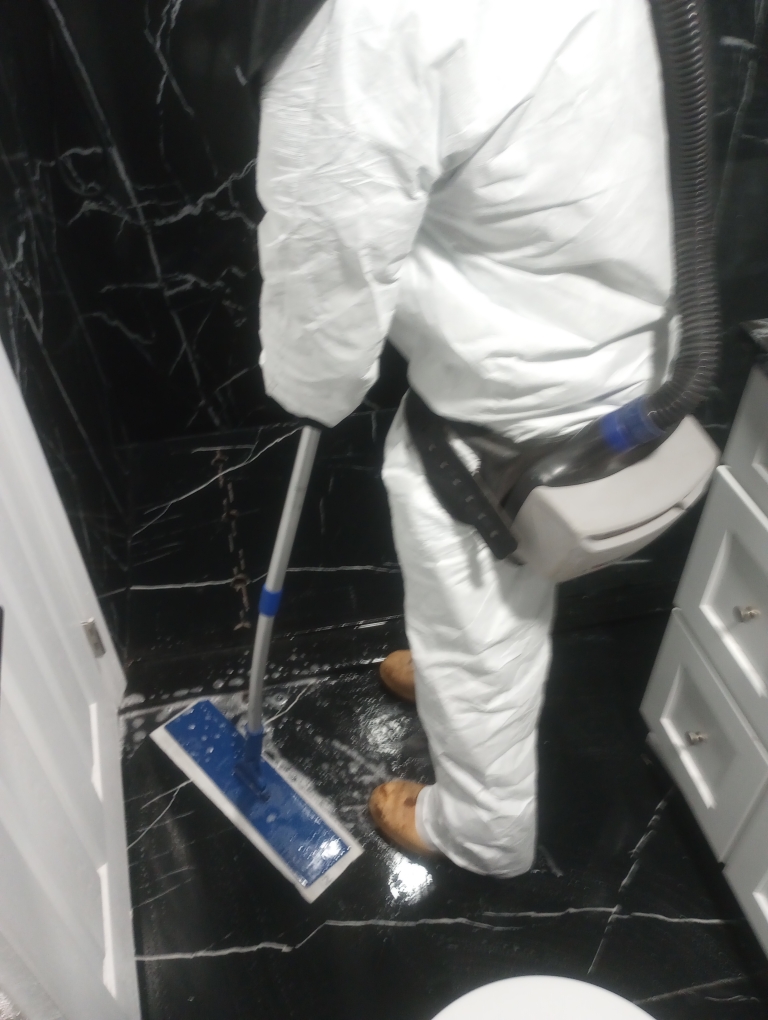
Why Does Trauma Scene Cleanup Leave Such Deep Emotional Scars?
The emotional impact of trauma scenes extends far beyond the visual. When someone experiences a traumatic loss in their home or property, the brain processes this as both a psychological and physical threat. The combination of grief, shock, and the visceral reality of what happened creates what mental health professionals call “complicated grief.”
In Greenfield and the greater Indianapolis area, families often describe feeling frozen in time after a traumatic event. The scene becomes imprinted in their memory, making it nearly impossible to separate the person they loved from the circumstances of their death.
Trauma disrupts our sense of safety. When tragedy occurs in a familiar space like your home, it violates the sanctuary where you should feel most protected. This violation triggers hypervigilance, anxiety, and intrusive thoughts that can persist long after professional cleaners have restored the physical space.
What Emotions Should You Expect After a Trauma Scene?
Understanding that your emotional reactions are normal can provide tremendous relief during an overwhelming time.
Immediate shock and numbness: Your mind may feel foggy or disconnected from reality. This protective mechanism helps you function during crisis but can make decision-making difficult.
Intense grief waves: Grief doesn’t follow a linear path. You might feel fine one moment and completely overwhelmed the next. These waves can be triggered by smells, sounds, or returning to the location.
Guilt and second-guessing: Many people experience survivor’s guilt or replay scenarios wondering if they could have prevented the tragedy. These thoughts are common but rarely reflect reality.
Anger and frustration: You might feel angry at the person who died, at yourself, at God, or at the circumstances. Anger is a natural part of processing trauma.
Physical symptoms: Trauma manifests physically through headaches, digestive issues, fatigue, difficulty sleeping, and changes in appetite. Your body is processing what your mind cannot yet fully comprehend.
A Story from Greenfield: Sarah’s Journey Through Loss
Sarah Mitchell (name changed for privacy) lost her father to suicide in their family home in Greenfield in early 2023. The 34-year-old teacher discovered the scene when she stopped by for their weekly dinner together.
“I couldn’t process what I was seeing,” Sarah recalls. “My brain kept trying to make it something else, anything else. Even after the police came and I called my siblings, part of me kept thinking this was a nightmare I’d wake up from.”
The physical cleanup happened quickly. PuroClean Disaster Restoration arrived within hours, handling the scene with professionalism and compassion. But Sarah’s emotional cleanup took much longer.
“Everyone focused on the funeral arrangements, the estate, practical matters. But nobody talked about the fact that I couldn’t close my eyes without seeing that room. I couldn’t sleep. I couldn’t eat. I started having panic attacks at work.”
Three weeks after her father’s death, Sarah finally reached out to a trauma therapist specializing in sudden loss. “I thought I could handle it alone. I’m the strong one in my family. But I wasn’t handling it. I was drowning.”
Through EMDR therapy (Eye Movement Desensitization and Reprocessing) and a support group at Hancock Regional Hospital, Sarah began processing her trauma. She learned that her physical symptoms were trauma responses, not weaknesses.
“The therapist told me something that changed everything: ‘Your nervous system is stuck in that moment, trying to protect you from a danger that’s already passed.’ Once I understood that my body was trying to help me, not betray me, I could start working with it instead of against it.”
Two years later, Sarah still has difficult days, especially around her father’s birthday and the anniversary of his death. But she’s learned coping strategies that help her navigate grief without being consumed by it.
“I wish someone had told me that healing isn’t about getting back to normal. There is no normal after something like this. It’s about building a new life that makes space for both the loss and the love.”
How Can You Support Your Emotional Recovery After Trauma Scene Cleanup?
Recovery requires intentional effort and self-compassion. These strategies have helped countless families in the Indianapolis area navigate their healing journey.
Allow yourself to grieve without timeline: Society often pressures people to “move on” or “be strong.” Healing from trauma cannot be rushed. Give yourself permission to feel whatever arises without judgment.
Establish safety rituals: Your nervous system needs to relearn that you’re safe. This might include checking locks before bed, keeping lights on, or having someone stay with you initially. These aren’t signs of weakness but necessary steps toward security.
Maintain basic routines: When everything feels chaotic, small routines provide anchors. Try to maintain consistent sleep schedules, eat regular meals, and engage in gentle movement. These basics support your nervous system’s regulation.
Limit exposure to triggers initially: You don’t need to immediately return to the location or sort through belongings. Give yourself time before confronting the most painful reminders.
Express emotions physically: Trauma stores in the body. Physical activities like walking, yoga, boxing, or even screaming into a pillow can help release stored tension.
Journal without censoring: Writing helps process complex emotions. You don’t need to share what you write; the act of expressing thoughts externally helps organize internal chaos.
Connect with others who understand: Isolation intensifies trauma. Even when you don’t feel like socializing, maintaining connection with safe people provides essential support.
What Professional Support Options Are Available in Greenfield and Indianapolis?
You don’t have to navigate this alone. The Indianapolis area offers numerous professional resources specifically designed for trauma recovery.
Trauma-specialized therapists: Look for professionals trained in EMDR, CPT (Cognitive Processing Therapy), or prolonged exposure therapy. These evidence-based approaches specifically address trauma’s impact on the brain.
Support groups: Sharing your experience with others who’ve faced similar losses reduces isolation and provides practical coping strategies. Hancock Regional Hospital and Community Health Network both offer grief support groups.
Crisis counseling: If you’re experiencing suicidal thoughts, severe anxiety, or inability to function, crisis counseling provides immediate intervention. The National Suicide Prevention Lifeline (988) operates 24/7.
Psychiatric support: Sometimes medication can help stabilize severe anxiety or depression while you do the deeper therapeutic work. This doesn’t mean you’re broken; it means you’re giving your brain the support it needs to heal.
Spiritual counselors: If faith plays a role in your life, pastoral counselors or chaplains can help you process trauma within your belief framework.
Employee Assistance Programs: Many employers offer confidential counseling services at no cost. Check with your HR department about available resources.
When Should You Return to the Location Where Trauma Occurred?
This deeply personal decision has no universal right answer. Some people need to return immediately to reclaim their space; others need months or years before they’re ready.
If you’re considering returning soon: Have someone you trust accompany you. Plan the visit during daylight hours. Give yourself permission to leave immediately if it becomes overwhelming. Consider rearranging furniture or making small changes to create visual distance from the trauma.
If you’re avoiding the location entirely: Prolonged avoidance can sometimes intensify fear. Working with a therapist to gradually approach the space through visualization first, then photos, then brief visits can help desensitize the trigger.
If you’re selling or moving: Some people find they cannot reclaim a space where trauma occurred. This is completely valid. Your healing matters more than property or others’ opinions.
How Do You Support Children or Teens Processing Trauma?
Young people process trauma differently than adults, and they need age-appropriate support.
Be honest but appropriate: Children can handle truth better than deception. Use clear, simple language without graphic details. “Grandpa died by suicide” is more honest than vague euphemisms that create confusion.
Maintain routines: Children find security in predictability. Keep school schedules, mealtimes, and bedtime routines as consistent as possible.
Allow their unique expressions of grief: Some children become withdrawn; others act out. Some ask the same questions repeatedly; others avoid the topic entirely. All reactions are valid.
Watch for behavioral changes: Regression (bedwetting, clinginess), academic struggles, aggression, or social withdrawal can indicate a child needs professional support.
Get them professional help: Child psychologists specializing in trauma can provide play therapy, art therapy, or other age-appropriate interventions.
What If You’re Supporting Someone Else Through This Process?
Supporting a loved one through trauma recovery requires patience, boundaries, and compassion.
Show up consistently: Call regularly, drop off meals, offer specific help (“I’m going to the grocery store on Tuesday; what can I pick up for you?”) rather than vague offers.
Listen without fixing: Resist the urge to offer solutions or silver linings. Sometimes people need to express pain without having it minimized.
Respect their process: Don’t pressure them to “get over it” or compare their timeline to others. Healing is not linear.
Take care of yourself: Supporting someone through trauma is emotionally draining. Maintain your own support system and boundaries to avoid burnout.
Know when to escalate: If you notice signs of suicidal ideation, substance abuse, or complete inability to function, help them access crisis services.
How Does Trauma Affect Your Relationship with Home?
The place where trauma occurred often becomes charged with painful associations. This can manifest in several ways.
Hypervigilance in the space: You might constantly scan for danger, struggle to relax, or feel unable to sleep in certain rooms.
Avoidance of specific areas: Some people stop using rooms where trauma occurred, even after cleanup.
Desire to sell immediately: The home may feel permanently tainted, making it impossible to imagine healing there.
Compulsive checking: Repeatedly checking locks, alarms, or the specific location can become ritualistic attempts to prevent future tragedy.
Working with a trauma therapist can help you process these associations and decide whether staying or leaving supports your healing best.
What Role Does Community Play in Healing?
Greenfield and Indianapolis have strong community networks that can support your recovery.
Faith communities: Local churches, synagogues, mosques, and other religious organizations often provide meal trains, practical support, and spiritual counseling.
Neighborhood support: Don’t underestimate the power of neighbors who bring food, mow your lawn, or simply check in regularly.
Online communities: When local support isn’t enough, online forums and support groups connect you with others who’ve experienced similar losses.
Volunteer opportunities: When you’re ready, helping others can provide purpose and perspective during your own healing journey.
How Can You Honor Your Loved One While Still Moving Forward?
Many people struggle with guilt about continuing life after loss. Creating meaningful tributes can help.
Establish memorial rituals: Annual remembrances, charity donations, or volunteering in your loved one’s name can channel grief into purpose.
Create memory spaces: Designate a specific area for photos and mementos rather than avoiding all reminders.
Share stories: Talking about your loved one keeps their memory alive while allowing you to process complex feelings about their death.
Find meaning in advocacy: Some families channel their experience into suicide prevention, addiction awareness, or other causes related to their loss.
What Physical Symptoms Indicate You Need Additional Support?
Trauma manifests physically in ways that can be mistaken for medical problems.
Persistent sleep disturbances: Insomnia, nightmares, or sleeping too much can all indicate unprocessed trauma.
Chronic pain: Unexplained headaches, back pain, or body aches often have psychological roots in trauma.
Digestive issues: Stress and trauma significantly impact gut health, causing nausea, IBS symptoms, or appetite changes.
Cardiovascular symptoms: Rapid heartbeat, chest tightness, or breathing difficulties can be panic attacks rather than heart problems.
Weakened immune system: Frequent illness often follows trauma as stress suppresses immune function.
If these symptoms persist beyond a few weeks or interfere with daily functioning, consult both a medical doctor and a mental health professional.
How Do Anniversaries and Triggers Impact Long-Term Recovery?
Even years after trauma, certain dates or sensory experiences can trigger intense emotional responses.
Anniversary reactions: The date of death, birthdays, holidays, or even seasonal changes can bring grief flooding back.
Sensory triggers: Smells, sounds, or visual cues associated with the trauma can cause flashbacks or panic attacks.
Media exposure: News stories about similar tragedies can unexpectedly transport you back to your own experience.
Life milestones: Graduations, weddings, births, and other celebrations can intensify grief when your loved one isn’t present.
Anticipating these triggers and planning coping strategies in advance can reduce their intensity.
Frequently Asked Questions
How long does it take to recover emotionally from trauma scene cleanup?
There’s no standard timeline for trauma recovery. Most people begin feeling more stable within 3-6 months, but deep healing often takes 2-3 years or longer. Factors affecting timeline include your relationship to the deceased, whether you witnessed the scene, your support system, previous trauma history, and whether you engage in therapy.
Is it normal to feel guilty about the cleanup itself?
Yes, many people experience guilt about having someone clean up after a loved one, feeling it’s disrespectful or should be a family responsibility. Professional cleaning services exist specifically because trauma scenes involve biohazards that require specialized handling. Using these services is practical, not disrespectful.
Should I get rid of all items from the location where trauma occurred?
This is deeply personal. Some people need to remove everything to begin healing; others find comfort in keeping certain items. Give yourself time before making permanent decisions about belongings. Store items temporarily if you’re unsure.
How do I explain this to people who don’t understand?
You’re not obligated to explain your trauma to anyone. For people who need to understand (employers, close family), simple statements work best: “I’m dealing with a traumatic loss and working with a therapist. I appreciate your patience during my recovery.”
What if I can’t afford therapy?
Many therapists offer sliding scale fees based on income. Community mental health centers provide low-cost services. Some organizations like NAMI (National Alliance on Mental Illness) offer free support groups. Online therapy platforms sometimes cost less than traditional therapy.
Is medication necessary for trauma recovery?
Not everyone needs medication. Many people heal through therapy alone. However, if anxiety, depression, or PTSD symptoms severely impact functioning, medication can provide stability while you do therapeutic work. Discuss options with a psychiatrist or primary care doctor.
How do I support my relationship with my partner when we’re both grieving?
Couples often grieve differently, creating relationship strain. Attend couples counseling together, communicate about differing needs, give each other space for individual processing, and remember you’re on the same team even when grief drives you apart temporarily.
What if I start feeling worse instead of better over time?
Sometimes symptoms worsen before they improve, especially when you stop numbing and start processing. However, if functioning deteriorates significantly or you develop suicidal thoughts, this indicates you need more intensive support. Don’t wait to reach out for help.
Conclusion
The emotional aftermath of trauma scene cleanup requires patience, support, and intentional healing practices. While the physical space can be restored in hours, emotional recovery unfolds over months and years. There’s no right way to grieve, no timeline you should follow, and no expectation you should meet beyond treating yourself with compassion.
Healing doesn’t mean forgetting your loved one or minimizing what happened. It means learning to carry the loss while still engaging with life. It means building a new normal that honors both the pain and the love. It means recognizing that asking for help is strength, not weakness.
If you’re in Greenfield, Indianapolis, or the surrounding communities and facing the aftermath of a traumatic scene, you don’t have to navigate the practical or emotional aspects alone. PuroClean Disaster Restoration provides compassionate, professional trauma scene cleanup that allows you to focus on your emotional healing while they handle the physical restoration with dignity and respect.
For immediate assistance with trauma scene cleanup in Greenfield and Indianapolis, call PuroClean Disaster Restoration at (317) 467-4436. Their team understands that behind every cleanup is a family in pain, and they’re available 24/7 to provide the support you need during this difficult time.


 PuroClean Disaster Restoration