 PuroClean Disaster Restoration
 Executive Summary
Spring brings renewal and growth, but for homeowners in Greenfield, Indianapolis, it also introduces a serious threat: basement flooding. This comprehensive guide examines why basements flood during spring months, identifies warning signs before disaster strikes, and provides actionable prevention strategies. Whether you’re dealing with melting snow, heavy rainfall, or aging infrastructure, understanding these risks can save you thousands in repairs and protect your home’s foundation. If you discover water in your basement, immediate professional help is essential. PuroClean Disaster Restoration serves Greenfield and surrounding Indianapolis neighborhoods with 24/7 emergency response.
Why Do Basements Flood More Often in Spring?
Spring creates perfect conditions for basement flooding through a combination of environmental factors that rarely occur during other seasons. Understanding these causes helps you identify vulnerabilities in your home before water damage occurs.
What Happens When Snow Melts Too Quickly?
Rapid snowmelt releases massive volumes of water that saturate the ground around your foundation. When soil cannot absorb water fast enough, it pools against basement walls and seeks entry through any available crack or gap. This situation worsens when frozen ground prevents proper drainage, forcing water to accumulate at the surface level where your foundation meets the soil.
How Does Spring Rain Contribute to Basement Flooding?
Spring storms in Greenfield often deliver intense rainfall over short periods. Your yard’s drainage system may handle normal precipitation, but when storms dump two or three inches in an hour, gutters overflow, downspouts back up, and water rushes toward your foundation instead of away from it. Clay-heavy Indianapolis soil compounds this problem by preventing rapid water absorption.
Can Sump Pumps Fail During Peak Season?
Sump pumps work overtime during spring, running continuously during heavy rain events. This constant operation stresses mechanical components, increases the likelihood of motor failure, and drains backup battery systems. Many homeowners discover their sump pump failed only after finding standing water in their basement.
What Role Does Groundwater Play in Spring Flooding?
The water table rises significantly during spring as snow melts and rain accumulates underground. In some Greenfield neighborhoods, groundwater can rise high enough to create hydrostatic pressure against your basement floor and walls. This pressure forces water through microscopic concrete pores, creating dampness or actual seepage even without visible cracks.
The Martinez Family’s Spring Nightmare
Jennifer Martinez thought she had prepared everything perfectly for spring. Her Greenfield home had weathered fifteen winters without incident. She had cleaned gutters in March, tested the sump pump, and even added extensions to her downspouts.
On April 12th, an intense storm system moved through Indianapolis, dropping four inches of rain between 2 AM and 6 AM. Jennifer woke to the sound of her sump pump running constantly. By 7 AM, the sound had stopped. She assumed the storm had passed.
When she went downstairs to start laundry at 9 AM, she stepped into two inches of water covering her entire basement. Her sump pump had burned out from continuous operation. The backup battery had drained hours earlier. Water had flooded her finished basement, ruining furniture, electronics, family photos, and keepsakes stored in cardboard boxes.
The damage totaled $18,000. Insurance covered most repairs, but irreplaceable memories were lost forever. Jennifer learned that preparation means more than basic maintenance. It requires understanding how multiple failure points can align during extreme weather events.
Her experience taught three critical lessons: test backup systems monthly during spring, never store valuables directly on basement floors, and have a professional restoration company’s number ready before disaster strikes.
What Are the Most Common Causes of Spring Basement Flooding?
How Do Gutter Problems Lead to Basement Water?
Clogged gutters overflow during spring rains, sending waterfalls directly down your foundation walls. This concentrated water flow saturates soil immediately adjacent to your basement, creating maximum pressure at the most vulnerable points. Even properly functioning gutters cause problems when downspouts discharge too close to your foundation.
Why Do Foundation Cracks Worsen in Spring?
Winter freezing and thawing cycles expand existing cracks in concrete foundations. Water enters these cracks, freezes, expands, and makes the crack larger. By spring, what was a hairline crack in fall may be wide enough to allow significant water intrusion. Hydrostatic pressure from saturated soil forces water through these compromised areas.
Can Window Wells Become Flooding Entry Points?
Window wells collect water, leaves, and debris throughout winter. When spring storms arrive, clogged window well drains cannot handle the volume. Water rises in the well, eventually reaching the window itself. Aging window seals or improperly installed windows allow this accumulated water to enter your basement.
What Happens When Sewer Systems Back Up?
Spring overwhelms municipal sewer systems in older Greenfield neighborhoods. When treatment facilities reach capacity, water backs up through the system. Homes with aging sewer lines or lacking backflow prevention devices experience sewage backing up through basement drains, toilets, and utility sinks. This creates not just water damage but serious health hazards.
How Does Poor Yard Grading Cause Flooding?
Your yard should slope away from your foundation, directing water toward street drains or natural drainage areas. Over time, soil settles, landscaping changes grade, and new construction alters drainage patterns. When your yard slopes toward your house instead of away, every rainstorm sends water flowing directly at your foundation.
What Warning Signs Indicate Your Basement Might Flood?
Is a Musty Smell a Red Flag?
Musty or earthy odors in your basement indicate moisture problems even without visible water. This smell comes from mold and mildew growth on concrete, wood, or stored materials. Where there is persistent moisture, flooding becomes far more likely when spring storms arrive.
What Does Efflorescence Tell You About Water Problems?
White, chalky deposits on concrete walls or floors signal water moving through your foundation. As water evaporates, it leaves behind mineral deposits. Efflorescence indicates that water is regularly penetrating your foundation, even if you have not noticed actual flooding.
Should You Worry About Basement Humidity?
High humidity levels above 60 percent create condensation and promote mold growth. More importantly, elevated humidity often indicates water vapor moving through your foundation from saturated soil outside. This vapor transmission can progress to actual water intrusion during heavy spring rains.
Are Wall Cracks Always Serious?
Not all foundation cracks cause flooding, but monitoring them is essential. Horizontal cracks indicate serious structural problems and water intrusion risks. Vertical cracks wider than one-eighth inch or cracks that continue growing warrant immediate professional evaluation. Water stains around cracks confirm active water intrusion.
What Does Water Staining Reveal?
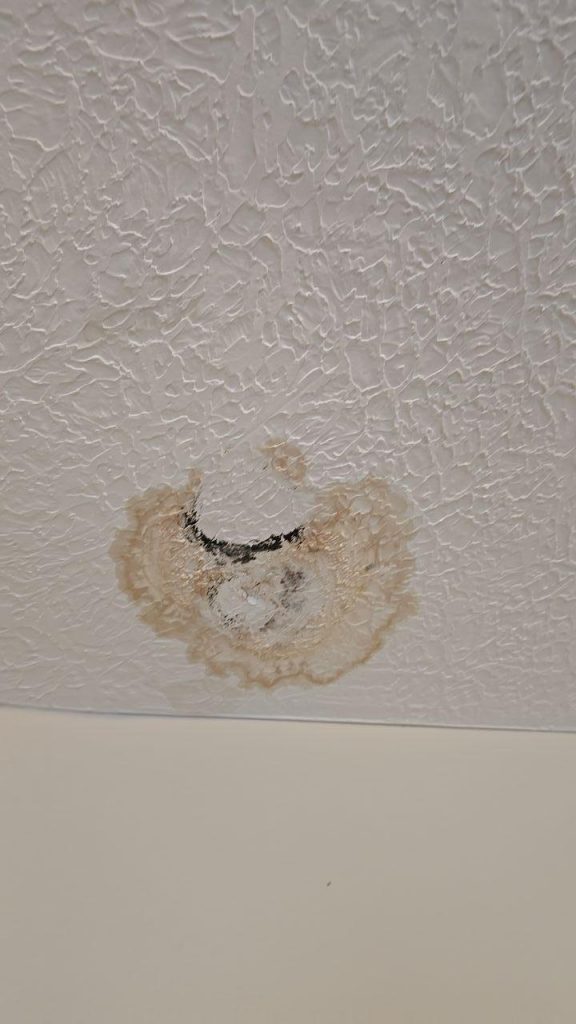
Brown, yellow, or gray staining on basement walls shows where water has previously entered. These stains map your basement’s vulnerability to future flooding. Dark staining near the floor indicates groundwater seepage. Staining higher on walls suggests surface water intrusion from poor drainage or gutter problems.
How Can You Prevent Basement Flooding This Spring?
What Is the Most Important Maintenance Task?
Gutter cleaning and maintenance prevents more basement flooding than any other single action. Clean gutters in early spring before heavy rains begin. Ensure downspouts extend at least six feet from your foundation. Install gutter guards to minimize debris accumulation. Check that gutters slope properly toward downspouts without sagging sections that collect standing water.
How Do You Ensure Your Sump Pump Works When Needed?
Test your sump pump monthly during spring by pouring water into the sump pit until the float triggers. Listen for unusual noises indicating worn bearings or impeller problems. Verify the discharge line is clear and directs water far from your foundation. Install a battery backup system and test it regularly. Consider a water-powered backup pump that requires no electricity.
Should You Seal Foundation Cracks Yourself?
Small hairline cracks can be sealed with hydraulic cement or epoxy injection products available at hardware stores. However, cracks wider than one-quarter inch, horizontal cracks, or cracks showing signs of movement require professional evaluation. Improperly sealed cracks may simply redirect water to other vulnerable areas rather than solving the underlying problem.
What Landscaping Changes Prevent Flooding?
Ensure soil slopes away from your foundation at a minimum grade of six inches over ten feet. Add soil near your foundation if needed to establish proper grade. Remove or relocate plants with extensive root systems near your foundation. Install French drains in problem areas to redirect groundwater away from your home.
How Does a Backwater Valve Protect Your Basement?
Backwater valves install in your main sewer line and prevent sewage from flowing backward into your home during system overload. When municipal sewers back up during spring storms, the valve automatically closes. This inexpensive device prevents catastrophic sewage backups that create massive damage and health hazards.
What Should You Know About Interior Drainage Systems?
Interior perimeter drainage systems collect water before it enters your living space. These systems install inside your basement along the foundation perimeter, capturing water and directing it to a sump pump. While more expensive than exterior solutions, interior systems work in situations where exterior excavation is impossible or impractical.
Can Exterior Waterproofing Stop Spring Flooding?
Exterior waterproofing creates a barrier preventing water from entering your foundation. This involves excavating around your foundation, applying waterproof coatings or membranes, and installing drainage systems. While expensive and disruptive, exterior waterproofing provides comprehensive protection for homes with chronic flooding problems.
What Should You Do If Your Basement Floods?
Is It Safe to Enter a Flooded Basement?
Never enter a flooded basement if water reaches electrical outlets, appliances, or your electrical panel. Standing water conducts electricity and creates lethal shock hazards. Shut off electricity to your basement from your main panel before entering. If your main panel is in the flooded area, call your utility company to disconnect power.
How Quickly Should You Remove Water?
Remove standing water as quickly as safely possible. Every hour water remains increases damage to materials, promotes mold growth, and risks structural problems. Use a sump pump, wet vacuum, or buckets depending on water depth and available equipment. Document damage with photos before removing water for insurance purposes.
What Items Should You Prioritize Saving?
Remove valuable items, electronics, important documents, and irreplaceable keepsakes first. Elevate furniture on blocks if removal is impossible. Peel back wet carpet and remove wet padding immediately to prevent mold growth. Remove wet drywall that cannot dry within 48 hours.
When Should You Call Professional Restoration Services?
Call professionals immediately for flooding deeper than two inches, sewage backups, or situations where you cannot quickly remove water yourself. Professional restoration companies have industrial-grade equipment that extracts water, dries structures, and prevents mold growth far more effectively than consumer equipment.
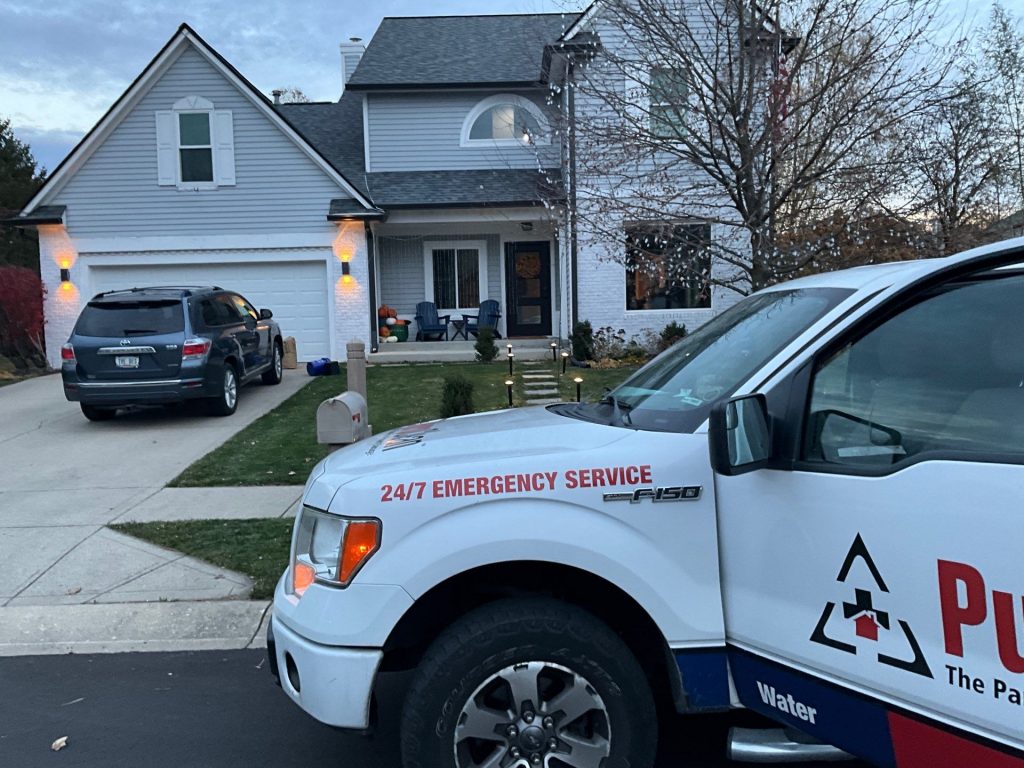
PuroClean Disaster Restoration serves Greenfield and the greater Indianapolis area with 24/7 emergency response. Their certified technicians assess damage, extract water, dry your basement, and restore your property to pre-loss condition. Do not wait for water damage to worsen. Call (317) 467-4436 for immediate assistance.
What Questions Should You Ask When Hiring Restoration Services?
Are They Available 24/7 for Emergencies?
Basement flooding does not wait for business hours. Choose a restoration company that responds immediately, day or night, weekends, and holidays. Quick response limits damage and reduces total restoration costs.
What Certifications and Training Do Technicians Have?
Look for IICRC (Institute of Inspection, Cleaning and Restoration Certification) certified technicians. This certification ensures technicians follow industry standards for water damage restoration, mold remediation, and structural drying.
Will They Work With Your Insurance Company?
Reputable restoration companies work directly with insurance adjusters, document damage thoroughly, and provide detailed estimates. This expertise helps you receive fair insurance settlements and removes stress during an already difficult situation.
What Equipment and Methods Do They Use?
Professional restoration requires industrial dehumidifiers, air movers, moisture meters, thermal imaging cameras, and specialized extraction equipment. Ask about their equipment inventory and drying methodology to ensure comprehensive restoration.
How Can You Prepare for Future Spring Flooding?
What Should Your Emergency Kit Include?
Assemble a basement flooding emergency kit containing flashlights, batteries, a battery-powered radio, rubber boots, gloves, a wet/dry vacuum, plastic bins for emergency storage, and contact information for emergency services and restoration companies. Store this kit in an easily accessible location outside your basement.
Should You Document Your Basement Contents?
Photograph or video your basement contents annually, documenting furniture, appliances, stored items, and their condition. Store this documentation in cloud storage or outside your home. This record proves ownership and condition for insurance claims.
What Records Should You Keep?
Maintain records of all basement maintenance, repairs, waterproofing work, and improvements. Document sump pump purchases, battery replacements, and testing results. These records demonstrate responsible homeownership to insurance companies and help diagnose recurring problems.
How Often Should You Inspect Your Basement?
Inspect your basement monthly during spring, looking for new cracks, water stains, musty odors, increased humidity, or sump pump problems. After every major storm, check for new damage even if no flooding occurred. Early detection prevents small problems from becoming major disasters.
What Are Common Mistakes Homeowners Make?
Why Is Delaying Repairs Dangerous?
Small foundation cracks and minor drainage problems progressively worsen. A crack that allows seepage this spring will allow flooding next spring. Delaying affordable repairs now leads to expensive emergency restoration later.
Can You Over-rely on Sump Pumps?
Sump pumps are essential but should not be your only defense. Relying exclusively on mechanical systems ignores prevention. Proper grading, gutter maintenance, and foundation sealing reduce water reaching your sump pump, extending pump life and providing redundant protection.
Is DIY Waterproofing Effective?
Simple maintenance like gutter cleaning and minor crack sealing are appropriate DIY projects. However, serious waterproofing, foundation repair, and drainage system installation require professional expertise. Improper DIY waterproofing wastes money and may worsen problems.
Should You Ignore Small Amounts of Water?
Many homeowners dismiss minor seepage or dampness as normal. Any water in your basement indicates a problem requiring attention. Small issues today become major flooding tomorrow when spring storms overwhelm compromised systems.
Frequently Asked Questions
How much does basement flooding damage typically cost?
Average basement flooding damage ranges from $3,000 to $10,000 for minor flooding affecting unfinished basements. Finished basements with extensive water damage can exceed $25,000. Sewage backups requiring sanitization and material removal often cost $7,000 to $15,000. These figures do not include contents replacement or temporary housing costs.
Does homeowners insurance cover basement flooding?
Standard homeowners insurance covers sudden, accidental water damage from burst pipes or sump pump failures but typically excludes groundwater seepage and surface water flooding. Sewer backup coverage requires a separate endorsement. Flood insurance through FEMA covers some flooding scenarios but has limitations. Review your policy carefully and consider additional coverage.
How long does it take to dry a flooded basement?
Professional restoration typically dries basements within three to five days using industrial equipment. DIY drying may take one to two weeks depending on flooding severity, ventilation, and weather conditions. Structural materials like concrete and wood framing require longer drying times than surface materials.
Can flooded basements develop mold?
Mold begins growing within 24 to 48 hours in wet environments. Flooded basements provide ideal conditions for rapid mold proliferation. Professional water extraction and structural drying prevent mold growth. Once established, mold requires specialized remediation that significantly increases restoration costs.
What is hydrostatic pressure and how does it cause flooding?
Hydrostatic pressure occurs when water-saturated soil surrounds your foundation. The weight of this water creates pressure against basement walls and floors. Sufficient pressure forces water through concrete pores, cracks, and joints even in seemingly solid foundations. This pressure increases dramatically during spring when groundwater levels peak.
Should you finish a basement prone to flooding?
Finishing a basement with flooding history is risky without first addressing underlying water intrusion problems. Invest in comprehensive waterproofing, drainage improvements, and sump pump systems before finishing. Use water-resistant materials like vinyl flooring, moisture-resistant drywall, and synthetic trim. Keep valuable finishes and furnishings on upper floors.
How effective are interior drainage systems?
Interior perimeter drainage systems effectively manage groundwater and foundation seepage when properly installed. These systems capture water before entering living space and direct it to sump pumps. Success rates exceed 95% when combined with proper sump pump maintenance and backup systems.
What should you do if your sump pump fails during a storm?
If your sump pump fails during flooding, immediately begin manual water removal using buckets, wet vacuums, or portable pumps. Contact emergency restoration services for professional water extraction. If possible, install a replacement sump pump immediately. Many home improvement stores stock emergency replacement pumps.
Conclusion
Spring basement flooding in Greenfield and Indianapolis results from predictable causes: rapid snowmelt, intense rainfall, aging infrastructure, and inadequate drainage. Understanding these risks allows you to implement prevention strategies before disaster strikes. Regular maintenance, proper drainage, functioning sump pumps, and sealed foundations provide multiple layers of protection.
When flooding does occur despite your best efforts, immediate professional response minimizes damage and prevents secondary problems like mold growth. PuroClean Disaster Restoration provides Greenfield homeowners with expert water damage restoration, 24/7 emergency response, and comprehensive recovery services.
Do not wait until you discover water in your basement. Implement prevention strategies now. If flooding occurs, call (317) 467-4436 immediately. Quick action protects your home, your belongings, and your family’s safety.
 PuroClean Disaster Restoration