 PuroClean Disaster Restoration
 Executive Summary
Winter water damage in Greenfield and Indianapolis can strike without warning through frozen pipe bursts, basement seepage from snowmelt, and ice dam roof leaks. This guide provides immediate action steps, explains the science behind winter water emergencies, shares a real restoration story, and connects you with professional help. If you’re experiencing water damage right now, call PuroClean Disaster Restoration at (317) 467-4436 for 24/7 emergency response.
What Causes Pipes to Burst During Indiana Winters?
Water expands by about 9% when it freezes. In Greenfield and Indianapolis, where temperatures can plunge below 20°F for extended periods, this expansion creates immense pressure inside your plumbing. Pipes in exterior walls, unheated crawl spaces, and attics face the highest risk.
The bursting doesn’t always happen at the frozen section. Pressure builds between the frozen blockage and a closed faucet, causing the pipe to fail at its weakest point. When temperatures rise and the ice melts, water floods your home at a rate of 400 to 600 gallons per hour from a single broken pipe.
How Quickly Should I Respond to a Pipe Burst Emergency?
Every minute counts. Water damage follows a progression:
Within the first hour, water soaks into flooring, drywall, and furniture. Between 1 to 24 hours, mold begins developing, especially in Indiana’s climate where humidity already challenges indoor air quality. Structural materials start swelling and warping.
After 48 hours, mold growth accelerates dramatically. Contamination risks increase, and restoration costs can triple compared to immediate response.
If you discover a burst pipe in Greenfield or surrounding Indianapolis neighborhoods, shut off your main water valve immediately and call PuroClean Disaster Restoration at (317) 467-4436. Professional extraction and drying equipment can prevent secondary damage that homeowner efforts cannot address.
What Are Ice Dams and Why Do They Form on Indiana Homes?
Ice dams develop when heat escapes through your roof, melting snow that refreezes at the colder eaves. This creates a barrier of ice that traps subsequent meltwater, forcing it backward under shingles and into your home.
Greenfield homes with insufficient attic insulation or ventilation are particularly vulnerable. The cycle intensifies during Indiana’s freeze-thaw patterns common in January and February.
Signs of ice dam damage include:
- Icicles along gutters (especially large formations)
- Water stains on ceilings near exterior walls
- Peeling paint or wallpaper in upper-floor rooms
- Damp insulation in attic spaces
- Ice buildup at roof edges exceeding 2 inches thick
Can Basement Seepage Happen Even Without Visible Cracks?
Yes, absolutely. Hydrostatic pressure from saturated soil around your foundation forces water through microscopic openings invisible to the naked eye. When snow accumulates around Greenfield homes then rapidly melts during warm spells, the ground becomes waterlogged.
This pressure can exceed 1,000 pounds per square foot against your foundation walls. Even newer homes experience seepage when:
- Gutters discharge too close to the foundation
- Grading slopes toward rather than away from the house
- Footer drains become clogged with sediment
- The water table rises seasonally
Basement seepage often appears first at floor-wall joints, through mortar between concrete blocks, or via window wells.
The February Freeze That Changed Everything
Tom and Sarah Mitchell had lived in their Greenfield home for twelve years without a single plumbing problem. On a Wednesday morning in mid-February, Tom left for work at 6:30 AM with temperatures at 8°F. Sarah worked from their home office in the finished basement.
Around 10 AM, she heard what sounded like rain, but the sky was clear. Following the sound to the utility room, she discovered water spraying from a burst pipe in the ceiling. The main water valve was stuck from years without use. By the time she shut off water at the street, three inches of water covered 900 square feet of finished basement.
Sarah called her insurance company first, who referred her to PuroClean Disaster Restoration. The team arrived within 90 minutes with industrial extraction equipment, air movers, and dehumidifiers.
“I thought we’d lost everything,” Sarah recalls. “The carpet, the drywall, our furniture. But the PuroClean team explained that fast response makes all the difference.”
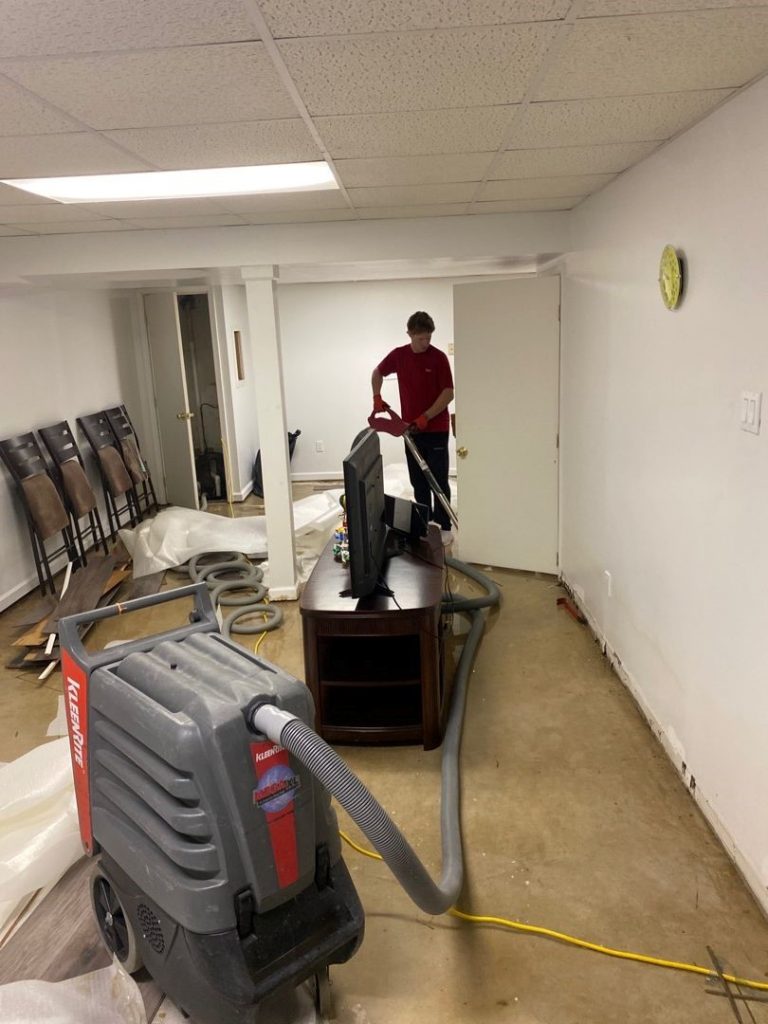
The crew extracted standing water, removed soaked materials that couldn’t be saved, and set up a drying system that ran for four days. Moisture meters confirmed everything was dry before reconstruction began. What could have resulted in $35,000 in total damage and mold remediation cost $12,000 because of immediate professional intervention.
Tom later discovered the burst occurred in a pipe running along an exterior wall where insulation had settled over the years. “We had no idea that wall cavity had become vulnerable,” he explains. “Now we know prevention is cheaper than repair.”
The Mitchells now keep their thermostat at 55°F minimum when traveling, open cabinet doors under sinks during freezes, and have PuroClean’s number saved in their phones.
What Should I Do Immediately When I Discover Water Damage?
Your first actions determine whether you face minor repairs or major reconstruction:
Stop the water source. Shut off the main valve for pipe bursts. For roof leaks, place containers to catch dripping water and move belongings away from affected areas.
Document everything. Take photos and videos before touching anything. Insurance claims require visual evidence of damage extent.
Remove standing water. Use towels, mops, or a wet vacuum for small amounts. Standing water continues damaging materials every minute it remains.
Contact professionals immediately. Water damage restoration requires specialized equipment. Call PuroClean Disaster Restoration at (317) 467-4436 for 24/7 emergency service in Greenfield and Indianapolis. Their certified technicians arrive equipped with truck-mounted extraction units, industrial dehumidifiers, and thermal imaging cameras that detect hidden moisture.
Move valuables to dry areas. Lift furniture onto blocks, remove area rugs, and relocate electronics and documents.
Don’t use home fans or heaters. Without proper air movement patterns, you’ll spread moisture into unaffected areas and create ideal conditions for mold.
How Long Does Professional Water Damage Restoration Take?
Timeline varies based on damage severity, affected materials, and moisture levels. Most Greenfield residential projects follow this pattern:
Emergency response and water extraction: 2 to 4 hours. Professionals remove standing water and begin initial drying.
Drying and dehumidification: 3 to 5 days. Equipment runs continuously while technicians monitor moisture levels twice daily. They adjust equipment placement based on readings.
Cleaning and sanitizing: 1 to 2 days. After drying completes, affected areas receive antimicrobial treatment.
Restoration and repairs: 1 to 2 weeks. This includes replacing drywall, flooring, insulation, and repainting.
PuroClean Disaster Restoration works directly with insurance companies to streamline the process. Their documentation meets adjuster requirements, reducing claim approval time.
Will My Homeowners Insurance Cover Winter Water Damage?
Coverage depends on the cause and your specific policy. Most standard Indiana homeowners policies cover sudden and accidental water damage from:
- Burst pipes from freezing
- Ice dam roof leaks
- Appliance supply line failures
- Water heater ruptures
Policies typically exclude damage from:
- Lack of maintenance (if you knew about a problem and didn’t fix it)
- Flooding from outside water sources (requires separate flood insurance)
- Seepage from long-term foundation issues
- Frozen pipe bursts when the home was vacant and not maintained at minimum temperatures
Review your policy’s specific language. The typical deductible for water damage in Indiana ranges from $500 to $2,500. Many policies have special provisions for winter-related claims.
When you call PuroClean Disaster Restoration at (317) 467-4436, their team can help you understand what documentation your insurance company needs and communicate directly with adjusters to expedite your claim.
What Makes Basement Seepage Worse During Winter Thaws?
Indianapolis and Greenfield experience dramatic temperature swings. A week of accumulated snow can melt in 48 hours when temperatures jump from 15°F to 45°F. This creates several problems simultaneously:
Frozen ground prevents water absorption. The top layer of soil freezes solid during cold snaps. When snow melts, water cannot percolate down and instead runs horizontally toward your foundation.
Gutters and downspouts may be frozen or clogged with ice. Meltwater overflows directly against your home’s foundation instead of being channeled away.
Sump pumps can fail from power outages during winter storms. Even a few hours without pumping allows water to rise above the basement floor level.
Foundation drains become ice-blocked. The perforated pipes that normally channel water away from footers can freeze solid, eliminating their protective function.
How Can I Prevent Ice Dams From Forming?
Prevention requires addressing heat loss and ensuring proper drainage:
Improve attic insulation. Aim for R-38 to R-60 in Indiana climates. This keeps warmth in living spaces rather than melting roof snow.
Ensure adequate attic ventilation. Soffit and ridge vents maintain cold attic temperatures that prevent uneven snowmelt. You want attic temperature to match outside temperature.
Seal air leaks. Gaps around chimneys, plumbing vents, and recessed lights allow warm air into attics. Seal these with appropriate materials.
Keep gutters clean. Debris-free gutters and downspouts channel meltwater away from your home even during partial thaw cycles.
Consider roof heating cables. For homes with chronic ice dam problems, electric heating cables along eaves can prevent ice formation during critical temperature ranges.
If you notice ice dam formation starting, contact professionals rather than attempting roof access during winter conditions. PuroClean Disaster Restoration at (317) 467-4436 can assess the situation and coordinate with roofing specialists when needed.
What Temperature Should I Keep My Home When Traveling in Winter?
Never set your thermostat below 55°F when away from your Greenfield or Indianapolis home. Pipes in exterior walls and unheated spaces need consistent warmth to prevent freezing.
Additional precautions for winter travel:
- Open cabinet doors under sinks to allow warm air circulation around pipes
- Shut off and drain the water supply to washing machines if they’re against exterior walls
- Ask a neighbor or friend to check your home daily
- Install a smart thermostat with alerts if temperature drops unexpectedly
- Know the location of your main water shutoff valve and ensure it’s functional
- Consider shutting off main water and draining pipes for extended absences over two weeks
Many Greenfield residents have returned from holiday travel to discover burst pipe disasters. A few simple precautions cost nothing but prevent catastrophic damage.
Should I Attempt DIY Water Extraction or Call Professionals?
For small incidents like an overflowed sink or toilet affecting one room with less than one inch of standing water, careful DIY extraction might suffice. Use a wet vacuum, mop thoroughly, and run fans and dehumidifiers for 48 to 72 hours.
You need professionals when:
- Water covers more than one room
- Water depth exceeds one inch
- Water has been standing for more than an hour
- The source is a burst pipe or major leak
- Carpet padding is soaked
- Water has reached wall cavities
- Basement seepage affects finished spaces
- You see or smell mold within 48 hours
- Water is contaminated (from sewage backup or outside sources)
Professional equipment makes a decisive difference. Commercial extractors remove 95% of standing water compared to 30% to 40% for shop vacuums. Industrial dehumidifiers process 10 to 20 times more moisture than home units. Thermal imaging cameras detect hidden water behind walls and under floors that causes problems weeks later.
PuroClean Disaster Restoration brings this equipment to your Greenfield home typically within two hours of your call to (317) 467-4436. Their technicians hold IICRC certifications in water damage restoration and use moisture meters to verify complete drying before considering the job finished.
What Hidden Damage Should I Watch for After Water Problems?
Water damage reveals itself progressively. Initial problems you can see often mask deeper issues:
Mold growth behind walls. Even after visible areas dry, moisture trapped in wall cavities feeds mold growth. Musty odors, unexplained allergies, or visible spots appearing weeks later indicate hidden colonies.
Weakened floor joists and subfloors. Water-damaged wood loses structural integrity. Floors may feel spongy or sag months after an incident.
Electrical hazards. Water and electricity create dangerous combinations. Outlets, switches, and junction boxes exposed to water need professional electrical inspection.
Rust and corrosion. Metal components including ductwork, appliances, and structural supports corrode after water exposure. This process continues even after surfaces dry.
Foundation cracks. Hydrostatic pressure from saturated soil can create new foundation damage or worsen existing minor cracks.
Professional restoration includes moisture mapping that identifies these hidden risks. PuroClean Disaster Restoration’s comprehensive approach prevents secondary damage that causes insurance headaches months later.
How Does Professional Water Extraction Differ From Using Home Equipment?
The difference comes down to power, capacity, and precision.
Extraction volume. Truck-mounted extractors remove 20 to 30 gallons per minute. The strongest home shop vacuum removes about 2 gallons per minute. In a basement with 1,000 gallons of standing water, professionals complete extraction in under an hour compared to 8 hours or more with home equipment.
Drying capacity. Professional-grade dehumidifiers remove 100 to 200 pints of moisture daily. Home dehumidifiers typically remove 30 to 50 pints daily. This difference determines whether drying takes 3 days or 2 weeks.
Air movement. Restoration companies position multiple air movers to create specific airflow patterns that dry hidden areas. Random fan placement often just moves moisture to new locations.
Monitoring technology. Professionals use moisture meters, thermal cameras, and hygrometers to track progress scientifically. They know exactly when materials reach safe moisture levels rather than guessing based on how things look or feel.
Antimicrobial treatment. Professional restoration includes EPA-registered antimicrobials that prevent mold growth during and after drying.
When you call PuroClean Disaster Restoration at (317) 467-4436, you’re accessing this comprehensive system rather than just renting individual pieces of equipment.
What Questions Should I Ask a Water Damage Restoration Company?
Before work begins, verify you’re working with qualified professionals:
Are you available 24/7 for emergency response? Water damage doesn’t wait for business hours. Companies specializing in emergency restoration maintain around-the-clock availability.
Do your technicians hold IICRC certifications? The Institute of Inspection, Cleaning and Restoration Certification sets industry standards. Certified technicians understand proper protocols.
Will you work directly with my insurance company? The best companies handle communication with adjusters, provide documentation that meets insurance requirements, and help navigate claims.
What equipment will you use? Expect detailed answers about extraction methods, dehumidifier types, air mover placement, and monitoring technology.
How do you determine when drying is complete? Moisture meter readings should reach specific levels verified through documentation, not visual inspection alone.
What is your typical response time? For emergencies, expect arrival within 2 to 4 hours maximum in the Greenfield and Indianapolis area.
PuroClean Disaster Restoration provides clear answers to these questions and welcomes the opportunity to explain their process before beginning work.
Frequently Asked Questions
Can I stay in my home during water damage restoration?
It depends on the damage extent and location. If restoration is confined to a basement or single room and your HVAC system isn’t running, you can often remain safely in other areas. Extensive damage requiring multiple rooms of equipment may make staying uncomfortable due to noise and restricted access. Safety concerns like electrical hazards or mold contamination may require temporary relocation. Your restoration company will provide specific guidance for your situation.
How much does emergency water damage restoration cost in Greenfield?
Costs vary based on water volume, affected square footage, and damage severity. Small incidents affecting one room typically range from $1,200 to $3,500. Whole-basement flooding averages $4,000 to $8,000. Extensive multi-level damage can reach $15,000 or more. Insurance typically covers most costs after your deductible for covered incidents. PuroClean Disaster Restoration provides detailed estimates and works with your insurance company to maximize coverage.
What’s the difference between water damage restoration and water damage repair?
Restoration focuses on drying, cleaning, and preventing secondary damage like mold. It addresses the water problem itself. Repair involves fixing or replacing damaged materials like drywall, flooring, or cabinetry. Most projects require both phases. Restoration happens first and must be complete before repairs begin, or you’ll trap moisture behind new materials.
Will water damage always lead to mold?
Not if you act quickly. Mold requires moisture, oxygen, and organic material (like wood or drywall). Eliminating moisture within 24 to 48 hours prevents mold establishment. Professional drying achieves this timeline reliably. Delayed response or incomplete drying creates perfect mold conditions. Once mold establishes colonies, you need separate remediation before restoration can proceed.
My basement flooded, but it’s finished concrete. Do I still need professional help?
Yes. Concrete absorbs significant moisture and takes much longer to dry than you’d expect. Moisture in concrete wicks up into wall framing, insulation, and drywall. Without proper drying, you’ll develop mold in wall cavities weeks later. Professionals use specialized equipment to dry concrete thoroughly and verify safe moisture levels before damage occurs in adjacent materials.
How can I tell if my pipes are at risk of freezing?
Check for pipes in unheated areas: crawl spaces, attics, garages, exterior walls, and cabinets along outside walls. If you can see your breath in these spaces, pipes are at risk. Feel pipes during cold weather. If they’re cold to the touch, they’re vulnerable. Listen for reduced water flow from faucets, which might indicate ice formation beginning. Take preventive action before temperatures drop below 20°F and especially during extended freezes.
What should I do if I smell mold but don’t see it?
Contact professionals immediately for moisture assessment and mold inspection. Musty odors indicate hidden mold growth, often in wall cavities, under flooring, or in HVAC systems. Visible mold represents only a small fraction of total growth. Professional moisture meters and thermal cameras locate hidden water sources feeding mold. PuroClean Disaster Restoration at (317) 467-4436 provides comprehensive assessment and can coordinate mold remediation if needed.
Can frozen gutters cause water damage?
Absolutely. Ice-clogged gutters force meltwater over the sides directly against your foundation, creating basement seepage. Heavy ice loads can also tear gutters loose, damaging soffits and fascia. As temperatures fluctuate, meltwater backs up under roof shingles. Safely remove snow from gutters when possible, or contact professionals for difficult situations. Never climb onto icy roofs yourself.
Conclusion
Winter water damage emergencies in Greenfield and Indianapolis require immediate professional response. Whether you’re facing burst pipes spraying hundreds of gallons per hour, basement seepage from rapid snowmelt, or ice dam leaks ruining ceilings, the first hours determine your total damage and cost.
Remember the Mitchell family’s story. Quick professional action transformed a potential $35,000 disaster into manageable repairs. The difference was a single phone call.
PuroClean Disaster Restoration serves Greenfield, Indianapolis, and surrounding communities 24 hours a day, 7 days a week. Their IICRC-certified technicians arrive with truck-mounted extraction equipment, industrial drying systems, and moisture detection technology. They work directly with your insurance company to streamline claims and restore your home to pre-damage condition.
Don’t wait for water damage to worsen or mold to develop. If you’re experiencing any winter water emergency, call PuroClean Disaster Restoration now at (317) 467-4436. Professional help is available immediately, and every minute counts in protecting your Greenfield home.


 PuroClean Disaster Restoration