 PuroClean Disaster Restoration
 Executive Summary
Mold exposure in Greenfield and Indianapolis homes can trigger or worsen skin conditions including rashes, eczema, and psoriasis. This comprehensive guide explains the scientific connection between mold and skin reactions, helps you identify symptoms, and provides actionable steps to protect your family’s health. If you’re experiencing unexplained skin issues and suspect mold in your home, understanding this link could be critical to your recovery.
The Connection Between Mold and Your Skin: What Science Tells Us
Mold isn’t just an unsightly problem in your home. It’s a living organism that releases spores, mycotoxins, and volatile organic compounds into the air you breathe. When these particles contact your skin or enter your body through inhalation, they can trigger inflammatory responses that manifest as skin conditions.
Your skin serves as your body’s first line of defense. When mold spores land on your skin or when your immune system reacts to inhaled mold particles, it can create various dermatological responses. The severity depends on your individual sensitivity, the type of mold present, and the duration of exposure.
Can Mold Actually Cause Skin Rashes?
Yes, mold can absolutely cause skin rashes. When mold spores come into direct contact with your skin, they can cause contact dermatitis. This appears as red, itchy patches that may blister or weep. The reaction happens because your immune system recognizes mold as a foreign invader and responds with inflammation.
The most common mold-related rash appears as:
Small red bumps or welts that itch intensely, particularly where skin contacted moldy surfaces. Raised, inflamed patches that may feel warm to the touch. Hives or urticaria that appear suddenly after mold exposure. Dry, scaly areas that crack or peel.
In Indianapolis homes, basement mold is particularly problematic because people often handle stored items without realizing they’re contaminated. Simply touching a moldy box can transfer spores to your skin and trigger a reaction within hours.
Does Mold Exposure Trigger Eczema Flare-Ups?
Mold is a documented trigger for eczema, also called atopic dermatitis. If you already have eczema, mold exposure can make your condition significantly worse. If you’ve never had eczema before, prolonged mold exposure can actually cause it to develop, especially in children and people with allergic tendencies.
The relationship works through your immune system. Mold triggers the release of histamines and other inflammatory chemicals. These substances cause the characteristic symptoms of eczema: intense itching, dry and sensitive skin, inflamed and discolored patches, oozing or crusting when scratched, and thickened skin from chronic scratching.
Research shows that children living in mold-contaminated homes have a 50% higher risk of developing eczema compared to children in mold-free environments. For Greenfield families dealing with Indiana’s humid summers, this risk increases because moisture creates ideal conditions for mold growth.
What About Psoriasis and Mold Exposure?
The connection between mold and psoriasis is more complex but equally concerning. Psoriasis is an autoimmune condition where skin cells multiply too quickly, creating thick, scaly patches. While mold doesn’t directly cause psoriasis, it can trigger flare-ups in people who already have the condition or activate dormant genetic predispositions.
Mold affects psoriasis through immune system activation. When your body constantly fights mold exposure, it keeps your immune system in an overactive state. For people with psoriasis, this chronic immune activation can trigger the inflammatory cascade that causes skin cells to overproduce.
Many Indianapolis residents report their psoriasis worsens during specific seasons, not realizing that seasonal mold growth in their homes correlates with their flare-ups. Spring and fall, when indoor and outdoor humidity levels fluctuate dramatically, often bring increased mold growth and corresponding psoriasis symptoms.
The Martinez Family’s Struggle
The Martinez family moved into their dream home in Greenfield in early spring. Within three months, their eight-year-old daughter Emma developed severe eczema on her arms and legs. She had never had skin problems before. Her parents tried every cream and medication their pediatrician prescribed, but nothing helped for more than a few days.
Mrs. Martinez developed mysterious rashes on her hands that wouldn’t heal. She assumed it was stress from her new job. Mr. Martinez started noticing itchy patches on his chest and back, which he attributed to trying a new laundry detergent.
The breakthrough came when Emma’s symptoms completely disappeared during a two-week visit to her grandparents. Within 48 hours of returning home, her eczema returned with a vengeance. This pattern made Mrs. Martinez suspicious. She called a professional to inspect their home.
The inspector discovered extensive mold growth behind the bathroom wall, which shared plumbing with Emma’s bedroom. The slow leak had been present since before they purchased the home, creating a massive mold colony that was releasing spores throughout the house through the ventilation system. The entire family was reacting to the same mold exposure, each in different ways based on their individual immune responses.
After professional mold remediation by PuroClean Disaster Restoration, Emma’s eczema cleared up within three weeks. Mrs. Martinez’s hand rashes disappeared within ten days. Mr. Martinez’s itchy patches resolved completely. The family learned a painful but important lesson: unexplained skin conditions, especially when multiple family members are affected, warrant a mold inspection.
How to Tell If Your Skin Problems Are Mold-Related
Identifying mold as the culprit behind your skin issues requires detective work. Watch for these telltale patterns:
Your symptoms worsen when you’re at home and improve when you’re away for extended periods. Multiple family members develop skin problems around the same time, even if the symptoms differ. Your skin conditions don’t respond to typical treatments or keep returning after they initially improve. You notice a musty smell in your home, particularly in basements, bathrooms, or areas with water damage. Your symptoms coincide with visible mold growth, water leaks, or high humidity in your home.
The timing of symptom onset matters. If your skin problems started shortly after moving into a new home, after water damage from flooding or plumbing issues, or during seasons when your Indianapolis area home experiences high humidity, mold exposure should be strongly considered.
Which Types of Mold Affect Your Skin Most?
While any mold can potentially cause skin reactions, certain varieties are more problematic. Stachybotrys chartarum, commonly called black mold, produces mycotoxins that frequently trigger severe skin reactions. This mold grows on water-damaged materials containing cellulose, like drywall and wood, making it common in homes that have experienced flooding or chronic leaks.
Aspergillus species are another major concern. These molds appear in various colors and grow on numerous surfaces. They’re particularly common in HVAC systems, where they spread spores throughout your home every time the system runs. Many Greenfield residents with central air conditioning unknowingly circulate Aspergillus spores that contact their skin and trigger reactions.
Penicillium grows rapidly on water-damaged materials and produces a distinctive musty odor. It commonly appears as blue or green fuzzy growth and frequently triggers allergic skin reactions. Cladosporium, while less toxic than black mold, is one of the most common indoor molds and regularly causes contact dermatitis in sensitive individuals.
What Happens to Your Skin During Mold Exposure?
Understanding the biological process helps explain why mold affects your skin so profoundly. When mold spores contact your skin, your immune system may recognize them as threats. This triggers a release of inflammatory chemicals like histamines and cytokines, which cause blood vessels to dilate and become more permeable.
This inflammatory response creates the redness, swelling, and heat you feel in affected skin areas. The itching occurs because nerve endings become sensitized by the inflammatory chemicals. When you scratch, you create tiny breaks in your skin barrier, allowing more irritants to enter and perpetuating the cycle.
For people with eczema, mold exposure disrupts the skin’s protective barrier function. This allows moisture to escape and irritants to enter more easily, creating the characteristic dry, cracked appearance. The constant inflammation also triggers your immune system to remain hyperactive, making your skin increasingly sensitive over time.
With psoriasis, mold-induced immune activation accelerates the skin cell production cycle. Normally, skin cells take about a month to mature and shed. In psoriasis, this happens in just days, causing cells to pile up and create thick, scaly patches. The chronic inflammation from mold exposure keeps this accelerated cycle running.
Can You Develop Long-Term Skin Problems from Mold Exposure?
Short-term mold exposure typically causes temporary skin reactions that resolve once the exposure ends and your immune system calms down. However, chronic long-term exposure to mold in Indianapolis homes can lead to persistent skin conditions that continue even after the mold is removed.
Prolonged exposure can sensitize your immune system, making you increasingly reactive to smaller amounts of mold and other allergens. This phenomenon, called sensitization, means your body develops a hair-trigger response to mold. Even brief exposure can cause significant reactions where you previously tolerated the same level without problems.
Some individuals develop chronic urticaria, where hives appear regularly without obvious triggers. This happens because long-term mold exposure has dysregulated your immune system. Your mast cells, which release histamine, become hyperreactive and release their contents inappropriately.
Children are particularly vulnerable to long-term effects. Early childhood mold exposure has been linked to higher rates of eczema, asthma, and allergic conditions later in life. The developing immune system learns to be hyperreactive, potentially setting up a lifetime of sensitivity issues.
How Indoor Humidity Levels Affect Mold Growth and Your Skin
Indianapolis and Greenfield experience significant humidity fluctuations throughout the year. Summer humidity can create perfect conditions for mold growth in your home, while winter heating can create condensation problems. Both scenarios promote mold growth that affects your skin.
Mold thrives when indoor relative humidity exceeds 60%. At these levels, mold spores that have settled on surfaces can germinate and begin growing within 24 to 48 hours. Your bathroom, basement, kitchen, and any areas with poor ventilation are particularly susceptible.
Interestingly, humidity affects your skin directly as well. High humidity can make eczema worse by promoting bacterial growth on skin and increasing sweat that irritates inflamed areas. Low humidity dries out your skin, compromising its barrier function and making it more susceptible to irritants like mold spores.
The ideal indoor humidity range is 30% to 50%. This level inhibits mold growth while maintaining healthy skin barrier function. Many Greenfield homeowners benefit from using dehumidifiers in basements and other problem areas to maintain this range.
Where Mold Hides in Your Home and Affects Your Skin
Mold doesn’t always grow in obvious places. Understanding common hiding spots helps you identify potential sources of exposure that might be affecting your skin.
Behind walls where plumbing leaks have occurred, mold can grow extensively without visible signs from the living space. You might only notice a musty smell or unexplained skin reactions. Under carpeting, especially in basements or areas that have experienced water damage, mold colonies can flourish. Walking on these carpets releases spores that contact your skin.
Inside HVAC systems and air ducts, mold growth distributes spores throughout your entire home every time your heating or cooling runs. This creates whole-house exposure that can affect every family member. Under sinks where slow leaks go unnoticed, cabinets provide dark, moist environments perfect for mold. Reaching into these spaces exposes your hands and arms to direct contact.
In attics where roof leaks or condensation issues exist, mold can grow on insulation and wood framing. Heat rises, pulling these spores down into living areas. Behind refrigerators, washing machines, and other appliances, condensation and poor ventilation create mold-friendly conditions.
Should You Get Tested If You Suspect Mold-Related Skin Problems?
If you have persistent skin issues and suspect mold, both environmental testing and medical evaluation are worthwhile. For your home, professional mold inspection and testing can identify the presence, type, and concentration of mold. This information helps determine whether remediation is necessary and how extensive it needs to be.
Air quality testing measures the concentration of mold spores in your indoor air compared to outdoor levels. Significantly elevated indoor levels indicate a mold problem requiring attention. Surface testing identifies specific mold species growing in your home, which helps predict health effects and appropriate remediation methods.
For your health, skin patch testing by an allergist or dermatologist can determine if you’re allergic to specific mold types. This involves placing small amounts of mold allergens on your skin under patches and checking for reactions after 48 hours. Blood testing for mold-specific IgE antibodies can identify whether your immune system has developed sensitivity to particular mold species.
Some functional medicine practitioners offer mycotoxin testing, which measures mold toxins in your urine. While controversial in conventional medicine, these tests may help identify chronic mold exposure in people with persistent symptoms.
What to Do Immediately If You Suspect Mold Is Affecting Your Skin
If you notice skin problems that might be mold-related, take these immediate steps. First, inspect your home for visible mold and musty odors, paying special attention to bathrooms, basements, and areas with past water damage. Document what you find with photos and notes about locations.
Reduce your exposure by spending less time in areas where you’ve found mold or where the musty smell is strongest. Increase ventilation by opening windows when outdoor air quality is good and running exhaust fans in bathrooms and kitchens. Check and reduce your indoor humidity using a hygrometer to measure levels and a dehumidifier to maintain 30% to 50% relative humidity.
Clean visible mold on hard surfaces using appropriate methods, but understand that cleaning alone won’t solve underlying moisture problems. For contamination covering more than a few square feet, professional remediation is recommended. Fix any water leaks or moisture sources immediately, as ongoing moisture will cause mold to return even after cleaning.
See a healthcare provider about your skin symptoms. Bring photos of any mold you’ve found in your home. Your doctor can prescribe appropriate treatments and may refer you to an allergist or dermatologist for specialized care.
Professional Mold Remediation: When Is It Necessary?
Some mold situations require professional intervention. You should call experts when mold covers an area larger than about ten square feet, as this indicates a significant problem requiring specialized equipment and techniques. If mold is growing in your HVAC system, professional cleaning is essential because improper handling can distribute spores throughout your home.
When mold results from contaminated water like sewage backups, professional remediation is necessary due to additional health hazards. If anyone in your home has compromised immune function, respiratory conditions, or severe mold allergies, professional remediation protects vulnerable individuals from dangerous exposure levels during the cleanup process.
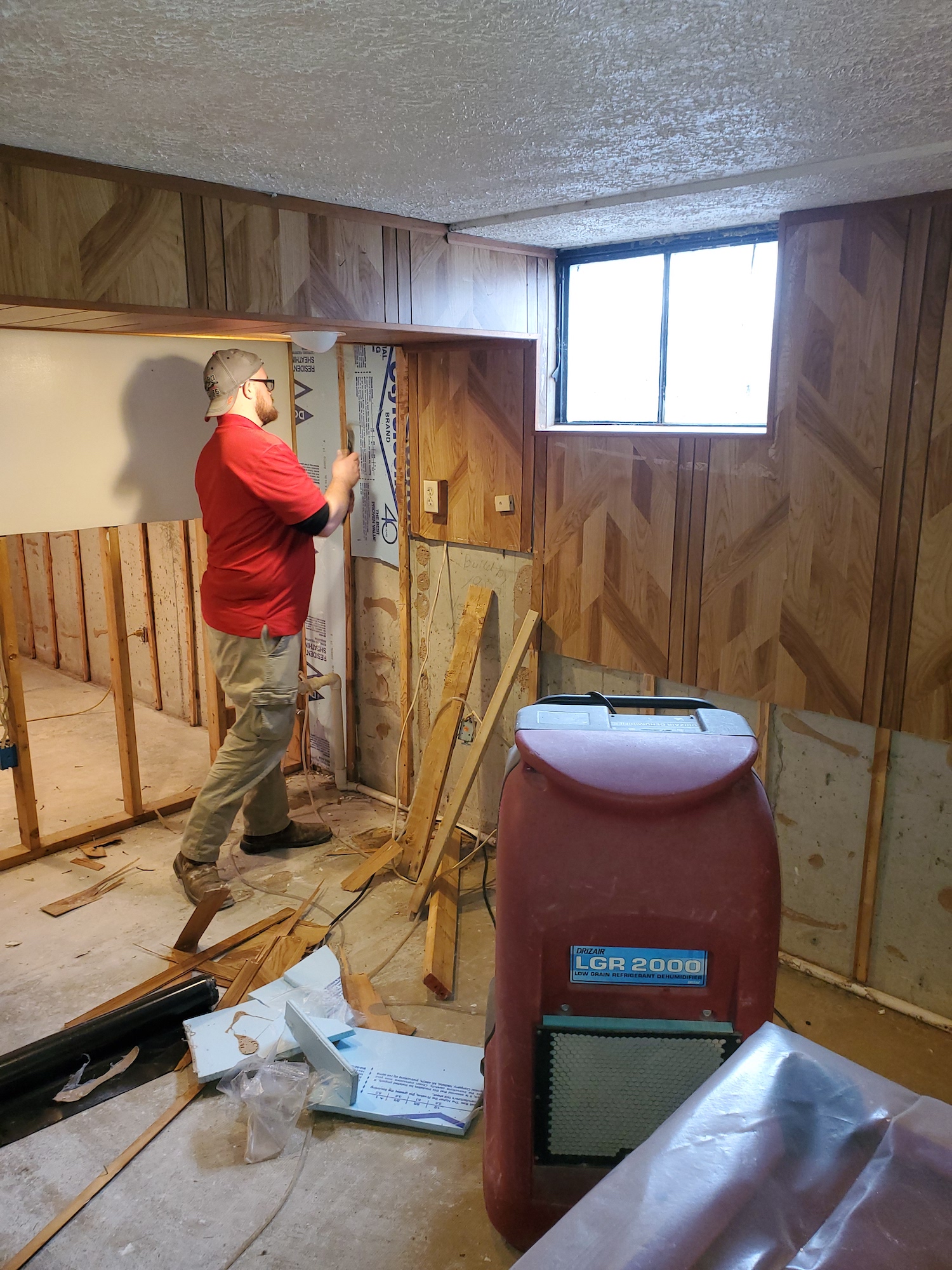
If mold has caused structural damage to your home, professionals can safely remove damaged materials and rebuild affected areas. When you’ve attempted DIY remediation but mold returns, professionals can identify and address underlying moisture sources you may have missed.
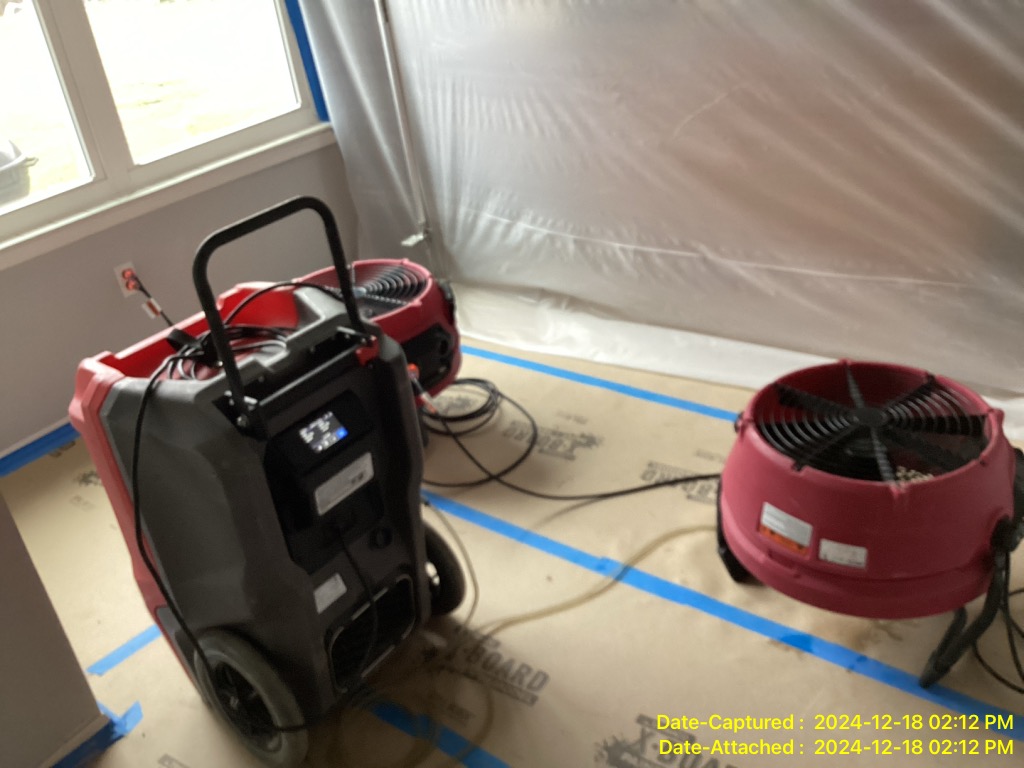
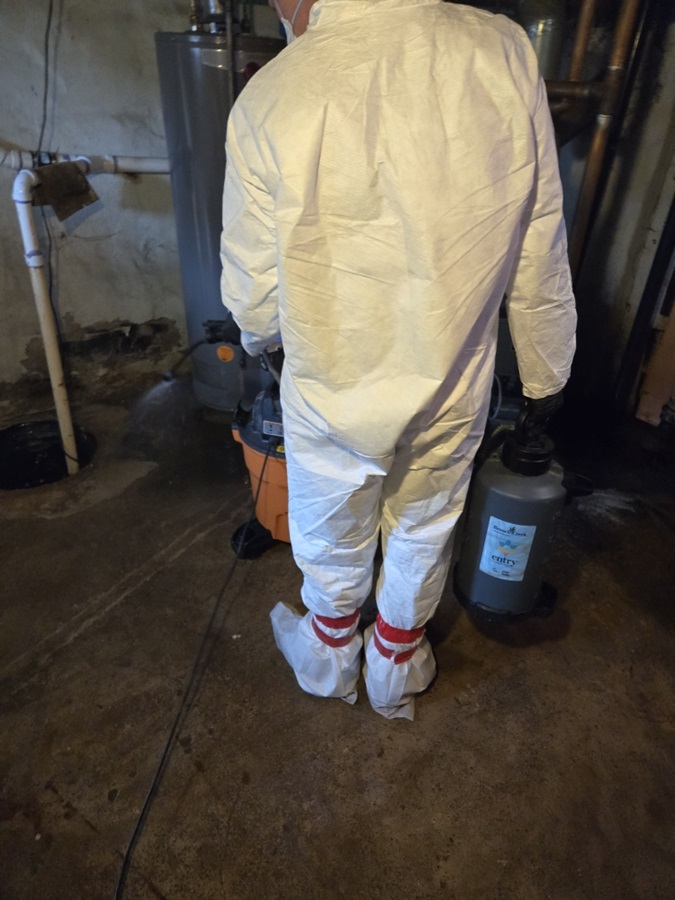
PuroClean Disaster Restoration in Greenfield and Indianapolis specializes in mold remediation with certified technicians who understand the health implications of mold exposure. They use containment procedures to prevent spore spread during removal, HEPA filtration to capture airborne spores, and proper disposal methods for contaminated materials.
How Long Until Your Skin Improves After Mold Removal?
The timeline for skin improvement after mold removal varies based on several factors. If you had acute contact dermatitis from touching moldy surfaces, you might see improvement within days to a week after the mold is removed and you stop contacting contaminated surfaces.
For eczema triggered by mold exposure, improvement typically occurs over two to four weeks as your immune system calms down and your skin barrier repairs itself. However, severely damaged skin may take longer to fully heal. Continued use of prescribed medications and moisturizers accelerates recovery.
Psoriasis flare-ups triggered by mold may take four to eight weeks to resolve after mold removal. Psoriasis has significant immune system involvement, and it takes time for inflammatory processes to settle. Some people find their psoriasis returns to pre-exposure baseline levels, while others may maintain some improvement if mold was a major trigger.
Chronic urticaria or persistent skin sensitivity from long-term mold exposure may require months to improve. Your immune system needs time to reset and stop being hyperreactive. Some individuals benefit from working with an allergist on immune-modulating treatments during this recovery period.
Preventing Mold Growth to Protect Your Skin Health
Prevention is always easier than remediation. Greenfield and Indianapolis homeowners can take several steps to minimize mold growth and protect their family’s skin health.
Control indoor humidity by using dehumidifiers in basements and other problem areas, running exhaust fans during and after showers, and ventilating your home regularly. Fix water problems immediately by repairing leaks in roofs, plumbing, and foundations promptly, addressing condensation issues on windows and pipes, and cleaning up any water intrusion within 24 to 48 hours.
Improve ventilation by ensuring bathrooms and kitchens have working exhaust fans, keeping air circulating throughout your home, and avoiding blocking air vents with furniture or storage. Clean and maintain your HVAC system by changing filters regularly, having ducts professionally cleaned if you see mold or excessive dust, and ensuring proper drainage from your air conditioning system.
Choose mold-resistant materials when renovating by using mold-resistant drywall in moisture-prone areas, selecting flooring materials that don’t support mold growth, and applying mold-inhibiting paints in bathrooms and basements. Monitor vulnerable areas by regularly inspecting basements, attics, and crawl spaces, checking under sinks and around plumbing fixtures, and looking behind and under appliances that use water.
Special Considerations for Children and Sensitive Individuals
Children are more vulnerable to mold-related skin problems for several reasons. Their immune systems are still developing and may overreact to mold exposure. They have thinner skin with a less mature barrier function, making it easier for irritants to penetrate. They spend more time on floors where settled mold spores concentrate. They’re less likely to report symptoms early, allowing exposure to continue longer.
If your child develops unexplained skin rashes, eczema, or persistent itching, consider mold exposure as a potential cause, especially if symptoms coincide with time at home or in specific rooms. Pediatricians should be informed about any mold in your home, as this information affects their diagnostic and treatment approach.
People with compromised immune systems, including those undergoing chemotherapy, living with HIV/AIDS, or taking immunosuppressive medications, face heightened risks from mold exposure. Their skin reactions may be more severe and persistent. For these individuals, maintaining a mold-free environment is particularly critical.
Pregnant women should avoid mold exposure when possible. While the primary concerns are respiratory effects, skin reactions add to the overall toxic burden. Pregnancy already stresses the immune system, and mold exposure compounds these challenges.
Does Climate Affect Mold Growth in Indianapolis and Greenfield Homes?
Indiana’s climate presents specific challenges for mold prevention. Summer brings high humidity and frequent thunderstorms that can cause flooding and water intrusion. Basements are particularly vulnerable during this season. Air conditioning systems work hard, creating condensation that can lead to mold growth in ducts and around units.
Fall introduces temperature fluctuations that cause condensation on windows and cold surfaces, creating moisture for mold growth. Leaves and debris clogging gutters and downspouts lead to water intrusion around foundations. Winter heating dries indoor air but can cause condensation on windows and in attics where warm air meets cold surfaces. Homes that are tightly sealed for energy efficiency may trap moisture inside.
Spring brings heavy rains and flooding risks, especially in areas near White River and other waterways. Rapid snow melt can overwhelm drainage systems. Temperature variations create continued condensation issues. Understanding these seasonal patterns helps Greenfield homeowners take preventive action before mold problems develop and affect their skin health.
Insurance Coverage for Mold Remediation
Many Indianapolis area homeowners wonder whether insurance covers mold remediation. The answer depends on the cause of the mold growth. Most standard homeowner’s policies cover mold remediation if it results from a covered peril like a sudden pipe burst or storm damage. However, they typically exclude mold resulting from maintenance issues like slow leaks or poor ventilation.
Review your policy carefully or contact your insurance agent to understand your coverage. Some policies have specific mold coverage limits, often between $5,000 and $10,000. If you have extensive mold damage, these limits may not cover complete remediation. Some insurers offer mold endorsements that increase coverage limits for additional premium.
Document everything if you need to file a claim. Take photos and videos of the mold and the water damage that caused it. Keep records of when you discovered the problem and what immediate steps you took. Get professional assessments and remediation estimates. Prompt action after water damage occurs is important for insurance coverage, as delays may be interpreted as maintenance neglect.
Medical Treatments for Mold-Related Skin Conditions
While removing mold from your home is essential, you also need appropriate medical treatment for your skin. For contact dermatitis from mold, topical corticosteroids reduce inflammation and itching. Antihistamines help control allergic reactions and reduce itching. Cool compresses soothe affected areas and reduce inflammation.
For eczema triggered by mold, moisturizers applied frequently help repair skin barrier function. Prescription-strength topical corticosteroids control flare-ups. Topical calcineurin inhibitors like tacrolimus or pimecrolimus reduce inflammation without steroid side effects. Antihistamines help control itching, especially at night.
For psoriasis exacerbated by mold, topical treatments including corticosteroids, vitamin D analogs, and retinoids slow skin cell production. Phototherapy uses ultraviolet light to reduce inflammation and slow skin cell turnover. Systemic medications may be necessary for severe cases that don’t respond to topical treatments.
Your healthcare provider may also recommend probiotics to support immune function, omega-3 fatty acids to reduce inflammation, and vitamin D supplementation to support skin health and immune regulation.
When to Seek Emergency Medical Care
Most mold-related skin reactions aren’t medical emergencies, but certain symptoms require immediate attention. Seek emergency care if you develop sudden severe swelling of the face, lips, or tongue, which could indicate anaphylaxis. Difficulty breathing or throat tightness accompanying skin reactions is a medical emergency.
Rapidly spreading rash covering large areas of your body within hours requires evaluation. Skin reactions accompanied by fever, chills, or signs of infection like pus, increasing warmth, or red streaking suggest secondary bacterial infection requiring prompt treatment. Severe blistering or skin that appears to be peeling or detaching can indicate a serious reaction requiring emergency evaluation.
For less urgent but concerning symptoms, contact your primary care provider within 24 hours if skin reactions aren’t improving with over-the-counter treatments, symptoms are spreading or worsening despite avoiding exposure, or you’re experiencing significant pain or discomfort that interferes with daily activities.
The Psychological Impact of Living with Mold-Related Skin Conditions
Chronic skin conditions affect more than physical health. Visible rashes, eczema, or psoriasis can impact self-esteem and body image. Constant itching disrupts sleep, leading to fatigue and mood changes. Dealing with chronic health issues in your own home creates stress and anxiety about your living environment.
Many people feel frustrated when treatments don’t work because the underlying mold exposure continues unaddressed. This frustration can strain relationships with family members who may not understand the severity of the problem. Financial stress from medical bills and remediation costs adds to the psychological burden.
If you’re struggling with the emotional aspects of mold-related skin problems, consider these approaches. Talk with your healthcare provider about the psychological impacts. They may recommend counseling or support groups. Connect with others who have dealt with mold issues through online communities or local support groups. Practice stress-reduction techniques like meditation, yoga, or deep breathing exercises. Maintain a strong support network of friends and family who understand what you’re experiencing.
Legal Considerations for Renters and Homeowners
If you’re renting a home in Greenfield or Indianapolis and discover mold is affecting your health, you have legal rights. Indiana law requires landlords to maintain habitable living conditions, which includes addressing mold problems. Document the mold problem with photos and notes. Notify your landlord in writing about the mold and your health symptoms. Keep copies of all communication.
If your landlord doesn’t respond within a reasonable time, typically 14 to 30 days for non-emergency repairs, you may have several options. You can repair the problem yourself and deduct the cost from rent if allowed by your lease and local law. You can withhold rent in some situations, though this requires following specific legal procedures. You can break your lease without penalty in cases of uninhabitable conditions. You may have grounds for a lawsuit if the mold has caused significant health problems or property damage.
For homeowners, if you discover mold resulting from construction defects or undisclosed problems in a recently purchased home, you may have legal recourse against the seller or builder. Consult with a real estate attorney about your options.
The Role of Professional Home Inspections
If you’re buying a home in the Indianapolis area, a thorough inspection including mold assessment can prevent future skin health problems and costly remediation. Standard home inspections typically include visual assessment for signs of moisture and mold. However, they may not include mold testing or inspection of hidden areas.
Consider requesting additional mold-specific inspection if the home has a history of water damage, you notice musty odors during viewings, there are visible signs of water staining or mold growth, or the home has a basement or crawl space. Specialized mold inspectors use moisture meters to detect hidden water, thermal imaging to identify temperature differences that suggest moisture problems, and air and surface sampling to identify mold species and concentrations.
The inspection report should detail any mold found, identify moisture sources, estimate remediation costs, and recommend preventive measures. Use this information to negotiate with sellers about remediation before purchase or price reductions to cover future remediation costs.
Comparing DIY Mold Removal and Professional Remediation

Small mold problems covering less than about ten square feet might be appropriate for DIY cleaning if the mold is on non-porous surfaces, there’s no underlying structural damage, no one in your household has respiratory conditions or weakened immunity, and you can address the moisture source causing the mold.
Safe DIY mold cleaning requires proper protective equipment including N95 respirator or better, gloves, and eye protection. Use appropriate cleaning solutions like detergent and water for most surfaces or diluted bleach for non-porous surfaces only. Ensure adequate ventilation by opening windows and using fans to direct air outdoors. Dry the area completely after cleaning to prevent mold return.
However, professional remediation offers significant advantages. Professionals have specialized equipment including HEPA vacuums and air scrubbers, industrial dehumidifiers and air movers, and containment systems to prevent spore spread. They use proven techniques for complete mold removal, proper disposal of contaminated materials, and thorough cleaning of affected areas.
Professionals can identify and address hidden mold behind walls, in HVAC systems, and in other concealed areas. They repair underlying moisture problems to prevent recurrence. They provide documentation for insurance claims and real estate transactions. For Greenfield residents dealing with mold-related skin problems, professional remediation provides peace of mind that the problem is thoroughly addressed.
Understanding Mycotoxins and Their Effect on Skin
Some molds produce mycotoxins, toxic substances that can cause health effects beyond typical allergic reactions. Stachybotrys chartarum, or black mold, produces several mycotoxins that can affect skin health. Exposure to mycotoxins can cause dermatitis that’s more severe and persistent than typical mold-related rashes.
Mycotoxins can suppress immune function, making you more susceptible to skin infections. They can cause systemic inflammation that manifests in various ways including skin problems. They may disrupt skin barrier function at a cellular level, leading to chronic moisture loss and sensitivity.
Unlike simple allergic reactions that resolve quickly after exposure ends, mycotoxin-related skin problems may persist longer because these toxins can accumulate in body tissues. Some practitioners recommend specific detoxification protocols to help eliminate mycotoxins, though scientific evidence for these approaches varies.
If you have severe or persistent skin reactions from mold exposure that don’t improve with typical treatments, discuss mycotoxin testing with a healthcare provider familiar with environmental medicine. While mainstream medicine remains skeptical of some mycotoxin-related diagnoses, there’s growing recognition that these substances can cause significant health effects in sensitive individuals.
Creating a Mold-Safe Living Environment
Beyond addressing existing mold problems, creating an environment that resists mold growth protects your skin health long-term. Start in the bathroom by using exhaust fans during and for 30 minutes after showers. Wipe down shower walls and doors after use. Wash bath mats and shower curtains regularly. Fix any plumbing leaks immediately.
In the kitchen, run the exhaust fan when cooking. Regularly clean under the sink and around plumbing. Check and clean refrigerator drip pans. Ensure the dishwasher drains completely. In bedrooms, avoid carpeting in rooms prone to moisture. Use washable area rugs instead. Ensure proper airflow around beds and furniture. Wash bedding in hot water weekly.
For your basement, use a dehumidifier to maintain 30% to 50% humidity. Ensure proper grading outside so water flows away from the foundation. Install a sump pump if you have water intrusion issues. Avoid storing items directly on concrete floors. Throughout your home, maintain your HVAC system with regular filter changes and annual professional maintenance. Clean air ducts if they show signs of mold or excessive dust. Ensure proper attic ventilation to prevent condensation.
The Connection Between Gut Health, Mold, and Skin
Emerging research suggests connections between gut health, mold exposure, and skin conditions. Your gut microbiome, the community of bacteria and other microorganisms in your digestive system, plays a crucial role in immune function and inflammation regulation. Mold exposure can disrupt your gut microbiome, creating dysbiosis or imbalance.
This disruption can increase inflammation throughout your body, including your skin. It can weaken your intestinal barrier, allowing more inflammatory substances to enter your bloodstream. It may alter immune function in ways that trigger or worsen skin conditions like eczema and psoriasis.
Some integrative healthcare providers address mold-related skin problems by supporting gut health through probiotics to restore beneficial bacteria, prebiotics to feed healthy gut bacteria, elimination diets to identify food sensitivities that add to inflammatory burden, and gut-healing nutrients like L-glutamine and zinc.
While this approach isn’t yet mainstream in conventional medicine, many patients report improvement in mold-related skin symptoms when they address gut health alongside mold remediation. If you have persistent skin problems despite successful mold removal, consider consulting with a functional medicine practitioner or integrative dermatologist who can evaluate your gut health.
Resources for Indianapolis and Greenfield Residents
Several resources can help you address mold problems and protect your family’s skin health. The Indiana State Department of Health provides information about indoor air quality and mold. The Marion County and Hancock County Health Departments can answer questions about health effects of mold exposure and may provide resources for low-income residents dealing with housing problems.
The Indianapolis Housing Agency addresses housing quality issues for residents of public housing or those receiving housing assistance. Purdue Extension offers educational materials about moisture control and mold prevention in homes. The U.S. Environmental Protection Agency provides comprehensive guides to mold remediation.
For medical care, the Indiana University Health system includes specialists in allergy, immunology, and dermatology who treat mold-related conditions. Community Health Network provides similar services throughout the Indianapolis area. For legal assistance with housing issues, Indiana Legal Services offers free legal help to low-income residents dealing with landlord problems including mold.
Support groups and online communities can connect you with others who have dealt with mold-related health problems. These connections provide emotional support and practical advice based on real experience.
Frequently Asked Questions
How quickly can mold cause skin reactions?
Skin reactions to mold can occur within minutes to hours after direct contact for those who are sensitive. Touching a moldy surface may cause contact dermatitis within a few hours. For reactions from inhaling mold spores, symptoms typically develop within 24 to 48 hours of exposure. However, chronic conditions like eczema and psoriasis may take weeks or months of repeated exposure to develop or worsen.
Can you be allergic to some types of mold but not others?
Yes, mold allergies are species-specific. You might react strongly to Aspergillus but have no reaction to Penicillium, or vice versa. This is why identifying the specific types of mold in your home through testing can be valuable. It helps predict whether you’re likely to react and guides appropriate treatment approaches. Allergy testing can determine which mold species trigger your symptoms.
Will air purifiers help with mold-related skin problems?
Air purifiers with true HEPA filters can capture mold spores from the air, reducing your inhalation exposure. This may help prevent or reduce systemic reactions that affect your skin. However, air purifiers don’t address mold growing on surfaces or hidden in walls, and they don’t eliminate the moisture conditions that allow mold to grow. They’re a useful supplement to, but not a replacement for, proper mold remediation and moisture control.
Can pets develop skin reactions from household mold?
Yes, pets can develop skin allergies and reactions from mold exposure, just as humans do. Dogs and cats may develop itchy skin, hot spots, ear infections, and respiratory symptoms from mold. If your pet shows unexplained skin problems alongside your own symptoms, mold exposure may be affecting your entire household. Veterinarians can perform allergy testing for pets and recommend appropriate treatments.
Is it safe to stay in a home with mold while it’s being remediated?
This depends on the extent of contamination and remediation methods used. For small areas being cleaned, staying in your home is usually fine if proper containment and ventilation procedures are followed. For extensive remediation involving large areas or toxic mold species, temporary relocation may be recommended, especially for children, elderly individuals, pregnant women, or those with respiratory conditions or compromised immunity. Professional remediators can advise whether your situation requires temporary relocation.
How much does professional mold remediation typically cost?
Costs vary widely based on the extent of contamination, the affected materials, and accessibility of the mold. Small remediation projects might cost $500 to $2,000, while extensive remediation involving multiple rooms or significant structural damage can cost $10,000 or more. Factors affecting cost include square footage of affected area, type of materials requiring removal, extent of structural damage, and necessity of rebuilding after remediation. Many companies offer free inspections and estimates.
Can mold in one room affect people in other areas of the house?
Yes, mold spores are microscopic and easily become airborne. Your HVAC system can distribute spores throughout your home. People walking through contaminated areas carry spores on their clothes and shoes to other rooms. Air currents from opening doors and windows spread spores. Even mold isolated to one room can affect the whole house. This is why containment during remediation is so important and why addressing mold problems promptly prevents wider contamination.
Conclusion
The connection between mold exposure and skin conditions including rashes, eczema, and psoriasis is real and scientifically documented. For Greenfield and Indianapolis residents, Indiana’s humid climate creates conditions where mold can thrive in homes, potentially affecting your family’s skin health without your awareness.
If you’re experiencing unexplained skin problems, especially if multiple family members are affected or symptoms worsen at home, investigating possible mold exposure is a critical step toward recovery. The combination of professional mold remediation and appropriate medical treatment offers the best path to healthy skin and a healthy home.
Don’t ignore the warning signs your skin is giving you. That persistent rash, recurring eczema, or worsening psoriasis might be your body’s way of alerting you to a hidden problem in your home environment. Taking action to identify and eliminate mold exposure can transform not just your skin health but your overall quality of life.
If you suspect mold is affecting your health or you’ve identified mold in your Greenfield or Indianapolis home, immediate professional assistance is available. PuroClean Disaster Restoration provides comprehensive mold inspection, testing, and remediation services with certified technicians who understand the health implications of mold exposure.
Call PuroClean Disaster Restoration at (317) 467-4436 for immediate assistance. Don’t let mold continue affecting your family’s health. Professional remediation can eliminate the source of your skin problems and prevent future health issues. Your skin’s health depends on your home’s environment. Take control today.
 PuroClean Disaster Restoration