 PuroClean Disaster Restoration
 Executive Summary
Biohazard remediation costs in Greenfield, Indianapolis vary significantly based on contamination type, affected area size, and disposal requirements. This comprehensive guide breaks down cost factors including labor, specialized equipment, hazardous waste disposal fees, and deep cleaning services. Greenfield residents facing biohazard situations can access immediate professional help from PuroClean Disaster Restoration at (317) 467-4436. The article covers pricing structures for crime scene cleanup, unattended death remediation, hoarding situations, and sewage backups. Understanding these cost factors helps homeowners and property managers budget appropriately while ensuring complete, safe remediation that meets Indiana state regulations.
What Exactly Qualifies as Biohazard Remediation in Greenfield?
Biohazard remediation encompasses far more than most Greenfield residents realize. These situations involve biological materials that pose health risks requiring specialized handling, treatment, and disposal beyond typical cleaning capabilities.
Blood cleanup from crime scenes, accidents, or unattended deaths represents the most commonly recognized biohazard situation. Even small amounts of blood can harbor dangerous pathogens including HIV, Hepatitis B, Hepatitis C, and other bloodborne diseases. Professional remediation ensures complete elimination of contaminated materials and thorough disinfection of affected areas.
Unattended deaths create complex biohazard scenarios requiring extensive remediation. Bodily fluids seep into flooring, subflooring, walls, and even structural components. Decomposition produces bacteria, viruses, and other microorganisms that spread throughout properties. These situations demand comprehensive treatment extending far beyond visible contamination areas.
Sewage backups introduce raw waste containing E. coli, Salmonella, Hepatitis A, and numerous other pathogens into homes and businesses. Category 3 water damage, as insurance companies classify sewage contamination, requires complete removal of porous materials and intensive disinfection of remaining surfaces.
Hoarding situations often involve biohazards including human and animal waste, decomposing food, rodent infestations, and hazardous chemical accumulations. Remediation requires careful sorting, extensive cleaning, and proper disposal of contaminated materials.
Methamphetamine lab cleanup addresses toxic chemical residues permeating walls, carpets, HVAC systems, and other building components. Indiana regulations require specific decontamination procedures and verification testing before properties can be reoccupied safely.
Animal waste accumulation from pet hoarding or livestock situations creates ammonia exposure risks and disease transmission concerns. Professional remediation addresses contamination while safely removing biological materials.
Understanding these various biohazard scenarios helps Greenfield property owners recognize when professional remediation becomes necessary rather than attempting inadequate cleaning that leaves dangerous contamination.
Why Do Biohazard Remediation Costs Vary So Dramatically?
The wide cost range for biohazard remediation confuses many Greenfield residents expecting straightforward pricing. Understanding factors influencing costs helps you evaluate estimates and budget appropriately.
Contamination extent represents the primary cost driver. Small isolated blood spills in bathrooms cost dramatically less than unattended death situations where bodily fluids saturated carpeting, padding, subflooring, and wall materials throughout multiple rooms. Technicians must assess actual contamination spread rather than just visible areas when estimating costs.
Material disposal requirements significantly affect total expenses. Biohazard waste requires specialized handling, transportation, and disposal at licensed facilities accepting regulated medical waste. Indiana regulations mandate specific packaging, labeling, and transportation procedures. Disposal fees vary based on waste volume and contamination type, with costs ranging from several hundred to several thousand dollars for extensive projects.
Labor intensity drives costs substantially. Crime scene cleanup requires meticulous attention to detail, with technicians spending hours carefully removing contaminated materials, cleaning surfaces multiple times, and verifying complete decontamination. Unattended death remediation often demands 12-24 hours of intensive labor or more depending on decomposition extent and environmental conditions.
Personal protective equipment adds to project costs. Technicians require specialized suits, respirators, gloves, and eye protection preventing exposure to dangerous pathogens. This equipment requires proper disposal after single use, creating ongoing expenses throughout remediation projects.
Specialized equipment including industrial air scrubbers, ozone generators, foggers, and ATP testing devices increases costs but ensures thorough remediation. These tools identify hidden contamination, eliminate odors at molecular levels, and verify successful decontamination that standard cleaning cannot achieve.
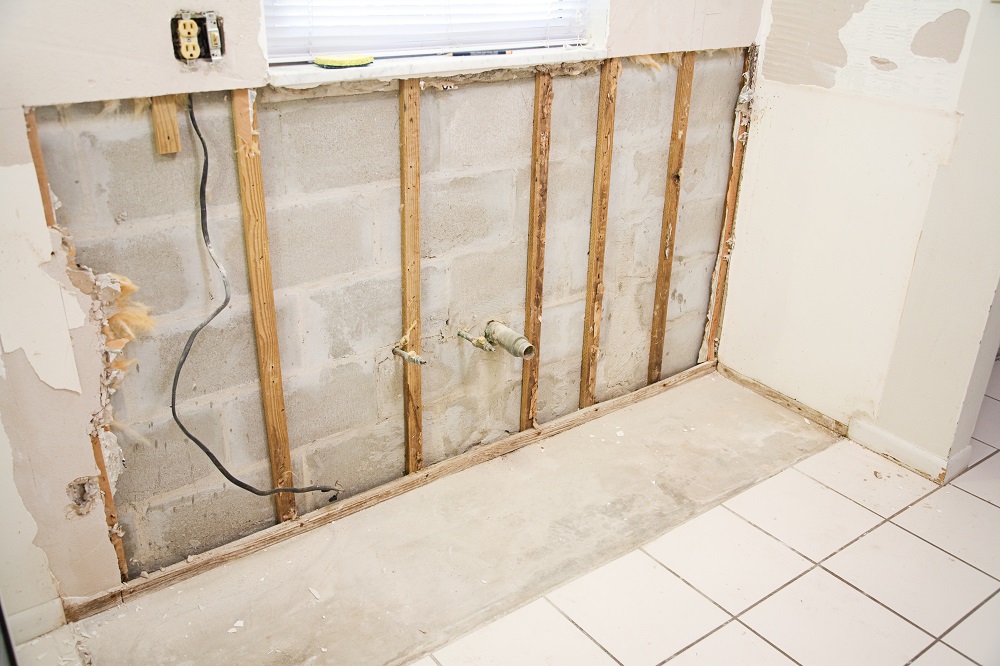
Structural repairs sometimes become necessary when contamination penetrates building materials. Replacing subflooring, drywall, insulation, or other components damaged beyond salvage adds construction costs to basic remediation expenses. While these repairs increase initial investment, they ensure complete contamination elimination and restore properties to safe, habitable conditions.
A Greenfield Family’s Unexpected Biohazard Crisis
The Henderson family lived quietly in their Greenfield ranch home for fifteen years. Their elderly neighbor, Mr. Thompson, was a kind man who kept to himself. The Hendersons noticed they hadn’t seen him for several days but assumed he was visiting family. When police performed a welfare check after Mr. Thompson missed medical appointments, they discovered he had passed away alone in his home over two weeks prior.
The discovery devastated the neighborhood. Mr. Thompson had no immediate family, and his estate executor faced the daunting task of addressing the property before it could be sold. The executor initially contacted standard cleaning services, but every company refused after learning the situation details. They explained that biohazard remediation requires specialized training, equipment, and licensing that typical cleaning companies lack.
The executor eventually found a certified biohazard remediation company. The initial quote shocked him at 8,500 dollars. He questioned why cleaning could possibly cost so much. The company owner patiently explained the realities. Bodily fluids had penetrated carpeting, padding, and oak hardwood floors in the bedroom and hallway. Wall sections absorbed contamination at floor level. All affected materials required removal and disposal as regulated medical waste. The remaining structure needed intensive disinfection using hospital-grade antimicrobials. Air quality treatment would eliminate biological odors that had permeated the entire home.
The executor obtained two more estimates. One came in at 4,200 dollars, immediately raising red flags about whether that company would perform adequate work. Another quoted 11,000 dollars, explaining they would also treat the HVAC system and attic where odors had traveled. After researching biohazard regulations and asking detailed questions, the executor chose the middle option from the company that clearly explained their process and provided references.
Remediation took four days. Technicians removed all contaminated flooring and wall sections. They treated remaining surfaces with antimicrobial solutions multiple times. Air scrubbers ran continuously, and they applied specialized deodorizing treatments. Final testing confirmed successful decontamination before they issued clearance documentation.
The executor learned valuable lessons he later shared with the Hendersons. First, biohazard remediation legitimately costs substantial amounts due to specialized requirements. Second, suspiciously low bids likely indicate inadequate work. Third, proper remediation protects future occupants and property value. Fourth, certification and insurance matter tremendously in this specialized field. The Hendersons appreciated understanding these realities, knowing they might someday face similar situations as their parents aged.
What Factors Determine Hazardous Waste Disposal Costs?
Hazardous waste disposal represents a major cost component in biohazard remediation that Greenfield property owners should understand clearly.
Waste classification determines disposal requirements and costs. Indiana regulations categorize biohazard waste into distinct groups. Regulated medical waste includes materials contaminated with blood, bodily fluids, or tissue. Sharps waste covers needles, syringes, and other puncture hazards. Pathological waste involves tissue samples or body parts. Chemical waste from methamphetamine labs or hoarding situations requires different handling. Each category carries specific disposal fees and regulatory requirements.
Volume significantly affects disposal expenses. Small projects generating one or two biohazard bags cost substantially less than extensive situations producing dozens of bags plus contaminated furniture, flooring, and building materials. Disposal facilities charge by weight or volume, with minimum fees for small quantities and graduated pricing for larger amounts.
Transportation costs factor into total disposal expenses. Biohazard waste requires transport in vehicles meeting specific regulatory standards by drivers holding hazardous materials certifications. Longer distances to licensed disposal facilities increase transportation fees. Greenfield’s location relative to approved Indiana disposal facilities influences these costs.
Container requirements add expenses. Biohazard materials must be packaged in puncture-resistant, leak-proof containers meeting strict specifications. Red biohazard bags, rigid sharps containers, and sealed drums all carry costs passed to property owners. Proper labeling using required markings and documentation adds administrative expenses.
Tracking and documentation mandates increase costs. Indiana regulations require detailed waste tracking from generation through final disposal. Manifest systems document waste origin, transportation, and disposal, creating paper trails demonstrating regulatory compliance. Professional remediation companies handle this documentation, but administrative costs factor into overall pricing.
Disposal facility fees vary based on facility type and services provided. Licensed medical waste incinerators charge different rates than treatment facilities using autoclaving or chemical disinfection. Some facilities require annual contracts or minimum volumes, while others accept occasional shipments at higher per-unit costs. These market factors influence total disposal expenses.
How Much Should Greenfield Residents Expect to Pay for Different Biohazard Situations?
Understanding typical cost ranges for various biohazard scenarios helps Greenfield property owners budget and evaluate estimates appropriately.
Crime scene cleanup for small areas with limited blood contamination typically costs between 1,500 and 4,000 dollars. This includes removing contaminated materials, intensive cleaning and disinfection, odor treatment, and proper waste disposal. Situations involving larger areas, multiple rooms, or extensive blood saturation can reach 10,000 to 25,000 dollars depending on severity.
Unattended death remediation represents the most expensive biohazard scenario due to extensive contamination and intensive labor requirements. Costs typically range from 3,000 dollars for recent deaths with minimal decomposition to 25,000 dollars or more for advanced decomposition cases where fluids saturated flooring, walls, and furnishings throughout multiple rooms. Timeline since death, environmental temperature, and property conditions all influence final costs.
Sewage backup remediation varies based on contamination extent and affected materials. Small bathroom backups affecting limited areas cost 2,000 to 5,000 dollars including water extraction, material removal, disinfection, and drying. Whole-house sewage contamination from main line backups can reach 10,000 to 20,000 dollars requiring extensive material removal and structural drying.
Hoarding cleanup with biohazard components costs 2,000 to 15,000 dollars or more depending on property size, accumulation extent, and contamination severity. Projects requiring sorting, cleaning, waste removal, pest treatment, and decontamination demand intensive labor driving costs higher.
Methamphetamine lab cleanup follows specific Indiana regulations requiring testing, decontamination, and verification. Costs typically range from 5,000 to 20,000 dollars based on contamination extent and whether structural materials require removal. Testing alone costs 500 to 1,500 dollars before remediation begins.
Animal waste remediation costs 1,500 to 10,000 dollars depending on accumulation extent, property size, and structural damage. Projects requiring extensive material removal and replacement cost more than situations allowing thorough cleaning of existing surfaces.
These ranges provide general guidance, but every situation requires individual assessment. Professional remediation companies provide detailed written estimates after inspecting properties and evaluating specific conditions.
What Does Deep Cleaning Include in Biohazard Remediation?
Deep cleaning in biohazard contexts extends far beyond typical residential or commercial cleaning, involving specialized processes ensuring complete decontamination.
Initial gross contamination removal addresses visible biological materials using specialized tools and techniques. Technicians carefully remove contaminated items preventing cross-contamination to unaffected areas. This phase generates most biohazard waste requiring proper disposal.
Multi-stage disinfection treats all affected surfaces using hospital-grade antimicrobials proven effective against bloodborne pathogens. Technicians apply disinfectants multiple times, allowing proper contact time between applications. This process eliminates bacteria, viruses, and other microorganisms to safe levels meeting regulatory standards.
Detailed surface cleaning addresses every component within affected areas. Technicians clean walls from ceiling to floor, treating baseboards, trim, light fixtures, outlets, and other details that standard cleaning overlooks. This meticulous approach ensures no contamination remains hidden in overlooked areas.
Porous surface treatment requires specialized techniques. Concrete, unsealed wood, and other porous materials absorb biological fluids, demanding intensive treatment or removal. Technicians use specialized sealants and coatings that encapsulate contamination when removal proves impractical.
HVAC system treatment prevents biological contamination and odors from circulating throughout properties. Ductwork cleaning, filter replacement, and system disinfection ensure air handling systems don’t recontaminate cleaned spaces.
Odor elimination uses multiple approaches including chemical deodorizers, ozone treatment, hydroxyl generators, and thermal fogging. Biological decomposition creates pervasive odors that penetrate building materials. Professional treatment eliminates odors at molecular levels rather than masking them with fragrances.
Final verification testing uses ATP meters measuring biological contamination levels on surfaces. This scientific verification confirms successful decontamination before technicians declare areas safe for reoccupancy. Testing provides documentation demonstrating regulatory compliance and thoroughness.
How Do Insurance Claims Affect Biohazard Remediation Costs?
Insurance coverage for biohazard remediation varies significantly based on policy language and contamination causes, affecting out-of-pocket costs for Greenfield property owners.
Homeowners insurance policies sometimes cover biohazard remediation depending on circumstances. Crime-related contamination often receives coverage under dwelling or personal property provisions. Policy limits and deductibles apply, but insurance may cover substantial portions of remediation costs. Review policy language carefully and contact your agent immediately when biohazard situations occur.
Renters insurance occasionally covers tenant belongings damaged by biohazard contamination but typically excludes structural remediation costs. Property owners rather than tenants bear responsibility for building decontamination.
Commercial property insurance policies vary tremendously in biohazard coverage. Business owners should review policies specifically for crime scene cleanup, death cleanup, and contamination coverage. Many policies require specific endorsements for comprehensive protection.
Life insurance proceeds sometimes fund remediation costs when property owners or tenants pass away. Estate executors can use insurance payouts to address property decontamination before sale or transfer. This approach provides funding when property insurance doesn’t cover unattended death situations.
Workers compensation insurance covers workplace biohazard exposure situations. Employers bear responsibility for remediation costs when employees suffer injuries creating biological contamination or when workplace deaths occur.
Liability insurance becomes relevant when property owners face claims from tenants, guests, or others exposed to biological hazards. Proper remediation documentation protects against future liability claims demonstrating that properties were decontaminated appropriately.
Insurance claim documentation requires detailed records including photographs, remediation company invoices, waste disposal manifests, and verification testing results. Professional remediation companies familiar with insurance requirements provide appropriate documentation supporting claims.
What Regulations Govern Biohazard Remediation in Indiana?
Understanding regulatory requirements helps Greenfield property owners ensure remediation companies comply with applicable standards protecting health and safety.
OSHA bloodborne pathogen standards establish worker protection requirements for biohazard remediation. Companies must implement exposure control plans, provide appropriate personal protective equipment, offer Hepatitis B vaccinations to employees, and maintain detailed training records. These regulations protect remediation technicians but also ensure proper handling preventing cross-contamination.
Indiana State Department of Health regulations govern medical waste management including biohazard materials from remediation projects. Rules specify packaging requirements, labeling standards, transportation procedures, and disposal facility licensing. Remediation companies must maintain records demonstrating compliance with these requirements.
EPA regulations address hazardous substance handling when biohazard situations involve chemicals. Methamphetamine lab cleanup follows specific EPA guidelines for testing, decontamination, and verification. Companies performing this work require specialized training and certification.
Local health department regulations in Hancock County may impose additional requirements beyond state standards. Some jurisdictions require permits before beginning biohazard remediation or mandate inspections verifying successful decontamination before reoccupancy.
Building codes apply when remediation involves structural repairs or material replacement. Permits may be required for extensive work affecting electrical, plumbing, or structural systems. Professional remediation companies coordinate necessary permits and inspections.
Fair housing regulations prohibit discrimination in remediation and property management decisions. Property owners must address biohazard contamination appropriately regardless of tenant demographics or circumstances surrounding contamination.
Proper licensing and insurance requirements apply to companies performing biohazard remediation in Indiana. Verify that companies hold appropriate business licenses, carry adequate liability insurance and workers compensation coverage, and maintain current certifications demonstrating technical competency.
How Can Greenfield Property Owners Reduce Biohazard Remediation Costs?
While biohazard remediation demands professional expertise, property owners can take steps minimizing costs without compromising safety or thoroughness.
Rapid response limits contamination spread and reduces remediation scope. Contact professional remediators immediately upon discovering biohazard situations. Quick action prevents bodily fluids from spreading to additional areas, reduces odor permeation, and limits structural damage. Delays allow contamination to worsen, increasing both remediation difficulty and costs.
Proper property maintenance prevents some biohazard situations. Regular plumbing inspections and prompt leak repairs prevent sewage backups. Maintaining relationships with elderly neighbors or relatives enables earlier discovery of unattended death situations, reducing decomposition extent and remediation costs.
Obtaining multiple detailed estimates from certified companies ensures competitive pricing. Request written estimates specifying exactly what work is included, materials provided, disposal costs, and labor charges. Compare not just total prices but specific services included. Avoid choosing based solely on lowest price, as inadequate remediation creates larger problems requiring additional expenses later.
Salvaging uncontaminated property reduces disposal costs. Professional remediators can help identify items that can be cleaned versus those requiring disposal. Removing uncontaminated belongings from affected areas before remediation begins speeds work and reduces labor charges.
Handling minor repairs yourself after professional decontamination reduces total costs. Professional remediators focus on biological hazard elimination. Property owners can often handle cosmetic repairs like painting and trim replacement themselves after decontamination is complete and verified.
Understanding insurance coverage and filing claims promptly maximizes reimbursement. Contact insurance agents immediately when biohazard situations occur. Ask specifically about coverage, documentation requirements, and preferred vendor programs. Some insurance companies offer higher reimbursement rates when using specific remediation contractors.
Proper documentation supports insurance claims and protects property value. Professional remediators provide detailed records including photographs, testing results, and clearance certificates. These documents demonstrate thorough remediation supporting insurance claims and protecting against future liability.
What Questions Should You Ask Biohazard Remediation Companies?
Selecting appropriate biohazard remediation services requires asking pointed questions that reveal company qualifications, capabilities, and integrity.
Ask about specific training and certifications. Legitimate companies employ technicians holding bloodborne pathogen certifications, OSHA training, and specialized biohazard remediation credentials. Request documentation of these qualifications and verify certifications through issuing organizations.
Inquire about insurance coverage comprehensively. Companies should carry substantial general liability insurance, workers compensation coverage, and pollution liability insurance. Request current certificates and verify coverage directly with insurance carriers. This protects you from potential liability if accidents occur during remediation.
Question their waste disposal procedures specifically. Professional companies use licensed medical waste disposal facilities and provide tracking documentation. Ask which disposal facilities they use and request copies of waste manifests proving proper disposal. Improper disposal creates serious legal liability for property owners.
Request detailed written estimates before work begins. Estimates should specify services included, materials provided, labor charges, disposal costs, and total project price. Avoid companies offering quotes without inspecting properties, as they cannot accurately assess contamination extent without direct examination.
Ask about their remediation process step by step. Legitimate professionals clearly explain containment procedures, removal techniques, disinfection protocols, odor treatment methods, and verification testing. Companies unable or unwilling to explain their process lack expertise or cut corners.
Inquire about timeline expectations realistically. Most biohazard remediation projects require 1-5 days depending on contamination extent. Companies promising completion in unrealistically short timeframes likely rush work or skip essential steps.
Request references from recent similar projects. Contact these references and ask about work quality, professionalism, communication, timeline accuracy, and overall satisfaction. Patterns across multiple references reveal company reliability.
Frequently Asked Questions About Biohazard Remediation Costs
Does homeowners insurance cover biohazard cleanup costs?
Coverage varies significantly based on policy language and contamination circumstances. Crime-related biohazard situations often receive coverage, while unattended death coverage depends on specific policy provisions. Sewage backups may be covered under dwelling provisions or require separate endorsements. Contact your insurance agent immediately when biohazard situations occur to understand your specific coverage. Professional remediation companies often work directly with insurance companies, helping maximize claim approval and reimbursement.
Can I clean biohazards myself to save money?
Property owners legally can clean biohazards themselves, but this approach carries serious risks. Bloodborne pathogens including HIV, Hepatitis B, and Hepatitis C pose significant health dangers. Proper cleanup requires specialized training, personal protective equipment, appropriate disinfectants, and regulated waste disposal. Inadequate cleaning leaves dangerous contamination and creates liability exposure. Most insurance companies require professional remediation documentation. The modest cost savings rarely justify the health risks and potential liability.
How long does biohazard remediation typically take?
Timeline varies based on contamination extent and complexity. Small blood cleanup projects may complete within 4-8 hours. Unattended death remediation typically requires 1-3 days depending on decomposition severity. Extensive hoarding cleanups can take 3-7 days or longer. Sewage backup remediation ranges from 2-5 days including extraction, removal, disinfection, and drying. Methamphetamine lab cleanup often requires 1-2 weeks including testing, treatment, and verification. Professional companies provide specific timeline estimates after inspecting properties.
What happens if biohazards are not cleaned properly?
Inadequate biohazard cleanup creates serious health risks and legal liability. Bloodborne pathogens remain infectious for extended periods on surfaces. Bacterial contamination from decomposition or sewage continues spreading and producing toxic byproducts. Improper cleaning leaves microscopic contamination that standard inspection cannot detect. Property owners face potential liability if future occupants become ill from residual contamination. Properties with documented biohazard histories but incomplete remediation suffer significant value impairment. Professional remediation with verification testing prevents these problems.
Are there payment plans available for biohazard remediation?
Many professional remediation companies offer flexible payment options recognizing that biohazard situations create unexpected financial burdens. Some companies work directly with insurance companies, accepting assignment of benefits so homeowners pay only deductibles. Others offer payment plans spreading costs over several months. Third-party financing through specialized lenders provides another option. Discuss payment concerns upfront with remediation companies, as they often accommodate reasonable requests. However, most companies require deposits before beginning work.
How do remediation costs differ between residential and commercial properties?
Commercial biohazard remediation typically costs more than residential projects due to larger areas, more complex systems, stricter regulations, and business interruption considerations. Commercial projects may require after-hours work commanding premium rates. Additional costs include temporary business closure, revenue loss during remediation, employee notification, and sometimes mandatory reporting to health departments. Commercial properties also require more extensive documentation for liability protection. However, commercial property insurance often provides better biohazard coverage than residential policies, potentially reducing out-of-pocket costs.
Protect Your Property and Health With Professional Help
Biohazard situations demand immediate professional attention protecting health, property value, and legal interests. Delay allows contamination to worsen, costs to increase, and risks to multiply. Greenfield property owners facing biohazard scenarios need experienced professionals who understand regulatory requirements, proper remediation protocols, and sensitive situation handling.
PuroClean Disaster Restoration serves Greenfield and surrounding Indianapolis neighborhoods with certified biohazard remediation meeting all Indiana regulatory standards. Their trained technicians handle crime scenes, unattended deaths, sewage backups, hoarding situations, and other biohazard scenarios with professionalism, discretion, and thoroughness. They understand the emotional difficulty these situations create and work respectfully while delivering comprehensive remediation.
Whether you face immediate biohazard emergencies or need guidance evaluating potential situations, professional assistance protects everyone involved. Certified remediators assess contamination accurately, provide detailed cost estimates, work with insurance companies, and deliver complete decontamination verified through testing. This professional approach ensures properties return to safe, habitable conditions while protecting your investment.
Don’t risk health exposure or inadequate cleanup attempting DIY biohazard remediation or hiring unqualified services. Call PuroClean Disaster Restoration at (317) 467-4436 right now for immediate professional assistance. Their team responds quickly to Greenfield emergencies 24 hours daily, provides compassionate service during difficult situations, and delivers thorough remediation that protects your property and everyone who enters it. The call costs nothing, but the protection proves invaluable.
 PuroClean Disaster Restoration