 PuroClean Disaster Restoration
 Executive Summary
Crawl space moisture is a serious problem affecting homes in Greenfield and Indianapolis, leading to mold growth, structural damage, and poor indoor air quality. This article explains the main causes of crawl space moisture, including poor drainage, plumbing leaks, and inadequate ventilation. You’ll learn practical solutions like installing vapor barriers, improving drainage systems, and using dehumidifiers. We also cover prevention strategies to keep your crawl space dry year-round. If you’re experiencing moisture issues in your Greenfield or Indianapolis home, PuroClean Disaster Restoration can help with professional assessment and remediation services.
What Causes Moisture to Build Up in Crawl Spaces?
Moisture accumulation in crawl spaces happens for several interconnected reasons. Understanding these causes helps you address the root problem rather than just treating symptoms.
Groundwater and Poor Drainage
The most common culprit is water from the surrounding soil. When your property lacks proper grading or functional gutters, rainwater pools around your foundation. This water eventually seeps through crawl space walls and floors, especially in areas like Greenfield where clay-heavy soil retains moisture longer than sandy soil types.
Plumbing Leaks and HVAC Condensation
Hidden pipe leaks in your crawl space can go unnoticed for months. Even a small drip from a supply line or drain pipe adds significant moisture over time. Air conditioning systems and ductwork in crawl spaces also produce condensation, particularly during Indianapolis’s humid summers when temperature differences between cool ducts and warm air create water droplets.
Inadequate Ventilation or Over-Ventilation
This seems contradictory, but both extremes cause problems. Older building codes recommended vented crawl spaces, but research now shows that outside air in humid climates brings more moisture than it removes. Conversely, completely sealed crawl spaces without proper moisture barriers trap humidity inside.
High Water Tables and Seasonal Flooding
Some Greenfield neighborhoods experience elevated water tables during spring thaw and heavy rainfall periods. When groundwater rises close to the surface, it exerts hydrostatic pressure against your foundation, forcing moisture through concrete pores and cracks.
How Can You Tell If Your Crawl Space Has Moisture Problems?
Detecting crawl space moisture early prevents extensive damage. Watch for these warning signs in your home.
Visible Indicators
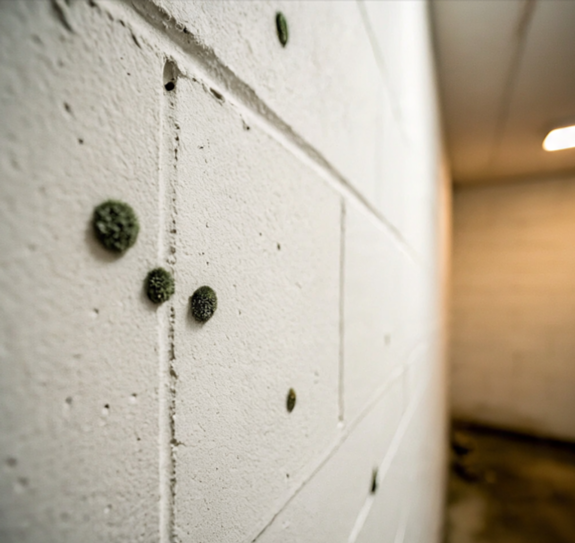
Standing water or damp soil in your crawl space represents an obvious problem. You might also notice efflorescence, which appears as white, chalky deposits on concrete walls where water evaporates and leaves mineral residues behind. Wood beams and floor joists may show dark staining, warping, or soft spots indicating rot.
Odor and Air Quality Changes
A musty, earthy smell entering your living spaces suggests mold or mildew growth below. Since about 50% of the air in your home comes from the crawl space through the stack effect, contaminated air rises through floor gaps and penetrates your living areas.
Pest Activity
Moisture attracts termites, carpenter ants, and other wood-destroying insects. If you notice increased pest activity or find mud tubes on foundation walls, moisture likely created an attractive environment for these destructive visitors.
Health Symptoms
Family members experiencing increased allergy symptoms, respiratory irritation, or asthma attacks may react to mold spores circulating from a damp crawl space. These health effects often worsen during time spent on the home’s lower floors.
What Are the Most Effective Ways to Fix Crawl Space Moisture?
Solving crawl space moisture requires a systematic approach addressing both water intrusion and humidity control.
Installing a Vapor Barrier
A quality vapor barrier made from thick polyethylene plastic (at least 6 mil, preferably 10-20 mil) creates an impermeable layer over your crawl space floor. Professional installation extends the barrier up foundation walls and seals all seams and penetrations. This stops ground moisture from evaporating into the crawl space air.
Improving Exterior Drainage
Proper grading slopes soil away from your foundation at a minimum rate of 6 inches over the first 10 feet. Installing or repairing gutters and extending downspouts at least 6 feet from your foundation diverts roof water away from vulnerable areas. Some situations require French drains or curtain drains to intercept groundwater before it reaches your foundation.
Sealing Foundation Cracks and Gaps
Hydraulic cement or polyurethane sealants fill cracks in foundation walls and floors. Even hairline cracks allow significant water intrusion over time. Pay special attention to areas where pipes penetrate the foundation and around the rim joist where the foundation meets your home’s framing.
Installing a Sump Pump System
When groundwater pressure or a high water table causes persistent moisture, a sump pump provides active water removal. The system collects water in a basin and pumps it away from your foundation. Battery backup systems ensure protection during power outages that often accompany the storms causing flooding.
Using Dehumidifiers
Crawl space dehumidifiers specifically designed for these environments control humidity levels even after addressing water intrusion. These units operate efficiently in cooler temperatures and handle the higher moisture loads typical of crawl spaces. Maintaining humidity below 60% prevents mold growth and protects building materials.
Should You Encapsulate Your Crawl Space?
Crawl space encapsulation represents the most comprehensive moisture solution but requires significant investment.
What Encapsulation Involves
Full encapsulation seals your crawl space from outside air and ground moisture. This process includes installing a heavy-duty vapor barrier on floors and walls, sealing all vents and openings, insulating foundation walls, installing a dehumidifier, and sometimes conditioning the space with your HVAC system. The result is a controlled environment that stays consistently dry.
Benefits Beyond Moisture Control
Encapsulated crawl spaces reduce heating and cooling costs by creating a thermal boundary at the foundation rather than the floor. You’ll notice warmer floors in winter and improved overall comfort. The sealed environment also discourages pests and can provide additional storage space in clean, dry conditions.
Cost Considerations for Indianapolis Homeowners
Encapsulation typically costs between $5,000 and $15,000 depending on your crawl space size and condition. While this seems expensive, consider the alternative costs: mold remediation ($2,000-$6,000), structural repairs ($3,000-$10,000+), increased energy bills, and potential health impacts. For homes with recurring moisture problems, encapsulation often proves more economical than repeated temporary fixes.
How Can You Prevent Crawl Space Moisture Before It Starts?
Prevention costs far less than remediation and protects your home’s value and your family’s health.
Regular Maintenance Schedule
Inspect your crawl space twice yearly, ideally in spring after snowmelt and fall before winter. Check for new cracks, signs of water intrusion, functioning dehumidifiers, and any changes in drainage patterns. Clean gutters quarterly and ensure downspouts remain properly positioned. This routine vigilance catches small problems before they become disasters.
Landscape and Grading Management
Maintain proper slope away from your foundation, even as soil settles over time. Avoid planting water-hungry shrubs or trees within 10 feet of your foundation, as their roots can crack foundation walls and their watering needs add moisture to the soil. Consider adding a layer of gravel or stone in planting beds near your foundation to improve drainage.
Proper Ventilation in Humid Climates
For Indianapolis’s climate, modern building science recommends sealed crawl spaces with controlled humidity rather than traditional venting. If your crawl space has vents, consider closing them and installing a dehumidifier. This controlled approach prevents humid summer air from entering and condensing on cool surfaces.
Monitoring Humidity Levels
Install a humidity monitor in your crawl space and check readings monthly. Humidity consistently above 60% requires intervention. Simple wireless monitors send readings to your smartphone, making monitoring effortless. Catching rising humidity early allows you to address causes before moisture damages materials.
A Real Story from Greenfield: The Johnsons’ Moisture Wake-Up Call
The Johnson family lived in their Greenfield home for eight years before noticing anything wrong. Sarah Johnson first mentioned the musty smell to her husband Mark in early spring. “It smells like a basement, but we don’t have a basement,” she remembered saying. They assumed the odor would disappear once warmer weather arrived.
By June, their daughter Emma began experiencing severe allergy symptoms. Multiple doctor visits and allergy tests showed mold sensitivity. That’s when Mark decided to investigate their crawl space, something he had never done since buying the house.
What he found shocked him. Standing water covered about 30% of the crawl space floor. The insulation between floor joists hung in wet, moldy strips. Several wooden support beams showed soft spots and dark staining. “I could push my finger into the wood,” Mark recalled. “I realized our entire house was basically sitting on rotting wood.”
The Johnsons called PuroClean Disaster Restoration at (317) 467-4436. The assessment revealed multiple problems working together: clogged gutters had overflowed for years, directing water straight against the foundation. Poor grading trapped water near the house. The crawl space had vents but no vapor barrier, allowing ground moisture to evaporate constantly into the enclosed space.
PuroClean’s team removed the contaminated insulation, treated mold growth, and replaced damaged structural members. They installed a complete vapor barrier, sealed the crawl space vents, corrected the exterior grading, and installed a dehumidifier. The exterior work included gutter cleaning, adding extensions to downspouts, and creating proper drainage away from the foundation.
“The difference was immediate,” Sarah said. “The smell disappeared within a week. Emma’s symptoms improved dramatically. We actually have warmer floors in winter now, which we didn’t expect.”
The experience taught the Johnsons an important lesson: crawl spaces need attention even though they’re out of sight. “We maintain everything we can see, our roof, our siding, our landscaping,” Mark reflected. “But we completely ignored what was underneath our house. That moisture was probably building for years before we noticed problems upstairs.”
Their story illustrates a common pattern. Crawl space moisture develops slowly and subtly. By the time obvious signs appear in living spaces, significant damage often exists below. The Johnsons now inspect their crawl space twice yearly and monitor humidity levels monthly. They share their experience with neighbors, encouraging others not to overlook this critical part of their homes.
What Questions Should You Ask When Hiring a Crawl Space Professional?
Choosing the right contractor ensures effective, lasting solutions to moisture problems.
Experience and Certifications
Ask how long the company has specialized in crawl space moisture control specifically. General contractors may lack the nuanced understanding required for effective moisture management. Look for certifications from organizations like the Institute of Inspection, Cleaning and Restoration Certification (IICRC) or specific crawl space waterproofing training.
Assessment and Diagnosis Process
A quality professional thoroughly inspects your crawl space and property exterior before recommending solutions. Be wary of companies that quote prices over the phone or propose solutions without a detailed inspection. Ask what their assessment includes: moisture testing, foundation inspection, drainage evaluation, and documentation with photos or video.
Warranty and Follow-Up
Understand what warranty covers the work and for how long. Quality companies stand behind their installations with warranties covering both materials and labor. Ask about follow-up inspections and whether they’re included in the initial cost. A company confident in their solutions will check their work after installation.
References and Reviews
Request references from recent customers with similar problems. Check online reviews on multiple platforms, looking for patterns in feedback. Companies with strong reputations in Greenfield and Indianapolis will happily provide references and showcase completed projects, click here for example.
How Does Climate in Greenfield and Indianapolis Affect Crawl Space Moisture?
Understanding your local climate helps you anticipate and prevent moisture problems.
Seasonal Moisture Patterns
Central Indiana experiences significant seasonal variation affecting crawl spaces differently throughout the year. Spring brings snowmelt and frequent rainfall, increasing groundwater levels and exterior drainage challenges. Summer humidity creates condensation when warm, moist air contacts cool crawl space surfaces. Fall typically offers drier conditions but requires preparation before winter. Winter freezing and thawing cycles can crack foundations and create new water entry points.
Soil Composition Considerations
Much of the Greenfield and Indianapolis area has clay-heavy soil that retains moisture longer than sandy soils. Clay also expands when wet and contracts when dry, creating movement that can crack foundations over time. This soil type makes proper drainage and vapor barriers especially important for local homes.
Precipitation Averages
Indianapolis receives about 42 inches of precipitation annually, distributed fairly evenly across the year. This consistent moisture input means your crawl space faces nearly year-round water challenges rather than isolated wet seasons. Effective moisture control must work continuously, not just during peak rainfall periods.
When Should You Call a Professional Instead of DIY?
Some crawl space moisture situations require professional expertise and equipment.
Extensive Mold Growth
If mold covers more than 10 square feet, professional remediation ensures complete removal and prevents health risks during cleanup. Professionals use proper containment, protective equipment, and specialized treatments that aren’t available to homeowners.
Structural Damage
Weakened floor joists, beams, or foundation walls require engineering assessment and professional repair. DIY structural repairs can compromise your home’s safety and void insurance coverage if done incorrectly.
Ongoing Water Intrusion
If you’ve attempted DIY drainage improvements but still experience moisture problems, professionals can identify hidden issues you might miss. They have moisture meters, thermal imaging cameras, and experience diagnosing complex water intrusion patterns.
Time and Physical Constraints
Crawl space work involves confined spaces, heavy materials, and physically demanding labor. Many homeowners lack the time, physical ability, or equipment for effective DIY moisture control. Professional crews complete work safely and efficiently.
For Greenfield and Indianapolis residents dealing with any of these situations, PuroClean Disaster Restoration brings specialized expertise in moisture control and structural protection. Their team understands local soil conditions, climate challenges, and building practices specific to Central Indiana homes.
Frequently Asked Questions
How much does crawl space moisture repair typically cost in Indianapolis?
Costs vary widely based on the problem’s extent and chosen solutions. Simple vapor barrier installation ranges from $1,500 to $3,000 for average-sized crawl spaces. Adding drainage improvements, sump pumps, and dehumidifiers increases costs to $3,000 to $7,000. Complete encapsulation with structural repairs can reach $10,000 to $15,000. Getting a detailed inspection and estimate helps you understand your specific situation. PuroClean Disaster Restoration offers free assessments to Greenfield area homeowners.
Can I install a vapor barrier myself?
DIY vapor barrier installation is possible for homeowners with basic construction skills and the physical ability to work in confined spaces. However, proper installation requires attention to detail: overlapping seams by at least 6 inches, taping all seams, extending material up walls, and sealing around pipes and posts. Poorly installed barriers trap moisture rather than preventing it. For homes with significant existing moisture or structural concerns, professional installation ensures effective results.
How long does it take to dry out a wet crawl space?
Drying time depends on how much water is present and what caused the moisture. After stopping active water intrusion and installing proper ventilation or dehumidification, expect 2 to 6 weeks for the space to reach stable, safe humidity levels. Severely wet crawl spaces with saturated insulation and materials may need 8 to 12 weeks. Professional water extraction and industrial dehumidifiers significantly speed this process.
Will homeowners insurance cover crawl space moisture damage?
Coverage depends on what caused the moisture and your specific policy. Insurance typically covers sudden, accidental water damage like burst pipes but excludes gradual damage from long-term moisture problems or lack of maintenance. Flood damage requires separate flood insurance. Review your policy and document problems promptly. A professional assessment from companies like PuroClean can provide documentation useful for insurance claims.
How often should I check my crawl space for moisture?
Inspect your crawl space at least twice yearly, ideally in spring after winter and fall before cold weather. Check after major storms or if you notice musty odors, increased pests, or other warning signs. Monthly humidity monitoring with a simple gauge helps catch problems early. Regular attention prevents small moisture issues from becoming expensive disasters.
What humidity level is safe for a crawl space?
Maintain crawl space humidity between 40% and 60% for optimal conditions. Humidity consistently above 60% promotes mold growth and wood rot. Levels above 70% create severe mold and pest problems. Below 40% humidity is unnecessarily dry and wastes dehumidifier energy. A good dehumidifier maintains this range automatically once you set the desired level.
Can crawl space moisture affect my family’s health?
Absolutely. Mold spores and moisture from crawl spaces circulate throughout your home, triggering allergies, asthma, and respiratory problems. Mycotoxins from some mold types cause more serious health effects. Children, elderly family members, and people with compromised immune systems face greater risks. Addressing moisture problems protects both your home and your family’s wellbeing.
Is it better to vent or seal a crawl space?
Modern building science strongly favors sealed crawl spaces with controlled humidity for climates like Indianapolis. Traditional vented crawl spaces bring humid outdoor air that condenses on cool surfaces, worsening moisture problems. Sealed crawl spaces with vapor barriers and dehumidifiers maintain consistent, dry conditions year-round. If your home has vented crawl spaces experiencing moisture problems, converting to a sealed system usually provides better results.
Conclusion
Crawl space moisture threatens your home’s structure, indoor air quality, and your family’s health. The good news is that with proper diagnosis and appropriate solutions, you can permanently solve moisture problems and protect your investment. Whether you need simple drainage improvements or complete crawl space encapsulation, addressing moisture early prevents extensive damage and costly repairs.
For homeowners in Greenfield, Indianapolis, and surrounding areas experiencing crawl space moisture problems, professional assessment ensures you address all contributing factors rather than applying temporary fixes. PuroClean Disaster Restoration specializes in comprehensive moisture solutions tailored to Central Indiana’s unique climate and soil conditions.
Don’t wait until moisture causes obvious damage to your home or health problems for your family. Call PuroClean Disaster Restoration at (317) 467-4436 today for a thorough crawl space inspection and customized solution plan. Their experienced team will identify your specific moisture sources and recommend the most effective, cost-efficient approach to creating a permanently dry, healthy crawl space.

 PuroClean Disaster Restoration