 PuroClean Disaster Restoration
 Executive Summary
Water damage in Indianapolis and surrounding areas like Greenfield demands immediate professional response. This guide covers critical first steps, hidden dangers of delayed action, and why professional emergency water removal within 24-48 hours prevents devastating mold growth and structural deterioration. Local homeowners and business owners will learn proven protective measures, real emergency response protocols, and when to call certified restoration specialists.
Why Does Emergency Water Removal Need to Happen So Fast in Indianapolis?
Water damage escalates exponentially in the humid Indiana climate. Within the first 24 hours, water penetrates porous materials like drywall, insulation, and subflooring. The Indianapolis area’s temperature fluctuations create perfect conditions for microbial growth, with mold spores beginning colonization within 48-72 hours of initial water exposure.
Emergency water removal addresses multiple simultaneous threats. Standing water continues damaging structural materials every minute it remains. Wood warps, metal corrodes, and electrical systems face dangerous short-circuit risks. Category 2 and Category 3 water (contaminated water from appliances or sewage) introduces health hazards requiring immediate extraction and sanitization.
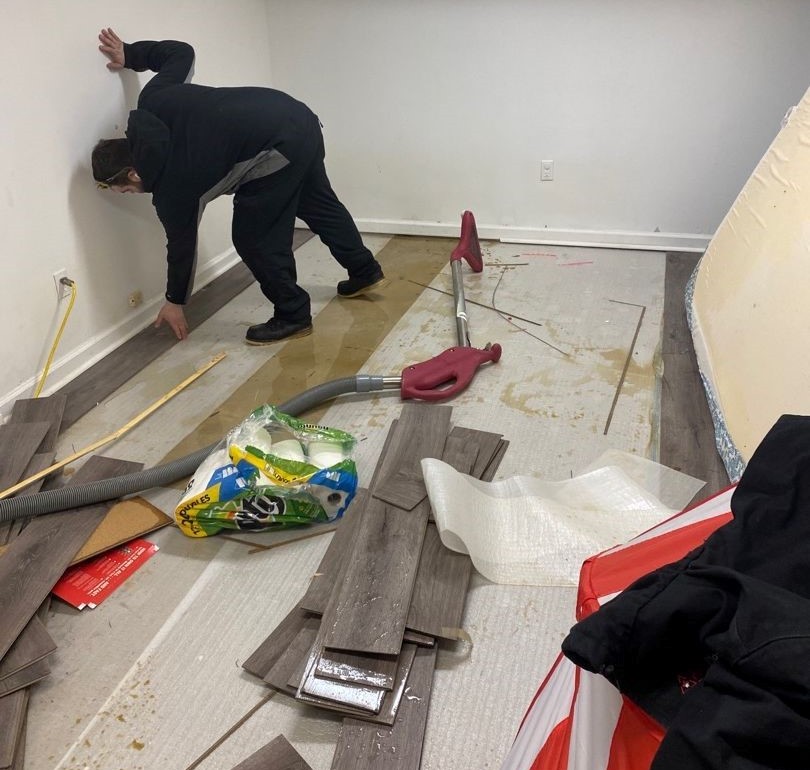
Professional water removal teams use industrial extractors removing hundreds of gallons per hour, far exceeding household wet vacuum capabilities. Thermal imaging identifies hidden moisture pockets behind walls and under flooring that homeowners cannot detect visually. This comprehensive approach prevents the secondary damage that typically costs 3-5 times more than the initial water intrusion.
What Should Homeowners Do in the First 30 Minutes After Water Damage?
The first half hour determines whether you face minor restoration or major reconstruction. Safety comes first. Turn off electricity at the circuit breaker if water has reached outlets, appliances, or the electrical panel. Never wade through standing water in rooms with active electrical sources.
Stop the water source immediately when possible. Shut off the main water valve for burst pipes, turn off supply lines to overflowing toilets or washing machines, and close windows during storm flooding. Every gallon prevented from entering your home reduces extraction time and costs.
Document everything before touching anything. Take photos and videos from multiple angles showing water levels, affected areas, and damaged belongings. Insurance claims require this evidence, and conditions change rapidly once mitigation begins. Move valuable items to dry areas only if you can do so safely without electrical risks.
Contact emergency water removal professionals within this critical first window. Companies like PuroClean Disaster Restoration serving Greenfield and Indianapolis provide 24/7 response teams. While waiting for professionals, begin removing small portable items from affected areas and mopping up minor water amounts with towels, but avoid major DIY extraction attempts that often spread contamination or miss hidden moisture.
How Does Professional Water Extraction Differ from DIY Cleanup Methods?
Professional extraction systems operate at completely different scales than household equipment. Truck-mounted extractors generate vacuum power measured in hundreds of cubic feet per minute, pulling water from deep within carpet padding, concrete slabs, and wall cavities. Standard shop vacuums recover surface water only, leaving 40-60% of moisture embedded in materials.
Certified water damage technicians use moisture meters and thermal imaging cameras to map the entire affected area. Water follows gravity and spreads through building materials in ways invisible to the naked eye. A second floor bathroom overflow often travels through ceiling assemblies, wall studs, and insulation before appearing as stains in first floor rooms. Comprehensive moisture mapping ensures complete extraction rather than treating only visible damage.
Air movement science separates professional restoration from amateur attempts. Industrial air movers create specific airflow patterns directing moisture-laden air toward commercial dehumidifiers. Proper equipment placement based on psychrometric calculations creates negative air pressure that pulls moisture from materials rather than simply blowing air around rooms. This engineered approach reduces drying time from weeks to 3-5 days.
Contamination control protocols protect your health. Category 2 water from dishwashers, washing machines, or toilet overflows contains bacteria, chemicals, and potential pathogens. Category 3 water from sewage backups or flooding requires hazmat-level precautions. Professional teams use antimicrobial treatments, containment barriers, and disposal procedures that prevent cross-contamination throughout your home.
What Happens If Water Removal Gets Delayed by 48 Hours or More?
The 48-hour threshold represents a critical point of no return for many materials. Mold colonies become visible on organic materials like drywall, wood, and ceiling tiles. Once established, mold requires separate remediation procedures including containment, HEPA filtration, antimicrobial treatment, and often material removal, adding thousands to restoration costs.
Structural integrity begins failing as wood studs and floor joists absorb water. Wood swells, losing dimensional stability and load-bearing capacity. Laminated materials separate. Hardwood floors cup and buckle. Ceiling drywall sags from absorbed water weight, creating collapse risks. These structural issues require construction repairs far exceeding simple drying costs.
Secondary water damage compounds initial losses. As materials remain wet, water wicks horizontally and vertically through interconnected building assemblies. A small bathroom leak ignored for three days can affect adjacent bedrooms, hallways, and floor levels below. The affected area often triples in size compared to immediate response scenarios.
Insurance complications arise from delayed action. Most policies require homeowners to mitigate damages promptly. Waiting 48-72 hours before calling professionals may give insurers grounds to deny portions of claims, arguing that policyholder negligence contributed to losses. Documentation of immediate professional contact protects your coverage.
Can You Really Save Carpet and Padding After Water Damage?
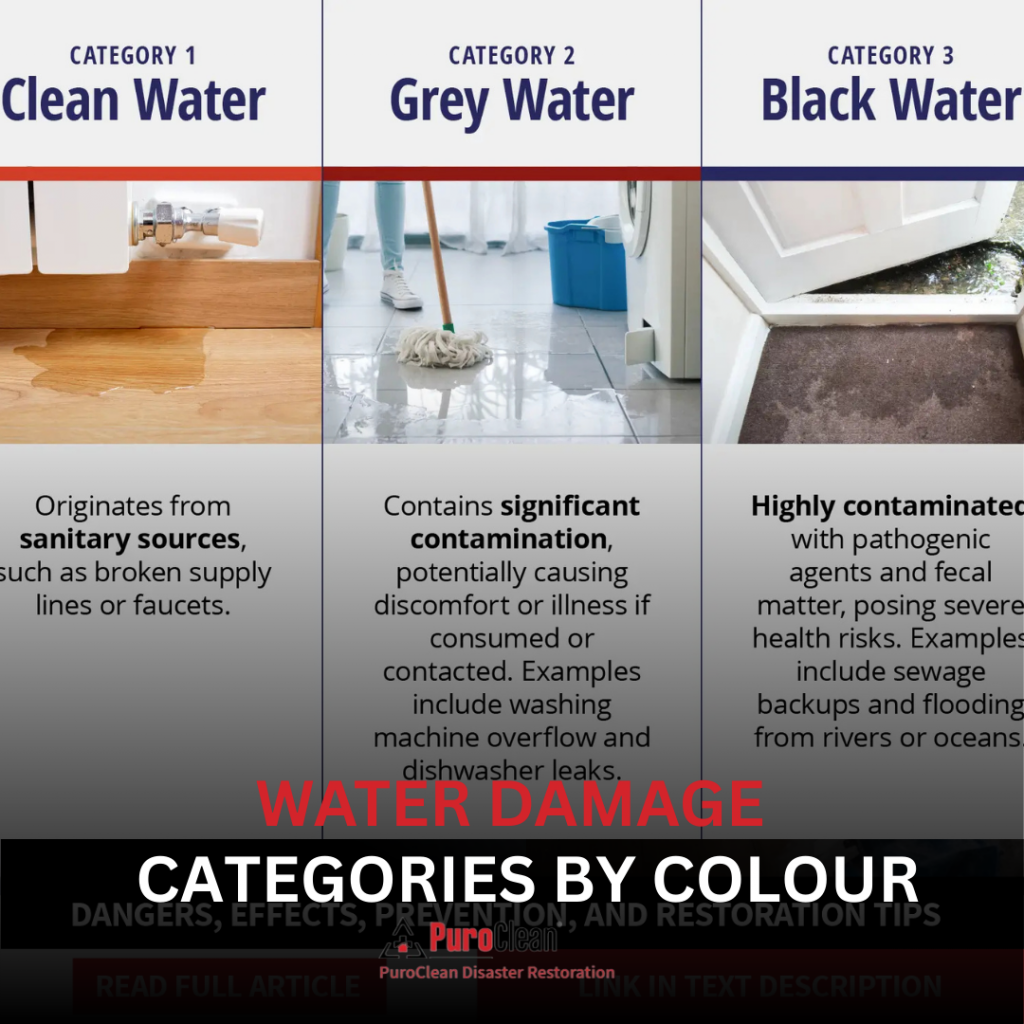
Carpet and padding salvageability depends entirely on water category and response time. Clean water (Category 1) from supply line breaks can often be extracted from carpet and padding within 24-48 hours using professional methods. Technicians lift carpeting, extract padding moisture, treat with antimicrobials, and reinstall after thorough drying.
Category 2 and 3 water contamination usually requires padding disposal regardless of response time. Padding absorbs contaminated water like a sponge and cannot be adequately sanitized. Professional teams remove and dispose of padding, treat subflooring, sanitize carpet backing, and install new padding once drying completes. This hybrid approach saves carpet costs while ensuring sanitary conditions.
Carpet age and quality influence restoration decisions. Older, worn carpeting with existing wear patterns often makes poor candidates for restoration even with clean water. The stress of extraction, cleaning, and reinstallation can damage weakened fibers. New or high-quality carpeting justifies restoration investment when caught early.
Wool and natural fiber carpets require specialized handling. These materials respond differently to water exposure and need gentle extraction methods, specific antimicrobial treatments, and controlled drying to prevent shrinkage or color bleeding. Professional assessment determines feasibility before beginning restoration, learn more about water damage categories here.
What Are the Hidden Dangers of Water Damage in Indianapolis Homes?
Electrical hazards top the hidden danger list. Water conducts electricity, creating shock and fire risks when it contacts wiring, outlets, or appliances. Even after visible water recedes, moisture remaining in wall cavities can cause shorts weeks later. Professional restoration includes electrical inspections and testing before declaring areas safe.
Compromised indoor air quality develops quickly. Wet materials off-gas volatile organic compounds. Mold spores become airborne, affecting respiratory health. Bacteria and viruses from contaminated water create infection risks. HVAC systems can distribute these contaminants throughout the home when operated before proper drying completes. Air quality testing and HEPA filtration protect occupants during restoration.
Structural weakening remains hidden until failure occurs. Water-damaged floor joists may look intact while losing 50% of load capacity. Ceiling assemblies appear fine until the weight of stored attic items causes collapse. Foundation walls develop cracks from hydrostatic pressure. Professional structural assessments identify risks before they become catastrophes.
Pest infestations follow water damage predictably. Termites, carpenter ants, and wood-boring beetles attack softened, moisture-damaged wood. Mosquitoes breed in standing water within 7-10 days. Rodents enter through foundation cracks opened by water pressure. Comprehensive water removal includes prevention of these secondary invasions.
How Do Indianapolis Weather Patterns Affect Water Damage Risks?
Indianapolis experiences distinct seasonal water threats. Spring brings heavy rainfall and rapid snowmelt, overwhelming gutters and foundation drainage systems. May through June averages 4-5 inches of rainfall monthly, with flash flooding common in low-lying Greenfield and Indianapolis neighborhoods. Basement seepage and sump pump failures peak during these months.
Summer thunderstorms produce intense localized rainfall, sometimes 2-3 inches in under an hour. These events exceed soil absorption rates, driving water toward foundations and through basement walls. Hail damage to roofs creates leak points that may not manifest until the next heavy rain. Wind-driven rain finds entry through roof vents, soffits, and siding gaps.
Fall freeze-thaw cycles crack foundation walls and separate building material joints. Morning frost melts by afternoon, creating daily wetting and drying cycles that progressively damage waterproofing barriers. Gutters clog with leaves, directing water against siding and foundations rather than away from structures.
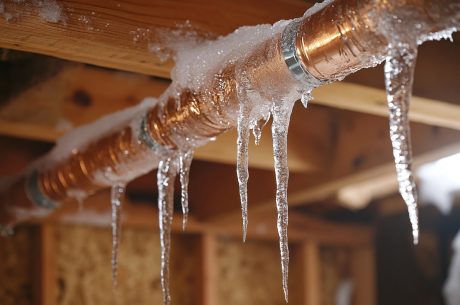
Winter freezing temperatures create burst pipe emergencies. Uninsulated pipes in exterior walls, crawlspaces, and attics freeze when temperatures drop below 20°F for extended periods. Ice expansion ruptures pipes, releasing hundreds of gallons when thawing begins. Ice dams on roofs trap snowmelt, forcing water under shingles and into attic spaces.
What Equipment Do Professional Water Removal Teams Actually Use?
Truck-mounted extractors serve as primary water removal workhorses. These units generate 200-400 cubic feet per minute of vacuum power through 2-3 inch diameter hoses. Heated extraction accelerates water removal from carpets and upholstery while improving sanitation. Single passes remove 95% of standing and absorbed water from affected materials.
Portable extractors handle areas inaccessible to truck-mounted units. These wheeled units position directly in damage zones, eliminating long hose runs that reduce suction efficiency. Specialized wands and tools extract water from stairs, closets, and tight spaces.
Air movers create the controlled airflow essential for evaporation. Axial fans move high volumes of air across wet surfaces, while centrifugal air movers direct concentrated airflow into specific areas. Professional teams position 1 air mover per 10-15 feet of affected area, creating optimal evaporation conditions.
Commercial dehumidifiers remove moisture from air rather than materials. Refrigerant dehumidifiers cool air below dew point, condensing water vapor into collection tanks draining 20-40 gallons daily. Desiccant dehumidifiers use chemical processes for extreme drying, operating effectively even in cold conditions. Proper dehumidification prevents extracted moisture from simply reabsorbing into materials.
Moisture detection equipment guides the entire process. Pin-type moisture meters measure moisture content in wood and drywall with 0.1% accuracy. Pinless meters scan large areas quickly, identifying moisture patterns without surface damage. Thermal imaging cameras visualize temperature differences indicating moisture presence, seeing through walls to locate hidden damage.
A Story from Greenfield: The Martinez Family’s 3 AM Wake-Up Call
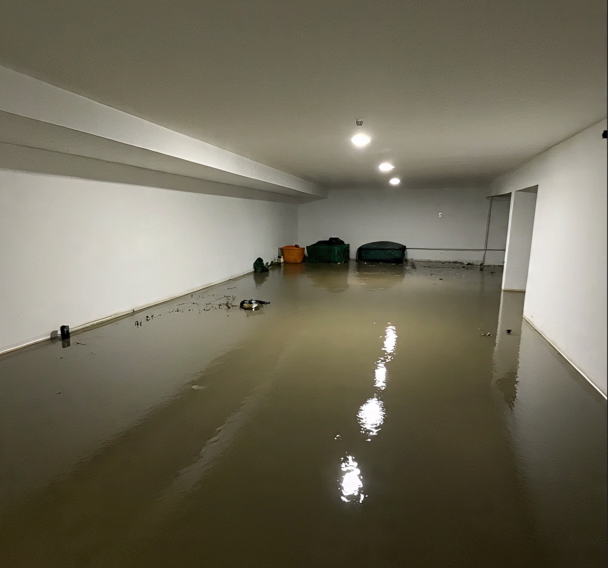
The Martinez family’s story illustrates why minutes matter in water emergencies. At 3:15 AM on a March morning, Sarah Martinez woke to strange sounds from their Greenfield home’s basement. She found their hot water heater’s supply line had burst, spraying 15 gallons per minute across the finished basement for an estimated 45 minutes.
Standing water covered 600 square feet of carpet and had begun wicking up drywall. Sarah’s husband Michael immediately shut off the main water valve while Sarah called PuroClean Disaster Restoration at (317) 467-4436. The emergency response team arrived within 75 minutes, beginning extraction at 5 AM.
The family’s quick action and immediate professional contact saved their basement. Technicians extracted 900 gallons of water, removed carpet padding, and positioned air movers and dehumidifiers. Moisture readings returned to normal within four days. Total restoration costs were covered by insurance minus the deductible.
The lesson? The Martinez family avoided an $18,000 mold remediation and reconstruction project by acting within minutes rather than waiting until morning. Sarah later learned that neighbors who experienced similar events but waited 8-12 hours to call professionals faced complete drywall replacement, floor joist repairs, and three weeks of displacement.
How Much Does Emergency Water Removal Actually Cost in Indianapolis?
Emergency water removal costs vary based on water volume, contamination level, and affected area size. Basic extraction for Category 1 clean water affecting 200-400 square feet typically ranges $1,500-3,000 including extraction, air movers, dehumidifiers, and antimicrobial treatment. This represents immediate response pricing, not final restoration costs.
Larger affected areas increase costs proportionally. A 1,000 square foot basement flood requiring sewage cleanup (Category 3) may cost $7,000-12,000 for emergency services alone, before reconstruction begins. Multiple story damage, hardwood floor drying, or specialized content restoration add to base pricing.
Equipment rental represents significant cost components. Commercial air movers rent for $50-75 daily, dehumidifiers $75-125 daily. A typical residential project requires 6-10 air movers and 2-3 dehumidifiers running 3-5 days. Professional companies include equipment in service pricing rather than charging separate rental fees.
Insurance typically covers emergency water removal for covered perils. Burst pipes, appliance malfunctions, and storm damage usually trigger coverage. Flood damage requires separate flood insurance. Gradual leaks or maintenance-related issues may face coverage denials. Working with restoration companies experienced in insurance processes ensures proper documentation and maximizes claim success.
What Questions Should You Ask When Calling Emergency Water Removal Services?
Response time tops the critical question list. Ask how quickly teams can arrive, not just office hours but actual technician arrival. Companies offering true 24/7 emergency service should commit to on-site arrival within 60-90 minutes for Indianapolis and Greenfield area calls.
Certification and training credentials matter significantly. Ask if technicians hold IICRC (Institute of Inspection Cleaning and Restoration Certification) certification in water damage restoration. Request information about ongoing training programs and company experience with your specific damage type.
Equipment availability determines project capability. Ask what equipment they will bring initially and what additional resources they can deploy if needed. Inquire about moisture detection tools, extraction capacity, and whether they use truck-mounted or portable systems.
Insurance experience affects your out-of-pocket costs. Ask if they work directly with insurance companies, provide detailed documentation for claims, and offer assistance with the claims process. Companies experienced in insurance restoration understand documentation requirements and communication protocols that smooth claim settlements.
Project timeline estimates help you plan. Ask for realistic drying timeframes based on their assessment. Understand that initial estimates may change once full moisture mapping completes, but experienced companies provide accurate ranges based on visible damage indicators.
When Should Indianapolis Residents Call for Emergency Water Removal vs Handling It Themselves?
Call professionals immediately when water damage involves more than one room, affects flooring in multiple areas, or involves Category 2 or 3 contaminated water. These scenarios exceed household cleaning capabilities and risk serious health consequences or structural damage without proper equipment and expertise.
Sewage backups, toilet overflows beyond the bowl, or any standing water with visible contamination require professional hazmat protocols. Attempting DIY cleanup exposes you to bacteria, viruses, and pathogens causing serious illness. Professional teams use personal protective equipment, antimicrobial treatments, and disposal procedures protecting your health.
Water affecting hardwood floors, behind walls, or in ceiling assemblies needs professional attention regardless of volume. These hidden moisture pockets cause progressive damage and mold growth that DIY methods cannot adequately address. Thermal imaging and moisture mapping identify the full extent of damage invisible to homeowners.
Handle truly minor incidents yourself only when water volume is minimal (less than 5 gallons), the source is immediately stopped, affected materials are easily dried, and no electrical risks exist. A small sink overflow caught within minutes and affecting only tile flooring represents appropriate DIY cleanup. Even then, monitor the area for 72 hours for signs of hidden moisture or developing odors.
How Does Emergency Water Removal Prevent Long-Term Structural Damage?
Immediate water extraction stops ongoing absorption into building materials. Wood framing absorbs water at predictable rates, with dimensional lumber reaching saturation within 48-72 hours of continuous exposure. Saturated wood loses structural integrity, develops rot, and attracts wood-destroying organisms. Extraction within 24 hours prevents saturation, preserving structural capacity.
Controlled drying prevents secondary damage from shrinkage and warping. Materials dried too quickly or unevenly develop cracks, splits, and dimensional changes. Professional drying creates gradual, even moisture reduction that maintains material integrity. Hardwood floors dried improperly cup, crown, or develop gaps. Proper drying maintains tight joints and smooth surfaces.
Subflooring protection preserves floor system integrity. Water penetrating carpet and padding attacks plywood or OSB subflooring, causing delamination and spongy areas. Once subflooring fails, complete replacement becomes necessary along with potential floor joist repairs. Rapid padding removal and subflooring drying prevents this progression.
Foundation and basement wall protection prevents the most expensive structural failures. Water against foundation walls creates hydrostatic pressure forcing moisture through concrete. Interior moisture causes efflorescence, spalling, and progressive cracking. Rapid basement water removal and dehumidification prevents pressure buildup and protects foundation integrity.
What Role Does Humidity Control Play in Water Damage Restoration?
Humidity control drives the actual drying process more than air movement alone. Water evaporates from materials into surrounding air, but evaporation stops when air reaches saturation. Dehumidifiers continuously remove moisture from air, maintaining low relative humidity that sustains evaporation from wet materials.
Indianapolis’s natural humidity levels complicate drying. Summer humidity often exceeds 70%, meaning ambient air approaches saturation. Simply opening windows and running fans cannot achieve drying when outside air contains more moisture than inside air. Commercial dehumidifiers create artificial low-humidity environments regardless of outdoor conditions.
Psychrometric principles guide professional humidity control. Technicians calculate grain depression (the difference between actual moisture in air and its maximum capacity at current temperature). Maintaining 100+ grain depression creates aggressive drying conditions. Monitoring equipment adjusts as conditions change, preventing over-drying or stalled evaporation.
Controlled humidity prevents secondary damage during drying. High humidity during drying promotes mold growth even as water extraction progresses. Low humidity maintained too long can over-dry materials, causing cracks in drywall, wood shrinkage, and finish damage. Professional monitoring maintains optimal humidity ranges throughout the drying cycle.
Why Choose PuroClean Disaster Restoration for Greenfield and Indianapolis Water Emergencies?
Time-critical situations demand local response capabilities. PuroClean Disaster Restoration maintains rapid response protocols for Greenfield and Indianapolis, with teams arriving within 60-90 minutes of emergency calls. Local presence means equipment staging nearby, not hours away, and technicians familiar with Indianapolis area construction methods and common water damage scenarios.
IICRC-certified technicians bring proven expertise to every project. Certification ensures technicians understand water damage science, proper equipment use, microbial contamination protocols, and documentation requirements. Ongoing training keeps teams current on new technologies and restoration techniques.
Comprehensive service prevents the need for multiple contractors. PuroClean handles initial emergency response, complete drying, reconstruction, and final cleaning as a single-source solution. This continuity improves timelines, maintains quality control, and simplifies insurance coordination compared to managing separate extraction, remediation, and reconstruction contractors.
Insurance advocacy support reduces homeowner stress during difficult times. PuroClean works directly with insurance adjusters, provides detailed photo documentation, creates industry-standard estimates using Xactimate software, and answers carrier questions. This experience helps maximize claim settlements and minimizes out-of-pocket costs.
Frequently Asked Questions
How quickly does mold start growing after water damage in Indianapolis homes?
Mold spores begin germinating within 24-48 hours of water exposure on suitable surfaces. Visible colonies typically appear within 72-96 hours in Indianapolis’s humid climate. Professional water removal within 24 hours prevents mold establishment, while delays beyond 48 hours almost guarantee mold remediation needs.
Will my homeowners insurance cover emergency water removal costs?
Most homeowners policies cover sudden, accidental water damage from burst pipes, appliance malfunctions, storm damage, and similar events. Gradual leaks, maintenance issues, and flood damage typically face coverage exclusions. Flood damage requires separate flood insurance. Immediate professional documentation improves claim success rates regardless of cause.
Can I stay in my home during emergency water removal and drying?
Staying home during restoration depends on damage extent and water category. Minor clean water damage affecting one room usually allows occupancy with some inconvenience from equipment noise. Extensive damage requiring multiple rooms of equipment or Category 3 contamination often necessitates temporary relocation for safety and to allow proper drying.
What is the difference between water damage categories?
Category 1 water comes from sanitary sources like supply lines and has no contamination. Category 2 water from appliances, toilets (urine only), or aquariums contains some contamination and bacteria. Category 3 water from sewage, flooding, or standing water contains significant contamination and pathogens requiring special handling procedures and safety equipment.
How long does professional water damage drying typically take?
Standard residential water damage typically requires 3-5 days of equipment operation for complete drying in Indianapolis area conditions. Factors affecting timeline include affected material types, water category, humidity levels, and structural complexity. Severe damage involving multiple materials or hidden moisture may require 7-10 days. Technicians use moisture readings, not timeframes, to determine completion.
What should I do about my belongings in water-damaged rooms?
Remove portable, non-affected items to dry areas immediately to prevent additional damage. Leave furniture and heavy items for professional assessment as moving them can worsen damage or create injury risks. Document everything with photos before moving. Professional content restoration can clean and restore many items that appear damaged beyond repair.
Does emergency water removal include fixing the water source that caused damage?
Water restoration companies focus on damage mitigation and restoration, not plumbing repairs. They will help identify leak sources during assessment, but you need a licensed plumber for pipe repairs, appliance reconnection, or fixture replacement. Some restoration companies maintain plumber relationships and can coordinate repairs, but this represents a separate service from water removal.
How do I know if water has damaged areas I cannot see?
Professional moisture detection equipment identifies hidden damage. Thermal imaging cameras show temperature differences indicating moisture presence behind walls and under floors. Moisture meters measure water content in materials directly. Visible signs like musty odors, staining, warping, or peeling paint suggest hidden moisture requiring professional investigation.
Conclusion
Emergency water removal in Indianapolis and Greenfield demands immediate action, professional expertise, and comprehensive approaches that homeowners cannot achieve with household equipment. The critical 24-48 hour window determines whether you face minor restoration or major reconstruction, mold remediation, and structural repairs.
Understanding water damage progression, contamination categories, and professional restoration processes empowers you to make informed decisions during stressful emergencies. Quick source shutoff, safety prioritization, thorough documentation, and immediate professional contact protect your property investment and family health.
When water damage strikes your Indianapolis or Greenfield property, contact PuroClean Disaster Restoration immediately at (317) 467-4436. Their 24/7 emergency response teams bring certified expertise, industrial equipment, and insurance experience to every project, turning potential disasters into manageable restoration projects.
 PuroClean Disaster Restoration