 PuroClean Disaster Restoration
 Executive Summary
Hoarding disorder affects approximately 2-6% of the population, creating overwhelming emotional burdens not just for those who hoard, but for entire families. Professional hoarding cleanup services provide more than physical restoration. They offer compassionate support during one of life’s most challenging transitions. This article explores the deep psychological impact of hoarding situations, how families navigate the cleanup process, and why professional services like PuroClean Disaster Restoration make a meaningful difference in the Greenfield and Indianapolis areas.
What Makes Hoarding Cleanup So Emotionally Difficult?
Hoarding cleanup isn’t just about removing items from a home. It’s about confronting years of emotional attachment, shame, and often underlying mental health conditions. Family members frequently experience guilt, frustration, and helplessness when facing a loved one’s hoarding situation.
The emotional weight comes from several sources. First, there’s the overwhelming nature of the task itself. Rooms filled floor to ceiling with possessions can paralyze even the most organized person. Second, the person who hoards often experiences severe anxiety about parting with items, viewing each object as an extension of themselves or their memories. Third, family relationships strain under the pressure of disagreement about what should stay and what should go.
Why Do People Feel Ashamed During Hoarding Situations?
Shame is perhaps the most pervasive emotion in hoarding scenarios. Individuals living in hoarded homes often isolate themselves, avoiding visitors and declining help because they fear judgment. This shame prevents many from seeking assistance until a crisis point, such as eviction notices, health department interventions, or family ultimatums.
Family members carry their own shame, wondering if they somehow failed their loved one or feeling embarrassed about the condition of the home. Children who grew up in hoarded environments may struggle with their own feelings of responsibility or anger. Professional services understand this shame and approach every situation with dignity and discretion.
A Real Story from Indianapolis: The Martinez Family’s Journey
Sarah Martinez noticed her mother’s Greenfield home changing gradually over five years. What started as collections of newspapers and craft supplies eventually made parts of the house unusable. When Sarah’s father passed away, the hoarding intensified dramatically. Her mother, dealing with grief, found comfort in acquiring and keeping items.
The breaking point came when Sarah’s teenage daughter refused to visit her grandmother anymore. “I can’t breathe in there, Mom,” she said. Sarah knew something had to change, but approaching her mother felt impossible. Every conversation ended in tears or arguments.
Sarah contacted PuroClean Disaster Restoration after her mother’s neighbor mentioned a small fire hazard in the home. The team didn’t just arrive to clean. They spent time talking with Sarah’s mother, understanding her attachments, and creating a plan that respected her feelings while addressing safety concerns.
The process took three weeks. Some days, Sarah’s mother could only let go of a few items. The PuroClean team never rushed her. They explained how certain items created fire hazards or blocked emergency exits, framing decisions around her safety rather than judgment about her possessions.
Today, Sarah’s mother lives in a safe, navigable home. More importantly, she’s receiving ongoing therapy for hoarding disorder and depression. Sarah credits the professional team’s compassionate approach with making the transformation possible. “They treated my mom like a person, not a problem,” she recalls.
How Does Hoarding Cleanup Affect Family Relationships?

Family dynamics often deteriorate in hoarding situations. Adult children may feel they’ve lost the parent they once knew. Spouses experience frustration and loneliness. Siblings disagree about intervention approaches, with some pushing for immediate action while others counsel patience.
The cleanup process itself can either heal or further damage these relationships. When family members try to handle cleanup alone, tensions often escalate. The person who hoards may feel attacked or violated. Well-meaning relatives might dispose of items without permission, destroying trust.
Professional services act as neutral third parties, reducing family conflict. They communicate directly with the individual who hoards, taking pressure off family relationships. This professional boundary allows family members to return to supportive roles rather than adversarial ones.
What Psychological Issues Underlie Hoarding Behavior?
Hoarding disorder is recognized in the DSM-5 as a distinct mental health condition. However, it often coexists with other conditions including depression, anxiety, ADHD, and trauma-related disorders. Understanding these underlying issues helps explain why simply cleaning isn’t enough.
Many people who hoard experienced significant loss or trauma. They may have grown up in poverty and fear scarcity. Others experienced abandonment or neglect and attach emotional meaning to objects as substitutes for human connection. Some have executive function challenges that make decision-making and organization extremely difficult.
Professional cleanup services recognize these psychological components. They work at a pace that doesn’t retraumatize individuals and often coordinate with mental health professionals to ensure ongoing support.
How Do Professional Services Support Mental Health During Cleanup?
Trained hoarding cleanup specialists understand that this work requires emotional intelligence alongside physical labor. They receive training in communication techniques that reduce anxiety and build trust. This might include validating feelings, offering choices, and celebrating small victories.
Professional teams create structured decision-making processes that feel manageable rather than overwhelming. Instead of asking someone to clear an entire room, they might focus on one category of items or one small area. This incremental approach respects the psychological difficulty of letting go.
Many services, including PuroClean Disaster Restoration, maintain connections with local therapists, social workers, and support groups. They understand that physical cleanup is just the beginning of recovery.
What Safety Concerns Make Professional Help Essential?
Beyond emotional support, hoarding situations often present serious physical dangers that untrained individuals shouldn’t face. Mold, pest infestations, structural damage, biohazards, and fire hazards require professional assessment and remediation.
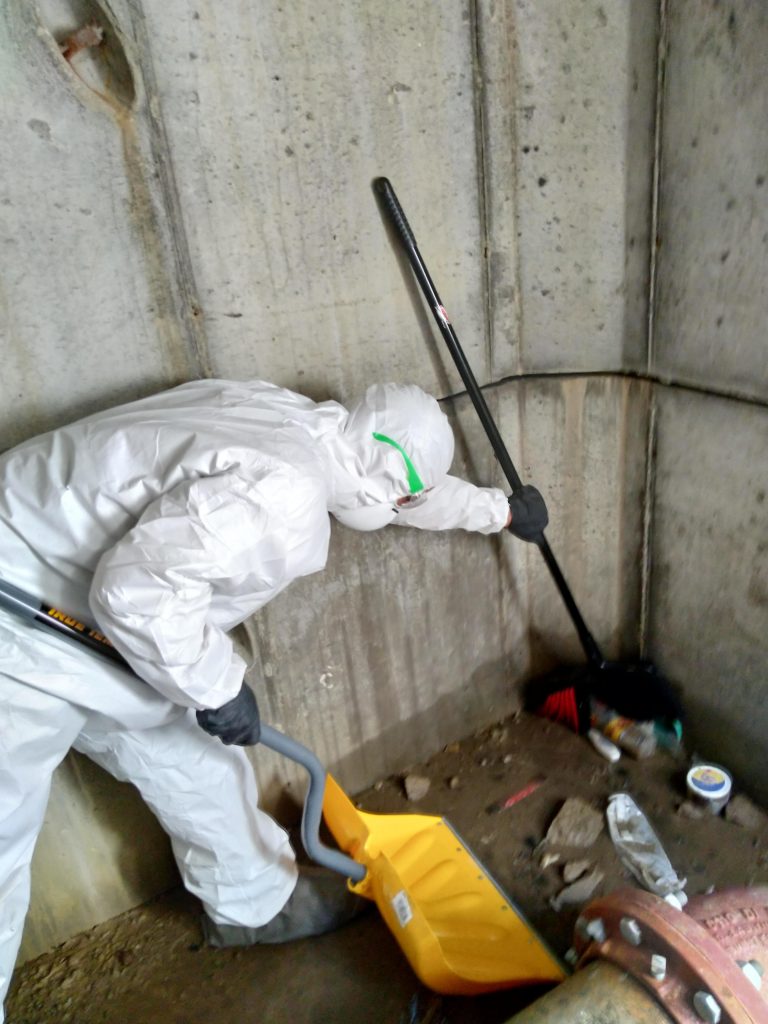
Family members attempting cleanup without proper equipment risk exposure to harmful substances. They may not recognize warning signs of structural compromise or know how to safely dispose of hazardous materials. Professional services bring expertise in safety protocols, proper ventilation, protective equipment, and waste management.
In Greenfield and throughout Indianapolis, local regulations govern waste disposal and may require specific permits or procedures. Professional services navigate these requirements, protecting families from potential legal complications.
How Long Does the Emotional Recovery Process Take?
Physical cleanup might take days or weeks, but emotional recovery continues much longer. Many individuals experience grief after cleanup, mourning the loss of their possessions even when they intellectually understand the necessity. This grief is real and deserves acknowledgment.
Family relationships need time to heal. Trust rebuilds slowly, especially if boundary violations occurred during the crisis. Ongoing therapy helps individuals develop healthier coping mechanisms and address underlying mental health conditions.
Success looks different for each family. For some, it means maintaining a completely clutter-free home. For others, it means establishing functional living spaces while accepting that the person may always prefer more possessions than typical. The goal is safety, improved quality of life, and preserved relationships.
What Should Families Know Before Starting the Cleanup Process?
Preparation makes a significant difference in outcomes. First, involve the person who hoards in every decision possible. Forced cleanouts often traumatize individuals and lead to rapid reaccumulation of items. Second, set realistic expectations about timeline and emotional challenges.
Third, secure mental health support before, during, and after cleanup. A therapist specializing in hoarding disorder provides invaluable guidance. Fourth, research local resources including support groups where both individuals who hoard and their family members can connect with others facing similar challenges.
Finally, choose professional services carefully. Look for companies with specific hoarding cleanup experience, not just general cleaning services. The right team understands the psychological aspects and approaches the work with compassion.
How Do You Maintain Progress After Professional Cleanup?
Preventing relapse requires ongoing effort and support systems. Regular therapy sessions help individuals address the thoughts and feelings that drive acquiring behaviors. Some people benefit from medication for underlying anxiety or depression.
Practical strategies include establishing routines for mail and shopping, creating designated spaces for specific items, and implementing the “one in, one out” rule. Family members can support without enabling by respecting boundaries while staying connected.
Many people benefit from periodic maintenance visits from professional organizers who understand hoarding disorder. These sessions provide accountability and prevent small accumulations from becoming overwhelming again.
Why Choose Professional Services in the Greenfield and Indianapolis Area?
Local professionals understand the specific resources available in your community. They know which donation centers accept bulk items, where to properly dispose of hazardous materials, and how to navigate local health and safety regulations.
Companies like PuroClean Disaster Restoration bring years of experience working with Indianapolis-area families facing hoarding situations. They’ve built relationships with local mental health providers, social services, and support organizations, creating a network of care around each family they serve.
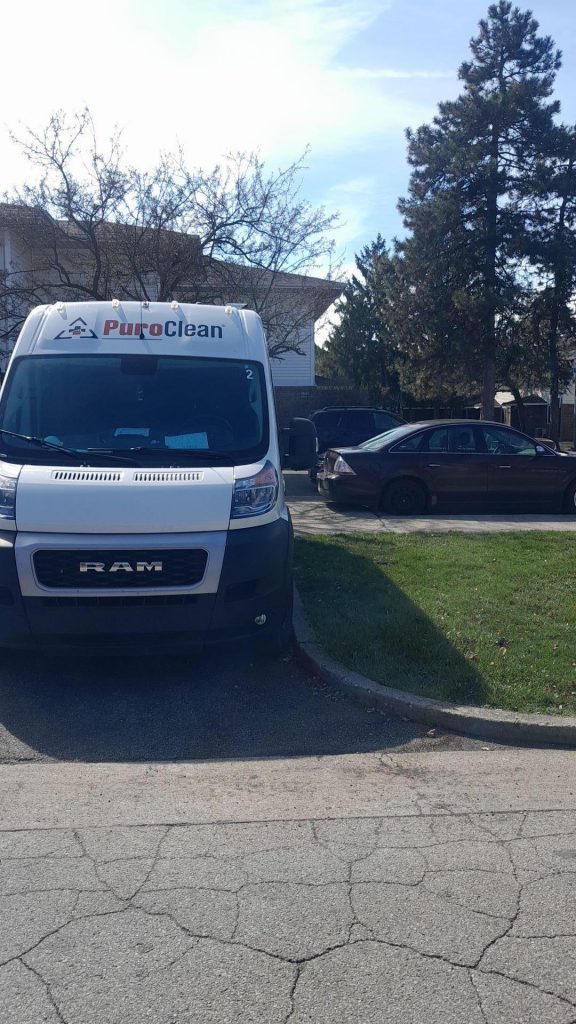
Their teams receive ongoing training in both technical skills and the psychological aspects of hoarding. They approach every situation with empathy, recognizing that behind every cluttered home is a person deserving of dignity and respect.
Frequently Asked Questions
How much does professional hoarding cleanup cost?
Costs vary based on the size of the home, severity of the situation, and any specialized services needed like biohazard remediation or structural repairs. Most companies offer free assessments and detailed estimates. Some homeowner’s insurance policies may cover portions of the work, particularly if damage exists.
Will my loved one be forced to throw everything away?
Reputable services never force disposal. They work collaboratively with the individual to make decisions, often helping sort items into categories like keep, donate, sell, or discard. The pace moves according to what the person can handle emotionally.
How do I convince someone who hoards to accept help?
Focus on safety and quality of life rather than judgment about the possessions. Express concern from a loving place. Sometimes involving a neutral third party like a therapist or professional organizer helps. Ultimatums usually backfire, but clear boundaries about what you can and cannot accept may be necessary.
What happens if the hoarding returns after cleanup?
Without ongoing mental health support, reaccumulation is common. This doesn’t mean the cleanup was wasted. Each attempt provides learning opportunities and may increase motivation for sustained change. Consistent therapy and support systems greatly reduce relapse rates.
Can hoarding cleanup happen if the person is resistant?
In extreme cases involving imminent safety dangers or legal requirements, cleanup may proceed without full cooperation. However, these forced cleanouts often damage trust and mental health. Whenever possible, gaining buy-in and proceeding collaboratively produces better long-term outcomes.
Conclusion
Hoarding cleanup represents one of life’s most challenging experiences, touching every aspect of emotional and psychological wellbeing. The shame, anxiety, and relationship strain that accompany hoarding situations require more than just physical cleaning. They demand compassionate, professional support that honors the dignity of everyone involved.
For families in Greenfield, Indianapolis, and surrounding communities, professional services provide expertise in both the practical and emotional aspects of hoarding cleanup. They understand that behind every cluttered room is a complex human story deserving of respect and care.
If your family is struggling with a hoarding situation, you don’t have to face it alone. PuroClean Disaster Restoration serves the Greenfield and Indianapolis area with compassionate, professional hoarding cleanup services. Call (317) 467-4436 for immediate assistance and support. Their experienced team will work with you to create a safe, dignified path forward for your entire family.

 PuroClean Disaster Restoration