 PuroClean Disaster Restoration
 Executive Summary
Mold on pillows is a serious health concern affecting thousands of Greenfield, Indianapolis residents. This comprehensive guide reveals why mold grows on pillows, the hidden health risks it poses, and actionable steps to eliminate it permanently. You’ll discover the role of humidity, sweat, and poor ventilation in mold growth, plus professional remediation solutions. If you’re dealing with mold issues in your Greenfield home, PuroClean Disaster Restoration can help identify and remove mold safely. Call (317) 467-4436 for immediate assistance.
What Exactly Is Mold on Pillows and Why Should Greenfield Residents Care?
Mold on pillows isn’t just about visible black or green spots. It’s a fungal growth that thrives in the warm, moist environment your pillow creates night after night. In Greenfield’s humid climate, especially during summer months, pillows become perfect breeding grounds for mold spores.
The problem goes deeper than aesthetics. Every night you sleep, you’re breathing in mold spores that can trigger allergies, asthma attacks, and respiratory infections. For families with young children or elderly members, the risks multiply significantly.
Real Story from Greenfield
Sarah Mitchell, a 34-year-old mother of two from Greenfield, started experiencing persistent morning headaches and unexplained respiratory issues in spring 2024. Her eight-year-old daughter developed a chronic cough that wouldn’t respond to medication. After months of doctor visits with no clear diagnosis, a routine bedroom inspection revealed heavy mold contamination in all their pillows. Within two weeks of replacing the pillows and addressing the underlying moisture issues, both Sarah and her daughter’s symptoms disappeared completely. This experience taught Sarah that invisible threats in our bedrooms can cause very real health problems.
Why Does Mold Grow on Pillows in the First Place?
Understanding mold growth starts with understanding what mold needs to survive: moisture, warmth, organic material, and oxygen. Your pillow provides all four conditions perfectly.
How Much Moisture Do We Really Add to Our Pillows?
The average person sweats between one quarter to one third of a pint during sleep. That’s roughly 4 to 6 ounces of moisture absorbed into your pillow every single night. Over weeks and months, this creates the damp environment mold loves.
In Greenfield, where humidity levels regularly exceed 60% during warmer months, pillows struggle to dry completely between uses. This constant dampness accelerates mold growth significantly.
Does the Type of Pillow Material Matter for Mold Growth?
Absolutely. Different pillow materials respond to moisture in different ways:
Memory foam pillows trap heat and moisture with limited airflow, making them highly susceptible to mold growth. The dense cellular structure prevents proper ventilation.
Down and feather pillows absorb moisture readily and provide organic material that mold feeds on. Without proper drying, these pillows can harbor mold for months undetected.
Synthetic fiber pillows generally resist moisture better but still accumulate sweat, dead skin cells, and oils that create perfect conditions for mold colonies.
Latex pillows offer better natural resistance to mold due to their antimicrobial properties, but they’re not immune when exposed to persistent moisture.
Can Drool and Saliva Actually Cause Mold on Pillows?
Yes, saliva contains sugars and proteins that mold feeds on. People who drool during sleep introduce additional moisture and nutrients directly onto pillow surfaces. This combination creates localized mold hotspots, often starting where your face makes contact with the pillow.
What Role Does Dead Skin Play in Pillow Mold Growth?
Humans shed approximately 30,000 to 40,000 dead skin cells every hour. During an eight-hour sleep period, that’s roughly 240,000 to 320,000 skin cells deposited directly into your pillow. These cells provide the organic material mold needs to establish colonies and spread.
What Are the Hidden Health Dangers of Sleeping on Moldy Pillows?
The health implications of mold exposure during sleep are more severe than many Greenfield residents realize. You’re spending 6 to 8 hours with your face pressed directly against a potential mold source, breathing in spores with every breath.
Can Mold on Pillows Cause Respiratory Problems?
Mold exposure during sleep commonly triggers:
Chronic coughing, especially upon waking or during the night Wheezing and difficulty breathing, particularly for asthma sufferers Sinus congestion and post-nasal drip that seems to never fully resolve Throat irritation and persistent scratchy feeling Chest tightness that may feel like anxiety but is actually respiratory inflammation
For people with existing respiratory conditions, sleeping on moldy pillows can trigger serious asthma attacks requiring emergency medical attention.
What About Allergic Reactions to Pillow Mold?
Mold allergies manifest in several ways when you’re exposed during sleep:
Morning symptoms including stuffy nose, sneezing fits, and itchy, watery eyes become your daily reality. Skin reactions like rashes, hives, or eczema flare-ups often appear on your face, neck, and shoulders where contact occurs. Many people experience persistent fatigue because their immune system works overtime fighting the constant mold exposure.
Can Children and Elderly Family Members Face Greater Risks?
Children’s developing immune systems make them particularly vulnerable to mold exposure. They may experience developmental respiratory issues, increased susceptibility to infections, and behavioral changes due to poor sleep quality caused by breathing difficulties.
Elderly individuals, especially those with compromised immune systems or existing health conditions, face heightened risks including severe respiratory infections, exacerbation of chronic conditions like COPD, and increased recovery time from illness.
How Can You Tell If Your Pillow Has Mold Growing Inside It?
Identifying mold isn’t always straightforward because it often grows inside the pillow where you can’t see it.
What Are the Visible Signs of Mold on Pillows?
Look for discolored spots or patches in black, green, gray, brown, or even pink hues. These often appear on pillow surfaces or show through pillowcases as mysterious stains that don’t wash out.
Check for texture changes where the pillow fabric feels slightly fuzzy, rough, or different from surrounding areas. This texture change often indicates surface mold growth.
What Does Mold on Pillows Smell Like?
Mold produces a distinctive musty, earthy odor often described as smelling like wet socks or a damp basement. If your pillow has an unpleasant smell even after washing the pillowcase, mold is likely growing inside.
The smell typically intensifies when you press your face into the pillow or when the pillow is warm from use. If you notice a stronger odor upon waking than when you went to bed, mold is actively releasing spores during the night.
Can You Have Mold on Your Pillow Without Seeing or Smelling It?
Yes, mold can grow inside pillow cores where it remains invisible and produces minimal odor initially. This hidden mold is particularly dangerous because it goes undetected for months while continuously releasing spores you breathe during sleep.
Pay attention to unexplained health symptoms that improve when you’re away from home for several days. This pattern often indicates hidden mold in your sleeping environment.
What Specific Conditions in Greenfield Homes Promote Pillow Mold Growth?
Greenfield’s climate and typical home construction create specific challenges for mold prevention.
How Does Indianapolis Area Humidity Affect Pillow Mold?
Greenfield experiences average humidity levels ranging from 65% to 75% during summer months. Indoor humidity above 60% creates ideal conditions for mold growth. Without proper dehumidification, pillows never fully dry between uses.
Winter months bring different challenges. When cold outdoor air meets warm indoor air, condensation forms on windows and walls. This excess moisture increases overall indoor humidity, affecting bedding and pillows.
Can Poor Bedroom Ventilation Cause Mold on Pillows?
Inadequate airflow in bedrooms traps moisture and prevents pillows from drying properly. Common ventilation problems in Greenfield homes include:
Closed bedroom doors during sleep that restrict air circulation throughout the house. Insufficient HVAC return vents in bedrooms that prevent proper air exchange. Lack of ceiling fans to promote air movement. Tightly sealed newer homes that trap moisture inside without adequate mechanical ventilation.
What If You Have Water Damage or Leaks Near Your Bedroom?
Even small leaks create significant mold problems. Roof leaks that drip into attic spaces above bedrooms increase humidity levels throughout the room. Plumbing leaks in walls or under floors release constant moisture into the air. Basement moisture that rises through the home affects first-floor and second-floor bedrooms.
If your Greenfield home has experienced any water damage, professional inspection is crucial. PuroClean Disaster Restoration specializes in identifying hidden moisture sources that promote mold growth. Call (317) 467-4436 for a thorough moisture assessment.
Does Sleeping with Wet Hair Make Pillow Mold Worse?
Going to bed with damp or wet hair transfers significant moisture directly into your pillow. This practice accelerates mold growth dramatically, especially when combined with Greenfield’s naturally high humidity levels.
The moisture from wet hair penetrates deep into pillow cores where it remains trapped, creating perfect conditions for mold colonies to establish and spread.
What Are the Most Effective Ways to Clean Mold from Pillows?
Cleaning moldy pillows depends on the extent of contamination and pillow type.
Can You Successfully Wash Mold Out of Pillows?
For minor surface mold on washable pillows, hot water washing may work:
Check the care label to verify your pillow is machine washable. Use the hottest water setting safe for the pillow material, as heat kills mold spores. Add white vinegar (one cup) to the wash cycle for its natural antifungal properties. Run an extra rinse cycle to remove all cleaning agents and dead mold spores. Dry completely on high heat or in direct sunlight, ensuring zero moisture remains.
What Cleaning Solutions Actually Kill Mold on Pillows?
Several solutions effectively kill mold spores:
White vinegar kills approximately 82% of mold species. Spray undiluted vinegar on affected areas, let sit for one hour, then wash thoroughly.
Hydrogen peroxide (3% solution) works on most pillow materials. Spray affected areas, allow 10 minutes of contact time, then rinse and dry completely.
Tea tree oil provides natural antifungal properties. Mix 10 drops with one cup of water in a spray bottle, apply to moldy areas, and allow to air dry before washing.
When Should You Just Replace the Pillow Instead of Cleaning It?
Replacement is necessary when:
Mold has penetrated throughout the pillow interior. The pillow smells musty even after multiple washings. Visible mold covers more than 25% of the pillow surface. The pillow is older than two years and showing any mold signs. Anyone in your household has severe mold allergies or respiratory conditions.
Attempting to salvage heavily contaminated pillows risks ongoing health problems. The cost of replacement is minimal compared to medical expenses from continued mold exposure.
How Can You Prevent Mold from Growing on Pillows in the First Place?
Prevention requires consistent habits and environmental control.
What’s the Right Way to Use Pillow Protectors Against Mold?
Quality pillow protectors create a barrier between your body’s moisture and the pillow itself. Look for protectors with these features:
Waterproof or water-resistant backing that blocks moisture penetration. Breathable fabric that allows air circulation to prevent moisture buildup. Zippered closure that fully encases the pillow. Washable material that withstands frequent cleaning at high temperatures.
Wash pillow protectors every two weeks in hot water to kill any mold spores and remove accumulated moisture, oils, and skin cells.
How Often Should You Replace Your Pillows to Prevent Mold?
Replace pillows every 12 to 18 months, regardless of visible mold signs. Even with perfect care, pillows accumulate moisture, oils, and organic material that create mold risk over time.
Set reminder dates on your phone or calendar to ensure timely replacement. Consider replacing all household pillows simultaneously during Greenfield’s dry autumn months when mold risk is naturally lower.
Does Room Humidity Really Matter for Pillow Mold Prevention?
Maintaining indoor humidity between 30% and 50% dramatically reduces mold growth potential. In Greenfield, this requires active humidity management:
Run dehumidifiers during humid summer months, especially in bedrooms. Use exhaust fans in bathrooms to remove moisture before it spreads to bedrooms. Avoid drying wet laundry indoors, which releases significant moisture into the air. Ensure proper HVAC function to maintain consistent temperature and humidity control.
Should You Air Out Your Pillows Daily?
Yes, daily airing helps pillows dry naturally. Each morning, remove pillowcases and prop pillows upright near an open window or in direct sunlight for 30 minutes. This simple practice allows accumulated moisture to evaporate before it creates mold conditions.
In Greenfield’s humid climate, combine airing with fan circulation to accelerate drying. Point a small fan toward pillows during airing time to enhance moisture removal.
What Bedroom Habits Reduce Mold Risk on Pillows?
Several daily habits make significant differences:
Shower and dry hair completely before bed to avoid transferring moisture to pillows. Keep bedroom temperatures slightly cool (65-68°F) to reduce sweating during sleep. Wash pillowcases in hot water every 3 to 4 days to remove oils, sweat, and organic material. Use moisture-wicking pillowcases made from bamboo or special synthetic fabrics. Open windows during low-humidity days to promote air exchange and reduce indoor moisture.
What Professional Solutions Exist for Serious Pillow and Bedroom Mold Problems?
Sometimes mold problems extend beyond pillows alone.
When Should You Call Professional Mold Remediation Services?
Professional help becomes necessary when:
You discover mold on multiple pillows throughout your home. Mold appears on other bedroom surfaces like walls, ceilings, or carpets. Family members experience persistent health symptoms despite replacing pillows. You’ve addressed obvious moisture sources but mold keeps returning. Your home has experienced flooding, significant leaks, or water damage.
What Does Professional Mold Inspection Involve?
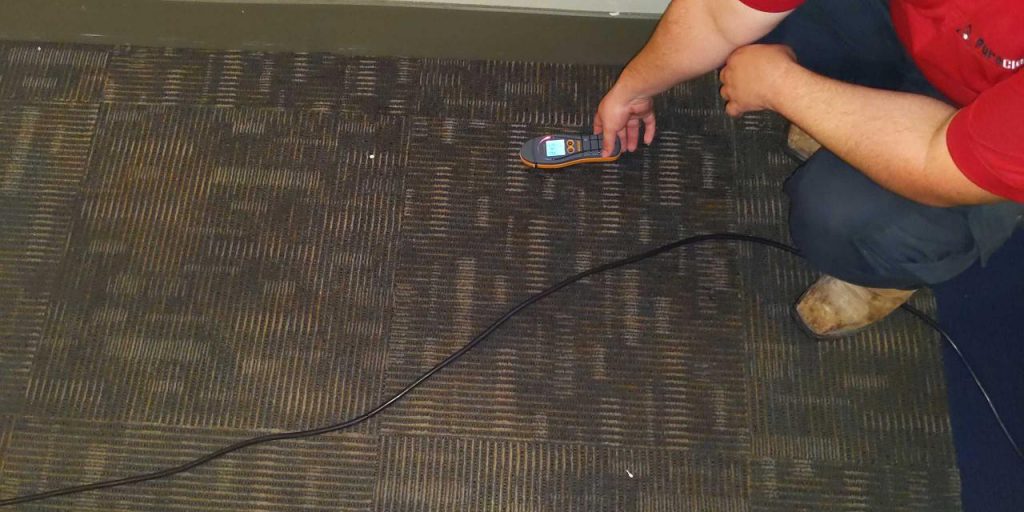
Professional mold inspection includes comprehensive assessment of your entire home environment. Technicians identify hidden moisture sources using thermal imaging and moisture meters. They conduct air quality testing to measure spore levels throughout your home. They inspect HVAC systems that may be distributing mold spores. They provide detailed remediation plans addressing root causes, not just symptoms.
PuroClean Disaster Restoration serves Greenfield and surrounding Indianapolis areas with certified mold inspection and remediation services. Their technicians understand local climate challenges and construction types common in the area.
How Can Professional Services Address Underlying Moisture Problems?
Professional remediation goes beyond surface treatment:
Technicians locate and repair hidden water damage and leaks. They install proper ventilation systems to maintain healthy humidity levels. They treat structural mold in walls, attics, and crawl spaces. They clean and sanitize HVAC systems to prevent mold distribution. They provide follow-up testing to verify successful remediation.
What If You Need Emergency Mold Remediation in Greenfield?
For emergency situations involving extensive mold growth or water damage, immediate professional intervention prevents health risks and property damage. PuroClean Disaster Restoration offers 24/7 emergency services for Greenfield residents.
Call (317) 467-4436 immediately if you experience flooding, discover widespread mold growth, or family members develop severe health symptoms related to mold exposure. Quick response minimizes damage and health risks.
Are Certain Pillow Types More Resistant to Mold Than Others?
Choosing the right pillow materials helps prevent mold problems.
Do Antimicrobial Pillows Actually Prevent Mold Growth?
Some pillows feature antimicrobial treatments that inhibit mold growth. However, these treatments wear off over time with washing and use. They provide additional protection but don’t eliminate the need for proper pillow care and humidity control.
Look for pillows with inherent antimicrobial properties rather than chemical treatments. Natural latex and certain bamboo-based pillows offer better long-term mold resistance.
What About Hypoallergenic Pillows for Mold Prevention?
Hypoallergenic pillows reduce allergic reactions but don’t necessarily prevent mold growth. The term “hypoallergenic” means the pillow materials are less likely to cause allergic reactions, not that they resist mold.
For mold prevention, focus on pillows with good moisture-wicking properties and breathability rather than hypoallergenic labels alone.
Which Pillow Materials Offer the Best Mold Resistance?
Natural latex pillows provide excellent mold resistance due to inherent antimicrobial properties and good breathability. The open-cell structure allows air circulation that helps moisture evaporate.
Buckwheat hull pillows offer superior airflow and don’t absorb moisture like traditional pillow materials. The hulls remain dry and resist mold growth naturally.
Copper-infused memory foam combines memory foam comfort with copper’s natural antimicrobial properties. However, these pillows still require proper care to prevent moisture accumulation.
Bamboo charcoal pillows absorb moisture and odors while providing natural antibacterial benefits. The charcoal helps regulate humidity within the pillow itself.
What Should You Do If You Have Allergies or Asthma and Discover Mold on Pillows?
Immediate action is crucial for people with respiratory sensitivities.
How Quickly Can Moldy Pillows Affect People with Respiratory Conditions?
People with asthma or allergies can experience reactions within hours of exposure. Symptoms often worsen overnight and improve during the day when away from contaminated pillows. Severe reactions may require emergency medical treatment.
What’s the Safest Way to Remove Moldy Pillows from Your Home?
When removing contaminated pillows:
Wear a protective N95 mask to avoid breathing mold spores during removal. Place pillows directly into sealed plastic bags without shaking or fluffing them. Remove bags from your home immediately to prevent spore distribution. Wash hands thoroughly after handling contaminated pillows. Clean any surfaces where moldy pillows were stored using appropriate mold-killing solutions.
Should You Have Your Home Tested for Mold After Finding It on Pillows?
Yes, especially if you have respiratory conditions. Mold on pillows often indicates broader moisture and mold issues throughout your home. Professional testing identifies hidden mold sources and measures air quality to ensure your environment is safe.
How Does Seasonal Change in Greenfield Affect Pillow Mold Risk?
Understanding seasonal patterns helps you adjust prevention strategies.
Why Do Summer Months Create Higher Mold Risk on Pillows?
Summer in Greenfield brings heat and humidity that create perfect mold conditions. Higher temperatures increase sweating during sleep. Increased humidity prevents pillows from drying properly. Air conditioning that’s improperly sized or maintained may not adequately control indoor humidity.
During summer months, increase preventive measures including more frequent pillow washing, aggressive humidity control with dehumidifiers, and enhanced bedroom ventilation.
Can Winter Heating Systems Contribute to Pillow Mold?
Winter heating creates different mold risks. Condensation forms when warm indoor air meets cold window surfaces, increasing overall humidity. Poorly ventilated homes trap moisture from cooking, showering, and breathing. Humidifiers used to combat dry winter air can create excessive humidity if not properly monitored.
Monitor indoor humidity closely during winter and maintain levels between 30% and 40% to balance comfort with mold prevention.
What About Spring and Fall in Greenfield?
Spring and fall offer the best conditions for pillow care. Lower humidity levels naturally reduce mold risk. Moderate temperatures allow for window opening and natural ventilation. These seasons are ideal times to replace pillows and deep-clean bedroom environments.
Take advantage of these favorable conditions to air out and sun-dry pillows more frequently.
Frequently Asked Questions About Mold on Pillows
How long does it take for mold to grow on a pillow?
Mold can begin growing on pillows within 24 to 48 hours if sufficient moisture is present. However, visible mold colonies typically take several weeks to months to develop. The growth rate depends on moisture levels, temperature, and the amount of organic material available. Greenfield’s humid climate can accelerate mold growth compared to drier regions.
Can washing pillowcases regularly prevent mold inside the pillow?
Washing pillowcases helps but doesn’t fully prevent internal mold growth. Pillowcases protect against surface contamination but moisture from sweat still penetrates through to the pillow interior. Use pillow protectors under pillowcases for better moisture protection, and maintain proper humidity levels in your bedroom.
Is it safe to sleep on a pillow with small amounts of mold?
No, any amount of mold exposure during sleep poses health risks. Even small mold colonies release spores that you inhale for 6 to 8 hours nightly. People with allergies, asthma, or compromised immune systems face particular danger. Replace any pillow showing mold signs immediately.
How do you know if mold is making you sick?
Mold-related illness symptoms include morning headaches, persistent coughing, unexplained fatigue, skin rashes, sinus congestion, and respiratory issues that improve when away from home. If symptoms consistently worsen at night or upon waking and improve during the day, mold exposure during sleep is a likely cause.
Can you get sick from old pillows even without visible mold?
Yes, old pillows accumulate dust mites, bacteria, fungi, and allergens over time. After 18 to 24 months, pillows contain significant contamination that affects health even without visible mold. Regular pillow replacement is essential for maintaining healthy sleep environments.
Does sunlight kill mold on pillows?
Direct sunlight kills surface mold through UV radiation and heat, but it may not penetrate deeply enough to kill mold throughout a pillow’s interior. Sunning pillows helps as part of regular maintenance but shouldn’t be considered a remedy for established mold contamination.
What humidity level prevents mold on pillows?
Maintain indoor humidity between 30% and 50% to prevent mold growth. Levels above 60% create ideal mold conditions, while levels below 30% may cause respiratory irritation and other health issues. Use a hygrometer to monitor bedroom humidity and adjust as needed.
Can mold spread from pillows to other parts of your home?
Yes, mold spores from contaminated pillows can become airborne and settle on other surfaces throughout your home. Bedding, curtains, carpets, and walls near your bed are particularly vulnerable. Address pillow mold immediately to prevent broader contamination.
Do memory foam pillows get moldy easier than regular pillows?
Memory foam pillows can be more susceptible to mold because their dense structure traps heat and moisture while limiting airflow. However, all pillow types can develop mold with sufficient moisture exposure. Memory foam requires particularly diligent humidity control and airing.
Should you throw away pillows after water damage?
Yes, any pillow exposed to flooding or significant water damage should be discarded immediately. Water-damaged pillows become mold breeding grounds within 24 to 48 hours, and thorough drying is nearly impossible. The health risks and replacement cost make salvaging them impractical.

Conclusion
Mold on pillows represents a serious health threat that many Greenfield residents overlook until symptoms become severe. Understanding the causes of pillow mold, including humidity, sweat, poor ventilation, and inadequate pillow care, empowers you to take preventive action.
The key to eliminating pillow mold permanently involves multiple strategies working together. Control your indoor humidity levels between 30% and 50%, replace pillows every 12 to 18 months, use quality pillow protectors, and establish daily habits that allow pillows to dry properly. Address any underlying moisture problems in your home promptly to prevent recurring mold issues.
For Greenfield residents dealing with persistent mold problems, professional assessment and remediation provide the most effective solution. PuroClean Disaster Restoration brings expertise in identifying hidden moisture sources and eliminating mold contamination throughout your home.
Don’t let mold compromise your family’s health and sleep quality. If you’re experiencing unexplained respiratory symptoms, discovering mold on pillows or other bedroom surfaces, or dealing with water damage in your Greenfield home, professional help is available. Contact PuroClean Disaster Restoration at (317) 467-4436 for immediate assistance. Their certified technicians provide comprehensive mold inspection, testing, and remediation services to restore your home to a safe, healthy environment. Call today to schedule your assessment and take the first step toward mold-free sleeping.
 PuroClean Disaster Restoration