 PuroClean Disaster Restoration
 Table of Contents
Biohazard: Flooding is a common issue that can lead to biohazard contamination in residential and commercial properties. Floodwater often carries pathogens, sewage, and hazardous chemicals that pose health risks, requiring specific and thorough cleanup measures to ensure safety. Here’s a comprehensive guide to biohazard cleanup after flooding, focusing on critical steps to effectively restore and decontaminate affected areas.
1. Assess the Severity of Biohazard Contamination
- Inspect the Area: Examine the flooded areas to determine the level of contamination. Look for signs of sewage, chemical leaks, or biological contaminants like animal waste.
- Identify High-Risk Zones: Prioritize spaces where water contamination is most concentrated, such as basements, bathrooms, and kitchens.
- Online Biohazard Test: Before you call that biohazard cleanup company, you may want to determine the severity of biohazard contamination yourself. You can try out this Biohazard cleaning online AI powered calculator by Restoration RH.
- Consult Professionals: For severe biohazard cases, consult a certified cleanup company that can perform tests to identify pathogens and hazardous materials. Biohazard cleanup professionals can confirm the contamination levels, making it easier to determine the right approach.
2. Equip Proper Protective Gear (PPE)
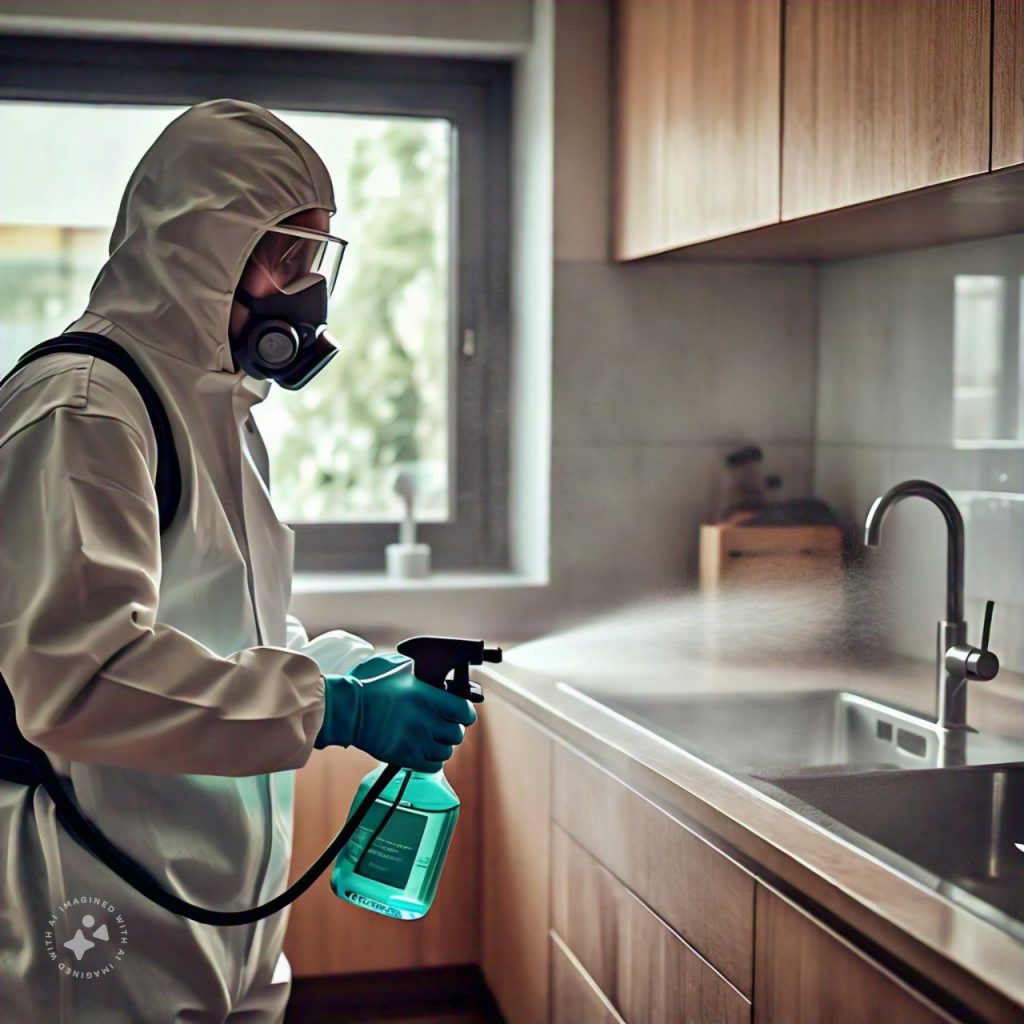
- Use Appropriate PPE: Biohazard cleanup requires personal protective equipment, including gloves, goggles, waterproof coveralls, and respirators.
- Prevent Cross-Contamination: Always change PPE after each session to avoid spreading contaminants to other areas. Professionals recommend disposable PPE for severe biohazard cases to ensure maximum safety.
- Ventilate the Area: Proper ventilation reduces the risk of inhaling airborne contaminants during the cleanup process.

3. Drain and Remove Floodwater Safely
- Pumping Out Water: Use industrial-grade pumps to remove stagnant water from affected areas. Avoid using regular household pumps if they aren’t rated for biohazard situations.
- Prevent Structural Damage: Water removal should be gradual to prevent sudden shifts in pressure, which could lead to cracks in walls or floors.
- Dispose of Water Safely: Ensure the extracted water is disposed of in accordance with local regulations, as it may contain biohazardous material.
4. Remove Contaminated Items and Materials
- Identify Salvageable Items: Inspect and separate items that can be cleaned from those that need disposal. Often, items like carpets, soft furnishings, and porous materials cannot be salvaged.
- Dispose of Hazardous Materials Properly: Dispose of items contaminated with biohazards according to local regulations. It’s essential to use designated biohazard waste bags and dispose of them through authorized channels.
- Sanitize Salvageable Items: Hard, non-porous items may be sanitized and reused if they’re cleaned correctly using EPA-registered disinfectants.
For immediate assistance with Bio-hazard Clean up, contact PuroClean Disaster Restoration, Call (+1) 317-467-4436.
5. Dry and Dehumidify the Area
- Use Dehumidifiers and Air Movers: Effective drying is critical to prevent mold and further contamination. Industrial-grade dehumidifiers and air movers accelerate the drying process.
- Monitor Humidity Levels: Use a hygrometer to ensure the moisture levels remain low to reduce the risk of mold growth.
- Inspect for Hidden Moisture: Areas like wall cavities and subfloors can retain moisture. Moisture detection tools help identify these zones to ensure complete drying.
6. Disinfect and Sanitize Surfaces Thoroughly
- Apply EPA-Approved Disinfectants: Use disinfectants specifically designed for biohazard scenarios to kill bacteria, viruses, and pathogens present after flooding.
- Focus on High-Touch Surfaces: Pay special attention to areas like door handles, counters, and walls that may have come into contact with contaminated water.
- Repeat the Process: Multiple rounds of disinfecting are often necessary to ensure the complete eradication of biohazards, especially in severe cases.
7. Address Potential Mold Growth
- Treat Susceptible Areas: Biohazard and flood-affected areas are prone to mold. Apply mold-resistant treatments to prevent growth.
- Conduct Post-Cleanup Mold Inspections: After biohazard cleanup, have a professional inspect for mold to confirm no mold growth is taking hold.
- Utilize Anti-Microbial Treatments: Anti-microbial treatments offer an added layer of defense against mold and bacterial growth post-cleanup.
8. Dispose of Cleanup Materials Safely
- Biohazard Waste Disposal: All materials, from contaminated PPE to waste, must be handled as biohazard waste. Use approved disposal containers and avoid disposing of them in general trash.
- Comply with Regulations: Work with licensed biohazard disposal companies if available in your area to ensure that waste disposal complies with health and safety laws.
9. Conduct a Final Inspection
- Visual and Odor Check: Ensure there are no visible contaminants or residual odors. Lingering odors can indicate hidden biohazards.
- Air Quality Testing: An air quality test may be necessary in severe cases to ensure the air is free of contaminants.
- Documentation: Document the cleanup process for insurance and future reference. It’s helpful to take photos before, during, and after cleanup.
10. Plan for Future Prevention
- Install Flood Barriers: Consider installing flood barriers or backflow valves to prevent future biohazard contamination from floods.
- Regular Maintenance Checks: Maintain drainage systems and plumbing to minimize biohazard risks from future flooding.
- Educate Household Members: Knowing the signs of biohazard risks post-flood can help family members act quickly in the future.
Conclusion
Cleaning up biohazards after flooding involves a series of precise, critical steps to ensure that contaminants are entirely eradicated and the property is safe to inhabit. Engaging professional help, following proper protocols, and taking preventive measures can make a significant difference in effectively restoring a space and reducing future risks. Professional biohazard cleanup services bring expertise, equipment, and experience to handle severe cases, ensuring that each step meets safety standards and that the property is thoroughly decontaminated.

 PuroClean Disaster Restoration