 PuroClean Disaster Restoration
 Executive Summary
Mold recurrence after cleaning is a common frustration for Greenfield and Indianapolis homeowners. Surface cleaning only removes visible mold while leaving behind root systems called hyphae that penetrate porous materials. This article explains why DIY cleaning fails, reveals the hidden moisture sources that sustain mold growth, and details how certified professionals use EPA-approved methods to eliminate mold permanently. Homeowners will learn about the scientific reasons mold returns, the health risks of repeated exposure, and the comprehensive solutions that address both visible growth and underlying causes.
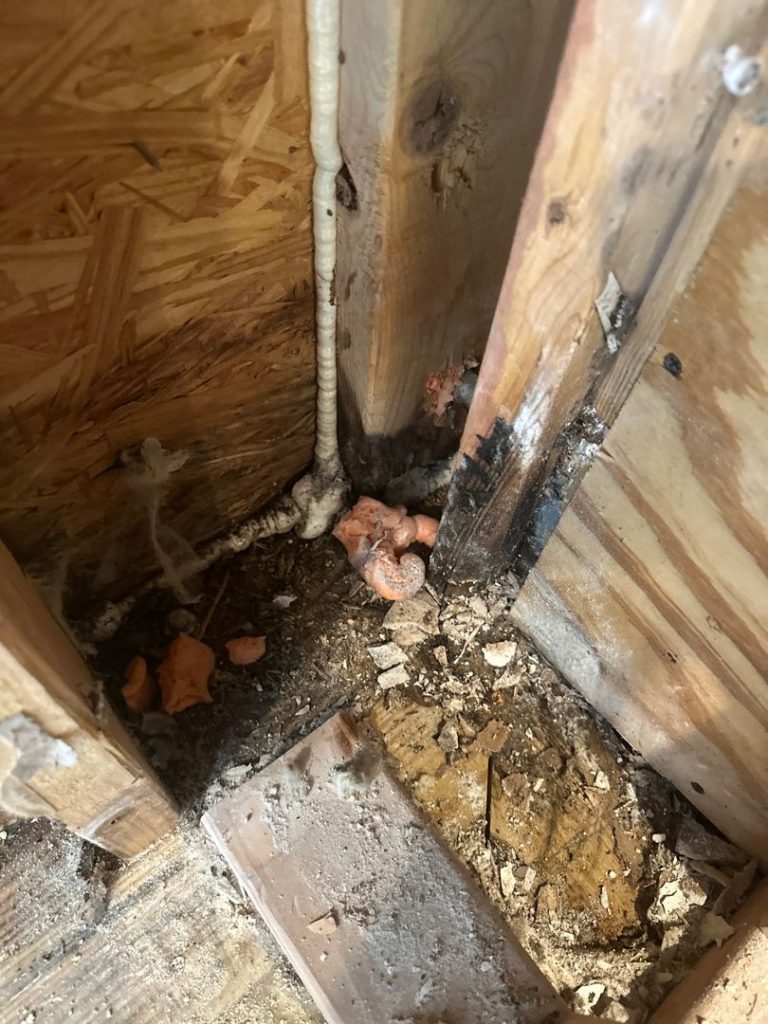
The Frustrating Cycle: Sarah’s Story
Sarah Martinez purchased her dream home in Greenfield two years ago. Within six months, she noticed black spots appearing on her bathroom ceiling. Armed with bleach and determination, she scrubbed every visible trace away. The mold disappeared completely.
Three weeks later, it returned in the exact same spot, but larger.
Sarah cleaned again. And again. By the eighth month, the mold had spread to her bedroom closet. Her youngest daughter developed a persistent cough that wouldn’t respond to medication. Sarah’s frustration turned to genuine concern when her pediatrician asked about mold exposure in their home.
This pattern plays out in homes across Indianapolis every day. Homeowners invest time, money, and physical effort into removing mold, only to watch it reappear weeks later. The problem isn’t lack of effort but rather a fundamental misunderstanding of how mold actually works.
Why Does Mold Keep Coming Back After I Clean It?
Mold returns after cleaning because standard cleaning methods address only the symptom, not the disease. When you see mold on your walls or ceiling, you’re observing the fruiting body of a much larger organism. Think of it like dandelions in your lawn. Cutting off the yellow flower doesn’t kill the plant because the root system remains underground, ready to produce new growth.
Mold operates identically. The visible patches you scrub away represent only 10 to 20 percent of the total fungal colony. Below the surface, microscopic root structures called hyphae penetrate deep into porous materials like drywall, wood, and insulation. These roots can extend several inches into building materials.
When you spray bleach or cleaning solution on mold, you kill surface growth but the hyphae remain alive and active. Within days or weeks, these surviving roots produce new visible growth. You haven’t failed at cleaning. You’ve simply fought the wrong battle.
What Mistakes Do Homeowners Make When Treating Mold?
Using Bleach on Porous Surfaces
Bleach remains the most commonly used mold treatment in American homes, despite being ineffective on porous materials. The EPA and CDC both state that bleach cannot penetrate porous surfaces to kill root systems. Water in the bleach solution actually feeds the mold roots while the chlorine component evaporates from the surface.
Bleach works exclusively on non-porous surfaces like glass, tile, and metal. On drywall, wood, or fabric, it creates a temporary cosmetic improvement while the problem worsens beneath the surface.
Ignoring the Moisture Source
Mold requires three elements to grow: organic material (food), appropriate temperature, and moisture. Your home provides the first two in abundance through wood, drywall, dust, and stable indoor temperatures. The variable factor is moisture.
Every mold problem has a moisture source. Finding and eliminating this source matters more than removing visible mold. Common moisture sources in Indianapolis area homes include:
- Roof leaks: Missing shingles or damaged flashing allow water intrusion during storms
- Plumbing issues: Slow leaks inside walls or under floors create ideal mold conditions
- Poor ventilation: Bathrooms and kitchens without adequate exhaust allow humidity to condense on cool surfaces
- Foundation problems: Cracks or improper grading direct water toward your home’s structure
- HVAC condensation: Air conditioning systems generate moisture that requires proper drainage
- High indoor humidity: Levels above 60 percent support mold growth even without visible water
Homeowners who clean mold without addressing its moisture source guarantee its return. The timeline varies based on humidity levels and temperature, but recurrence is mathematically certain.
Stopping Treatment Too Soon
Mold remediation requires multiple steps performed in specific order. Homeowners typically execute only the first step (visible cleaning) and consider the job complete. Professional remediation includes:
- Moisture source identification and correction
- Containment to prevent spore spread
- Air filtration to capture airborne spores
- Physical removal of contaminated materials
- Antimicrobial treatment of affected areas
- Drying and dehumidification
- Prevention strategies implementation
- Post-remediation verification testing
Skipping any step creates opportunities for recurrence. The contaminated material removal step particularly confuses homeowners. Porous materials with deep mold penetration cannot be cleaned effectively and must be replaced. Attempting to save heavily contaminated drywall or insulation preserves the mold problem.
How Do Hidden Moisture Sources Keep Feeding Mold Growth?
Indianapolis homes face specific moisture challenges related to regional climate patterns and construction methods common in the area.
Seasonal Humidity Fluctuations
Central Indiana experiences significant humidity variation throughout the year. Summer months regularly reach 70 to 80 percent relative humidity, while winter indoor heating can drop levels below 30 percent. These swings stress building materials and create condensation opportunities.
Warm, humid summer air contacts cool surfaces inside air-conditioned homes, causing moisture to condense. This explains why mold often appears in corners, along exterior walls, or behind furniture where air circulation is limited. The condensation occurs invisibly until mold makes it obvious.
Crawl Space and Basement Issues
Many Greenfield and Indianapolis homes have crawl spaces or basements that contribute moisture to upper living areas through a process called the stack effect. Warm air rises in your home, creating negative pressure in lower levels that pulls humid air from crawl spaces upward through gaps, cracks, and wall cavities.
Earthen crawl spaces without vapor barriers release moisture constantly. This moisture migrates upward, increasing humidity in main living areas and creating conditions that support mold growth in walls, closets, and storage areas.
Plumbing Leaks Inside Walls
The most insidious moisture sources occur inside walls where they remain invisible until significant damage develops. A pinhole leak in a copper water line or a loose PEX fitting can release small amounts of water for months or years. The leak isn’t large enough to create visible wall damage but provides sufficient moisture to sustain active mold colonies.
These hidden leaks explain situations where homeowners clean mold repeatedly without success. The moisture source continues operating regardless of cleaning frequency or intensity.
Roof and Flashing Vulnerabilities
Indianapolis area weather includes intense summer thunderstorms, winter freeze-thaw cycles, and occasional severe wind events. These conditions stress roofing systems and create vulnerability points. A small roof leak might only admit water during wind-driven rain, making it difficult to identify during dry weather inspections.
Ice dams during winter months trap water on roofs, forcing it under shingles and into attic spaces. This water saturates insulation and drips onto ceilings, creating perfect conditions for mold growth between the ceiling drywall and attic floor.
What Health Risks Come With Repeated Mold Exposure?
Recurring mold exposure poses greater health risks than single incidents because sensitization increases with repeated contact. Your immune system becomes progressively more reactive to mold spores and mycotoxins.
Respiratory Complications
Mold spores measure 3 to 40 microns in diameter, small enough to bypass nasal filtration and reach deep into lung tissue. Repeated inhalation causes:
- Chronic coughing and wheezing
- Asthma development or worsening of existing asthma
- Allergic bronchopulmonary aspergillosis (a serious fungal lung infection)
- Hypersensitivity pneumonitis (inflamed lung tissue)
- Increased susceptibility to respiratory infections
Children, elderly individuals, and people with compromised immune systems face elevated risks. Sarah’s daughter experienced persistent coughing because her developing respiratory system reacted strongly to repeated spore exposure.
Neurological and Systemic Effects
Certain mold species produce mycotoxins that affect the nervous system. Stachybotrys (black mold) and Aspergillus species generate particularly toxic compounds. Chronic low-level exposure can cause:
- Difficulty concentrating or memory problems
- Headaches and migraines
- Fatigue and weakness
- Dizziness or balance issues
- Mood changes including anxiety and depression
These symptoms often develop gradually, making it difficult to connect them to mold exposure. Patients and doctors may attribute them to stress, aging, or other medical conditions while the actual cause continues affecting health.
Allergic Sensitization
Repeated mold exposure trains your immune system to react more strongly each time. A person who initially experiences mild symptoms may develop severe reactions after months or years of recurring exposure. This sensitization can become permanent, meaning even small exposures trigger significant responses.
How Do Professional Mold Remediation Experts Approach the Problem Differently?
Certified mold remediation professionals follow methodologies developed through decades of research and refined by organizations like the EPA, CDC, and Institute of Inspection, Cleaning and Restoration Certification (IICRC).
Comprehensive Moisture Mapping
Professional remediation begins with moisture detection, not mold removal. Technicians use specialized equipment to identify all moisture sources:
- Infrared thermal cameras: Detect temperature differences that indicate moisture presence behind walls and ceilings
- Moisture meters: Provide precise measurements of moisture content in building materials
- Hygrometers: Measure relative humidity throughout the structure
- Borescopes: Allow visual inspection inside wall cavities without destructive demolition
This investigation often reveals multiple moisture sources. The visible mold represents only the location where conditions proved most favorable for growth. Other areas may have elevated moisture without visible mold yet.
Source Elimination Before Remediation
Professional protocols require stopping water intrusion before beginning mold removal. This might involve:
- Roof repairs or replacement
- Plumbing repairs including rerouting problematic lines
- Foundation waterproofing
- Improved ventilation installation
- Dehumidification systems
- Vapor barrier installation in crawl spaces
Remediating mold while moisture sources remain active wastes time and money. The mold will return as soon as treatment ends.
Proper Containment and Protection
Mold remediation activities disturb colonies and release massive spore quantities into the air. Professional containment prevents these spores from spreading to unaffected areas.
Containment strategies include:
- Physical barriers using heavy plastic sheeting
- Negative air pressure systems using HEPA-filtered air scrubbers
- Separate entry and exit points with decontamination chambers
- HEPA vacuuming of all work areas before barrier removal
Workers wear personal protective equipment including respirators, disposable coveralls, and gloves. These precautions protect both workers and occupants.
Complete Removal of Contaminated Materials
Professional standards require removing porous materials with significant mold contamination. This includes:
- Drywall with visible mold growth
- Insulation with any mold presence
- Carpet and padding in affected areas
- Ceiling tiles and acoustical materials
- Wood with deep mold penetration
This removal seems extreme to homeowners who want to save materials and reduce costs. However, attempting to clean heavily contaminated porous materials guarantees recurrence. The hyphae penetration is too deep for surface treatment effectiveness.
Non-porous materials like metal studs, concrete, and tile can be cleaned and treated rather than replaced.
HEPA Filtration and Air Scrubbing
Industrial air scrubbers equipped with HEPA filters capture 99.97 percent of particles 0.3 microns and larger. These machines process the air in affected areas multiple times per hour, removing spores released during remediation activities.
This filtration continues throughout the project and for 24 to 48 hours after completion. It ensures airborne spore counts return to normal levels before occupants return.
Antimicrobial Treatment and Encapsulation
After removing contaminated materials, professionals treat remaining surfaces with EPA-registered antimicrobial solutions. These products kill mold and inhibit regrowth. Unlike household bleach, professional antimicrobials are formulated to:
- Penetrate porous surfaces
- Maintain effectiveness over extended periods
- Target specific mold species
- Avoid harmful off-gassing or residue
Some situations benefit from encapsulation, where specialized coatings create physical barriers over treated surfaces. These coatings prevent any surviving spores from receiving the moisture and nutrients needed for regrowth.
Prevention Strategy Implementation
The final phase addresses long-term prevention:
- Humidity control: Installing dehumidifiers or whole-house humidity management systems
- Improved ventilation: Upgrading bathroom and kitchen exhaust fans, ensuring proper attic ventilation
- Regular monitoring: Establishing moisture inspection schedules
- Occupant education: Teaching homeowners to recognize early warning signs
- Documentation: Providing detailed reports including moisture readings, photos, and recommendations
This comprehensive approach addresses current mold problems while preventing future occurrences.
What Should I Look For When The Mold Problem Seems Worse After Cleaning?
Some situations indicate mold problems more severe than initially apparent:
Musty Odors Without Visible Mold
Mold produces volatile organic compounds (MVOCs) that create distinctive musty smells. If you smell mold but cannot find visible growth, the colony likely exists inside walls, under flooring, or in HVAC systems. These hidden colonies pose greater risks because they grow unchecked until discovered.
Multiple Recurrence Locations
When mold reappears in different locations after each cleaning, you’re dealing with a systemic moisture problem. This pattern suggests:
- Overall humidity levels too high throughout the structure
- Multiple moisture sources requiring professional investigation
- Possible mold contamination in HVAC systems spreading spores throughout the home
Rapid Regrowth
Mold that reappears within days rather than weeks indicates extremely favorable conditions. The moisture source is active and significant. Water may be continuously present rather than intermittent.
Spreading Growth Patterns
Mold colonies that expand between cleaning efforts demonstrate active growth. The colony is receiving adequate moisture and nutrients to not just survive but thrive. Surface cleaning has no effect on this growth pattern.
When Should I Call Professional Mold Remediation Specialists?
Certain situations require professional intervention for safety, thoroughness, and permanent resolution:
Mold Covering More Than 10 Square Feet
EPA guidelines recommend professional remediation when mold coverage exceeds approximately 10 square feet (roughly a 3×3 foot area). Larger colonies require proper containment and removal protocols beyond typical homeowner capabilities.
Mold in HVAC Systems
Mold growth inside heating, ventilation, and air conditioning systems spreads spores throughout your home every time the system operates. HVAC remediation requires specialized tools, knowledge, and access. Improper cleaning damages equipment and fails to eliminate the problem.
Mold Following Water Damage
Any mold growth resulting from flooding, major leaks, or sewage backups requires professional attention. These situations involve contaminated water, potential structural damage, and rapid mold proliferation across large areas.
Health Symptoms in Occupants
When household members experience respiratory problems, allergic reactions, or other symptoms potentially connected to mold exposure, professional remediation becomes a health necessity rather than just a property concern.
Previous DIY Attempts Failed
If you’ve cleaned mold multiple times without success, continuing the same approach wastes resources and allows the problem to worsen. Professional assessment identifies the factors preventing your success.
How Much Does Professional Mold Remediation Cost Compared to Repeated DIY Attempts?
Cost concerns prevent many homeowners from seeking professional help. However, analyzing total expenses reveals professional remediation often costs less than repeated DIY efforts when accounting for:
DIY Materials and Equipment
Each cleaning attempt requires:
- Cleaning solutions and antimicrobials: $20 to $50
- Protective equipment: $15 to $40
- Replacement materials if painting or sealing: $50 to $200
Homeowners dealing with recurring mold might spend $100 to $300 per attempt. After five or six attempts over a year, costs reach $500 to $1,800 without solving the problem.
Property Damage Escalation
Untreated moisture sources cause progressive damage. What begins as surface mold on drywall eventually penetrates to structural wood members. Minor repairs costing hundreds of dollars become major renovations costing thousands as damage spreads.
Sarah’s bathroom ceiling mold initially required drywall replacement in a 4×4 foot area. When she finally contacted professionals, the moisture had damaged ceiling joists, attic insulation, and created mold growth in adjacent rooms. Her repair costs tripled because of the delay.
Health Care Expenses
Mold-related health problems generate medical costs:
- Doctor visits and specialist consultations
- Medications for respiratory symptoms
- Allergy testing and treatment
- Emergency care for severe reactions
These expenses add hundreds or thousands of dollars while the underlying cause remains unaddressed.
Professional Remediation Investment
Professional mold remediation in Indianapolis area homes typically costs:
- Small projects (under 10 square feet): $500 to $1,500
- Medium projects (10 to 100 square feet): $1,500 to $5,000
- Large projects (over 100 square feet or multiple rooms): $5,000 to $15,000
These ranges vary based on contamination extent, underlying damage, moisture source complexity, and required reconstruction. However, professional remediation includes:
- Permanent problem resolution
- Warranty or guarantee against recurrence
- Professional documentation for insurance claims or property sales
- Peace of mind regarding family health and safety
The initial cost exceeds DIY attempts, but the long-term value and certainty of resolution provide superior return on investment.
What Technology and Methods Give Professionals Better Results?
Professional mold remediation companies utilize specialized equipment unavailable to typical homeowners:
Advanced Detection Equipment
Identifying all mold and moisture represents the foundation of successful remediation. Professional tools include:
- Particle counters: Measure airborne spore concentrations to determine contamination severity
- Surface sampling equipment: Collect samples for laboratory analysis to identify specific mold species
- Moisture mapping systems: Create detailed moisture profiles throughout structures
- Infrared thermography: Reveals hidden moisture patterns invisible to visual inspection
Industrial Drying and Dehumidification
Removing moisture from building materials requires more than household fans and dehumidifiers. Professional equipment includes:
- Commercial dehumidifiers: Remove 100+ pints of moisture per day compared to 30-50 pints for residential units
- Air movers: Create high-velocity airflow that accelerates evaporation from wet materials
- Desiccant dehumidifiers: Extract moisture even in cold conditions where refrigerant dehumidifiers fail
- Heat drying systems: Use controlled heating to drive moisture from materials while monitoring to prevent damage
HEPA Filtration and Negative Air Machines
Air quality control during remediation prevents spore spread. Professional systems:
- Process entire room volumes multiple times per hour
- Create negative pressure preventing contaminated air from escaping work areas
- Filter particles down to 0.3 microns with 99.97 percent efficiency
- Include pre-filters extending HEPA filter lifespan and reducing operating costs
Professional-Grade Antimicrobials
EPA-registered antimicrobial products used by professionals differ substantially from consumer products:
- Specifically formulated for mold remediation rather than general cleaning
- Tested and proven effective against specific mold species
- Designed to penetrate porous materials
- Include residual protection lasting weeks or months after application
- Meet safety standards for indoor use without harmful residues
What Prevention Strategies Keep Mold From Returning After Professional Remediation?
Professional remediation solves existing problems, but long-term success requires ongoing prevention:
Humidity Control Systems
Maintaining indoor relative humidity between 30 and 50 percent prevents mold growth. Solutions include:
- Whole-house dehumidifiers: Integrate with HVAC systems to manage humidity automatically throughout the home
- Portable dehumidifiers: Target problem areas like basements or laundry rooms
- Humidistats: Monitor humidity levels and alert homeowners to problems
Improved Ventilation
Proper air movement removes moisture before condensation occurs:
- Bathroom exhaust fans: Should run during and for 20 minutes after showers, moving minimum 50 cubic feet per minute
- Kitchen exhaust fans: Vent cooking moisture outside rather than recirculating
- Attic ventilation: Balanced soffit and ridge vents prevent moisture accumulation
- Crawl space ventilation or encapsulation: Remove moisture sources under homes
Regular Inspections
Professional recommendations typically include:
- Annual moisture inspections focusing on historical problem areas
- Seasonal checks of roofs, gutters, and exterior drainage
- HVAC system maintenance including drain line cleaning and duct inspection
- Immediate investigation of any musty odors or visible moisture
Lifestyle Adjustments
Simple behavior changes reduce moisture:
- Using exhaust fans whenever cooking or bathing
- Avoiding indoor line-drying of laundry
- Ensuring outdoor drainage slopes away from foundations
- Promptly addressing minor leaks before they become major problems
- Maintaining consistent indoor temperatures to prevent condensation
Why Choose PuroClean Disaster Restoration for Greenfield and Indianapolis Mold Problems?
PuroClean Disaster Restoration brings certified expertise, advanced technology, and comprehensive solutions to mold problems throughout the Indianapolis area. Our approach ensures permanent resolution rather than temporary cosmetic improvement.
Our certified technicians undergo rigorous training in:
- IICRC mold remediation standards
- Moisture detection and source identification
- Proper containment and safety protocols
- EPA-approved treatment methods
- Prevention strategy development
We invest in professional-grade equipment including thermal imaging cameras, industrial dehumidifiers, HEPA air scrubbers, and moisture mapping systems. This technology allows us to identify and address problems invisible to standard inspection.
Every remediation project includes:
- Comprehensive initial assessment with moisture mapping
- Detailed remediation plan addressing both current mold and underlying causes
- Proper containment preventing spore spread during work
- Complete removal of contaminated materials
- Professional antimicrobial treatment
- Post-remediation verification testing
- Prevention recommendations tailored to your property
- Written documentation for insurance purposes
We understand the stress and health concerns that accompany mold problems. Our team responds quickly, communicates clearly throughout the process, and works efficiently to restore your home to safe, healthy condition.
Sarah eventually contacted PuroClean Disaster Restoration after months of unsuccessful DIY attempts. Our inspection revealed a roof leak she hadn’t identified, inadequate bathroom ventilation, and elevated crawl space moisture affecting her entire first floor. We addressed all three moisture sources, removed contaminated materials, treated affected areas, and installed a crawl space vapor barrier with dehumidification.
Two years later, Sarah’s home remains mold-free. Her daughter’s respiratory symptoms resolved within weeks of completion. The investment in professional remediation delivered permanent results and restored her family’s health and peace of mind.
Frequently Asked Questions
How long does professional mold remediation take?
Small projects typically require 1 to 3 days for assessment, remediation, and verification. Medium projects span 3 to 5 days. Large or complex projects may require 1 to 2 weeks. Timeline depends on contamination extent, moisture source complexity, required structural repairs, and drying time for materials.
Will my homeowner’s insurance cover mold remediation?
Coverage varies significantly by policy and situation. Insurance typically covers mold resulting from sudden, accidental water damage (burst pipes, storm damage). It usually excludes mold from long-term maintenance issues, gradual leaks, or flooding. Professional remediation companies provide documentation supporting insurance claims when coverage applies.
Can I stay in my home during mold remediation?
Small contained projects may allow occupancy in unaffected areas. Larger projects or those involving significant airborne spore release often require temporary relocation. Health status of occupants influences this decision. People with respiratory conditions, immune system compromise, or mold sensitivity should relocate regardless of project size.
How do I know if the mold is really gone after professional treatment?
Post-remediation verification testing measures airborne spore counts and compares them to outdoor control samples. Levels should be equal to or lower than outdoor readings. Professional companies provide clearance testing and documentation confirming successful remediation. Visual inspection confirms no visible mold remains.
What’s the difference between mold removal and mold remediation?
Mold removal refers only to cleaning visible mold growth. Mold remediation includes comprehensive treatment: identifying moisture sources, removing contaminated materials, treating affected areas, controlling air quality, preventing recurrence. Remediation addresses the complete problem rather than just symptoms.
Is black mold more dangerous than other mold types?
“Black mold” typically refers to Stachybotrys chartarum, which produces mycotoxins. While this species poses serious health risks, mold color doesn’t reliably indicate toxicity or species. Black, white, green, or orange molds all require professional assessment. Health effects depend on species, concentration, exposure duration, and individual sensitivity.
How quickly does mold grow after water damage?
Mold spores exist everywhere and begin growing within 24 to 48 hours when conditions favor development (moisture, organic material, appropriate temperature). Visible colonies appear within 7 to 14 days. This rapid growth timeline makes immediate water damage response critical for mold prevention.
Can cleaning mold make you sick?
Yes. Disturbing mold colonies releases massive spore quantities into air. Without proper respiratory protection and containment, these spores cause allergic reactions, respiratory symptoms, and other health effects. Professional remediation uses containment and filtration preventing this exposure.
What moisture level in building materials supports mold growth?
Mold grows when material moisture content exceeds approximately 16 percent. Different materials have different thresholds, but this provides a general guideline. Professional moisture meters provide precise readings helping determine if materials can be dried or require replacement.
How do I prevent mold in my basement or crawl space?
Control moisture through: proper exterior drainage directing water away from foundation, gutter maintenance, vapor barriers on earthen crawl spaces, dehumidification maintaining relative humidity below 50 percent, adequate ventilation or complete encapsulation, prompt repair of foundation cracks or gaps. Professional assessment identifies specific solutions for your property.
Conclusion
Mold recurrence after cleaning frustrates homeowners throughout Greenfield and Indianapolis because standard cleaning approaches cannot address the root causes of mold growth. Surface cleaning removes visible symptoms while leaving behind the invisible network of hyphae that regenerate new growth within days or weeks. Continuous moisture sources sustain this cycle regardless of cleaning frequency or intensity.
Professional mold remediation succeeds where DIY efforts fail by addressing the complete problem. Comprehensive moisture investigation identifies all water sources. Proper containment prevents spore spread during remediation. Complete removal of contaminated porous materials eliminates hidden mold reservoirs. Industrial equipment dries structures thoroughly. EPA-approved antimicrobials treat remaining surfaces. Prevention strategies implemented during remediation stop future recurrence.
The investment in professional remediation delivers permanent resolution, protects family health, prevents progressive property damage, and eliminates the frustrating cycle of recurring mold problems. Your home and health deserve solutions that work the first time.
If you’re experiencing recurring mold growth in your Greenfield or Indianapolis area home, don’t waste more time, money, and effort on temporary fixes. Contact PuroClean Disaster Restoration at (317) 467-4436 for comprehensive assessment and permanent mold remediation. Our certified technicians respond quickly, work efficiently, and deliver guaranteed results that protect your property and your family’s health.
 PuroClean Disaster Restoration