 PuroClean Disaster Restoration
 Key Takeaways for Homeowners
- Fire damage extends far beyond visible burns; smoke, soot, and corrosive residues continue destroying your home within hours
- IICRC S500 and S520 standards govern professional restoration protocols for fire and smoke damage mitigation
- Greenfield and Indianapolis homeowners face unique challenges due to humid continental climate and older housing stock
- Delaying professional intervention risks permanent structural damage, toxic exposure, and voided insurance coverage
- PuroClean Disaster Restoration provides 24/7 emergency response; call (317) 467-4436 immediately if you observe any warning signs below
Why Fire Damage Demands Immediate Professional Intervention
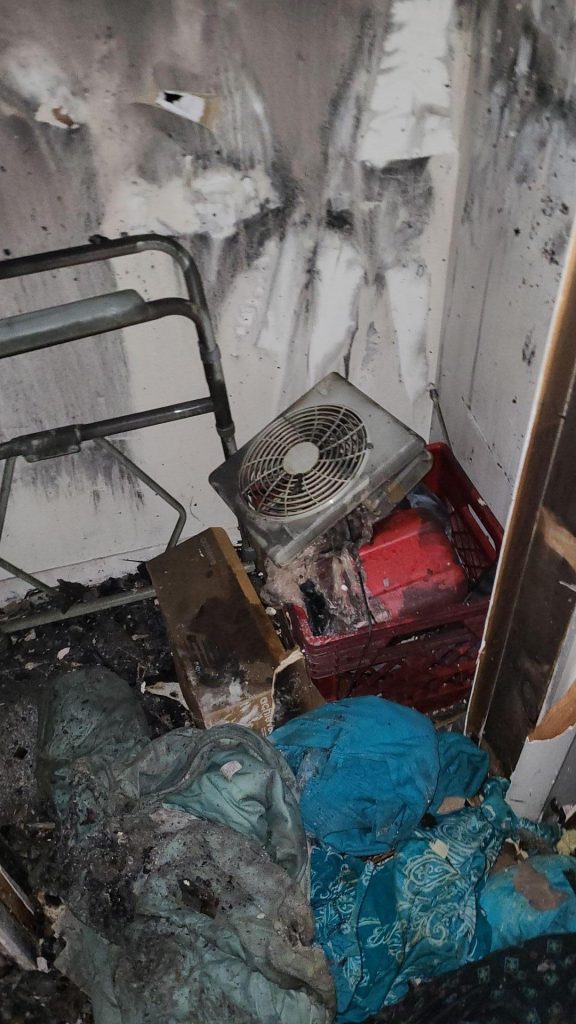
When flames consume even a small portion of your Greenfield or Indianapolis home, the destruction does not end when firefighters leave. The aftermath creates a complex ecosystem of damage that demands IICRC-certified intervention. Understanding the six critical warning signs can mean the difference between full restoration and catastrophic loss.
Fire damage restoration represents a specialized discipline within the broader disaster recovery industry. The Institute of Inspection Cleaning and Restoration Certification (IICRC) establishes S500 standards for water damage and S520 protocols for mold remediation, both frequently intersecting with fire restoration projects. These standards ensure that restoration professionals address not just visible damage but the microscopic threats that compromise structural integrity and occupant health.
The Hidden Architecture of Post-Fire Damage
Fire creates a tripartite damage profile that untrained eyes cannot fully assess. First, direct thermal damage alters molecular structures of building materials. Second, combustion generates smoke consisting of carbon particles, aerosols, and toxic gases that penetrate deep into porous surfaces. Third, fire suppression efforts introduce water damage that, if unaddressed, triggers secondary microbial growth within 24 to 48 hours.
Indianapolis area homes, particularly those in historic districts like Lockerbie Square or the older subdivisions of Greenfield, present unique restoration challenges. Many structures built before 1980 contain asbestos-containing materials (ACM) and lead-based paints that become friable and airborne during fire events, requiring specialized abatement procedures alongside standard restoration protocols.
Sign 1: Persistent Smoke Odor That Defies DIY Elimination
Smoke odor persistence indicates deep penetration of volatile organic compounds (VOCs) and particulate matter into structural components. When you detect smoke smells days after the incident, you are experiencing evidence of pyrolysis, the chemical decomposition of materials through heat exposure.
Professional restoration addresses this through thermal fogging, ozone treatment, and hydroxyl radical generation. These advanced techniques break down odor molecules at the chemical level rather than merely masking them. IICRC-certified technicians employ moisture meters and psychrometric calculations to determine the precise humidity levels required for effective deodorization without creating conditions conducive to mold proliferation.
In Greenfield’s climate, where summer humidity regularly exceeds 70 percent, improper odor treatment often creates secondary moisture problems. Professional assessment includes evaluating HVAC systems for smoke infiltration, as ductwork can harbor particulate matter that recirculates contamination throughout the home.
Sign 2: Visible Soot Deposition on Surfaces and Contents
Soot represents incomplete combustion products consisting of carbon black, oils, acids, and toxic compounds. Its acidic nature begins etching and staining surfaces within hours. The specific composition varies based on burned materials: protein fires from kitchen incidents leave nearly invisible but pungent residues, while synthetic fuel fires create thick, black, highly acidic deposits.
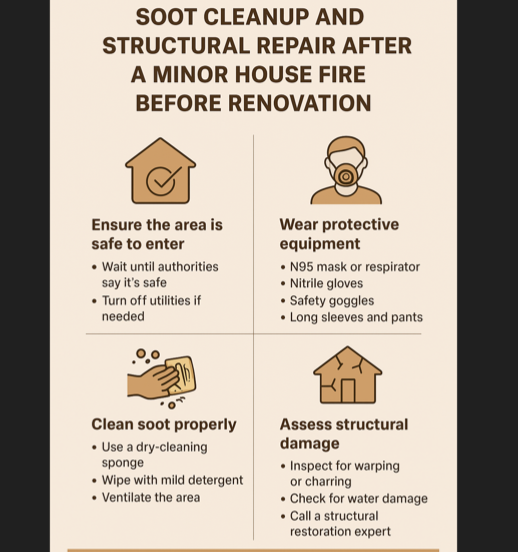
Different soot types demand specific cleaning protocols. Dry soot responds to HEPA vacuuming and dry sponging, while oily residues require solvent-based cleaning agents. IICRC-trained technicians classify soot damage into four categories: dry smoke, wet smoke, protein residue, and fuel oil soot, each requiring distinct restoration approaches.
Indianapolis area homes with forced-air heating systems face particular risks, as soot particles can circulate through ductwork, contaminating areas untouched by direct fire exposure. Professional restoration includes comprehensive HVAC inspection and cleaning using negative air pressure containment to prevent cross-contamination during the process.
Sign 3: Water Damage from Fire Suppression Efforts
Every gallon of water deployed by firefighters creates potential for secondary damage. Water intrusion compromises electrical systems, saturates insulation, and initiates wood rot and mold colonization. Within 24 hours, standing water activates mold spores present in all indoor environments, beginning the colonization process that IICRC S520 standards are designed to address.
Professional water damage restoration follows precise protocols: extraction, structural drying using desiccant or refrigerant dehumidifiers, moisture mapping with thermal imaging cameras, and antimicrobial biocide application. Technicians establish drying goals based on specific humidity readings rather than visual assessment alone.
Greenfield and Indianapolis properties face elevated mold risks due to regional humidity patterns. The humid continental climate means summer moisture loads complicate drying efforts, while winter temperature differentials create condensation risks in wall cavities. Professional restoration includes continuous moisture monitoring using data-logging hygrometers to ensure materials return to equilibrium moisture content before reconstruction begins.
Sign 4: Structural Integrity Concerns
Fire alters the molecular structure of load-bearing materials. Wood experiences pyrolysis that reduces its structural capacity even when appearing intact. Steel undergoes thermal expansion and potential warping. Concrete spalls as internal moisture vaporizes and expands.
Warning signs include sagging ceilings, warped door frames that no longer close properly, cracked plaster or drywall, and separated trim. These indicators suggest structural elements have compromised load-bearing capacity and require professional engineering assessment alongside restoration services.
Older Indianapolis homes, particularly those with balloon framing common in early 20th century construction, allow fire and smoke to travel rapidly through wall cavities from floor to floor. Professional restoration requires opening wall assemblies to inspect for hidden charring and structural compromise, often revealing damage far exceeding the original fire footprint.
Sign 5: Discoloration and Etching of Surfaces
Within hours, acidic soot residues begin chemically interacting with surfaces. Metals tarnish and corrode. Painted surfaces yellow. Plastics degrade. Glass etches. These changes often progress beneath visible layers, meaning surface cleaning may address aesthetics while underlying materials continue deteriorating.
Professional restoration includes content cleaning using ultrasonic technology for non-porous items, specialized chemistries for delicate surfaces, and detailed documentation for insurance purposes. The goal extends beyond cleaning to preservation and restoration of both structural elements and personal property.
For Greenfield homeowners, rapid response is critical due to regional air quality factors. Indianapolis metropolitan area air already carries industrial and vehicular pollution loads; adding fire-related particulate matter creates compound respiratory hazards requiring professional air scrubbing using HEPA filtration and activated carbon filtration systems.
Sign 6: Health Symptoms Among Occupants
Post-fire environments present acute and chronic health risks. Carbon monoxide exposure during the fire may have created ongoing neurological symptoms. Soot particulate matter (PM2.5 and PM10) penetrates deep into lung tissue. Polycyclic aromatic hydrocarbons (PAHs) and dioxins from burning synthetic materials are carcinogenic. Asbestos and lead from older building materials create long-term exposure risks.
If occupants experience respiratory distress, headaches, nausea, skin irritation, or cognitive fog following a fire, these symptoms indicate environmental contamination requiring immediate professional intervention. Do not attempt to “air out” the home or mask symptoms with air fresheners.
Professional restoration includes environmental testing for particulate matter, VOCs, and specific toxins based on the fire’s fuel load. IICRC-certified firms coordinate with industrial hygienists to establish clearance criteria before reoccupancy, ensuring the restored environment meets health-based safety standards rather than merely aesthetic ones.
The Professional Restoration Protocol: What to Expect
When you contact PuroClean Disaster Restoration at (317) 467-4436, the response follows IICRC-established protocols:
Emergency Response (0-4 Hours)
- Immediate deployment to secure the property and prevent secondary damage
- Initial safety assessment including structural stability and atmospheric hazards
- Emergency board-up and roof tarping services
- Water extraction if suppression efforts created standing water
Damage Assessment (4-24 Hours)
- Comprehensive inspection using thermal imaging, moisture meters, and borescopes
- Documentation for insurance claims including detailed inventory of affected contents
- Development of scope of work based on IICRC standards
- Coordination with insurance adjusters and structural engineers as needed
Mitigation Phase (24 Hours – 5 Days)
- Structural drying using commercial dehumidification and air movement
- Soot and smoke removal using specialized chemistries and techniques
- Content pack-out, cleaning, and storage in climate-controlled facilities
- HVAC system cleaning and filter replacement
Restoration Phase (5 Days – Completion)
- Reconstruction of damaged structural elements
- Final cleaning and deodorization
- Environmental testing to confirm clearance criteria
- Content return and final walkthrough
FAQ: Complex Long-Tail Intent Questions
Does home insurance cover hidden fire damage discovered months later?
Coverage depends on policy language and notification timelines. Most policies require “prompt” reporting of damage, but hidden damage discovered during renovation may still be covered if you can demonstrate it resulted from the original fire event. Documentation from the initial restoration process becomes critical. PuroClean provides detailed reporting that supports future claims. Indiana law requires insurers to honor claims for hidden damage when professional assessment establishes causal connection to covered perils.
How does Greenfield’s hard water affect fire restoration?
Central Indiana’s hard water (typically 200-350 ppm calcium carbonate) complicates fire suppression cleanup. Mineral deposits left after water evaporation create additional cleaning challenges and can damage surfaces if not properly addressed. Professional restoration includes water quality assessment and appropriate descaling procedures.
Are older Indianapolis homes more dangerous after fire?
Yes. Pre-1980 construction commonly contains asbestos insulation, lead paint, and outdated electrical systems. Fire disturbance releases these hazards into the environment. Professional restoration includes hazardous materials assessment and abatement by licensed contractors, not standard cleaning crews.
What is the actual timeline for mold growth after fire suppression?
In Greenfield’s climate, mold colonization begins 24-48 hours after water intrusion. However, visible growth typically requires 72+ hours. The critical window for preventing mold is the first 48 hours, which is why immediate professional water extraction and structural drying is essential. IICRC S520 standards establish that mold prevention is more cost-effective than remediation.
Can I stay in my home during fire restoration?
Generally, no. Even partial restoration creates airborne particulate hazards, noise, and utility disruptions. Additionally, insurance policies typically cover alternate living expenses during restoration. PuroClean coordinates with your insurer to document the uninhabitable status and support ALE claims.
How do I verify a restoration company follows IICRC standards?
Request their IICRC certification numbers and verify through the IICRC website. Certified firms must maintain continuing education and adhere to specific procedural standards. PuroClean technicians maintain current certifications in Fire and Smoke Restoration (FSRT), Odor Control (OCT), and Water Damage Restoration (WRT).
Conclusion: The Cost of Delay Versus the Value of Immediate Action
Fire damage operates on an accelerating timeline. Every hour of delay increases restoration costs and decreases the probability of full recovery. The six signs outlined above are not merely aesthetic concerns; they are indicators of ongoing chemical and biological processes that compound damage exponentially.
For homeowners in Greenfield, Indianapolis, and surrounding communities, PuroClean Disaster Restoration provides 24/7 emergency response from IICRC-certified technicians who understand local building practices, climate challenges, and insurance requirements. Do not attempt to assess fire damage severity yourself. If you observe any of the six critical signs detailed above, immediate professional intervention is required.
Call PuroClean Disaster Restoration now at (317) 467-4436 for immediate emergency response.

 PuroClean Disaster Restoration