 PuroClean Disaster Restoration
 Summary:
Water damage in Indianapolis homes can be devastating, whether caused by burst pipes, flooding, or leaks. Many homeowners confuse water mitigation with water restoration, but these two steps are different parts of the same recovery process. This blog explains the clear difference between water mitigation and full water restoration, why both are crucial for protecting your property, and how PuroClean Disaster Restoration in Indianapolis can help you recover quickly. Call (317) 467-4436 for fast, reliable service.

Why Understanding the Difference Between Water Mitigation and Restoration Matters
When a water emergency hits your home in Indianapolis, acting fast is everything. But homeowners often face confusion when they hear terms like mitigation and restoration. Many think they mean the same thing, but in reality, they refer to two different stages of dealing with water damage.
Water mitigation focuses on stopping the damage from getting worse, while full water restoration involves repairing, cleaning, and restoring your property back to its original condition.
Before we dive deep into both terms, let’s begin with a short story that shows why knowing the difference could save you thousands of dollars.
A Story: When Speed and Knowledge Saved an Indianapolis Home
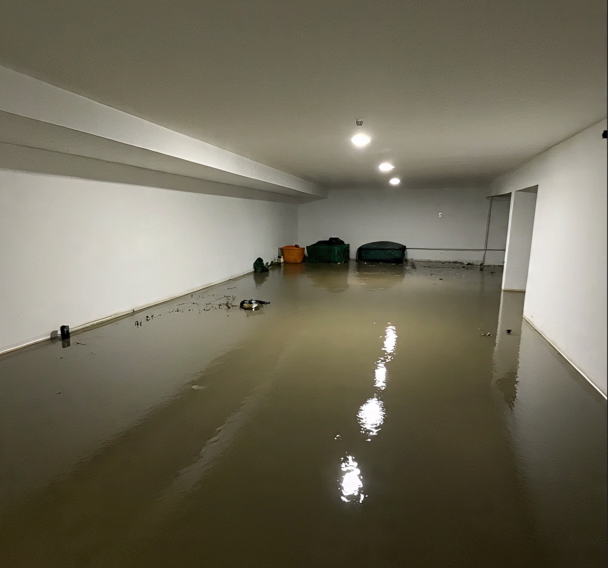
Last winter, a family in Carmel, Indianapolis, woke up to a flooded basement caused by a frozen pipe that had burst overnight. The homeowner, Mark, thought turning off the water and mopping up the visible water would be enough. He delayed calling a professional until mold started forming on the walls and the musty smell spread upstairs.
When PuroClean Disaster Restoration arrived, they explained that water mitigation should have started immediately to prevent further damage. The water had already seeped into the drywall, flooring, and insulation, making the job more complex and expensive.
If Mark had known the difference between mitigation and restoration, he would have acted faster. Thanks to PuroClean’s quick response and professional process, the home was fully restored—but the experience taught Mark a valuable lesson: Mitigation is about speed; restoration is about recovery.
What Is Water Mitigation?
Water mitigation is the first response after water damage occurs. It’s the process of reducing and preventing further damage from water exposure before full repairs begin.
Key Goals of Water Mitigation
- Stop the source of the water.
- Remove standing water quickly.
- Dry out affected materials.
- Prevent mold and structural deterioration.
In simple terms, mitigation is the “damage control” phase. Think of it as putting out the fire before rebuilding the house.
Common Water Mitigation Steps
- Inspection and Assessment: Technicians identify the source, type, and extent of water damage.
- Water Extraction: Powerful pumps and vacuums remove standing water from floors and carpets.
- Drying and Dehumidifying: Industrial fans and dehumidifiers remove moisture from the air and materials.
- Cleaning and Sanitizing: Disinfecting affected areas prevents mold and bacterial growth.
- Protection: Temporary solutions like tarps or containment barriers are set up to prevent spreading damage.
Mitigation doesn’t involve repairing or replacing structures; it’s all about stabilizing the environment.
What Is Full Water Restoration?
Once the mitigation process is complete and your home is dry, the next phase begins, water restoration.
Full water restoration focuses on repairing, replacing, and rebuilding parts of your home that were damaged by water. It’s a comprehensive process that brings your home back to its pre-damage condition or even better.
What Happens During Water Restoration
- Material Removal: Damaged drywall, flooring, and insulation are safely removed.
- Structural Repairs: Walls, subfloors, ceilings, and framing are repaired or replaced.
- Deep Cleaning and Odor Removal: Specialized cleaning restores indoor air quality.
- Repainting and Finishing: Your walls and floors are refinished for a fresh, restored look.
- Final Inspection: Ensures the home is safe, dry, and fully restored.
Restoration is where your home becomes livable again it’s the final stage that completes the recovery.
The Major Differences Between Water Mitigation and Water Restoration

| Aspect | Water Mitigation | Water Restoration |
|---|---|---|
| Purpose | Prevent further damage | Repair and restore the property |
| Timing | Immediate (first response) | After mitigation is completed |
| Tasks Involved | Water extraction, drying, cleaning | Structural repairs, reconstruction, refinishing |
| Goal | Stabilize the property | Return property to pre-loss condition |
| Duration | Hours to a few days | Days to weeks, depending on severity |
| Professionals Needed | Water mitigation specialists | Restoration technicians and contractors |
Understanding these distinctions helps Indianapolis homeowners know what to expect during the recovery process and why both stages are essential.
Why Both Mitigation and Restoration Are Crucial for Indianapolis Homes
1. Preventing Mold Growth
Indianapolis weather often brings humidity and sudden temperature changes, which create ideal conditions for mold. Quick mitigation reduces the risk of mold infestation that can cause respiratory problems and further property damage.
2. Reducing Long-Term Costs
Delaying mitigation allows water to seep deeper into walls and floors, increasing restoration costs. A fast response saves money in the long run.
3. Protecting Structural Integrity
Standing water weakens wood and drywall. Early mitigation helps preserve the structure before restoration begins.
4. Insurance Claim Support
Professional companies like PuroClean Disaster Restoration document the entire process, making it easier for homeowners to file and justify insurance claims.
5. Faster Recovery
By handling mitigation and restoration under one service, you avoid delays, confusion, and inconsistent work quality.
When Should You Call a Professional for Water Damage?

You should call a professional immediately when you notice:
- Standing water after a leak or flood
- Musty smells or visible mold
- Water stains on walls or ceilings
- Buckling floors or damp carpets
- Sudden humidity increase indoors
Waiting even a few hours can make the situation worse. Professional equipment and expertise ensure that no hidden moisture is left behind, preventing future issues.
If you’re in Indianapolis or surrounding areas, reach out to PuroClean Disaster Restoration at (317) 467-4436. Their certified technicians are available 24/7 for emergencies.
How PuroClean Disaster Restoration Serves Indianapolis Homeowners
PuroClean Disaster Restoration is a trusted name across Indianapolis for water damage repair. Their team understands the urgency of every call and uses advanced tools to ensure complete restoration.
What Makes PuroClean Stand Out:
- 24/7 Emergency Response
- Certified Technicians
- State-of-the-art Drying Equipment
- Insurance Claim Assistance
- Transparent Communication
Whether it’s a burst pipe in winter, storm flooding, or appliance leaks, PuroClean handles both mitigation and restoration efficiently, helping Indianapolis homeowners recover faster and safer.
FAQs About Water Mitigation and Restoration in Indianapolis
1. How long does water mitigation take?
Typically, mitigation takes 1 to 3 days, depending on how severe the water damage is and how much drying is needed.
2. How long does full water restoration take?
Restoration can take anywhere from a few days to several weeks, especially if major structural repairs are required.
3. Can I skip mitigation and go straight to restoration?
No. Skipping mitigation means water may remain trapped in walls or floors, leading to mold, odor, and future damage. Mitigation is essential before restoration begins.
4. Is water mitigation covered by insurance?
Most homeowners’ insurance policies cover water mitigation, especially if the cause was sudden or accidental. PuroClean can help document and communicate with your insurance provider.
5. What’s the first thing to do after discovering water damage?
Turn off the water source if possible and call a professional restoration company like PuroClean Disaster Restoration immediately at (317) 467-4436. Time is critical.
Key Takeaway: Act Fast, Restore Right
Water mitigation and full water restoration are two halves of one important process—protecting your home from long-term water damage. Mitigation stops the problem; restoration rebuilds your comfort and safety.
If your Indianapolis home experiences water damage, don’t wait. The longer you delay, the costlier the repairs can become. Call the trusted professionals at PuroClean Disaster Restoration at (317) 467-4436 for fast, reliable, and professional service that brings your home back to life.
Call Now: (317) 467-4436
PuroClean Disaster Restoration – Indianapolis’s trusted water damage experts.
Fast response. Certified professionals. Complete peace of mind.

 PuroClean Disaster Restoration