


PuroClean Disaster Restoration | Greenfield, Indianapolis | Call: (317) 467-4436
| Key Takeaways for Homeowners Spring humidity in Greenfield and the greater Indianapolis metro area creates dangerous mold growth conditions in as little as 24 to 48 hours.Seven mold species pose the greatest threat to Indiana homes each spring, including Stachybotrys chartarum and Aspergillus niger.IICRC S520-certified remediation is the only standard that guarantees safe, complete mold removal.Moisture mapping and HEPA filtration are essential tools in stopping mold spread before it reaches structural materials.Homeowners insurance may cover mold remediation if caused by a sudden covered peril. Call (317) 467-4436 for guidance. |
Every spring in Greenfield, Indiana, something invisible begins growing behind your drywall, under your subfloor, and inside your HVAC ducts. Temperatures climb from the 30s to the 60s within weeks, and the region’s clay-heavy soil begins releasing ground moisture into crawl spaces and basements. That shift in humidity is all toxic mold needs to explode in population. As a Greenfield homeowner, understanding what is growing in your home and why it thrives in the Indianapolis spring climate could protect your family from serious respiratory illness, neurological symptoms, and devastating structural damage.
At PuroClean Disaster Restoration, our certified technicians follow the IICRC S520 Standard for Professional Mold Remediation, the most respected benchmark in the restoration industry. We understand Indiana’s unique seasonal challenges, from the freeze-thaw cycles that crack masonry to the legacy balloon-frame construction common in Greenfield’s older housing stock that creates hidden cavities where moisture and mold accumulate undetected.
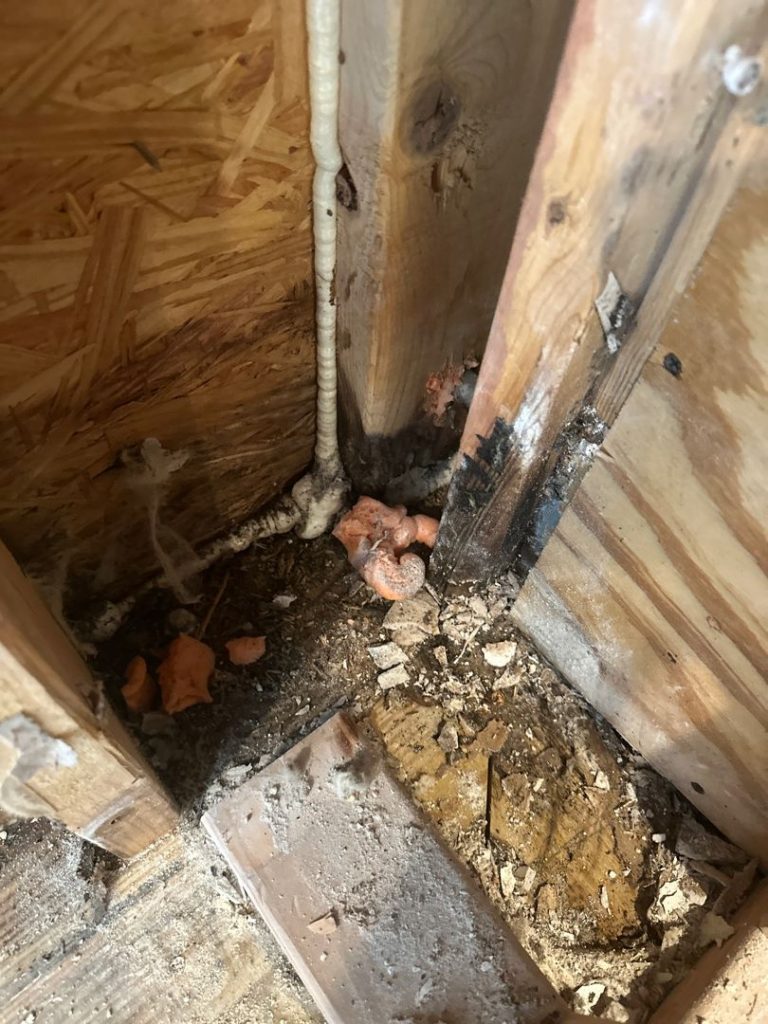
Why Spring Humidity in Greenfield, Indiana Is a Mold Catalyst
The Indianapolis metro area experiences a continental climate with pronounced seasonal swings. Greenfield sits at an elevation where cold air drainage and late spring rains converge, creating microclimatic conditions that are particularly favorable to mold proliferation. When indoor relative humidity rises above 60 percent and surface temperatures remain between 68 and 86 degrees Fahrenheit, the psychrometric conditions required for mold colonization are met almost immediately.
Many homes in Hancock County were built between the 1940s and 1970s with minimal vapor barriers and inadequate attic ventilation. As spring solar gain warms roofing materials during the day, warm air moves into attic cavities overnight, where it meets cooler surfaces and condenses. This diurnal moisture cycling feeds mold colonies that may not be visible until a full colony is established across hundreds of square feet.
The 7 Toxic Mold Species That Surge in Spring
1. Stachybotrys Chartarum (Black Mold)
Often called black mold, Stachybotrys chartarum produces potent mycotoxins including trichothecenes, which are linked to pulmonary hemorrhage, immune suppression, and chronic fatigue. It requires sustained moisture from water damage or chronic condensation and is commonly found on cellulose-rich materials such as drywall paper, ceiling tiles, and wood framing in Greenfield homes that have experienced basement flooding or slow plumbing leaks.
2. Aspergillus Niger
Aspergillus niger appears as a dark brown to black powdery growth and produces aflatoxins, a class of mycotoxins classified as Group 1 carcinogens. It thrives in HVAC systems and on food storage materials in kitchens and pantries. Spring activation of forced-air systems after winter dormancy can aerosolize established Aspergillus colonies throughout a home in minutes.
3. Penicillium Species
Recognizable by its blue-green coloration, Penicillium grows aggressively on water-damaged building materials including insulation, wallboard, and carpet padding. Its spores are a primary trigger for allergic rhinitis and asthma exacerbations. In Greenfield homes with finished basements that experience spring groundwater intrusion, Penicillium is among the first species to colonize.
4. Cladosporium
Cladosporium is an outdoor mold that migrates indoors through window and door gaps during spring. It colonizes fabric, wood window frames, and painted surfaces. While it is less acutely toxic than Stachybotrys, chronic exposure contributes to respiratory sensitization and is a documented trigger for occupational asthma. It is the most common mold genus found in Indianapolis-area air quality samples during April and May.
5. Alternaria
Alternaria thrives in damp bathrooms, showers, and under leaking sinks. It is a major allergenic mold and is associated with severe asthma attacks, particularly in children. Its rapid sporulation rate means a single colony can produce thousands of airborne spores per hour, making containment with negative air pressure critical during remediation.
6. Fusarium
Fusarium is particularly dangerous because it grows at cooler temperatures than most molds, allowing it to establish colonies in spring before indoor environments fully warm. It produces trichothecene mycotoxins and fumonisin, both linked to immune system disruption and gastrointestinal toxicity. It commonly affects carpets, wallboard, and fabrics in homes with elevated subfloor moisture.
7. Chaetomium
Chaetomium is a cellulose-digesting mold often found alongside Stachybotrys on water-damaged drywall. It produces chaetoglobosin mycotoxins and has a distinctive musty odor. Its presence is a reliable indicator of chronic water damage and is frequently discovered during moisture mapping surveys in Greenfield homes with aging flat rooflines or improperly flashed dormers.
How to Stop Mold Growth: A Step-by-Step Remediation Process
Certified IICRC S520 remediation is not a DIY process. The following steps represent the professional standard your home deserves.
- Step 1: Initial Assessment and Moisture Mapping. Technicians use infrared thermography and calibrated moisture meters to identify all areas of elevated moisture content, including hidden cavities behind walls and under flooring.
- Step 2: Containment with Negative Air Pressure. Polyethylene containment barriers are installed, and HEPA-filtered negative air machines create a pressure differential that prevents spore migration to clean areas of the home.
- Step 3: Controlled Demolition of Unsalvageable Materials. All mold-contaminated porous materials such as drywall, insulation, and carpet are bagged and removed according to EPA disposal guidelines.
- Step 4: HEPA Vacuuming and Surface Cleaning. All remaining surfaces within the containment zone are HEPA vacuumed and cleaned with EPA-registered antimicrobial biocide solutions.
- Step 5: Drying and Dehumidification. Industrial dehumidifiers and air movers reduce structural moisture content to levels specified by psychrometric calculations, ensuring mold cannot reestablish.
- Step 6: Post-Remediation Verification. An independent clearance test using air sampling and surface swabs confirms the remediation meets IICRC S520 and ACGIH standards before reconstruction begins.
Warning Signs That Demand Immediate Action
- Visible mold growth on any surface, regardless of apparent size
- Persistent musty odor that intensifies in basements, crawl spaces, or HVAC output
- Recurring allergy or respiratory symptoms that improve when you leave the home
- Warping, bubbling, or staining on walls, ceilings, or flooring
- Recent water damage from flooding, a plumbing leak, or roof failure that was not professionally dried within 48 hours
- Condensation on interior window frames or basement walls during spring warm-up
Frequently Asked Questions About Mold in Greenfield and Indianapolis
Does homeowner’s insurance cover mold caused by high humidity in Greenfield, Indiana?
Most standard homeowner’s insurance policies in Indiana will cover mold remediation only if the mold resulted from a sudden, accidental covered peril such as a burst pipe or appliance overflow. Mold caused by long-term humidity, poor ventilation, or deferred maintenance is typically excluded. However, some policies include limited mold riders. PuroClean works directly with your adjuster and can document losses in the format insurers require. Call (317) 467-4436 for a consultation.
How fast does mold grow in Indiana spring conditions?
Under optimal conditions, which spring in Greenfield often provides, mold can begin visible colonization within 24 to 48 hours of a moisture event. Full structural contamination can occur within one to two weeks if moisture is not removed and affected materials are not dried to below 16 percent moisture content.
Can I use bleach to kill black mold on drywall?
Bleach is not an effective mold remediation agent for porous materials. It cannot penetrate the substrate to kill the root structure (hyphae) of mold colonies. Surface application may bleach visible pigmentation while leaving live mold intact. IICRC S520 does not endorse bleach as a primary biocide for structural mold remediation. Only EPA-registered antimicrobial biocides applied under proper containment conditions meet professional standards.
What is moisture mapping and why does it matter?
Moisture mapping is the systematic measurement of moisture content across all structural materials in an affected area using calibrated resistance meters, pin probes, and infrared thermal imaging. It identifies the full extent of moisture infiltration, including areas that are dry at the surface but wet within wall cavities. Without accurate moisture mapping, remediation inevitably misses affected areas, and mold recolonizes within weeks.
Are older homes in Greenfield at higher risk for mold?
Yes. Greenfield has a significant inventory of homes built before modern vapor barrier and ventilation requirements were standard in Indiana building codes. Pre-1980 construction often lacks adequate crawl space encapsulation, attic baffling, and bathroom exhaust ventilation. These structural deficiencies create persistent moisture accumulation zones that spring humidity exploits aggressively.
| Protect Your Greenfield and Indianapolis Home Today If you suspect mold in your Greenfield and Indianapolis home, do not wait. PuroClean Disaster Restoration is available 24/7 to respond immediately with certified IICRC S520 technicians, professional-grade HEPA filtration, and comprehensive moisture mapping. Call us now at (317) 467-4436 for a rapid response and professional mold assessment. |