 PuroClean Disaster Restoration
Executive Summary
Trauma scene cleanup requires specialized training, equipment, and emotional resilience that most people simply don’t possess. Whether dealing with the aftermath of an accident, violent crime, unattended death, or suicide, professional biohazard remediation protects both your physical health and mental wellbeing. This comprehensive guide explains why certified trauma cleanup specialists are essential for Greenfield and Indianapolis residents, covering health risks, legal requirements, proper procedures, and emotional considerations. If you’re facing a traumatic situation, PuroClean Disaster Restoration provides compassionate, certified assistance throughout the Indianapolis area.
What Exactly Is Trauma Scene Cleanup and Why Does It Matter?
Trauma scene cleanup involves the safe removal, cleaning, and disinfection of blood, bodily fluids, and other potentially infectious materials from a scene where traumatic injury or death has occurred. Unlike regular cleaning services, this specialized field requires certification in bloodborne pathogen handling, OSHA compliance, and biohazard waste disposal.
The stakes are incredibly high. Blood and bodily fluids can contain dangerous pathogens including HIV, Hepatitis B, Hepatitis C, MRSA, and other infectious diseases that remain viable on surfaces for days or even weeks. A single oversight during cleanup can expose you, your family members, or future occupants to serious health risks.
For Indianapolis and Greenfield residents, understanding when and why to call professionals can mean the difference between safe restoration and long-term contamination issues.
A Story That Changed Everything: The Johnson Family’s Heartbreaking Lesson
Michael Johnson thought he was doing the right thing. After his elderly father passed away alone in his Greenfield apartment, Michael discovered him three days later. The scene was devastating, and in his grief-stricken state, Michael wanted to spare his mother the additional pain of strangers handling the cleanup.
Armed with household cleaners, rubber gloves from under the kitchen sink, and a determination to protect his family, Michael spent an entire weekend trying to clean his father’s bedroom. He scrubbed floors, wiped walls, and threw away contaminated items in regular trash bags.
Two weeks later, Michael developed a severe respiratory infection. His doctor asked detailed questions about possible exposure to biological hazards. When Michael explained what he’d done, the doctor’s face went pale. Tests revealed Michael had contracted a serious bacterial infection from improper handling of decomposition fluids. The household cleaning products he’d used weren’t designed to eliminate biological pathogens, and his regular gloves had torn during the process without him noticing.
The medical bills exceeded $8,000. The emotional trauma of realizing he’d put himself and potentially his family at risk compounded his grief. Michael later learned that his homeowner’s insurance would have covered professional trauma cleanup services, something he hadn’t even thought to check.
“I was trying to be strong and protect my mom,” Michael shared months later, after fully recovering. “Instead, I created a situation that could have been far worse. The professionals know what they’re doing for a reason. I learned that the hard way.”
Why Can’t I Just Clean Up the Scene Myself?
This question comes up frequently, especially when people are already overwhelmed emotionally and financially. The honest answer involves multiple critical factors that most people underestimate.
The Health Risks Are Real and Immediate
Bloodborne pathogens survive longer than most people realize. Hepatitis B can remain infectious on surfaces for up to seven days at room temperature. Even dried blood contains viable viruses and bacteria. Standard household cleaners kill common germs but aren’t formulated to eliminate the specific pathogens found in trauma scenes.
Beyond infectious diseases, decomposition creates additional hazards. Bacteria multiply rapidly after death, producing gases and fluids that permeate porous materials like wood, carpet, and drywall. These substances contain dangerous microorganisms that household products simply cannot address.
The Emotional Toll Is Devastating
Cleaning up after a loved one’s death or a violent incident isn’t like cleaning up after any other mess. The psychological impact of handling biological materials connected to someone you care about can trigger severe emotional responses, including PTSD, depression, and anxiety disorders.
Professional cleanup technicians are trained not just in biohazard remediation but also in maintaining emotional boundaries that protect their mental health. They approach each scene with compassion but necessary detachment. Family members rarely possess this ability, and the trauma of the cleanup itself can create lasting psychological wounds.
Legal and Regulatory Requirements Exist for Good Reasons
Indiana has specific regulations governing biohazard waste disposal. You cannot simply bag contaminated materials and place them in regular trash. Biohazard waste must be properly contained, labeled, transported, and disposed of at approved facilities. Violating these regulations can result in significant fines and legal liability.
Additionally, if the trauma occurred in a rental property or commercial space, property owners face strict compliance requirements. Improper cleanup can lead to lawsuits, insurance complications, and even criminal charges in extreme cases.
Insurance and Property Value Considerations Matter
Most homeowner’s and renter’s insurance policies cover professional trauma cleanup services, but they may not cover amateur cleanup attempts that fail or cause additional damage. If biological materials aren’t completely removed and the contamination persists, insurance companies may deny future claims related to that property.
Property value also suffers when trauma scenes aren’t properly remediated. Disclosure laws in Indiana require sellers to inform potential buyers about deaths that occurred on the property. Proper professional cleanup with documentation can help maintain property value and marketability.
The 4 Important Reasons Why Professional Trauma Scene Cleanup Is Absolutely Essential
Reason 1: Specialized Training and Certification That Protects Everyone
Professional trauma scene cleanup technicians undergo extensive training in bloodborne pathogen safety, OSHA standards, EPA regulations, and proper use of personal protective equipment. This isn’t something you can learn from YouTube videos or online articles.
PuroClean Disaster Restoration technicians in the Indianapolis area complete rigorous certification programs covering:
Bloodborne pathogen exposure control and prevention strategies specific to trauma scenes Proper selection and use of PPE including respirators, puncture-resistant gloves, and full-body protection suits Chemical disinfectant selection and application techniques proven to eliminate specific pathogens Cross-contamination prevention protocols that protect unaffected areas of the property Biohazard waste categorization, packaging, and disposal according to state and federal guidelines
This training makes the difference between thorough decontamination and surface-level cleaning that leaves invisible dangers behind.
Reason 2: Industrial-Grade Equipment and Hospital-Level Disinfectants
The cleaning products available at retail stores are designed for everyday messes, not biological hazards. Professional trauma cleanup requires specialized equipment and EPA-registered disinfectants proven effective against bloodborne pathogens.
Professional services utilize:
ATP meters that detect biological contamination invisible to the naked eye, ensuring complete remediation HEPA-filtered air scrubbers that remove airborne pathogens and odors during the cleanup process Ozone generators and hydroxyl machines for advanced odor elimination that doesn’t just mask smells Enzyme-based cleaners specifically formulated to break down biological materials at the molecular level Commercial-grade foggers that ensure disinfectants reach every surface, including porous materials
These tools aren’t available to consumers and require training to use safely and effectively.
Reason 3: Complete Contamination Removal Including Hidden Dangers
Blood and bodily fluids don’t stay where they initially land. They seep into flooring, soak into walls, and spread to areas you might never think to check. Professionals understand contamination patterns and know where to look for hidden biological hazards.
Trauma scenes often require:
Subfloor inspection and treatment where fluids have penetrated through carpeting or hardwood Wall cavity treatment when decomposition fluids have seeped behind baseboards or drywall HVAC system evaluation to prevent contaminated air circulation throughout the property Structural material removal when porous surfaces cannot be adequately decontaminated Adjacent room inspection for contamination spread through flooring systems or air handling
Attempting these procedures without proper training risks incomplete cleanup, ongoing contamination, and persistent health hazards.
Reason 4: Compassionate Support During Your Most Difficult Moments
Beyond the technical aspects, professional trauma cleanup teams understand they’re entering your life during an incredibly painful time. Reputable companies approach every job with dignity, respect, and sensitivity.
Quality professional services provide:
Discreet service vehicles without obvious company markings that protect your privacy during cleanup Flexible scheduling including overnight or weekend services to minimize neighborhood attention Direct insurance coordination to reduce your administrative burden during grief and crisis Compassionate communication that respects your emotional state while keeping you informed Completion certificates documenting thorough cleanup for insurance, legal, and peace of mind purposes
These services recognize that trauma cleanup isn’t just about removing biohazards but about helping families begin the healing process.
What Situations Require Professional Trauma Scene Cleanup?
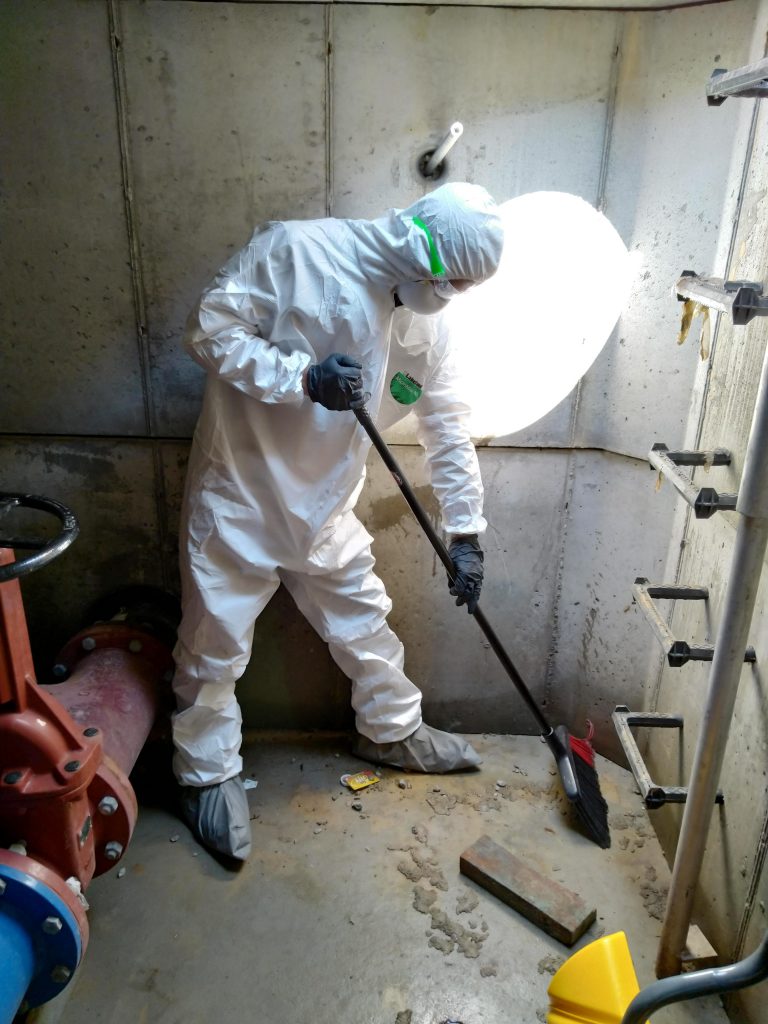
Understanding when to call professionals helps Greenfield and Indianapolis residents respond appropriately to various scenarios.
When Should I Call for Trauma Cleanup After an Unattended Death?
Unattended deaths require professional intervention in virtually every case. When a person dies alone and remains undiscovered for any period, decomposition begins immediately. Within 24 to 48 hours, bodily fluids release and spread, creating significant contamination that penetrates surfaces.
Even if the deceased was discovered relatively quickly, professional assessment ensures complete decontamination. The human body contains approximately five liters of blood plus other fluids that can spread extensively.
Do I Need Professional Help After a Suicide or Violent Crime?
Yes, absolutely. Suicide and violent crime scenes present extreme contamination scenarios that untrained individuals should never attempt to address. The volume of blood, the spread patterns, and the emotional trauma make professional intervention essential.
Law enforcement will process the scene for evidence, but they don’t clean up afterward. Once the property is released back to the owner or family, professional trauma cleanup becomes your responsibility.
Many Indianapolis area residents don’t realize that victim assistance programs and insurance policies often cover these services. Don’t assume you can’t afford professional help without checking your coverage.
What About Accidents That Happen at Home?
Significant accidents resulting in substantial blood loss require professional cleanup, even when they don’t result in death. Kitchen accidents, falls resulting in head injuries, and other trauma that produces considerable blood contamination should be professionally remediated.
The volume of blood, the surfaces affected, and the potential for pathogen exposure determine whether professional services are needed. When in doubt, consultation costs nothing and provides peace of mind.
How Quickly Do I Need to Respond After a Traumatic Incident?
Time is critical in trauma cleanup scenarios. The longer biological materials remain, the deeper they penetrate surfaces and the more difficult complete removal becomes. Decomposition accelerates in warm weather, creating increasingly hazardous conditions with each passing hour.
Professional trauma cleanup companies in Indianapolis operate 24/7 specifically because immediate response produces better outcomes. Calling within the first 24 hours typically results in more complete restoration with less structural damage and lower overall costs.
What Actually Happens During Professional Trauma Scene Cleanup?
Understanding the professional process helps Indianapolis and Greenfield residents appreciate the complexity of proper trauma remediation.
How Does the Initial Assessment and Containment Work?
Professional technicians begin by thoroughly assessing the scene to identify all contaminated areas, including hidden contamination. They establish containment zones to prevent cross-contamination during the cleanup process.
This phase includes documenting the scene with photographs, creating a remediation plan, and identifying which materials can be cleaned versus which must be removed. Containment involves physical barriers and negative air pressure systems that prevent airborne pathogens from spreading.
What Does the Actual Remediation Process Involve?
The cleanup process proceeds systematically from the most contaminated areas outward. Technicians remove grossly contaminated materials first, properly packaging them as biohazard waste. They then apply appropriate cleaning and disinfecting agents to remaining surfaces.
Multiple applications of EPA-registered disinfectants ensure complete pathogen elimination. Professionals allow proper contact time for chemicals to work effectively, something rushed amateur cleanup attempts often miss.
For porous materials like carpet, padding, and drywall that cannot be adequately decontaminated, removal is necessary. Professional services properly remove, package, and dispose of these materials according to regulations.
How Do Professionals Handle Odor Removal?
Trauma scenes often involve significant odor issues, especially when decomposition has occurred. Professional odor elimination goes far beyond air fresheners or surface treatments.
Advanced techniques include ozone treatment that oxidizes odor-causing molecules, hydroxyl generation that breaks down organic compounds, and thermal fogging that penetrates materials where odors have permeated. These methods eliminate odors at the source rather than masking them.
What Verification Steps Ensure Complete Decontamination?
Reputable companies don’t just clean until things look better. They use scientific verification methods to confirm complete decontamination.
ATP testing detects biological residue invisible to the naked eye, confirming that surfaces have been properly treated. Post-remediation inspection ensures no contamination remains in hidden areas. Professional companies provide documentation certifying that the property meets health and safety standards.
How Much Does Professional Trauma Cleanup Cost in Indianapolis?
Cost concerns prevent some people from calling professionals immediately, but understanding pricing helps you make informed decisions.
What Factors Influence Trauma Cleanup Pricing?
Several variables affect the final cost of trauma scene cleanup. The extent of contamination is the primary factor. A scene contained to one small area costs significantly less than contamination spread throughout multiple rooms.
Time since the incident occurred impacts pricing. Fresh scenes are easier to remediate than situations where biological materials have had days or weeks to penetrate surfaces and require extensive structural removal.
Materials requiring removal add to costs. If carpeting, padding, subflooring, drywall, or insulation must be removed and disposed of, the project becomes more extensive.
Does Insurance Cover Trauma Scene Cleanup?
Many Indianapolis residents are surprised to learn that homeowner’s insurance, renter’s insurance, and even auto insurance policies often cover trauma cleanup costs. Coverage typically falls under several policy sections depending on the circumstances.
Homeowner’s insurance may cover cleanup under dwelling coverage, personal property coverage, or additional living expenses if the home is uninhabitable during remediation. Liability coverage sometimes applies when the incident affects others.
Worker’s compensation covers workplace trauma incidents. Auto insurance policies include biohazard cleanup coverage when trauma occurs in vehicles.
Professional cleanup companies typically work directly with insurance providers, handling claims paperwork and direct billing. This service removes administrative burden during already difficult times.
Are There Financial Assistance Options for Victims?
Crime victims in Indiana can access assistance through the Indiana Criminal Justice Institute’s Victim Compensation program. This fund helps cover trauma cleanup costs when the incident involves violent crime.
Some municipalities offer emergency cleanup assistance for specific situations. Nonprofit organizations occasionally provide grants or financial assistance for trauma cleanup when families face genuine financial hardship.
PuroClean Disaster Restoration works with families to explore all available assistance options before discussing payment plans or other arrangements.
What Should I Do Immediately After a Traumatic Incident?
Knowing the right steps to take immediately after discovering a trauma scene protects your health and preserves the property.
Who Do I Contact First When I Discover a Trauma Scene?
Your first call should always be to 911 if there’s any possibility someone is injured or if a crime has occurred. Law enforcement and emergency medical services must respond first.
Once emergency responders have secured the scene and completed their investigation, you can contact professional trauma cleanup services. Many people call their insurance company and cleanup professionals simultaneously to begin the process as quickly as possible.
Should I Enter or Touch Anything at a Trauma Scene?
Never enter a trauma scene without proper protective equipment. Even if you’re desperate to retrieve important items or assess damage, exposure risks are too significant.
Avoid touching anything that might be contaminated. Blood and bodily fluids spread farther than visible stains suggest. Walking through contaminated areas spreads biological materials to clean areas on your shoes and clothing.
How Do I Keep Others Safe While Waiting for Professional Help?
Secure the area to prevent anyone, especially children and pets, from accessing contaminated spaces. Lock doors, post signs if necessary, and clearly communicate the danger to household members and neighbors.
Open windows to improve ventilation if you can do so without entering contaminated areas. Fresh air circulation reduces airborne pathogen concentration and helps with odor control.
Don’t attempt any cleanup while waiting for professionals. Well-meaning cleaning attempts often spread contamination and make professional remediation more difficult and expensive.
What Questions Should I Ask When Hiring Trauma Cleanup Services?
Choosing the right professional service ensures thorough, safe, and compassionate cleanup.
What Certifications and Training Should Cleanup Technicians Have?
Ask about specific certifications in bloodborne pathogen training, OSHA compliance, and biohazard remediation. Technicians should hold current certifications from recognized industry organizations.
Inquire about company licensing and insurance. Legitimate trauma cleanup companies carry substantial liability insurance and worker’s compensation coverage protecting you from liability if accidents occur during remediation.
How Quickly Can They Respond to My Emergency?
Trauma cleanup is time-sensitive. Companies should offer 24/7 emergency response with technicians arriving within hours of your call, not days later.
Ask about their typical response time for your specific area. Companies serving Greenfield and Indianapolis should be able to reach most locations within a few hours.
Will They Work Directly with My Insurance Company?
Quality trauma cleanup companies routinely work with insurance providers and handle the claims process on your behalf. This service should include direct billing, documentation preparation, and communication with adjusters.
Ask specifically whether they’ll wait for insurance approval and payment rather than requiring upfront payment from you. Most reputable companies understand the financial stress families face and work within insurance timelines.
What Exactly Is Included in Their Service?
Get detailed information about what their service includes. Complete trauma cleanup should encompass biohazard removal, surface cleaning and disinfection, odor elimination, air quality restoration, proper waste disposal, and verification testing.
Ask whether they provide restoration services or if you’ll need to hire separate contractors for repairs after cleanup is complete. Some companies offer comprehensive services including minor repairs and reconstruction.
How Does Trauma Cleanup Differ from Crime Scene Cleanup?
People often use these terms interchangeably, but understanding the distinction helps clarify what services you need.
Are Trauma Cleanup and Crime Scene Cleanup the Same Thing?
The terms overlap significantly but aren’t identical. Crime scene cleanup specifically refers to remediation after criminal activity including homicides, assaults, and other violent crimes.
Trauma cleanup encompasses a broader category including crime scenes but also accidents, suicides, unattended deaths, and other incidents involving biological hazards. All crime scene cleanup is trauma cleanup, but not all trauma cleanup involves crime scenes.
The distinction matters primarily for insurance and legal purposes. The services provided are essentially identical, involving biohazard removal and decontamination regardless of how the contamination occurred.
What About Hoarding Cleanup or Biohazard Situations?
Some companies offering trauma cleanup also handle hoarding situations, especially when biohazards are present. Severe hoarding often involves animal waste, decomposing food, and other biological hazards requiring similar expertise and equipment.
Industrial accidents, sewage backups, and communicable disease decontamination fall under the biohazard remediation umbrella. Companies equipped for trauma cleanup typically handle these situations as well.
What Happens to Personal Belongings After Trauma Cleanup?
One of the most emotionally difficult aspects of trauma cleanup involves handling personal items affected by the incident.
Can Personal Items Be Saved or Do They All Get Thrown Away?
Professional cleaners assess each item individually. Non-porous items like metal, glass, and sealed plastics can typically be thoroughly cleaned and disinfected for safe return.
Porous materials including fabric, paper, upholstered furniture, and stuffed items are more challenging. If these items have been directly contaminated with blood or bodily fluids, they often cannot be adequately decontaminated and must be disposed of.
Professional services inventory items, photograph belongings before disposal for insurance documentation, and consult with families about items with significant sentimental value. Sometimes special restoration services can salvage important items using advanced techniques.
How Are Contaminated Items Disposed Of?
All biohazardous materials must be properly packaged in approved containers, labeled according to regulations, and transported to licensed medical waste disposal facilities. This process requires permits and documentation.
Improper disposal creates serious legal liability and environmental hazards. Professional services maintain relationships with licensed disposal facilities and handle all regulatory compliance.
Frequently Asked Questions About Trauma Scene Cleanup in Indianapolis
How long does trauma scene cleanup typically take?
Cleanup duration varies significantly based on the extent of contamination, the size of the affected area, and the materials involved. A contained scene in a single room might be completed in 4 to 6 hours. Extensive contamination affecting multiple rooms, structural materials, and requiring significant removal work can take several days. Professional companies provide time estimates during the initial assessment.
Will my neighbors know what happened when cleanup crews arrive?
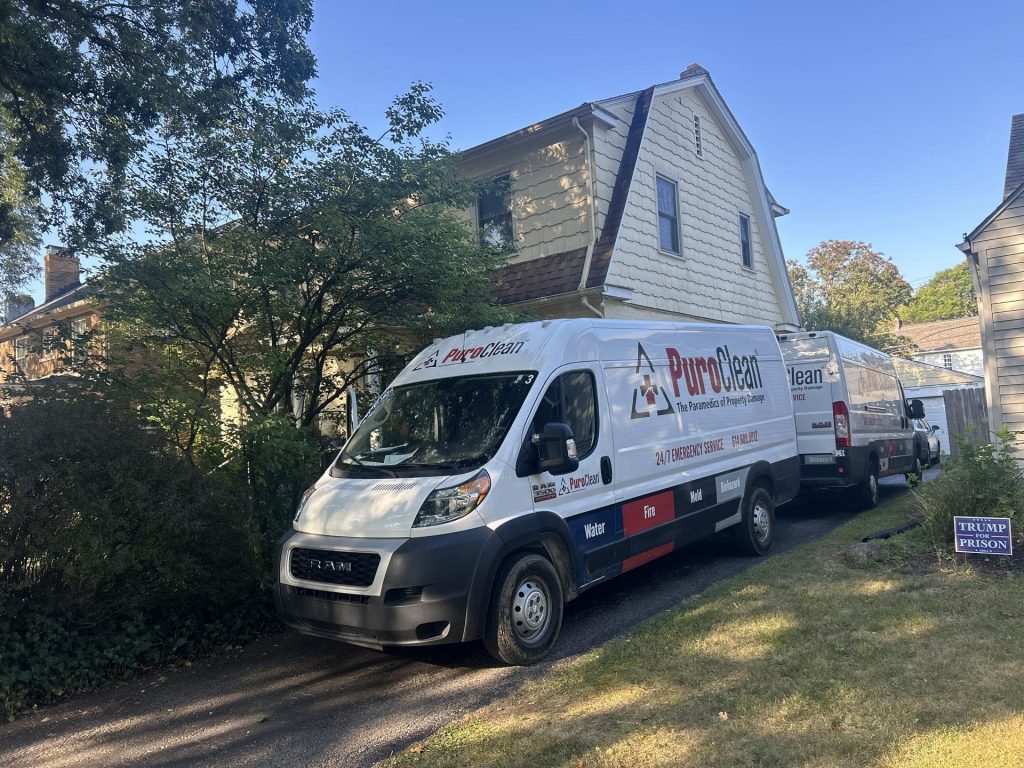
Reputable trauma cleanup companies prioritize discretion and privacy. They typically use unmarked or discreetly marked vehicles, avoid obvious company uniforms with large logos, and work efficiently to minimize time on site. Technicians are trained to respect your privacy and avoid discussing the situation publicly.
Can I stay in my home during trauma cleanup?
This depends on the extent of contamination and which areas of the home are affected. If the trauma scene is contained to one area and other spaces remain safe, you might stay in unaffected parts of the home. However, many people choose to stay elsewhere during cleanup for emotional comfort. If contamination is extensive or air quality is compromised, temporary relocation may be necessary.
What if the trauma occurred in a rental property?
Landlords are typically responsible for ensuring rental properties are safe and habitable, which includes proper trauma cleanup. However, lease agreements may assign responsibility differently depending on circumstances. Review your lease and consult with your landlord immediately. Tenant’s insurance may cover trauma cleanup costs, and you should contact your insurance provider as well.
Do police clean up after they finish investigating?
No, law enforcement processes the scene for evidence but does not perform cleanup. Once police release the scene back to the property owner or family, cleanup becomes your responsibility. This surprises many people who assume authorities handle this aspect.
How do I know if cleanup was done properly?
Professional companies provide verification through ATP testing that detects biological residue, visual inspection confirming no visible contamination remains, and documentation certifying the property meets health standards. You should receive a certificate of completion outlining the work performed and confirming proper decontamination.
What if I already tried to clean up myself before calling professionals?
Inform the professional company immediately about any cleanup attempts you’ve made. This helps them assess potential contamination spread and areas requiring additional attention. Amateur cleanup doesn’t disqualify you from professional services or insurance coverage, though it may affect the scope of work needed.
Can trauma cleanup remove all odors permanently?
Professional services use advanced techniques that eliminate odors at the molecular level rather than masking them. When performed properly, these methods provide permanent odor elimination. However, if contamination has deeply penetrated structural materials that weren’t removed during cleanup, some residual odor might return over time, requiring additional treatment.
Does trauma cleanup restore the property to its original condition?
Trauma cleanup focuses on biohazard removal and decontamination, making the property safe and sanitary. Some companies offer restoration services including replacing removed materials, repainting, and minor repairs. Full restoration to pre-incident condition may require additional contractors for carpeting, flooring, or other improvements beyond basic cleanup.
Are there situations where professional cleanup isn’t necessary?
Very minor blood contamination from small cuts or nosebleeds where the blood volume is minimal and the affected person has no known bloodborne diseases might be manageable with proper household bleach solution and precautions. However, any significant blood loss, unknown health status of the source, or involvement of other bodily fluids should prompt professional consultation at minimum.
Conclusion
Trauma scene cleanup represents one of the most challenging situations Indianapolis and Greenfield residents might face. The combination of health risks, emotional trauma, legal requirements, and technical complexity makes professional assistance not just helpful but essential in virtually every situation.
The Johnson family’s story demonstrates the real consequences of underestimating these dangers. What began as a desire to protect loved ones resulted in serious illness, substantial unexpected costs, and additional emotional trauma that could have been completely avoided.
Professional trauma cleanup services provide specialized training, industrial equipment, complete decontamination, and compassionate support that families desperately need during crisis moments. The cost of professional service is almost always less than the combined medical, legal, and property damage costs of improper cleanup attempts.
When trauma strikes your home or property in the Indianapolis area, you don’t have to face it alone. PuroClean Disaster Restoration brings certified expertise, advanced technology, and genuine compassion to every situation. Their technicians understand the technical requirements and the emotional weight of these moments.
If you’re facing a traumatic situation in Greenfield, Indianapolis, or surrounding areas, don’t wait and don’t attempt cleanup yourself. Protect your health, your property, and your peace of mind by calling PuroClean Disaster Restoration at (317) 467-4436 immediately. Their 24/7 emergency response team is ready to help you through this difficult time with professionalism, discretion, and care.


 PuroClean Disaster Restoration