Reviewed for technical accuracy by PuroClean Disaster Restoration’s IICRC-certified restoration team.
Water damage often starts quietly. A damp corner, a faint musty smell, or a slow drip can hide a problem that spreads behind walls and under floors for weeks. The IICRC S500 Standard for Professional Water Damage Restoration is the industry reference that defines how water losses are categorized, classified, and dried, and it guides the checks in this article. For Greenfield homeowners, the risk rises every spring, when snowmelt and rain push the groundwater table up against foundations. This guide shows you which risks to check right now, how to check them, and when to stop and call a professional.

Key Takeaways for Homeowners
- Most serious water damage starts out hidden, so check basements, crawl spaces, ceilings, and areas around appliances on a regular schedule.
- EPA mold guidance says wet materials should be dried within 24 to 48 hours, so early detection protects your home and your health.
- A musty smell, a stain that keeps returning, or a floor that feels soft are warning signs that moisture is still present.
- Water that backs up from a floor drain may be sewage contaminated and is treated as Category 3 (black water).
- Greenfield’s spring groundwater rise puts hydrostatic pressure on basement floors and walls, so check for cracks and seepage before the thaw.
- Photographs taken during each check give you a baseline if you ever need to file an insurance claim.
What water damage risks should you check in your home right now?
Check eight places: your basement walls and floor, ceilings and walls for stains, flooring for warping, the areas around appliances and plumbing, your sump pump, gutters and grading outside, floor drains, and any room with a persistent musty smell. These are where moisture most often enters or hides. A quick walk-through takes less than an hour.
An 8-point home water damage check
- Smell the air. Walk into the basement, crawl space, and closets after the home has been closed up. A musty or earthy odor suggests moisture and possible mold.
- Look for stains and discoloration. Check ceilings, wall corners, and the area under bathrooms and kitchens. Yellow or brown rings that grow or return after painting mean water is still reaching the surface.
- Inspect basement walls and floors. Look for white, chalky mineral deposits, damp patches, or hairline cracks where the wall meets the floor. These show groundwater is moving through the foundation.
- Test flooring. Press on laminate, hardwood, and vinyl. Cupping, buckling, soft spots, or lifted edges can mean water is trapped beneath, and subfloor delamination may follow.
- Check plumbing and appliances. Look under sinks and around the water heater, dishwasher, washing machine, refrigerator ice line, and toilet supply lines for drips, rust, or swollen cabinet bases.
- Test the sump pump. Pour a bucket of water into the pit. The float should rise, the pump should start, and the discharge should flow away from the house.
- Walk the outside. Make sure gutters are clear, downspouts discharge several feet from the foundation, and soil slopes away from the walls.
- Watch floor drains. Gurgling, slow drainage, or a sewage smell during heavy rain can mean the sewer line is overloaded.
Actionable takeaway: Put a seasonal reminder on your calendar to run this eight-point check each March, before the spring thaw peaks.
Why are Greenfield homes at risk of water damage in spring?
Greenfield’s main flood mechanism is a rising water table. Each spring, snow melts and rain soaks into the ground, and the groundwater level climbs, creating hydrostatic pressure against basement floors and walls. Water follows any weakness: a foundation crack, a cove joint, a utility entry, or a window well. The pressure can build for days and keep seepage going long after a storm ends.
Secondary causes add to the risk. Overflowing gutters and downspouts that empty near the foundation, poorly graded soil, and foundation wall or floor cracks all admit water. A sump pump can fail or be overloaded during a storm. When the municipal sewer system is overwhelmed, wastewater can back up through floor drains, which brings Category 3 contamination. IDEM guidance on sewer overflows treats raw sewage as a serious public health matter, so a backup is never a simple mop-up job.
Actionable takeaway: Extend downspouts and check soil grading before the thaw, since this is the cheapest way to cut spring risk.
How does the age of a Greenfield home change its water risks?
Housing style changes where water enters and how long it hides. Postwar ranch and split-level homes across Hancock County subdivisions often sit on poured concrete or block foundations. Water tends to collect where the wall meets the slab and wick upward into drywall and insulation. Older brick homes near Greenfield’s historic downtown may have fieldstone or aging block basements, and original mortar joints can allow seepage that is slow and easy to miss. Finished basements in either type can hold moisture behind paneling and carpet.
Aging plumbing also matters. Supply lines, shutoff valves, and water heaters wear out, and a small leak can soak a subfloor for weeks. Checking these areas by season helps you spot trouble early.
Actionable takeaway: If your basement is finished, pull back a corner of carpet or open an access panel once a year to check for hidden dampness.
What happens during professional water damage inspection and drying?
Professionals follow the IICRC S500 sequence: assess, categorize, extract, dry, and verify. The first step is to determine the water category and damage class. Clean supply water is Category 1, but it can degrade to Category 2 if it sits, and sewage or floodwater is Category 3. Wet drywall and subfloor are often Class 2 or Class 3, and dense materials like plaster, masonry, or hardwood can push a loss into Class 4 water damage, which needs specialty drying.
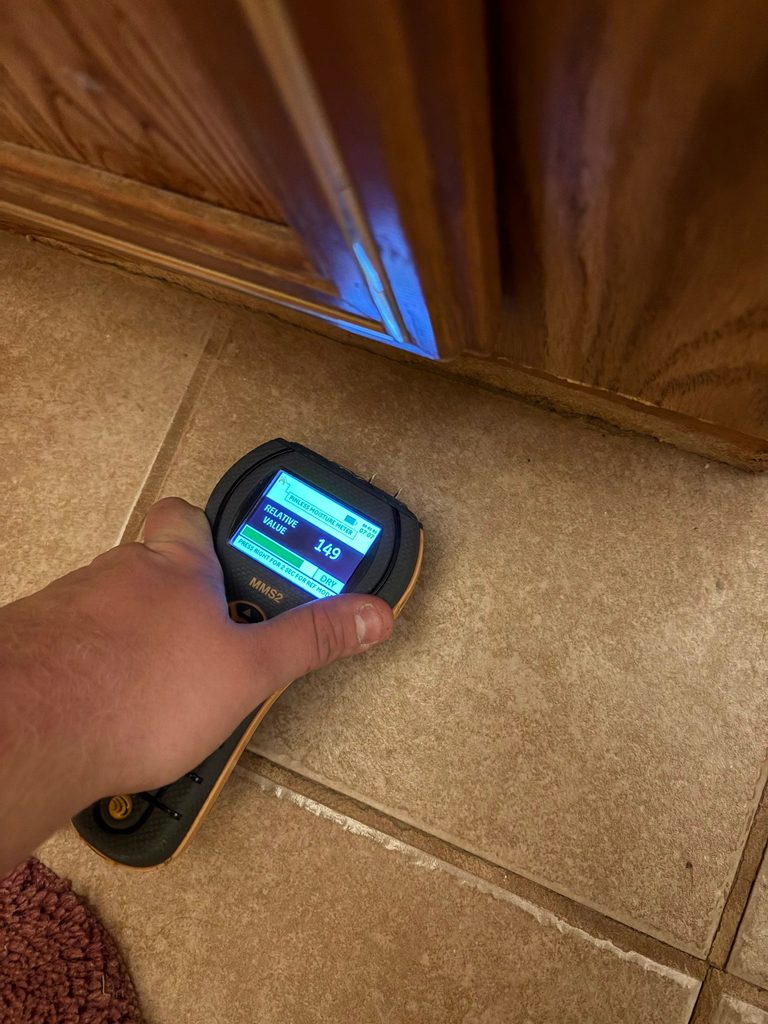
- Moisture mapping. Moisture meters and thermal imaging cameras locate hidden water in walls, ceilings, and floors, creating a documented baseline.
- Extraction. Truck-mounted or portable extractors remove standing water.
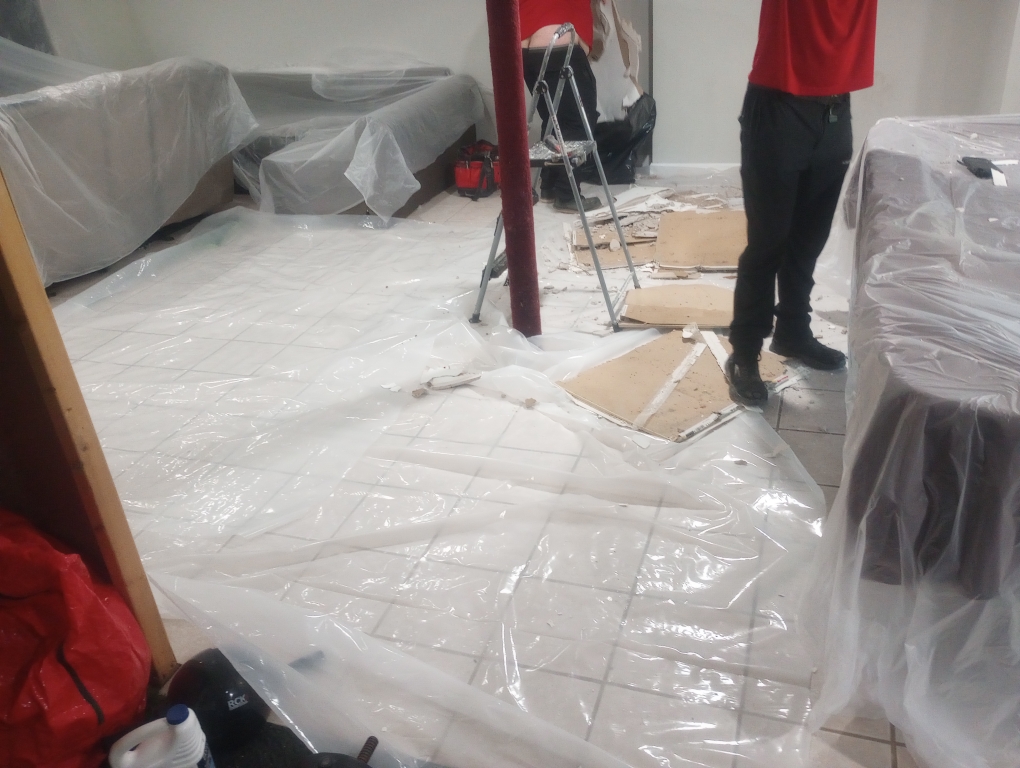
- Removal of unsalvageable materials. Saturated carpet pad, insulation, and contaminated drywall are removed. Technicians install a containment barrier to prevent cross-contamination of dry rooms.
- Structural drying. Air movers and LGR (low grain refrigerant) dehumidifiers dry the structure. Technicians track psychrometrics, meaning temperature, humidity, and grains per pound, and log hygrometer readings daily.
- Cleaning and air quality. Antimicrobial biocide is applied, and air scrubbers with HEPA filtration clean the air. If mold is found, negative air pressure keeps spores contained, and work follows IICRC S520. Some molds can release mycotoxins, so containment is essential.
- Dry verification. Equipment leaves only when readings reach the dry standard.
Unlike a generic cleanup service, PuroClean Disaster Restoration offers 24/7 emergency dispatch, IICRC-certified technicians, and direct insurance billing for Greenfield and Hancock County homeowners.
Actionable takeaway: Ask for daily moisture readings in writing, because a surface that feels dry may still hold water inside.
Frequently Asked Questions
Does homeowners insurance cover water damage in Indiana?
Most Indiana homeowners policies cover sudden and accidental water damage, such as a burst pipe, but often exclude gradual leaks, flooding from groundwater, and sewer or drain backup unless you add an endorsement. Coverage varies. Report the loss promptly and contact the Indiana Department of Insurance with questions about your rights.
How much does water damage restoration cost in Greenfield?
Cost depends on how much water is involved, the water category and class, the materials affected, and how many days of drying are needed. Small, early repairs cost far less than multi-room losses. A professional inspection gives you a written scope, and many insurers work with restoration companies directly.
How long does it take to dry a home after water damage?
Structural drying often takes about three to five days, depending on materials, humidity, and equipment placement. Technicians check moisture readings daily and remove equipment only when materials reach the dry standard. Plaster, hardwood, and masonry can take longer, and mold remediation adds time.
Can I handle water damage myself?
You can handle a small, clean spill on a sealed floor if you dry it within hours. Call a professional when drywall, carpet, or insulation is wet, when water has sat longer than 24 hours, or when sewage is involved. Household fans cannot dry wall cavities or treat contamination.
What health risks come with water damage in a Greenfield home?
EPA guidance notes that mold can grow within 24 to 48 hours on damp materials, and contaminated water can carry bacteria. People with asthma, allergies, or weakened immune systems are most affected. Spring basement dampness in Greenfield can keep humidity high, so dry the space quickly and monitor with a hygrometer.
How can I tell if water damage is hidden inside my walls?
Signs include a musty smell, bubbling paint, warped baseboards, and stains that return after painting. A moisture meter and thermal imaging camera can confirm hidden moisture without opening walls. If you suspect hidden water, schedule an inspection before covering or repainting, because paint only hides the problem.