 PuroClean Disaster Restoration
 Understanding the Hidden Dangers of Fire’s Silent Aftermath
When the flames of a house fire are finally extinguished, a new threat emerges, one that’s often invisible, always invasive, and potentially deadly. This threat is soot, and it’s far more dangerous than its powdery appearance suggests.
What Is Soot?
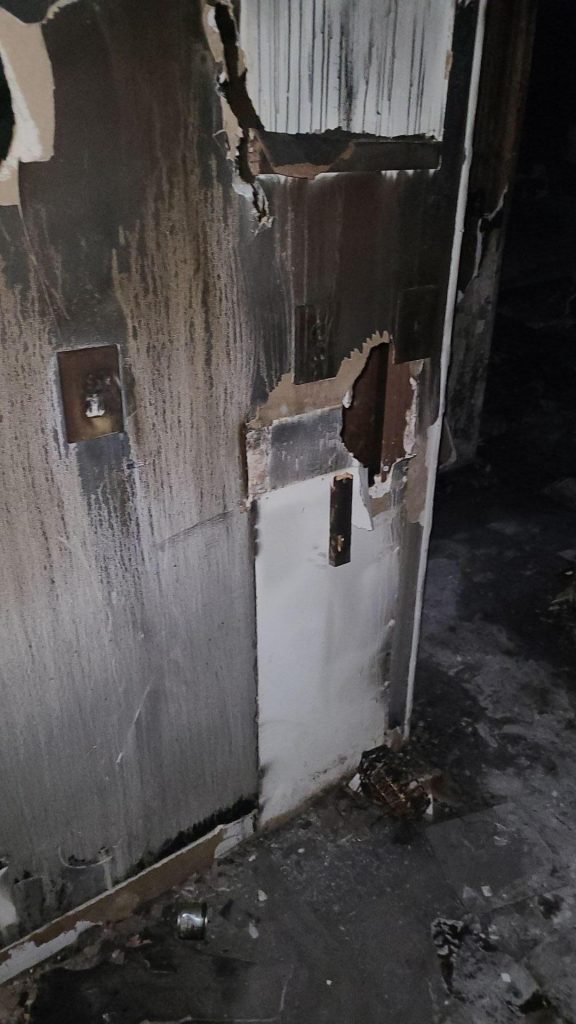
Soot is a fine, black or brownish powder composed primarily of tiny carbon particles created through incomplete combustion. When organic, carbon-filled materials like wood, plastic, coal, and oils burn without sufficient oxygen, they don’t fully combust. The result is soot—a persistent residue that settles on surfaces, infiltrates HVAC systems, and pollutes indoor air long after the fire is out
These particles are astonishingly small. Many soot particles measure less than 2.5 micrometers in diameter—one-third the width of a human hair and smaller than most dust particles. According to the Environmental Protection Agency (EPA), particulate matter like soot is one of the leading causes of air pollution, impacting both indoor and outdoor environments
The Composition of Soot: What’s Really in That Black Dust?
Soot isn’t just carbon. It’s a complex mixture of toxic substances that varies depending on what burned:
- Acids – Corrosive chemicals that can damage property over time
- Heavy metals – Including arsenic, chromium, cadmium, and nickel
- Harmful gases – Sulfur dioxide, methane, formaldehyde, and carbon monoxide
- Polycyclic aromatic hydrocarbons (PAHs) – Known carcinogens that can increase cancer risk
- Soil and dust – Carried along with soot particles
When household items containing plastics, foams, carpets, wood products, and synthetic fabrics burn, they release particularly hazardous soot. The National Cancer Institute confirms that soot may contain numerous carcinogens, including arsenic, cadmium, and chromium
Common Sources of Soot in Your Home
While house fires are the most dramatic source, soot can accumulate from everyday activities:
Household Sources
- Candles – Low-quality candles and those with wicks that are too long produce excess soot
- Fireplaces – Poorly vented fireplaces allow soot to build up on nearby walls
- Cooking appliances – Stoves and ovens can emit soot if not properly maintained, especially when cooking with oil
- Furnaces – Malfunctioning heating systems can produce “puff backs” that release soot throughout your home
Industrial and Environmental Sources
- Vehicle exhaust and engine emissions
- Industrial processes burning fossil fuels
- Wildfire smoke traveling miles from the fire’s origin
The Health Dangers of Soot Exposure
The microscopic size of soot particles makes them exceptionally dangerous. They can be inhaled, ingested, or absorbed through the skin, leading to serious health consequences.
Immediate Health Effects
- Respiratory irritation, coughing, and difficulty breathing
- Asthma attacks and bronchitis exacerbation
- Eye irritation and sore throat
- Headaches and nausea
- Skin rashes and allergic reactions
Long-Term Health Risks
The World Health Organization (WHO) reports that exposure to fine particulate matter, including soot, contributes to over 4.2 million premature deaths annually worldwide
Cancer Risk: Soot is classified as a known human carcinogen by the National Toxicology Program and has been linked to:
- Lung cancer
- Scrotal and other skin cancers (first identified in chimney sweeps in 1775)
- Esophageal cancer
- Bladder cancer
Cardiovascular Disease: Long-term exposure increases the risk of heart attacks, strokes, and other cardiovascular problems. Soot particles can enter the bloodstream, causing inflammation and oxidative stress
Respiratory Disease: Chronic exposure can lead to:
- Chronic Obstructive Pulmonary Disease (COPD)
- Reduced lung function
- Increased susceptibility to lung infections like pneumonia
Vulnerable Populations
Children, seniors, individuals with pre-existing respiratory conditions, and those with compromised immune systems face heightened risks from soot exposure
Property Damage: Beyond Surface Stains
Soot’s dangers extend beyond health risks—it can systematically destroy your property:
Corrosive Damage: Soot is acidic. When left untreated, it slowly eats away at paint, drywall, flooring, fabrics, and finishes, leading to permanent staining, warping, or complete deterioration
Electrical Hazards: Soot can infiltrate electrical outlets, appliances, and circuit boards. Its conductive and corrosive nature increases the risk of short circuits, malfunctions, and even secondary fires
Odor Penetration: Soot particles embed deeply into porous materials like insulation, carpeting, and furniture, creating persistent, unpleasant odors that are nearly impossible to remove without professional intervention.
HVAC Contamination: Soot particles can infiltrate your entire home through the heating, ventilation, and air conditioning system, spreading contamination to rooms far from the original fire source
Why DIY Soot Cleanup Can Make Things Worse
Attempting to clean soot yourself often causes more damage:
- Smearing and staining: Household cleaners and water can cause soot to penetrate deeper into porous surfaces
- Re-aerosolization: Standard vacuums without HEPA filters recirculate fine particles into the air
- Permanent damage: Scrubbing oily soot (common from furnace puff backs) can create irreversible stains on walls and furniture
- Health exposure: Without proper personal protective equipment (PPE), you risk inhaling toxic particles
Professional Soot Remediation: What to Expect
Certified restoration professionals use specialized techniques and equipment:
- HEPA vacuums – Capture fine particles without recirculating them
- Air scrubbers – Purify air by removing microscopic soot particles
- Thermal foggers and ozone machines – Neutralize persistent smoke odors at the molecular level
- Chemical sponges – Specially designed to lift soot residue without smearing
Professional assessment is crucial because soot often settles in hidden areas—behind walls, inside electronics, and within HVAC systems—where it continues causing damage unnoticed.
What to Do After Soot Damage
If you experience soot damage from a fire, furnace malfunction, or other source:
- Ensure safety first – Ventilate the area and wear protective gear (masks, gloves, long sleeves)
- Turn off HVAC systems – Prevent soot from spreading throughout your home
- Avoid touching affected areas – Wait for professional assessment before attempting cleanup
- Contact a professional restoration service – Soot removal requires specialized expertise
- Address air quality – Use air purifiers with HEPA filters and have your HVAC system professionally cleaned
Prevention Tips
- Ensure regular maintenance of heating systems, chimneys, and appliances
- Use high-quality candles with properly trimmed wicks
- Install and maintain smoke detectors
- Keep fire extinguishers accessible
- Ensure proper ventilation for fireplaces and cooking areas
The Bottom Line
Soot is far more than an unsightly nuisance, it’s a serious health hazard and property threat that requires immediate, professional attention. The longer soot remains, the more extensive the damage becomes, and the higher the restoration costs climb.
If you’re dealing with soot damage in Greenfield, don’t gamble with your health or your home. Professional restoration services have the expertise, equipment, and safety protocols necessary to thoroughly remove soot and restore your property to a safe, clean condition.
For professional fire damage restoration and soot remediation services, contact a certified restoration company like PuroClean Disaster Restoration Greenfield, Available 24/7, these specialists serve as “The Paramedics of Property Damage®, first responders to your property emergency.

 PuroClean Disaster Restoration