 PuroClean Disaster Restoration
 Location Focus: Greenfield, Indianapolis
Executive Summary
White mold and mildew are two common household threats that often look similar but require different types of cleaning and treatment. In Greenfield and other parts of Indianapolis, homeowners frequently deal with moisture problems due to weather, plumbing leaks, and humidity. This guide explains how to tell white mold and mildew apart, how to safely remove them from walls and ceilings, when DIY is safe, and when professional help is necessary. It also shares a real homeowner story from Greenfield that illustrates the risks of ignoring early signs. If you live in or near Greenfield and suspect mold, you can call PuroClean Disaster Restoration at (317) 467-4436 for urgent help.
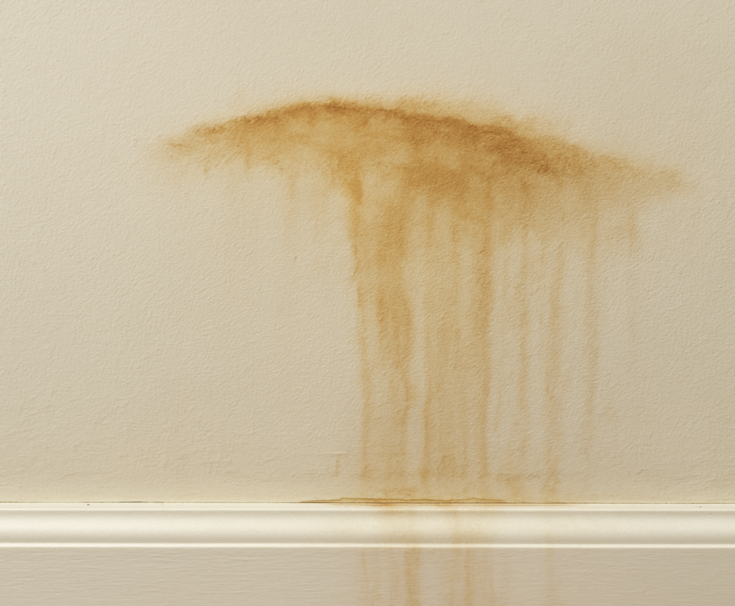
What Is the Difference Between White Mold and Mildew?
Many homeowners in Indianapolis confuse the two because they can both appear light in color and grow in damp areas. However, there are key differences.
White Mold
White mold is a fungal growth that can penetrate surfaces including drywall, wood, and insulation. It often appears fluffy, powdery, or fiber-like. It can damage building materials and cause respiratory irritation.
Mildew
Mildew is a surface-level fungus that stays flat and powdery. It typically looks white or gray at first and darkens over time. It grows on smooth, damp surfaces like bathroom walls, painted ceilings, and tile grout.
If it wipes away easily, it’s usually mildew. If it keeps growing back or sinks into the surface, it may be white mold.
Why Does White Mold and Mildew Grow in Greenfield Homes?
Indianapolis weather patterns contribute to ideal conditions for mold.
Common causes include:
- High humidity levels, especially in summer
- Basement moisture
- Roof leaks during heavy rains
- Poor ventilation
- Plumbing leaks behind walls
- Condensation on cold surfaces
Homes in Greenfield with basements or crawl spaces are especially prone because of ground moisture.
What Are the Signs You Are Dealing With White Mold or Mildew?
Look for these:
- Musty or earthy odor
- White or gray patches on walls
- Peeling paint or bubbling drywall
- Allergic-like symptoms inside the home
- Discoloration on ceilings or corners
- Growth that worsens after rain
If you are unsure, take a close picture and compare it with other areas. But avoid touching the growth with bare hands.
How Do You Identify White Mold on Walls and Ceilings?
Here are simple tests to help:
1. Texture Test
White mold feels soft, cotton-like, or fuzzy.
2. Penetration Test
If it sinks into drywall or wood, it is likely mold.
3. Spread Pattern Test
White mold spreads irregularly, not in smooth circles like mildew.
4. Smell Test
White mold produces a deeper musty odor than mildew.
5. Reaction After Cleaning
If you clean it and it comes back within days, it is probably mold.
Real Story: A Greenfield Family Who Ignored Mold for Too Long
In 2024, a couple in Greenfield noticed a few white spots forming on their basement drywall. It looked harmless, so they wiped it away with surface cleaner. A month later, the musty smell got stronger, and their young son began coughing at night. They later discovered the white growth had spread behind the walls due to a slow plumbing leak.
By the time they contacted a professional, sections of drywall, carpet, and insulation had to be removed. What could have been a simple mildew cleanup turned into a full mold remediation project.
The lesson:
If something keeps coming back or spreads quickly, do not assume it is simple mildew. Early action saves money and protects indoor air quality.
What Are the Health Risks of White Mold and Mildew?
White Mold Health Risks:
- Coughing
- Sinus irritation
- Headaches
- Fatigue
- Aggravation of asthma
Mildew Health Risks:
Usually milder, but can trigger allergies in sensitive individuals.
If anyone in the home starts experiencing symptoms only while inside, mold may be the cause.
Steps to Identify and Remove White Mold and Mildew from Walls and Ceilings
1. Inspect the Area Thoroughly
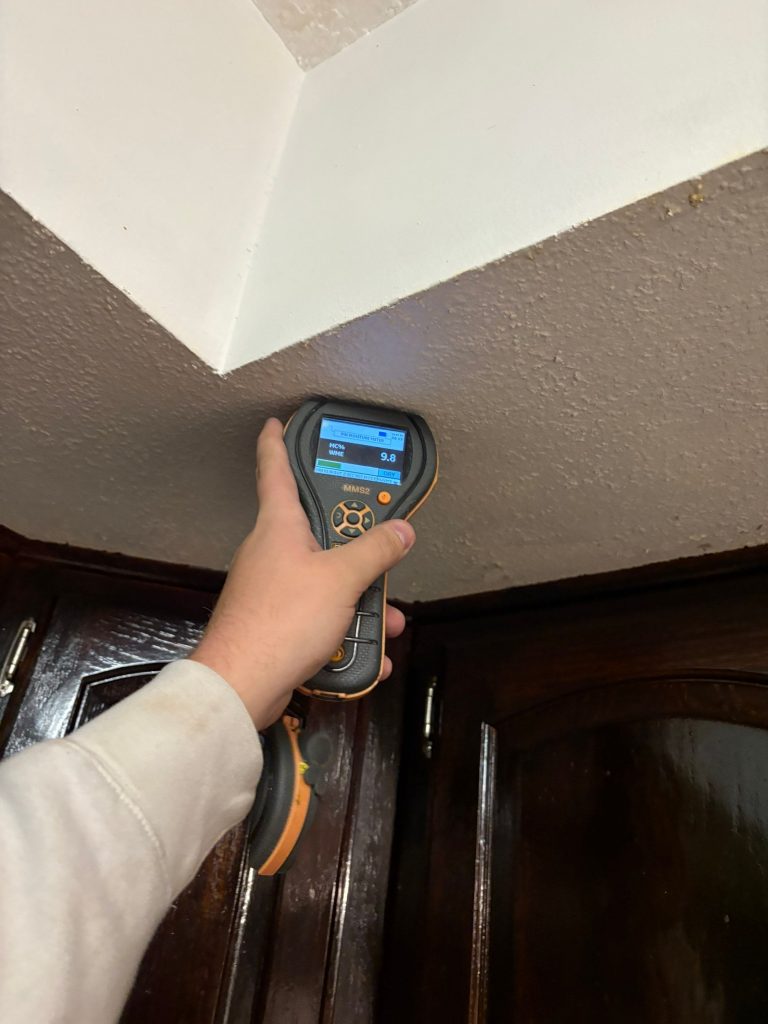
Look for moisture sources. Mold always has a cause, whether it’s humidity or a hidden leak.
2. Protect Yourself Before Cleaning
Use:
- Gloves
- N95 mask
- Eye protection
- Long sleeves
Even mildew can release spores when disturbed.
3. Test the Growth Type
Check texture, smell, and surface penetration. If unsure, assume it is mold and treat it carefully.
4. Fix the Moisture Source First
Without solving moisture, mold will always return.
This may include:
- Re-sealing windows
- Fixing leaks
- Improving airflow
- Installing a dehumidifier
5. Clean Mildew Safely
If it is mildew, you can:
- Mix one cup of household bleach with one gallon of water
- Apply with sponge
- Scrub gently
- Rinse and dry well
Never mix bleach with ammonia or other cleaners.
6. Remove White Mold with Caution
White mold is more invasive. For small areas only:
- Apply white vinegar
- Let it sit
- Scrub lightly
- Rinse
- Dry completely
If the area is larger than three feet, contact professionals.
7. Remove Damaged Materials if Needed
White mold inside drywall or insulation must be removed and replaced.
8. Repaint and Restore the Area
After everything is fully cleaned and dried, repaint using mold resistant paint.
When Should You Call a Mold Removal Professional in Indianapolis?
Call experts if:
- The mold covers more than a few square feet
- The smell is strong or persistent
- It keeps returning
- There is structural damage
- A leak is suspected behind walls
- Someone in your home has respiratory issues
Professionals use HEPA air scrubbers, moisture meters, and advanced drying tools that homeowners do not have.
How Do You Choose the Best Mold Removal Service Near You in Indianapolis?
Here is what to look for:
1. Certified Technicians
Make sure the company follows IICRC standards.
2. Experience with White Mold
Some companies only handle mildew or surface cleaning.
3. Fast Emergency Response
Mold spreads quickly, so rapid service matters.
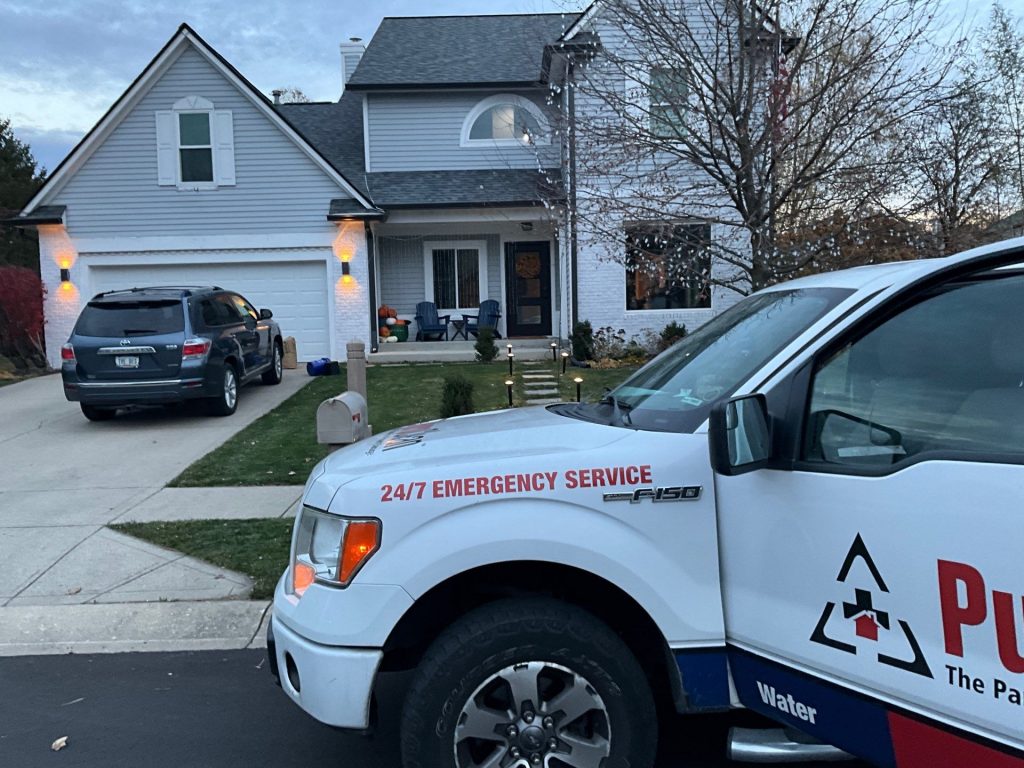
4. Local Knowledge of Indianapolis Homes
Greenfield and surrounding areas have common issues like basement seepage that local companies understand better.
5. Transparent Pricing
Avoid services that cannot explain their process or fees.
6. Real Customer Reviews
Look for consistent praise for professionalism, speed, and results.
7. Insurance Coordination
The best companies help with claims when applicable.
A trusted local provider in Greenfield is:
PuroClean Disaster Restoration Call (317) 467-4436
Fast response, certified mold technicians, and full remediation services.
FAQs About White Mold and Mildew
Is white mold dangerous?
It can cause respiratory issues and should not be ignored.
Can I clean mold myself?
Small spots are often safe to clean. Larger areas require professionals.
Why does mold keep coming back?
Because the moisture source has not been fixed.
Does insurance cover mold removal?
Sometimes, if caused by a sudden leak. Gradual damage is often excluded.
How fast does mold spread?
In the right conditions, mold can grow within 24 to 48 hours.
Conclusion: Protect Your Greenfield Home with Fast Mold Action
White mold and mildew may seem similar, but understanding the difference is essential for safe cleanup. Mildew is usually surface-level, while white mold can cause deeper damage to your walls, ceilings, and indoor air.
If you live in Greenfield or anywhere in Indianapolis, and you see suspicious white growth or smell a musty odor, get quick help before the problem spreads.
Call PuroClean Disaster Restoration at (317) 467-4436
They provide fast inspections, safe mold removal, and long term moisture solutions for your home.

 PuroClean Disaster Restoration