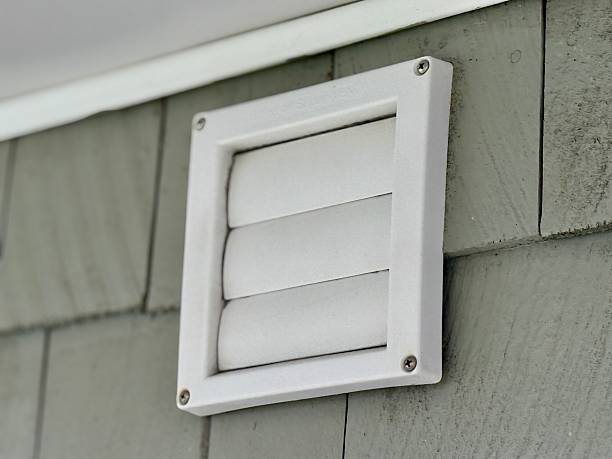
Every load of laundry turns wet clothes into warm, humid air, and the dryer vent is supposed to carry all of it outdoors. When it does not, that moisture goes somewhere else. Dryer vent moisture is one of the less obvious sources of hidden mold in Miramar homes and condos, because the problem often builds inside a wall, a ceiling, or a long vent run that no one ever sees. This guide covers what causes dryer vent moisture, five signs of hidden mold, and why a professional assessment matters.

What Causes Dryer Vent Moisture?
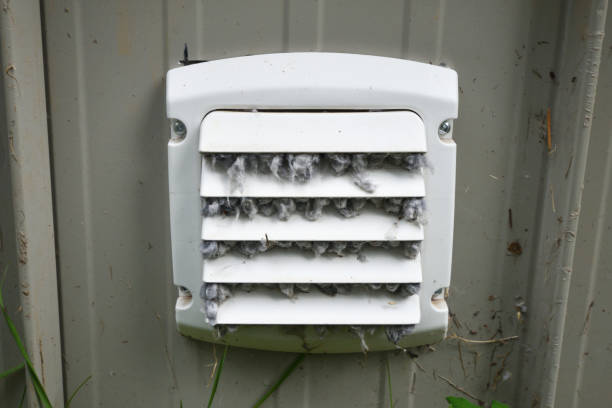
A dryer works by turning the water in wet clothes into warm, humid air and pushing it outdoors through a duct. Anything that interrupts that path can cause the problem. A duct crushed behind the dryer or pulled loose from the wall connection is a common culprit. So are long runs with many bends, sagging sections where moisture pools, lint buildup in the duct or at the outdoor hood, and a hood flap that sticks shut. The most serious case is a vent that ends in an attic, garage, wall cavity, or room instead of outdoors, where the humid air meets cooler surfaces and condenses into water.
Why Is Dryer Vent Moisture a Bigger Issue in Condos and Townhomes?
In condos and townhomes, dryers often sit far from an exterior wall, so the vent may run a long way through a wall or ceiling before it reaches the outside. Long, hidden runs give humid air more chances to cool, condense, and soak into drywall and insulation where no one can see it. Moisture in a shared wall can also reach a neighbor’s unit. Our post on upstairs condo water damage explains how responsibility and documentation usually work when water crosses unit lines.
Five Signs of Dryer Vent Moisture and Hidden Mold
- A damp, warm, or musty laundry room after every load. If the room smells musty or feels humid when the dryer runs, humid air may be escaping the vent. Our post on musty smell with no leak covers other hidden causes worth ruling out.
- Clothes that take more than one cycle to dry. A restricted vent holds humid air in the dryer and pushes more of it back into the room.
- Condensation on walls, windows, or the ceiling near the laundry area. Moisture that does not drain away can run down surfaces and soak into drywall.
- Stains, peeling paint, or bubbling along the vent path. Look at the wall behind the dryer and along the ceiling where the duct runs. Moisture inside the cavity pushes paint off the drywall.
- Visible darkening or growth on trim, the ceiling, or around the vent connection. Visible growth often means the moisture has been present for a while, and more may be hidden behind it.
Is a Clogged Dryer Vent Also a Fire Risk?
Yes, and it is worth taking seriously. Moisture is not the only reason a restricted vent matters. The U.S. Fire Administration notes that the risk of a dryer fire is higher when lint filters and vents are not cleaned, and it recommends making sure the venting behind the dryer is not damaged, crushed, or restricted. A qualified dryer vent professional should inspect and clean the system. We focus on the other side of the problem: assessing and drying any moisture damage and addressing mold if it has started.
Can Dryer Vent Moisture Lead to Mold?
It can. The EPA advises drying water-damaged areas within 24 to 48 hours to prevent mold growth, and a wall or ceiling cavity that takes on humid air load after load is rarely given that chance. If a musty smell or visible growth is already present, our guide to mold damage restoration explains what to expect, and PuroClean’s local mold removal team handles remediation. The same hidden humidity pattern shows up in our guides to AC drain line leaks and washing machine leaks.
Who Should You Call: a Vent Technician or a Mold and Water Damage Company?
You will often need both. A qualified dryer vent professional can inspect the duct, correct routing problems, and clean the system. A water damage and mold team assesses how far the moisture traveled, removes materials that cannot be dried, and dries the structure. Fixing the vent does not dry a wall that is already damp. Our post on water damage mitigation vs. restoration explains how the interior process works.
Will Insurance Cover Dryer Vent Moisture Damage?
Coverage depends on your specific policy, the cause of loss, your limits, and any exclusions. Policies often treat sudden damage differently from damage that built up gradually or from a maintenance issue, and this kind of moisture usually builds gradually, so documentation matters. Photograph the laundry area, the wall, and any staining with dates, note when you first noticed the problem, and keep records of any vent service and water damage work. Your insurer decides coverage, and thorough records simply give them what they need.
Get Certified Water Damage Mitigation & Restoration in Miramar
Whether humid vent air has already reached the wall or you want a certified partner on file before it does, PuroClean of Hallandale Beach provides certified mold remediation and water damage mitigation for residential and commercial properties throughout Miramar and the surrounding area. Learn more about our mold removal and water damage mitigation services, or see PuroClean’s national mold removal and water damage restoration pages.
- IICRC-certified technicians trained to the ANSI/IICRC S500 standard for water damage mitigation, restoration, and structural drying practices
- PuroClean of Hallandale Beach is licensed in Florida for mold remediation, EPA certified, and IICRC certified in Water Damage Restoration (WRT), Applied Structural Drying (ASD), Applied Microbial Remediation (AMRT), and Trauma & Crime Scene Cleanup (TCST)
- 35+ years of insurance claims and risk management experience, applied to thorough, carrier-ready documentation from the first extraction through final repairs
- Full-process management from initial mitigation through reconstruction and final repairs, so you have one continuous point of contact for the entire job
- 24/7 emergency availability for both residential and commercial properties throughout Miramar, Hallandale Beach, Hollywood, Pembroke Park, Pembroke Pines, and West Park
- Our service areas also include Weston, Southwest Ranches, North Miami, Cooper City, Plantation, Sunrise, Coral Springs, Fort Lauderdale, Davie, Lauderhill, Tamarac, Margate, Coconut Creek, Parkland, Dania Beach, Wilton Manors, Lighthouse Point, and Lauderdale-by-the-Sea, along with the communities above
Don’t wait for dryer vent moisture to turn into mold. Call PuroClean of Hallandale Beach at (754) 263-0203 for certified water damage mitigation today.
Frequently Asked Questions
Can I clean the dryer vent myself to fix the moisture?
Cleaning the lint filter is routine, but if there is moisture, staining, or a musty smell, the problem may be inside a wall or ceiling. A qualified professional should inspect the vent, and a water damage and mold professional should check the surrounding materials.
How long before dryer vent moisture causes mold?
The EPA advises drying water-damaged materials within 24 to 48 hours to prevent mold growth, so a vent that has been releasing humid air for weeks is worth assessing promptly.
Why does my laundry room smell musty when the vent looks fine?
A vent can look fine at the dryer and still leak or condense inside a wall, ceiling, or long run. A persistent musty smell is worth a professional assessment.
Does homeowners or condo insurance cover dryer vent moisture damage?
Coverage depends on your policy, the cause of loss, your limits, and any exclusions. Reviewing your policy and speaking with your insurer is the best way to understand your situation.
Who should I call first, a dryer vent technician or a mold company?
A dryer vent professional can correct the vent itself. A water damage and mold company assesses and dries the structure. Many situations need both.
Available 24/7/365 | IICRC Certified | (754) 263-0203 | Contact Us Online | Google Business Profile