 PuroClean of Central Southwest Houston
What feels like the coziest season of the year also happens to be one of the most common for decoration-related fires. According to the National Fire Protection Association (NFPA), U.S. fire departments respond to an average of 160 home fires each year caused by Christmas tree lights and nearly 790 additional fires started by other holiday decorations. Electrical issues are a leading cause, contributing to tens of thousands of home fires annually. As FEMA cautions, “Holiday decorations can increase your risk for a home fire. As you deck the halls this season, be fire smart.”
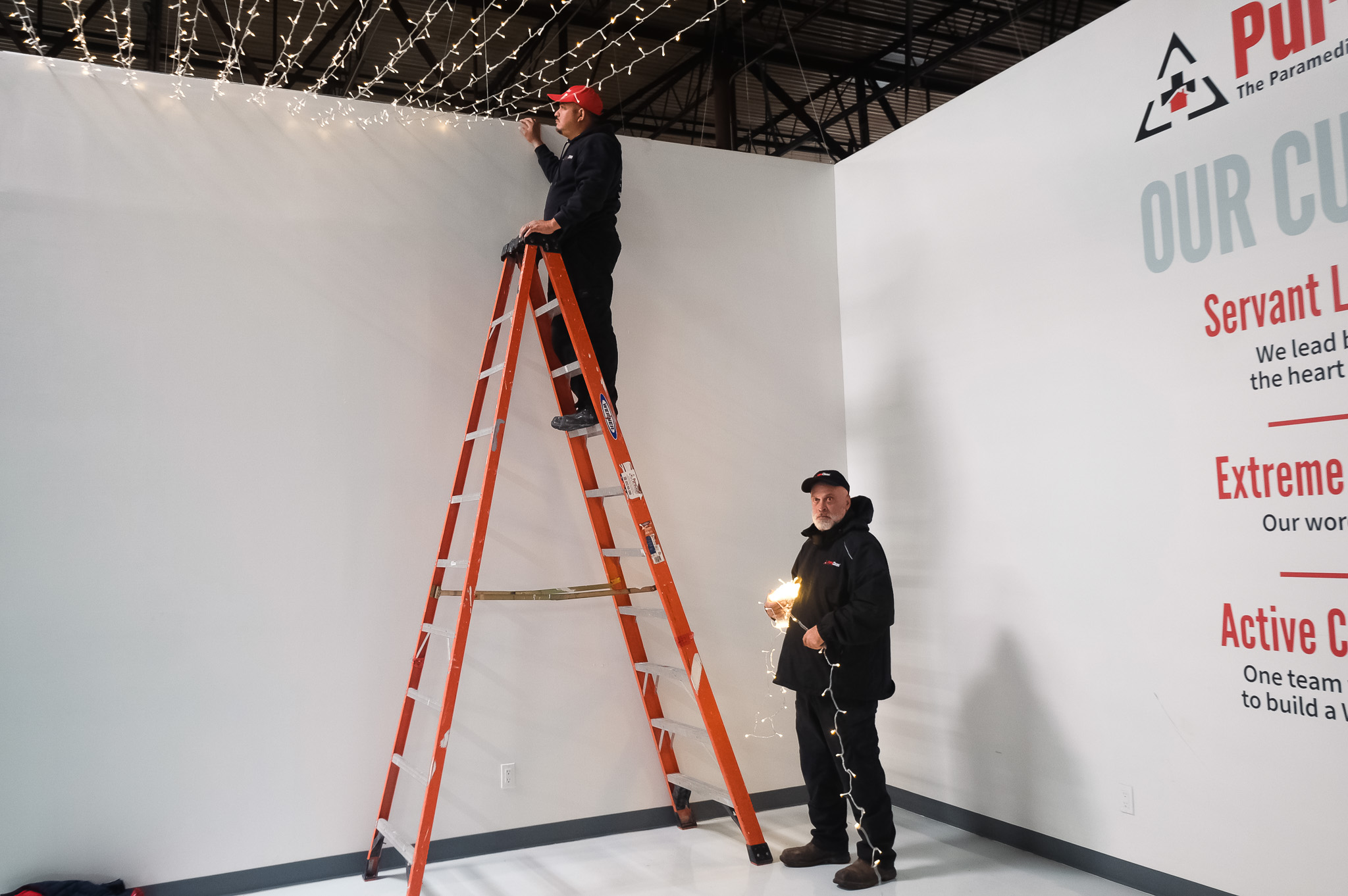
Indoor vs. Outdoor Holiday Lights: Why the Difference Matters
All holiday lights are not created equal. Manufacturers design light sets specifically for indoor or outdoor use, and mixing them up increases fire and shock risk.
- Indoor lights are made for dry, temperature-controlled environments. They lack weatherproof insulation and can short-circuit if exposed to moisture. FEMA advises homeowners to “use only lights tested for safety” and to always check labels from an independent testing laboratory like UL.
- Outdoor lights are built to withstand rain, wind, and fluctuating temperatures. These sets must be plugged into outdoor-rated outlets and paired with weather-resistant extension cords. Running cords through windows or doors can pinch wires and cause damage—another common fire starter.
Using each type of light for its intended purpose protects both your home and your electrical system.
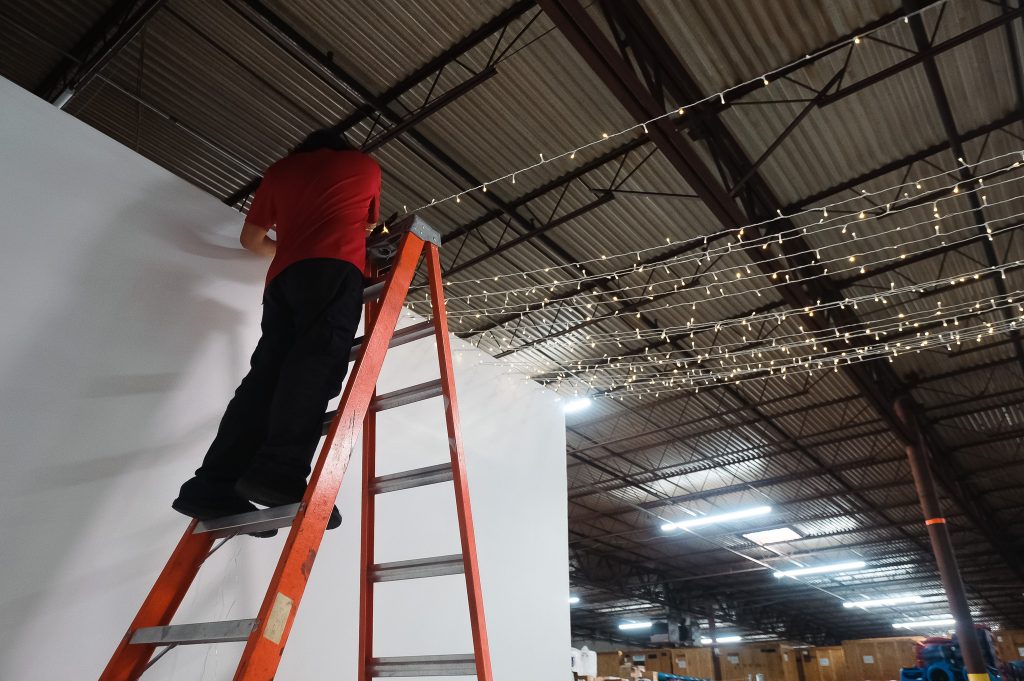
Preventative Measures: The Do’s and Don’ts of Holiday Lighting
Holiday lights create beautiful displays, but they also require mindful safety practices. Below are essential, easy-to-follow tips based on guidance from FEMA, NFPA, and electrical safety experts.
✔️ DO: Follow These Safe Lighting Practices
Inspect every strand before use
Look for broken bulbs, loose connections, frayed cords, or cracked insulation. FEMA urges homeowners to “throw away light strands with frayed or pinched wires.”
Use clips—not nails or staples
Light clips prevent wire punctures, which can cause sparks or exposed wiring.
Connect lights properly
Follow the manufacturer’s limit for how many strands can be linked together. Most standard sets allow no more than three.
Use the correct extension cords
Choose newer, UL-rated cords designed for indoor or outdoor use, depending on placement.
Secure all strands
Use electrical tape where needed and ensure cords are not loose, hanging, or able to be tugged by pets or children.
Water your Christmas tree daily
A dry tree can ignite in seconds. FEMA notes that “a dry Christmas tree can catch on fire easily.”
Turn lights off when leaving or going to bed
Unattended lights can overheat or short-circuit.
Store lights safely
Use sealed containers and wrap strands carefully to prevent damage during storage.
✖️ DON’T: Common Mistakes That Increase Fire Risk
Don’t hide cords under rugs or carpets
Heat buildup and friction can damage cords over time.
Don’t run cords through windows or doors
Closing them can pinch wires and cause shorts.
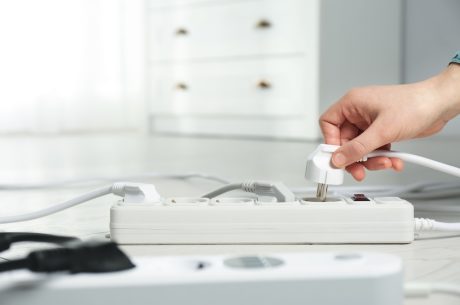
Don’t overload outlets or extension cords
Distribute lights across different circuits in your home.
Don’t use metallic trees with electric lights
Metal can become energized and lead to electric shock—NFPA strongly warns against this.
Don’t leave pets unattended around cords
Chewing can expose wires and create shock or fire hazards.
Don’t use indoor lights outside—ever
Moisture exposure is one of the most common causes of electrical holiday fires.
PuroClean: Your Trusted Partner in Fire Mitigation and Recovery
Even with the best precautions, accidents can happen—and when they do, trusted professional help matters. PuroClean of Central Southwest Houston specializes in fire and smoke damage mitigation, providing compassionate, rapid, and expert service to restore your home safely. Our certified teams use advanced cleaning, deodorization, and reconstruction techniques to help families recover after fire disasters—big or small.
We’re committed to community safety year-round, and the holidays are no exception.

 PuroClean of Central Southwest Houston