24/7 Emergency Services For Water, Fire, Mold and Biohazard in Houston, TX
Water damage restoration in Downtown Houston is critical after flooding, burst pipes, roof leaks, storm damage, appliance failures, sewage backups, and commercial water intrusions impact residential or commercial properties. Water can spread rapidly through drywall, flooring systems, insulation, ceilings, electrical systems, and structural materials, creating costly damage and operational disruption if not handled quickly. PuroClean provides emergency water damage restoration in Downtown Houston with rapid water extraction, structural drying, moisture mitigation, dehumidification, sanitization, and full restoration services throughout the Downtown Houston area.
Table of Contents
Water damage restoration is the process of removing water, drying affected structural materials, mitigating moisture damage, sanitizing contaminated areas, and restoring the property after water intrusion.
Downtown Houston properties commonly experience water damage from:
Without immediate mitigation, water can spread throughout structural systems and create long-term damage, microbial growth, odor issues, and contamination concerns.
Downtown Houston buildings face unique water intrusion risks due to dense commercial infrastructure, high-rise properties, severe weather, and aging plumbing systems.
Heavy rain and tropical storms may overwhelm drainage systems and flood lower building levels, garages, and commercial spaces.
High-rise plumbing systems and aging infrastructure may release significant amounts of water quickly.
Commercial roofing systems may fail during severe storms or prolonged heavy rain.
Condensation and drainage problems may create hidden moisture damage behind walls and ceilings.
Fire suppression systems can accidentally flood office buildings, hotels, and multifamily properties.
Drainage system failures may introduce contaminated water into the structure.
Properties affected by contaminated water may also require black water cleanup services in Houston.
Water damage becomes significantly worse the longer moisture remains inside the property.
Within hours:
Within 24 to 72 hours:
Fast mitigation helps reduce structural damage, business interruption, and restoration costs.
Downtown Houston contains a high concentration of office towers, retail spaces, apartment buildings, hotels, and commercial properties that may experience complex water damage situations.
Commercial water losses may involve:
Commercial mitigation often requires rapid extraction and structural drying to minimize downtime and operational disruption.
PuroClean follows a structured restoration process designed to stabilize and restore Downtown Houston properties efficiently.
We inspect the property, identify moisture intrusion sources, and evaluate affected materials.
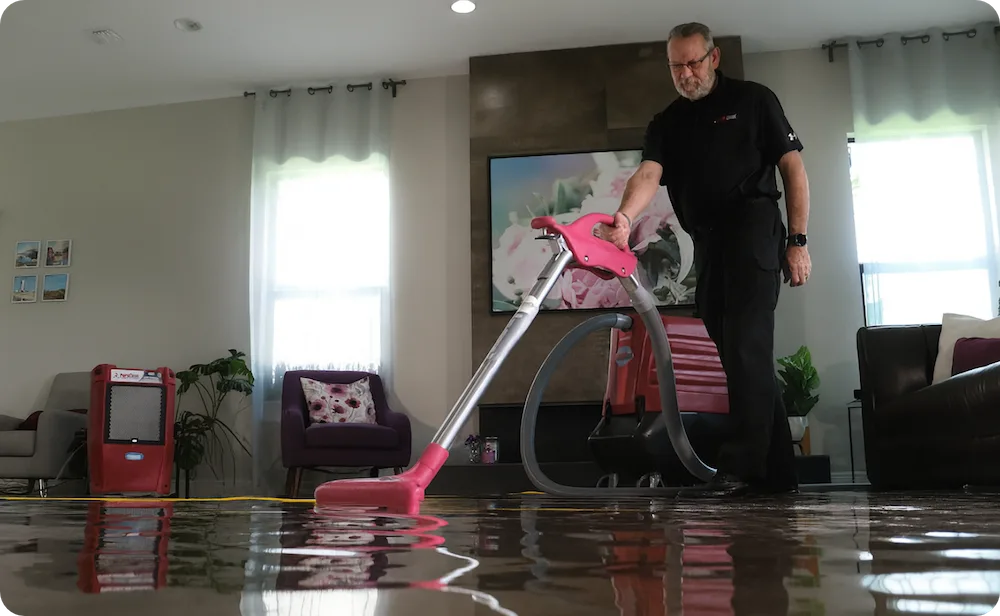
Standing water is removed using commercial extraction equipment.
Thermal imaging and moisture mapping help identify hidden moisture inside walls and flooring systems.
Industrial drying systems remove trapped moisture from structural materials.
Surfaces are cleaned and disinfected to help reduce bacterial contamination and odor issues.
Damaged drywall, flooring, insulation, and structural materials may be repaired or replaced.
Proper structural drying is one of the most important parts of water damage mitigation.
PuroClean uses:
Properties with severe flooding often require immediate emergency water extraction services in Downtown Houston.
Downtown Houston properties are vulnerable to severe flooding and storm-related water intrusion during major weather events. It happens so often that companies hire water damage restoration SEO companies to get them more of these leads
Flooding may affect:
</
Water damage can result from unexpected leaks, flooding from storms, plumbing failures, or appliance malfunctions. Our certified teams focus on rapid water removal, drying, and stabilization to help prevent further damage and mold growth.
 Explore Our Water Damage Mitigation Services
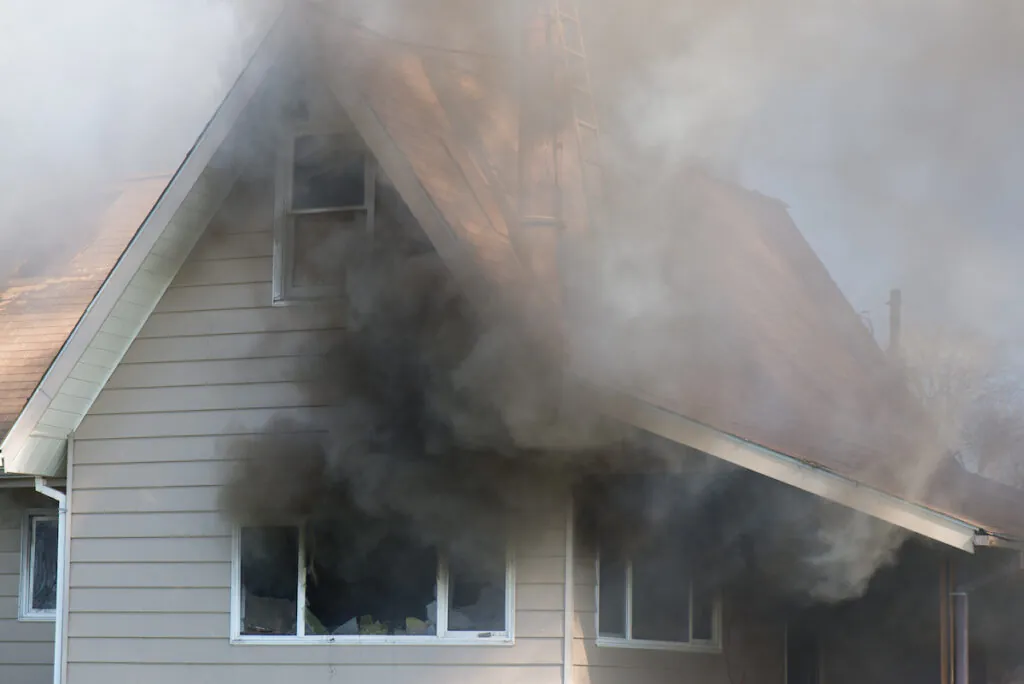
Even after a fire is extinguished, smoke, soot, and odor can continue to affect your home. Fire damage restoration services address visible damage while also helping reduce lingering effects that impact indoor air quality and surfaces.
Explore Our Fire and Smoke Damage Restoration Services
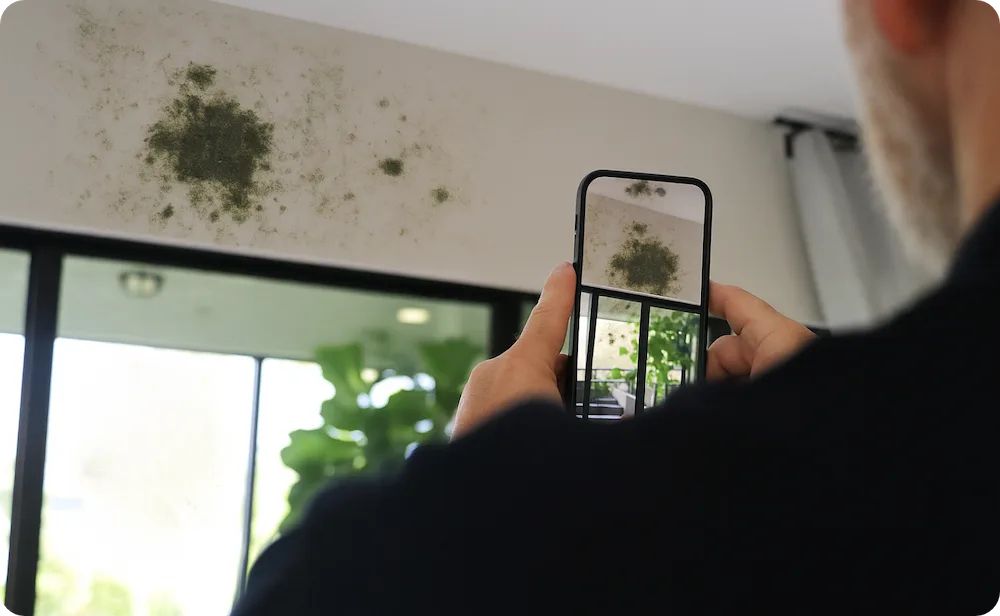
Mold often develops as a result of unresolved moisture or hidden water damage. Professional mold remediation helps identify affected areas, contain growth, and restore healthy indoor conditions.
Explore Our Mold Removal and Remediation Services
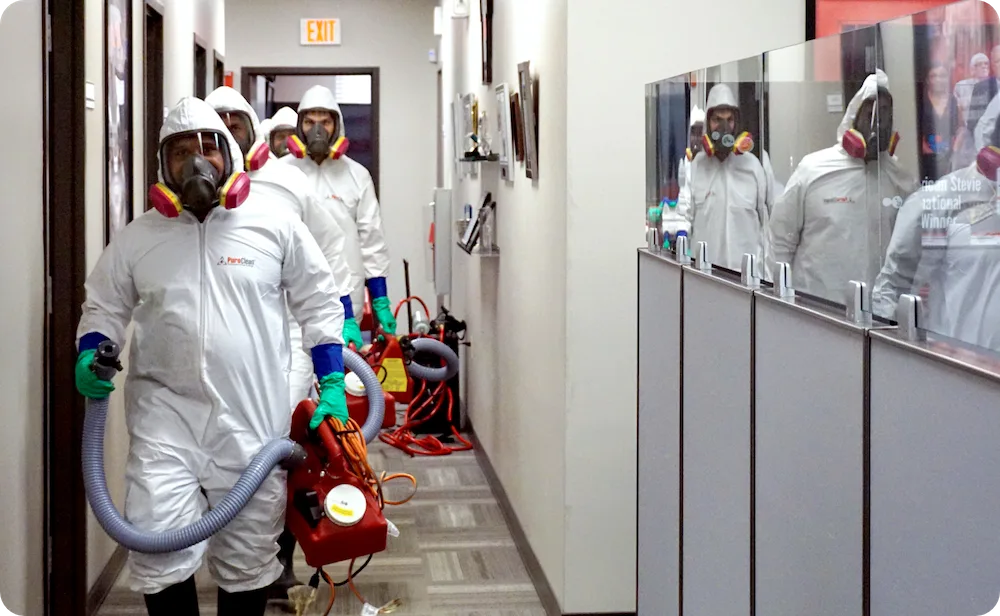
Biohazard situations, including crime scene cleanup and virus decontamination, require specialized cleaning and handling to protect health and safety. Biohazard cleanup services address contamination using proper protocols and professional care.
Explore Our Biohazard Cleanup Services
In some cases, property damage requires repairs beyond cleanup and mitigation. Reconstruction services help restore damaged areas of the home after water, fire, or other incidents, supporting a smoother transition from damage to recovery.
Explore Our Reconstruction Services Services
PuroClean provides 24/7 commercial property damage restoration services for businesses and facilities across the United States.
Explore Our Commercial Services
Water damage can result from unexpected leaks, flooding from storms, plumbing failures, or appliance malfunctions. Our certified teams focus on rapid water removal, drying, and stabilization to help prevent further damage and mold growth.
Explore Our Water Damage Mitigation Services
Find answers to common questions about our services
You can check the walls and ceilings for water stains, the floors for warping and buckling, and the pipes for corrosion, leaks, missing grout, and mold. Attics and basements may have damaged flooring, mildew or mold, dampness, and odors. Also, be sure to inspect the exterior of the home for cracked roof tiles, puddles, standing water, and whether the ground is sloping away from the house.
First, if safe, shut off the utilities in your home to avoid further damage. Don’t enter your home if it has suffered structural damage. Don’t walk through floodwater if electricity hasn’t been turned off, and avoid contaminants. Next, contact a water-damage restoration company, such as PuroClean of Central Southwest Houston , as soon as possible. Don’t wait, as water can cause mold and irremediable damage to the wood, walls, and carpet. Then, depending on the extent of the damage and the recommendation of the remediation company, contact your insurance provider to start the claim process.
There are many variables that determine whether a flooded property can be saved: the amount of water, and even more important, the amount of time the water was in/around the property. Every situation is different, and PuroClean of Central Southwest Houston expert restoration professionals can determine what can be salved once one site.
Property water damage can pose several dangers including structural instability, electrical hazards, mold and mildew growth leading to health issues, contamination from sewage or chemicals, and potential collapse of weakened structures.
Water flooding can cause extensive damage including structural damage to walls, floors, and foundations, damage to personal belongings, electrical hazards, and potential health risks from mold and bacteria growth. The longer water sits, the more severe the damage becomes.
You can check the walls and ceilings for water stains, the floors for warping and buckling, and the pipes for corrosion, leaks, missing grout, and mold. Attics and basements may have damaged flooring, mildew or mold, dampness, and odors. Also, be sure to inspect the exterior of the home for cracked roof tiles, puddles, standing water, and whether the ground is sloping away from the house.
First, if safe, shut off the utilities in your home to avoid further damage. Don’t enter your home if it has suffered structural damage. Don’t walk through floodwater if electricity hasn’t been turned off, and avoid contaminants. Next, contact a water-damage restoration company, such as PuroClean of Central Southwest Houston , as soon as possible. Don’t wait, as water can cause mold and irremediable damage to the wood, walls, and carpet. Then, depending on the extent of the damage and the recommendation of the remediation company, contact your insurance provider to start the claim process.
There are many variables that determine whether a flooded property can be saved: the amount of water, and even more important, the amount of time the water was in/around the property. Every situation is different, and PuroClean of Central Southwest Houston expert restoration professionals can determine what can be salved once one site.
Property water damage can pose several dangers including structural instability, electrical hazards, mold and mildew growth leading to health issues, contamination from sewage or chemicals, and potential collapse of weakened structures.
Water flooding can cause extensive damage including structural damage to walls, floors, and foundations, damage to personal belongings, electrical hazards, and potential health risks from mold and bacteria growth. The longer water sits, the more severe the damage becomes.
What Our Customers Say:
When you need water damage restoration services near you, call the experts at PuroClean. We are here day or night, 24/7, to help remove any standing water quickly and begin your water restoration service. We monitor the drying process so you can rest assured that your property is dried thoroughly. We offer commercial water restoration services for businesses and residential water damage restoration for homeowners.
Contact Us for 24/7 Emergency Response
(832) 856-5900
Contact Us
PuroClean of Central Southwest Houston
(832) 856-5900
3635 Willowbend Boulevard, Ste 318, Houston, TX 77054


© 2026 PuroClean. All Rights Reserved.