 PuroClean of Central Southwest Houston
 What Happens During Emergency Water Extraction in Houston
Curious how water damage water extraction works?
Table of Contents
- What Happens During Emergency Water Extraction in Houston
- Why Emergency Water Extraction Is Necessary
- Step 1: Water Damage Inspection
- Step 2: Removing Standing Water
- Equipment Used for Water Extraction
- Step 3: Structural Drying
- Step 4: Moisture Monitoring
- Step 5: Water Damage Restoration
- Why Immediate Extraction Is Critical
- When to Call Emergency Water Extraction Professionals
What Happens During Emergency Water Extraction in Houston
Emergency water extraction is the process of removing standing water from a home or commercial building after a water intrusion event. Water can quickly spread through flooring systems, drywall, insulation, and structural framing, causing extensive damage if not addressed immediately.
Houston properties often require emergency water extraction following plumbing failures, severe storms, burst pipes, and appliance leaks. Restoration professionals use specialized equipment to remove water quickly and begin the drying process.
Understanding the steps involved in emergency water extraction helps property owners respond quickly and minimize damage.
Why Emergency Water Extraction Is Necessary
When water accumulates inside a structure, it begins soaking into porous materials within minutes. Carpeting, drywall, wood framing, and insulation absorb moisture rapidly.
If standing water is not removed immediately, several problems can develop:
- Structural damage to floors and walls
- Mold growth within 24 to 48 hours
- Damage to electrical systems
- Deterioration of drywall and insulation
- Persistent moisture and odor problems
Professional Emergency Water Extraction Houston services remove water quickly and help prevent these complications.
Step 1: Water Damage Inspection
The first step in the emergency water extraction process is a thorough inspection of the affected property. Restoration technicians identify where water entered the building and determine how far moisture has spread.
Inspection tools commonly used include:
- Moisture meters
- Thermal imaging cameras
- Humidity monitoring devices
This assessment helps determine the scope of the extraction and drying process.
Step 2: Removing Standing Water
Once the inspection is complete, restoration teams begin removing standing water using powerful extraction equipment. Industrial pumps and vacuum systems can remove hundreds or even thousands of gallons of water.
Removing water quickly reduces the risk of structural damage and prevents moisture from spreading deeper into the building.
Equipment Used for Water Extraction
Professional restoration companies use specialized equipment designed for large-scale water removal.
Common extraction equipment includes:
- Submersible pumps for large water accumulation
- Truck-mounted extraction units
- High-powered wet vacuums
- Portable extraction systems for interior areas
These tools allow technicians to remove water quickly and efficiently from floors, carpets, and structural materials.
Step 3: Structural Drying
After standing water is removed, moisture may still remain trapped within building materials. Structural drying is necessary to eliminate hidden moisture.
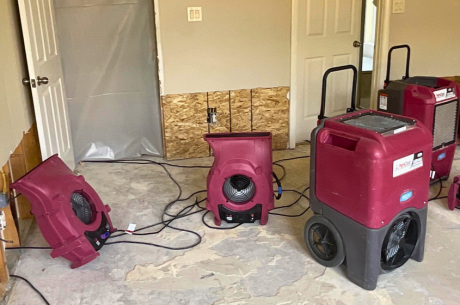
Technicians place air movers and commercial dehumidifiers throughout the affected areas to accelerate evaporation and remove moisture from the air.
This stage is an essential part of the full Water Damage Restoration Houston process.
Step 4: Moisture Monitoring
During the drying phase, restoration technicians regularly monitor moisture levels inside building materials.
Moisture readings are taken from walls, flooring, and structural framing to ensure the drying process is working effectively.
This monitoring continues until the affected materials reach safe moisture levels.
Step 5: Water Damage Restoration
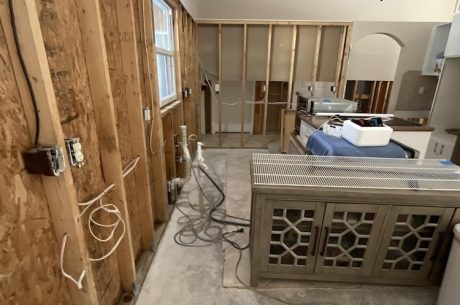
After drying is complete, any damaged materials are repaired or replaced. Restoration work may include:
- Replacing drywall
- Repairing flooring
- Repainting damaged surfaces
- Restoring cabinetry or structural materials
If flooding caused the damage, professional Flood Damage Cleanup Houston services may be required to sanitize contaminated areas.
Why Immediate Extraction Is Critical
Time is one of the most important factors in water damage restoration. The longer water remains inside a building, the greater the damage becomes.
Immediate extraction helps:
- Prevent mold growth
- Reduce structural damage
- Protect flooring and insulation
- Lower restoration costs
- Speed up the recovery process
Fast action after water damage significantly reduces long-term repair expenses.
When to Call Emergency Water Extraction Professionals
Professional restoration services should be contacted whenever standing water is present or when water damage affects multiple areas of a property.
You should contact professionals if:
- Flooding has occurred
- Water is spreading throughout the property
- Carpet or flooring is saturated
- Drywall has absorbed water
- Mold growth is suspected
Professional restoration teams have the training and equipment needed to remove water quickly and restore the property safely.
Call Now for Emergency Water Extraction in Houston
PuroClean provides professional water extraction, water damage restoration, and flood cleanup services throughout Houston and surrounding communities.

 PuroClean of Central Southwest Houston