 PuroClean of Central Southwest Houston
 Flood Risks for Downtown Houston Commercial Buildings
Table of Contents
- Flood Risks for Downtown Houston Commercial Buildings
- Why Flooding Is a Risk in Houston
- Flood Risks Specific to Downtown Houston
- Stormwater and Drainage System Overflow
- Flash Flooding During Severe Storms
- Flooding in Underground Parking Structures
- How Floodwater Affects Building Infrastructure
- How Property Managers Can Reduce Flood Risk
- Flood Damage Cleanup and Restoration
- When to Call a Flood Damage Restoration Company
Flood Risks for Downtown Houston Commercial Buildings
Flooding is a well known risk across the Houston region due to heavy rainfall, tropical storms, and the city’s flat geography. Downtown Houston contains a large concentration of commercial buildings, offices, retail spaces, and residential towers that can be affected when floodwater enters the area.
When flooding occurs, commercial buildings may experience significant water intrusion that damages flooring, electrical systems, elevators, and building infrastructure. Floodwater may also carry contaminants that require specialized cleanup procedures.
Understanding flood risks in Downtown Houston can help property owners and managers prepare for severe weather and respond quickly when flooding occurs.
Why Flooding Is a Risk in Houston
Houston receives large volumes of rainfall throughout the year. The city’s flat terrain and dense urban development can make it difficult for stormwater to drain quickly during heavy storms.
When drainage systems become overwhelmed, water can accumulate in streets and surrounding properties. This excess water may enter commercial buildings through entrances, parking areas, or structural openings.
Flood Risks Specific to Downtown Houston
Downtown Houston is surrounded by major roadways, drainage channels, and urban infrastructure that can contribute to localized flooding during severe storms.
High density development means that large volumes of rainwater must be managed by storm drains and drainage systems. When these systems are overwhelmed, water may collect in low lying areas or flow into nearby buildings.
Stormwater and Drainage System Overflow
Stormwater drainage systems are designed to move rainwater away from streets and buildings. However, during intense storms these systems may reach capacity.
When storm drains overflow, water may accumulate near building entrances or flow toward underground parking structures.
This type of flooding can cause rapid water intrusion inside commercial properties.
Flash Flooding During Severe Storms
Flash flooding can occur when heavy rainfall happens within a short period of time. Streets may become flooded quickly, especially when rainfall exceeds the capacity of local drainage systems.
Downtown Houston businesses located near major roadways or drainage corridors may experience flash flooding during intense storms.
Flooding in Underground Parking Structures
Many commercial buildings in Downtown Houston include underground or below grade parking garages. These spaces are particularly vulnerable to flooding because they sit below street level.
Floodwater entering a parking garage may damage vehicles, electrical systems, elevators, and building infrastructure.
Once water enters these areas, professional Flood Damage Cleanup Houston services are often required.
How Floodwater Affects Building Infrastructure
Floodwater can cause extensive damage to commercial building infrastructure. When water enters a building, it may affect multiple systems simultaneously.
Flood damage may impact:
- Electrical systems
- Elevators
- Mechanical equipment
- Flooring and walls
- Building foundations
Because floodwater may contain contaminants, proper sanitation and drying procedures are necessary during restoration.
How Property Managers Can Reduce Flood Risk
Although flooding cannot always be prevented, property managers can take steps to reduce risk and prepare buildings for severe weather.
Preventative strategies may include:
- Maintaining drainage systems
- Installing flood barriers
- Inspecting foundation and exterior walls
- Monitoring stormwater flow around the property
- Developing emergency response plans
These precautions can help reduce the impact of flooding during major storms.
Flood Damage Cleanup and Restoration
Flood damage restoration involves several steps designed to remove water, sanitize affected areas, and restore the property.
The restoration process may include:
- Water extraction
- Structural drying
- Sanitization and odor removal
- Removal of contaminated materials
- Property repairs
Professional restoration teams use specialized equipment to restore buildings safely after flood events.
When to Call a Flood Damage Restoration Company
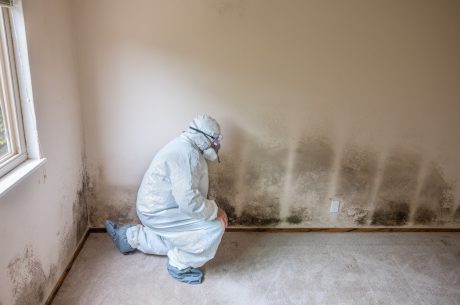
Flood damage should be addressed immediately to prevent further structural deterioration and mold growth.
You should contact restoration professionals if:
- Floodwater enters the building
- Underground parking areas flood
- Electrical systems may be exposed to water
- Standing water remains inside the property
- Structural materials become saturated
Call Now for Flood Damage Cleanup in Houston
PuroClean provides professional flood damage cleanup, emergency water extraction, and structural drying services throughout Houston and Downtown Houston.


 PuroClean of Central Southwest Houston