 PuroClean of Central Southwest Houston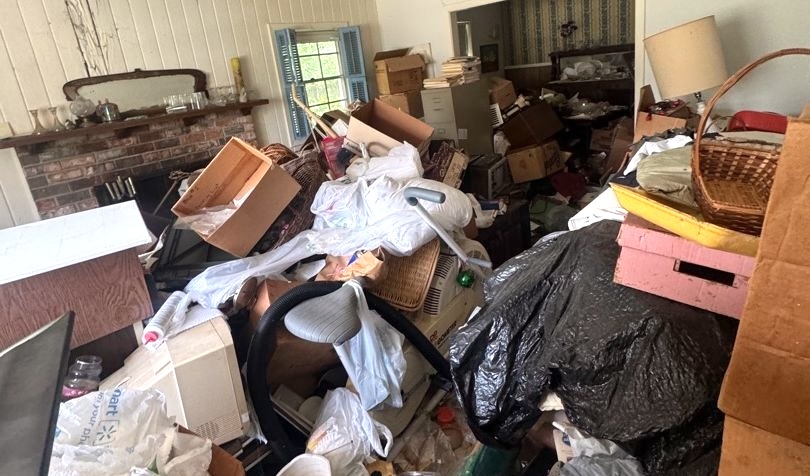
Hoarding disorder is more than excessive clutter—it’s a recognized mental health condition affecting 2–6% of Americans. For families in Houston and beyond, discovering a loved one is struggling with hoarding disorder can be a profoundly challenging and heartbreaking experience. What often starts as an accumulation of items can escalate into living conditions that pose significant health risks, strain relationships, and create an overwhelming sense of helplessness for everyone involved.
At PuroClean of Central Southwest Houston, we understand that this isn’t just about “mess” or “clutter.” It’s a complex mental health condition that requires immense patience, understanding, and a strategic approach. If you’re navigating this difficult journey, know that you’re not alone, and there are compassionate strategies that can help your family member find a path towards a safer, healthier living environment.
Understanding Hoarding Disorder: More Than Just “Collecting”
Hoarding disorder is a recognized mental health condition characterized by persistent difficulty parting with possessions, regardless of their actual value. This difficulty stems from a perceived need to save the items and distress associated with discarding them. The accumulation of possessions often leads to severely cluttered living areas that compromise their intended use, significantly impairing daily functioning and often creating unsafe conditions.

It’s crucial to distinguish hoarding from collecting or simply being untidy. Individuals with hoarding disorder often feel extreme emotional attachment to their items, believing each one holds unique value or might be needed in the future. This can be rooted in various psychological factors, including trauma, anxiety, depression, or even a genetic predisposition. For a deeper understanding of the clinical definition, resources like the American Psychiatric Association‘s DSM-5 provide comprehensive insights.
The Grave Risks of Hoarding Disorder: Health, Safety, and Well-being
The physical environment created by hoarding disorder carries severe risks, impacting not only the individual but also anyone who enters the home. In Houston’s climate, these risks can be exacerbated:
- Fire Hazards: Excessive clutter, especially paper, fabrics, and other flammable materials, creates an enormous fire load. Blocked exits, overloaded electrical outlets, and obstructed heating/cooling vents significantly increase the risk of a fire starting and spreading rapidly, making escape difficult for occupants and hindering access for emergency responders.
- Fall Hazards: Pathways become narrow or non-existent due to stacks of items, leading to a high risk of trips and falls. This is particularly dangerous for elderly individuals or those with mobility issues.
- Poor Air Quality and Respiratory Issues: Accumulated items trap dust, allergens, pet dander, and mold spores. Poor ventilation, often a consequence of blocked windows and vents, further degrades indoor air quality. This can lead to or worsen respiratory problems like asthma, allergies, and other lung conditions.
- Pest Infestations: Food scraps, dampness, and hidden spaces within the clutter provide ideal breeding grounds for rodents, insects (cockroaches, ants, bed bugs), and other pests. These infestations can carry diseases and further contaminate the living space.
- Structural Damage: The sheer weight of accumulated items can put immense stress on floors and walls, potentially leading to structural damage. Additionally, blocked pipes or leaks can go unnoticed for extended periods, leading to severe water damage and mold growth.
- Sanitation Issues: Access to kitchens and bathrooms can be obstructed, making proper hygiene difficult. This can lead to unsanitary conditions, food spoilage, and the spread of bacteria and viruses.
- Mental Health Deterioration: Living in such an environment can intensify feelings of shame, isolation, anxiety, and depression. The individual may avoid visitors, further withdrawing from social support.
At PuroClean, we frequently respond to distressed families facing these exact hazards. Our first goal is ensuring safety; then we proceed with compassionate, structured cleanup.
Will Insurance Cover Hoarding Cleanup?
A common question is whether insurance covers damage related to hoarding disorder. This is a nuanced area, and generally, the answer is: hoarding disorder itself is not covered by homeowner’s insurance. Insurance policies are designed to cover sudden and accidental damage, not damage resulting from neglect, lack of maintenance, or pre-existing conditions.
However, damage caused by the conditions of hoarding might be covered, depending on your specific policy and the cause of the damage. For example:
- Water Damage: If a pipe bursts due to freezing (a sudden event) and the resulting water damage is exacerbated by clutter preventing proper drying, the initial water damage might be covered, but the mold growth or structural issues due to delayed remediation might be disputed. If a leak goes unnoticed for months because it’s hidden by piles of items, the damage might be considered gradual and therefore excluded.
- Fire Damage: If a fire starts due to an external cause (e.g., lightning strike) and the extent of damage is worsened by the fire load from clutter, the fire damage itself would likely be covered. However, if the fire started due to overloaded circuits from excessive appliances plugged into one outlet (a common issue in hoarded homes), the insurer might investigate negligence.
- Mold Remediation: Mold that results from a sudden, covered water event might be covered, but mold from long-term dampness or neglect due to hoarding is typically not.
It is crucial for homeowners to review their specific insurance policy carefully and consult with their insurance provider immediately if damage occurs. Transparency and prompt reporting are key. A professional restoration company like PuroClean can help document the damage, which is vital for any insurance claim, but they cannot guarantee coverage for issues stemming from the hoarding condition itself.
Helping a Loved One in Denial
One of the most significant hurdles in helping a family member with hoarding disorder is denial. They may not perceive their living situation as problematic or dangerous. Confrontation, judgment, or attempts to “just clean it up” often backfire, leading to defensiveness, anger, and further isolation.
- Here are compassionate strategies to approach a loved one in denial:
- Educate Yourself: Understand that hoarding is a mental health condition, not a choice or a moral failing. This perspective shift is fundamental to approaching the situation with empathy. Resources from organizations like the International OCD Foundation (IOCDF) offer excellent educational materials.
- Focus on Health and Safety, Not Clutter: Instead of saying, “Your house is a mess,” try, “I’m worried about you falling,” or “I’m concerned about the air quality and your breathing.” Frame conversations around genuine concerns for their well-being.
- Express Concern, Not Judgment: Use “I” statements. “I am worried about your safety” is more effective than “You need to clean up.” Avoid ultimatums or threats, as these can increase resistance.
- Listen Actively: Try to understand their perspective and the emotional attachment they have to their possessions. Ask open-ended questions and truly listen to their answers without interruption or immediate solutions.
- Suggest Professional Mental Health Help: The core issue is psychological. Encourage them to see a therapist specializing in hoarding disorder or cognitive-behavioral therapy (CBT). Offer to help find a therapist or even attend the first session with them. This is often the most critical first step.
- Start Small, Build Trust: Don’t push for a massive cleanup initially. Suggest tackling a tiny, non-sentimental area, like clearing a path to the front door or a small section of a table. Celebrate small victories.
- Respect Autonomy (Within Safety Limits): While safety is paramount, try to involve them in decisions. For instance, instead of throwing things out, suggest sorting into “keep,” “donate,” “recycle,” and “discard” piles, allowing them to make the final decision on each item.
Bringing in a Remediation Professional: The PuroClean Approach
Once your family member shows a willingness to address the situation, even if it’s minimal, introducing the idea of professional help for the physical cleanup is the next sensitive step. This is where PuroClean of Central Southwest Houston can make a significant difference.
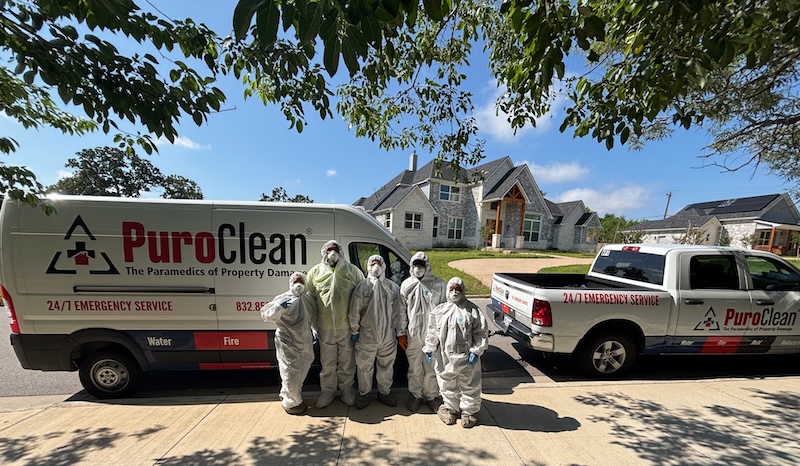
Here’s how to approach this conversation and why a professional team is essential:
- Frame it as a Health & Safety Service: Emphasize that PuroClean isn’t there to judge or throw away cherished items indiscriminately. Instead, explain that our primary goal is to create a safe, healthy, and livable environment. We focus on removing health hazards, mitigating risks, and making the home functional again.
- Highlight Discretion and Compassion: Assure your family member that PuroClean technicians are trained to handle such sensitive situations with the utmost discretion, respect, and compassion. We understand the emotional difficulty involved and work to minimize distress. Our teams are non-judgmental and focus on the task with professionalism.
- Emphasize Expertise in Biohazard & Extreme Cleaning: Explain that professionals have the specialized equipment and training to safely handle conditions that may involve biohazards, mold, pests, or extreme levels of dust and debris. This isn’t just about tidying up; it’s about deep cleaning and sanitization that DIY efforts cannot achieve.
- Focus on Efficiency and Safety: A professional team can accomplish in days what might take a family months, or even years, to do, all while ensuring safety protocols are followed. This reduces the prolonged stress on the family.
- The “Fresh Start” Concept: Frame the professional cleanup as a vital step towards a “fresh start” – a healthier foundation upon which they can rebuild their living space and their life.
- Offer a Consultation: Suggest a no-obligation consultation with PuroClean. This allows your family member to meet our team, ask questions, and understand the process without feeling pressured. Our professionals can explain how we approach the cleanup, focusing on safety and systematic organization, rather than just discarding.
- Involve Them in the Process (When Appropriate): While the bulk of the physical work will be done by professionals, involve your family member in decisions where possible. This could mean designating a “keep” area, or allowing them to oversee the packing of specific sentimental items. This maintains a sense of control.

Ongoing Support & Long-Term Care
Cleanup is just the beginning—support, therapy, and continuing care are essential.
At PuroClean of Central Southwest Houston, we are committed to helping our community navigate these challenging situations with professionalism and empathy. Our goal is to transform unsafe living environments into healthy, functional homes, providing a foundation for your loved one’s continued recovery.

If you’re in Houston and need assistance with a hoarding situation, please reach out to PuroClean of Central Southwest Houston. We’re here to offer compassionate, professional support and help your family member take the crucial steps towards a safer and healthier future.
For immediate assistance or to schedule a discreet consultation, contact PuroClean of Central Southwest Houston at (832) 856-5900.


 PuroClean of Central Southwest Houston