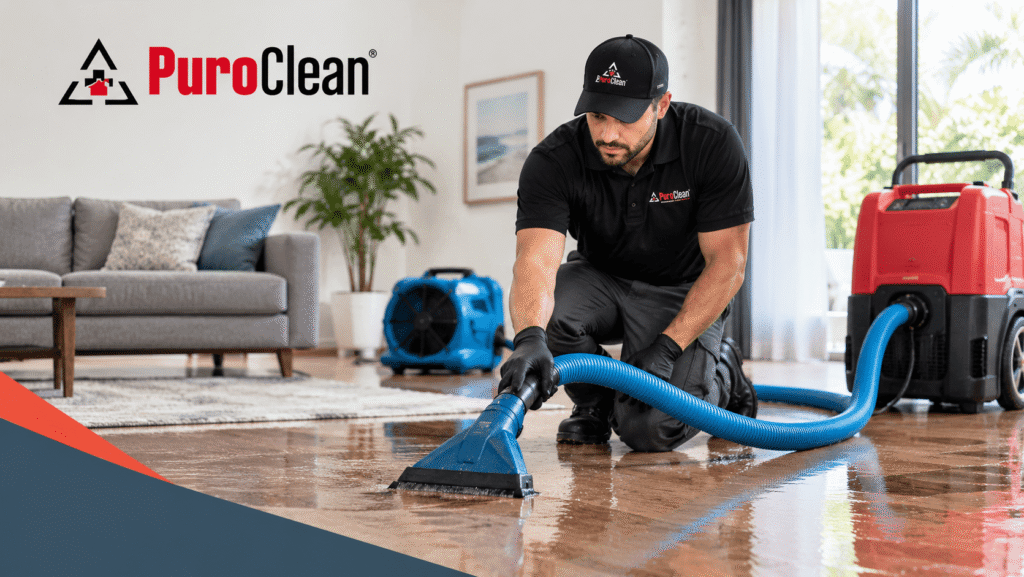
Nobody budgets for water damage, so the first question after the shock wears off is almost always about cost. The honest answer is that water damage restoration in Jacksonville, FL doesn’t have one price, because no two losses are alike. A small, quickly caught leak and a flooded first floor sit at opposite ends of the range. Instead of quoting a number that may not fit your situation, this guide explains what drives the cost, how restoration is typically priced, and how to read an estimate with confidence.
What Drives the Cost
Type of Water
Restoration professionals commonly sort water into categories. Clean water, such as from a supply line, is generally simpler to handle. Water from appliances or other sources may carry some contamination. Sewage or floodwater is considered heavily contaminated and needs extra safety steps, protective equipment, and disposal, which raises cost.
Size of the Affected Area
More square footage and more rooms mean more labor, more equipment, and more materials.
How Far the Water Has Spread
Water that has soaked into walls, subfloors, or insulation is harder to dry than water sitting on a hard surface. Moisture that travels out of sight adds time and complexity.
Materials Involved
Hardwood, carpet and padding, drywall, and insulation respond differently. Some can be dried and saved, while others typically need to be removed and replaced.
How Quickly You Act
Fast response generally limits spread and reduces the chance of mold, which can start developing within a day or two in warm, humid conditions. Delays often increase the scope of work.
Drying Time and Equipment
Air movers and dehumidifiers run for a period of days, and the number of units depends on the size and severity of the loss. Jacksonville’s humidity can make drying more demanding.
Mold
If mold has already developed, remediation is usually a separate scope with its own cost.
Contents and Structure Access
Moving, cleaning, or storing belongings, and working around difficult access, can add to the total.
How Restoration Is Typically Priced
Companies may use a mix of methods, including labor charges, equipment charges based on days in use, material and disposal costs, and in some cases pricing tied to affected area. Many insurers work from standardized price lists, which can influence how line items are written up. Ask your provider to explain which method applies to your job.
Mitigation vs. Repairs
These are two different phases, and it helps to understand both:
- Mitigation is the emergency work: stopping the damage from spreading, extracting water, removing unsalvageable materials, and drying the structure.
- Repairs and reconstruction restore the property after it’s dry: replacing drywall, flooring, cabinets, and finishes.
Some companies handle both, while others handle only mitigation. Ask what’s included so you can compare estimates fairly.
Insurance and Cost
Whether insurance helps depends on your policy and the cause of the damage. Sudden events like a burst pipe are often treated differently from gradual leaks, and flooding from outside may require separate coverage. Read your policy, report the loss promptly, and keep photos, receipts, and records. A restoration company experienced with claims can help with documentation, but your insurer makes the coverage decisions.
What a Good Estimate Looks Like
- A written scope of work describing what will be done
- Itemized labor, equipment, and materials
- Clear separation of mitigation and repair work
- Moisture readings and a drying plan
- Explanation of what could change the price, such as hidden damage or mold
Red Flags
- No written estimate
- Vague descriptions of the work
- Pressure to sign quickly or pay in full upfront
- A price far below every other quote with no explanation
- Unwillingness to explain how drying will be verified
Ways to Keep Costs Down
- Act quickly. Early response generally means less damage to repair.
- Stop the source if it’s safe to do so.
- Document everything before cleanup begins.
- Call your insurer promptly.
- Ask what can be saved, not just what must be replaced.
- Keep the area dry afterward, and fix the underlying cause.
Questions to Ask Before You Hire
- What’s included in this estimate, and what isn’t?
- How will you measure that everything is dry?
- What could increase the cost?
- Can you work with my insurance company?
- How soon can you start?
Final Thoughts
Water damage restoration cost depends on the type of water, the size of the loss, the materials involved, and how fast you respond. The best way to understand your cost is a prompt assessment and an itemized written estimate.
If you’re dealing with water damage, Puroclean.comoffers water damage restoration for homes and businesses in the Jacksonville area.
Frequently Asked Questions
1. Why do restoration estimates vary so much?
Cost depends on the type of water, the area affected, the materials involved, and how quickly the work begins.
2. Does insurance cover water damage restoration?
It depends on your policy and the cause of the loss, so review your coverage and report the damage promptly.
3. Is mold remediation included?
Not always. It’s often a separate scope if mold has developed.
4. How long does drying take?
It varies with the severity and conditions, but drying commonly takes several days.
5. Can I get an exact price over the phone?
Usually not. An on-site assessment is needed to see the extent of the damage.