 PuroClean Restoration Services
Table of Contents
As summer temperatures rise in Lanham, MD, homeowners face a combination of hidden risks that go far beyond simple discomfort. While heat can damage roofing, siding, and flooring, asbestos exposure remains a silent but serious concern—especially during home renovations or repairs. This guide explains what asbestos is, why it’s dangerous, how the summer season can make the risk worse, and what steps you can take to protect your property and health.
What Is Asbestos?
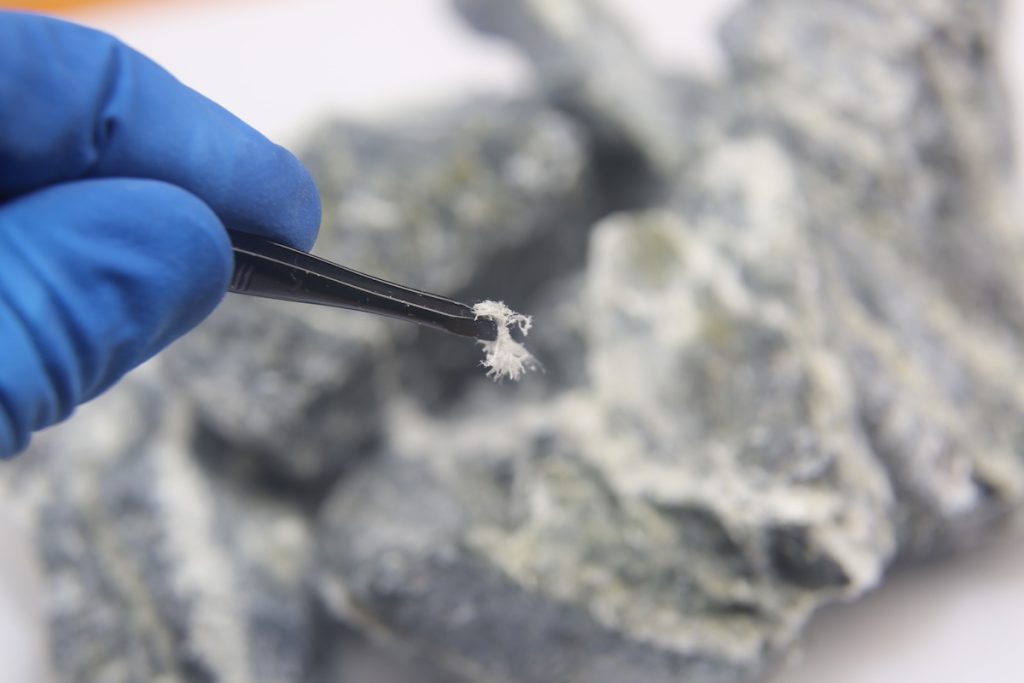
Asbestos is a naturally occurring mineral composed of thin, microscopic fibers known for their heat resistance, strength, and insulation capabilities. For much of the 20th century, asbestos was a popular building material in the U.S., commonly used in roofing shingles, ceiling tiles, flooring, insulation, and even automotive parts.
However, asbestos fibers are hazardous when disturbed. Once airborne, they can be inhaled or swallowed, becoming lodged in lung or digestive tissues. The human body cannot break them down, leading to chronic inflammation and severe diseases over time.
According to the U.S. Environmental Protection Agency (EPA), asbestos exposure remains a health risk in older buildings despite regulatory bans and restrictions on new use.
Where You Might Find Asbestos in Lanham Homes
In Lanham, MD, many homes built before 1980 still contain asbestos in some form. Common areas include:
- Insulation materials: Especially around pipes, attics, or boilers. Asbestos insulation was once prized for its ability to withstand high temperatures.
- Roofing and siding: Asphalt shingles and cement siding from earlier decades often contain asbestos fibers to improve durability.
- Floor tiles and adhesives: Vinyl floor tiles and the mastic glue beneath them frequently contain asbestos.
- Ceilings and walls: Popcorn ceilings and textured paints used mid-century often incorporated asbestos for strength and fire resistance.
- HVAC ducting: Some older duct wraps or insulation materials may still harbor asbestos.
Even if asbestos materials appear stable, disturbing them during summer renovations—like replacing flooring or repainting—can release fibers into the air. That’s why homeowners should never sand, cut, or drill into suspect materials without professional guidance.
Health Risks of Asbestos Exposure
According to the Centers for Disease Control and Prevention (CDC), asbestos exposure can cause several severe and often fatal diseases, sometimes appearing decades after exposure:
- Asbestosis: A chronic lung disease where scarring from inhaled fibers causes breathing difficulties and permanent lung damage.
- Mesothelioma: A rare, aggressive cancer affecting the lining of the lungs or abdomen, strongly linked to asbestos exposure.
- Lung cancer: Similar to cancers caused by smoking, asbestos-related lung cancer is often diagnosed late and carries a high fatality rate.
- Pleural thickening: Thickening of the lung’s lining, which can make breathing painful and restricted.
The Occupational Safety and Health Administration (OSHA) states that no level of asbestos exposure is safe. Even brief or minimal exposure can accumulate over time and cause harm.
How Summer Increases Asbestos Risks
While asbestos is a year-round concern, summer conditions and activities can make the problem worse.
1. Renovation Season
Summer is the busiest time for home improvement projects, from roof repairs and attic upgrades to kitchen and bathroom remodels. Unfortunately, many of these tasks involve disturbing materials that may contain asbestos—such as ceiling tiles, insulation, or vinyl flooring.
When these materials are cut, drilled, sanded, or removed, microscopic fibers can be released into the air and remain suspended for hours. Without proper containment or ventilation control, asbestos can easily spread throughout your home, settling on furniture, flooring, and air ducts. Even a small project can create widespread contamination if not handled by professionals trained in safe asbestos management.
2. Increased Air Circulation
Summers in Lanham are known for their warmth and humidity, which means open windows, ceiling fans, and air conditioning systems are often running around the clock. While this helps cool your home, it also increases airflow that can carry asbestos fibers from one area to another if disturbed.
Once fibers enter HVAC systems or ductwork, they can circulate continuously and resettle each time the air runs. This makes it extremely difficult to control exposure, even after the initial disturbance has ended. Homeowners who suspect asbestos in older walls, insulation, or attics should avoid using fans or central air systems in those areas until the materials have been professionally assessed.
3. Heat-Induced Deterioration
Extended exposure to high temperatures can accelerate the breakdown of older building materials. Roofing shingles, floor tiles, siding, and pipe insulation that once safely contained asbestos may begin to crack, flake, or crumble as they expand and contract in the heat.
This natural aging process can release microscopic asbestos fibers into the surrounding environment without any direct disturbance. The effect is often most severe in attics and sun-exposed areas, where temperatures can exceed 120°F. Regular inspections during the summer can help identify early signs of deterioration before they lead to dangerous fiber release.
4. DIY Hazards
Longer days and warm weather inspire many Lanham homeowners to take on DIY projects—from painting and drywall repair to floor replacement and ceiling updates. However, these well-intentioned efforts can be hazardous if your home contains asbestos. Scraping popcorn ceilings, sanding old floor tiles, or cutting through drywall are all activities that can release asbestos dust into the air.
Because asbestos fibers are invisible and odorless, you might not realize exposure is happening until it’s too late. Always assume that older homes—particularly those built before the 1980s—may contain asbestos, and never start renovation work without first testing suspicious materials through a certified asbestos specialist.
What to Do If You Find Asbestos
If you discover materials that may contain asbestos, the most important step is to stay calm and avoid disturbing them. As long as asbestos-containing materials are intact and in good condition, they usually don’t pose an immediate threat. However, if they’re cracked, damaged, or you’re planning renovations, professional removal or encapsulation becomes necessary to prevent exposure.
- Hire a Licensed Abatement Contractor: Only certified professionals have the training, equipment, and legal authorization to handle asbestos safely. They use specialized containment and filtration systems to ensure no fibers escape into your home.
- Never Attempt DIY Removal: Disturbing asbestos without proper gear and containment can release thousands of microscopic fibers into the air, creating a severe health risk. Always rely on licensed experts for inspection and cleanup.
- Inform Future Contractors: If your property contains known asbestos materials, make sure any future workers are aware so they can take the right precautions and avoid accidental disturbance.
The certified professionals have the specialized tools, protective equipment, and expertise needed to manage this common yet serious health hazard safely.
While PuroClean Restoration Services of Lanham, MD does not perform asbestos removal directly, our team coordinates closely with licensed abatement contractors and insurance adjusters to ensure your property is restored safely and meets all local and federal standards.
If you’re concerned about possible asbestos in your home or business, call PuroClean Restoration Services at (301) 277-2755 to schedule a professional inspection and testing consultation today.
FAQs About Asbestos and Summer Safety
1. Can heat make asbestos more dangerous?
Not directly, but summer heat can weaken or crack older materials that contain asbestos, making fiber release more likely—especially during renovations.
2. How do I know if my home has asbestos?
The only reliable way is through laboratory testing. Contact PuroClean Lanham or a licensed asbestos inspector to collect and analyze samples safely.
3. Can I remove asbestos myself?
No. DIY removal is dangerous and illegal in many states. Always hire certified professionals who follow federal and state safety protocols.
4. What should I do if I suspect asbestos during a project?
Stop work immediately, seal off the area, and contact a remediation expert. Avoid sweeping or vacuuming, as that can spread fibers further.
5. Does homeowner’s insurance cover asbestos removal?
It depends on the policy and cause of exposure. Some plans cover removal if asbestos was released during a covered event, like a fire or storm.
Summary
- Asbestos exposure risks rise during summer renovations and repairs.
- The mineral is highly toxic and can cause lung cancer and mesothelioma.
- Never disturb old insulation, tiles, or ceilings without testing first.
- Stay proactive with regular home maintenance during Maryland’s hot summers.



 PuroClean Restoration Services