


In many cases, you can stay in your home during mold remediation, as long as the work area is properly contained and you stay out of it. Whether staying is the right choice depends on how large the affected area is, where it is in the home, and who lives there. Households with young children, pets, or anyone with asthma, allergies, or other respiratory concerns may need a different plan.
This guide from PuroClean of Lanham, MD explains what containment does, when staying home is reasonable, and how to prepare your household for the work to know if actually can you stay in your home during mold remediation?. Mold problems often begin with a leak or flood, and this water damage restoration project completed in Lanham, MD is an example of the work that can come first.
Key Takeaways
- Containment separates the work area from the rest of the home, which is what makes staying possible in many cases.
- Staying is usually more practical when the affected area is limited and sits away from bedrooms, the kitchen, and shared HVAC returns.
- Larger projects, or work affecting the HVAC system or main living areas, may make a temporary stay elsewhere the easier choice.
- Anyone with health concerns should ask their doctor whether staying in the home during the work is a good idea for them.
- The length of the disruption depends on the size of the job, the materials involved, and whether moisture problems need to be fixed first.
What Does Containment Do During Mold Remediation?
Containment keeps the work area separate from the rest of your home. It is the main reason many households can stay put while remediation happens.
A professional containment setup typically includes:
- Physical barriers. Plastic sheeting seals off the work area, with a zippered or flapped entry for technicians.
- Negative air pressure. Air scrubbers with HEPA filters pull air out of the contained space and filter it, so air flows into the work area rather than out of it.
- Sealed vents and openings. HVAC registers, returns, and doorways inside the work area are covered so the system doesn’t carry disturbed particles through the house.
- Controlled removal. Affected materials such as drywall or carpet pad are bagged inside the containment before they are carried out.
The scale of containment depends on the job. A small area may need only a simple barrier, while a larger project can involve sealing off an entire room or level. Ask your remediation team to walk you through the containment plan before work begins.
When Is Staying Home Reasonable, and When Is It Not?
Staying home is often reasonable when the work is limited and well contained. It may be worth making other plans when the project is large or touches the parts of the home you use every day.
The table below compares common situations on each side, so you can see where your project fits.
| Staying home is often reasonable when | A temporary stay elsewhere may make sense when |
|---|---|
| The affected area is small and in one room | Mold affects several rooms or a large area |
| The work area is away from bedrooms and the kitchen | The work is in a bedroom, kitchen, or only bathroom |
| The HVAC system isn’t involved | Mold is in ductwork or the HVAC system needs to be shut down |
| You can keep everyone out of the work area | Young children or pets can’t reliably be kept away |
| No one in the home has respiratory concerns | Someone has asthma, allergies, or a weakened immune system |
In its guide to mold, moisture, and your home, the U.S. Environmental Protection Agency (EPA) advises anyone with health concerns to consult a health professional before cleanup begins. If anyone in your home falls into that group, ask their doctor before deciding to stay.
What About Kids, Pets, and Sensitive Family Members?
The goal is to keep anyone who doesn’t need to be near the work away from it, especially those most likely to wander in.
- Children. Explain that the work area is off limits, and consider keeping doors to that part of the home closed or blocked. Plan quiet activities in rooms far from the containment.
- Pets. Keep pets in a room away from the work, or arrange a stay with family or a boarding facility during the busiest days. Equipment noise and unfamiliar people can also stress animals.
- People with respiratory sensitivities. Talk with their doctor before the work starts. Some families choose to have that person stay elsewhere during removal, even when the rest of the household stays.
How Long Does Mold Remediation Disrupt the Home?
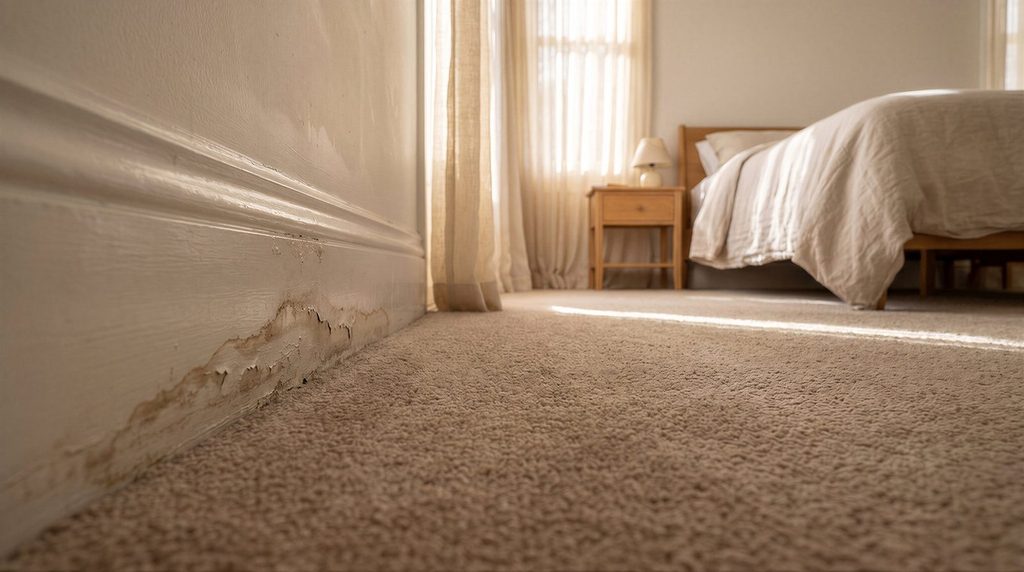
The disruption depends on the size of the affected area, the materials that need to be removed, and whether the underlying moisture problem has to be repaired first. A small, contained job may affect one room briefly. A larger project can take longer and may involve several stages.
Remediation usually follows a general sequence:
- Inspection and assessment to identify the affected area and the moisture source.
- Fixing the moisture problem. The EPA says the key to mold control is moisture control. If a leak or past water damage caused the growth, it needs to be addressed.
- Containment setup before any materials are disturbed.
- Removal and cleaning of affected materials and surfaces.
- Drying and final checks before the containment comes down.
- Rebuild or restoration of removed materials, if needed.
Ask your remediation team for a project timeline before the work begins, so you can plan around the noisiest and most disruptive days.
Plan Your Mold Remediation With PuroClean of Lanham, MD
If you’ve found mold in your home, the PuroClean of Lanham Team can assess the affected area and explain what the work will involve, including the containment setup and what it means for your household. PuroClean of Lanham, MD provides mold remediation for homes in the Lanham area and can help identify the moisture source so it can be addressed.
Contact PuroClean of Lanham, MD or call (301) 277-2755.
Frequently Asked Questions
Is It Safe to Stay in a House With Mold During Remediation?
It depends on how much mold is present, where it is, and the health of the people in the home. Proper containment is designed to keep the work area separate from living spaces. Anyone with health concerns should ask their doctor before deciding to stay.
Can I Clean Up Mold Myself Instead of Hiring a Professional?
In most cases, you can handle a moldy area of less than about 10 square feet (roughly 3 feet by 3 feet) yourself, according to the EPA’s mold cleanup guidance. The EPA also says the water problem has to be fixed, or the mold will most likely come back.
For larger areas or extensive water damage, the EPA points to its guidance for larger remediation projects. If sewage or other contaminated water caused the damage, it recommends a professional experienced with that kind of cleanup. If the mold followed a leak or flood, professional water damage restoration may be needed before remediation begins.
Do I Need to Leave if There Is Mold in My HVAC System?
Not always, but the system usually needs to be shut down while it is cleaned. Depending on the season and how long the work takes, that can make staying elsewhere more comfortable.
Does Homeowners Insurance Cover Mold Remediation?
Coverage depends on your policy and on what caused the mold. Some policies treat mold from a sudden water event, such as a burst pipe or a sprinkler system leak, differently from mold caused by long-term moisture or maintenance issues, so check with your insurance agent.