 PuroClean Restoration Services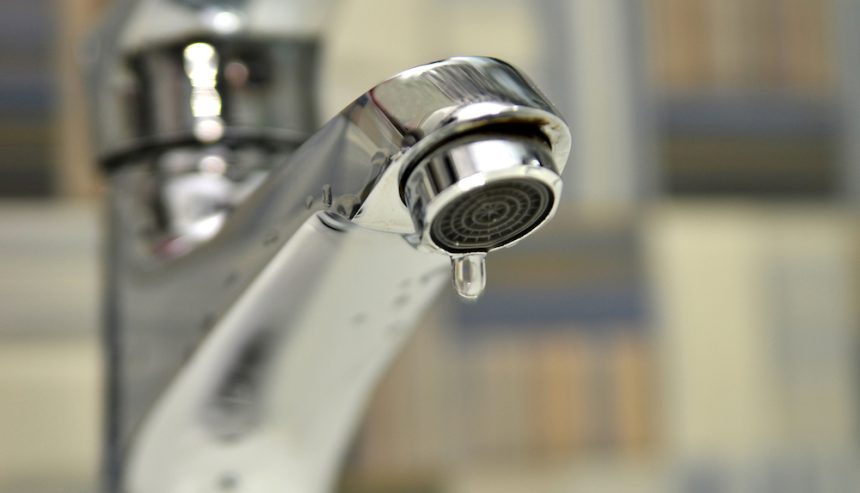
Table of Contents
A small plumbing leak might seem like a minor nuisance—just a few drops under the sink or a damp spot on the wall. But in reality, even the tiniest leak can cause major damage over time. From hidden mold growth to structural weakening, leaks can silently wreak havoc on your Lanham, MD home if left untreated.
Understanding how to recognize, prevent, and respond to plumbing leaks is key to protecting your property and saving on costly repairs. The experts at PuroClean Restoration Services of Lanham, MD explain the signs of a leak, the dangers of ignoring one, and what to do when water damage strikes.
What Is a Plumbing Leak?
A plumbing leak occurs when water escapes from your home’s pipes, fixtures, or plumbing systems—often due to corrosion, loose connections, or damage. Leaks can happen anywhere: under sinks, behind walls, beneath floors, or even underground. While some leaks are easy to spot, many go unnoticed until they cause visible water damage or mold growth.
According to the EPA, household leaks waste nearly 10,000 gallons of water each year—enough to fill a swimming pool. Addressing small leaks promptly saves water, prevents costly damage, and protects your home’s foundation and indoor air quality.

How to Recognize a Potential Plumbing Leak
Some leaks are obvious—you’ll see or hear water dripping. But others can hide for months, slowly soaking into your floors, drywall, or insulation. Watch for these early warning signs that a plumbing leak may be lurking in your Lanham home:
- Sudden drop in water pressure: If your faucets or shower lose pressure, it could mean water is escaping somewhere in your plumbing lines.
- Wet or discolored spots on walls or ceilings: Stains, warping, or peeling paint often indicate moisture trapped behind the surface.
- Unexplained odors: A musty or earthy smell could signal hidden mold from a slow leak inside walls or under flooring.
- Visible mold or mildew: Mold thrives in damp environments—especially near plumbing fixtures or under sinks.
- Condensation or corrosion on metal parts: Rusted screws, valves, or fittings may point to ongoing water exposure.
- Higher water bills: A sudden increase without changes in water use is often a clear indicator of a hidden leak.
- Sagging ceilings or warped floors: These structural changes suggest water is pooling beneath the surface.
- Sounds of dripping or trickling: Hearing water when all taps are off can indicate a leak behind walls or floors.
If you notice any of these symptoms, contact a licensed plumber or a water damage restoration specialist like PuroClean Lanham for an inspection before the damage worsens.
The Dangers of Ignoring a Plumbing Leak
Even a slow, steady drip can cause significant damage over time. Here are some of the major risks homeowners face when plumbing leaks go unaddressed:
1. Structural Damage
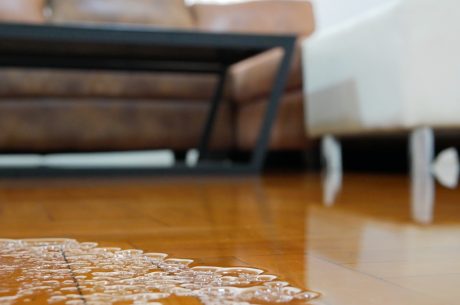
Water is one of the most destructive forces in a home. Over time, a leak can weaken drywall, warp flooring, and rot wooden framing, compromising the integrity of your structure. You may start to notice sagging ceilings, cracked walls, or soft spots underfoot as moisture spreads through floors and foundations. In Lanham’s climate—where humidity already affects building materials—hidden water damage can worsen quickly. The longer a leak goes unrepaired, the more extensive and costly the reconstruction becomes.
2. Mold and Mildew Growth
Damp, enclosed spaces caused by leaks are ideal conditions for mold and mildew to thrive. These fungi can begin to grow within 24–48 hours of moisture exposure and spread rapidly through walls, insulation, and flooring. Beyond damaging materials, mold releases airborne spores that can trigger allergies, asthma, and respiratory issues, especially in children and seniors. Lanham’s warm, humid summers create an environment where unchecked leaks almost always lead to mold infestations if not addressed quickly.
3. Burst Pipes
A small leak might be the early warning sign of a weak or corroded pipe. Continuous dripping erodes pipe material from the inside, gradually increasing pressure until the pipe ruptures. When this happens, you’re no longer dealing with a small puddle but a flood that can soak drywall, flooring, and electrical systems. In older Lanham homes with aging plumbing or fluctuating temperatures, burst pipes are a frequent and costly consequence of ignoring minor leaks.
4. Wasted Water and Higher Bills
That quiet drip under your sink may seem harmless, but it can waste thousands of gallons of water each year. According to the U.S. Environmental Protection Agency (EPA), a faucet leaking just one drop per second wastes over 3,000 gallons annually—equivalent to 180 showers. Over time, this unnecessary waste shows up in your utility bills. Fixing small leaks promptly saves water, cuts costs, and contributes to environmental conservation, which is increasingly important in growing Maryland communities.
5. Water Contamination
Leaks don’t just waste clean water—they can also introduce contaminants into your plumbing system. When water pressure drops due to a leak, it creates a vacuum effect that allows dirt, bacteria, or chemicals to enter through tiny cracks or loose fittings. Contaminated water can pose serious health risks if it’s used for cooking, drinking, or bathing. This issue is especially concerning in homes with older pipe materials, which may corrode or release harmful substances over time.
6. Fire Hazards
Few homeowners realize that a plumbing leak can also lead to electrical fires. Because water lines often run near outlets, wiring, or junction boxes, even a slow leak can short out circuits or corrode wires behind walls. Moisture combined with electricity is a dangerous mix that can result in sparks, smoke, or even a hidden fire hazard. If you ever notice water stains near electrical outlets or light fixtures, turn off the power in that area immediately and contact a professional.
7. Toxic Fumes or Sewer Gases
If the leak involves your drain or sewage lines, the problem becomes an urgent health emergency. Cracked or broken sewer pipes can release toxic gases like methane, ammonia, and hydrogen sulfide into your home. These fumes are not only foul-smelling but can cause headaches, nausea, dizziness, or respiratory distress. Long-term exposure can be dangerous to your health and requires immediate professional remediation. Sewer leaks should never be ignored—they indicate a serious plumbing failure that can escalate quickly.
Common Causes of Plumbing Leaks
Understanding what causes plumbing leaks helps you prevent them in the first place. Here are the most common culprits:
- Aging or corroded pipes: Older homes in Lanham often have galvanized steel or copper pipes that corrode over time. This weakens the material and leads to cracks or pinhole leaks, especially in humid areas like basements. Replacing old pipes with PEX or PVC helps prevent recurring issues.
- Loose fittings or connections: Water pressure, vibration, or poor installation can cause joints and seals to loosen gradually. These leaks often occur under sinks, behind walls, or near appliances. Regular inspections can catch them before they worsen.
- High water pressure: Water pressure that’s too strong puts stress on pipes and valves, eventually causing cracks or bursts. Ideal home pressure should stay between 40–60 psi. A pressure regulator can help keep it safe and steady.
- Clogged drains: Grease, hair, or debris can block pipes, creating pressure buildup that forces water through weak spots. Outdoor clogs from soil or leaves can have the same effect. Routine drain cleaning prevents unnecessary strain.
- Temperature changes: Rapid shifts between hot and cold cause pipes to expand and contract, which weakens joints and increases the risk of leaks—especially in uninsulated or exposed areas. Insulating pipes can help avoid this.
- Tree root intrusion: Tree roots naturally seek moisture and can infiltrate underground pipes, especially older sewer lines. This leads to blockages, cracks, or leaks in your yard. Sewer line inspections can catch root intrusion early.
Regular inspections and preventative maintenance are key to avoiding surprise leaks and costly damage.
When to Call a Professional
If you suspect a plumbing leak, the best step is to contact a professional immediately. DIY repairs often mask the problem temporarily without fixing the root cause.
At PuroClean Restoration Services of Lanham, MD, our certified technicians specialize in water damage assessment, leak cleanup, and structural drying. Using advanced moisture detection equipment, we locate hidden leaks and restore affected areas quickly and safely. Call (301) 277-2755 for 24/7 water damage emergency services.
FAQs About Plumbing Leaks
1. How do I know if I have a hidden plumbing leak?
Look for unexplained increases in water bills, damp walls or ceilings, musty smells, or the sound of dripping when water isn’t running.
2. Can a small leak cause major damage?
Yes. Even slow drips can lead to mold growth, structural deterioration, and electrical hazards if ignored.
3. How long does it take to repair water damage from a plumbing leak?
Depending on severity, cleanup and drying may take 2–5 days, while full restoration can take longer if repairs are needed.
4. Does homeowners insurance cover plumbing leaks?
Most policies cover sudden or accidental leaks, but not damage from long-term neglect. Always report leaks early to your insurer.
5. What should I do if I find water near an electrical outlet?
Turn off power to the affected area immediately and call a licensed professional or PuroClean Lanham for emergency assistance.
Summary
- Small plumbing leaks can lead to mold, structural damage, and high costs.
- Watch for signs like wet spots, odors, or higher water bills.
- Take preventative measures with regular inspections and maintenance.
- Call PuroClean Lanham for fast, professional leak cleanup and water damage restoration.
- Acting quickly saves money, prevents damage, and protects your family’s health.


 PuroClean Restoration Services