



Table of Contents
To prevent summer rain water damage in Lanham, MD, move water away from your foundation (correct grading, extended downspouts), slow and absorb runoff (rain gardens, swales, permeable pavers), fix chronic pooling (French drains), stabilize slopes (retaining walls + vegetation), and protect bare soil (mulch + native plants). If water intrudes, call PuroClean Restoration Services of Lanham, MD for rapid extraction, structural drying, and mold prevention.
Why Summer Rain Water Damage Hits Maryland Homes Hard
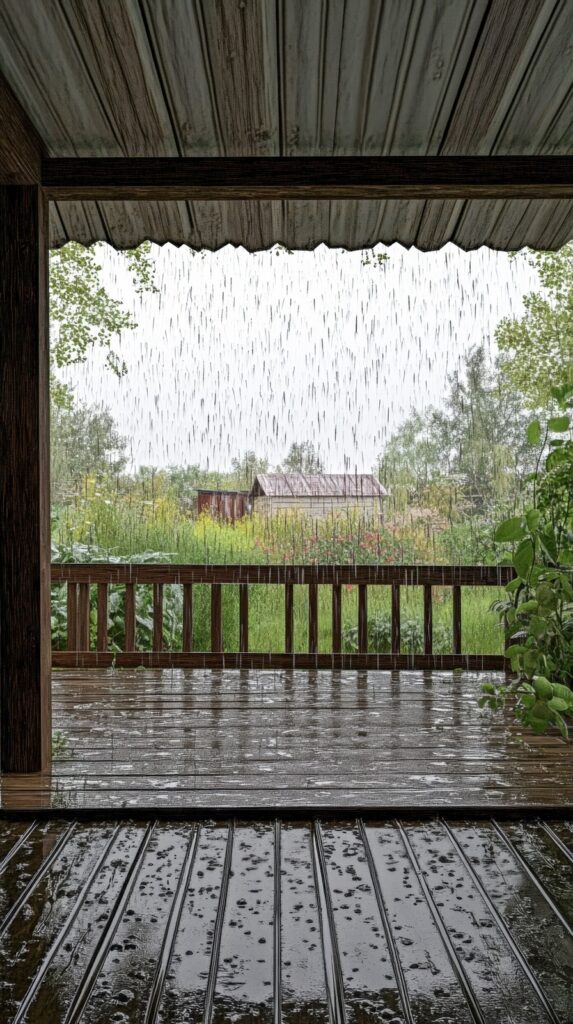
Short, intense thunderstorms and humid air are a summer staple across Prince George’s County. In Lanham, Bowie, Greenbelt, Hyattsville, and College Park, downpours can overwhelm gutters and yards, pushing water toward basements and crawlspaces. The combination of clay-heavy soils (slow to drain) and impervious surfaces (driveways, patios) increases runoff, erosion, and foundation seepage. The best defense is a landscape and drainage plan that captures, redirects, and infiltrates stormwater before it reaches your home.
1. Proper Grading: Keep Water Off Your Foundation
A correctly graded yard is one of the most effective ways to prevent summer rain water damage. The ground around your home should slope away from the foundation, guiding stormwater downhill instead of allowing it to pool near basement walls.
- Target slope: Aim for a gradual 6-inch drop over the first 10 feet from your home’s perimeter. This simple adjustment can dramatically reduce the risk of basement leaks and foundation cracks.
- Fill low spots: After heavy Lanham storms, walk your yard and mark where puddles collect. Use quality topsoil to fill depressions or regrade those areas so water flows outward.
- Downspout extensions: Roof runoff is a major source of foundation seepage. Attach extensions or splash blocks to downspouts to direct water 6–10 feet away from your home, or connect them to buried drainage pipes.
- Mind hardscapes: Patios, sidewalks, and driveways should also slope away from your house. Even small dips can funnel water back toward your foundation.
- Lanham tip: The region’s dense, clay-heavy soil holds moisture longer. Improve infiltration by mixing compost into the top 10–15 feet around the house. This boosts drainage and prevents water from pooling after intense summer rainfall.
2. Rain Gardens: Absorb Excess Runoff—Naturally
A rain garden is a shallow, planted basin that captures roof/driveway runoff and lets it soak in slowly instead of racing toward your foundation.
- Placement: Install your rain garden slightly downslope from downspouts or along a natural flow path. It should sit at least 10 feet from your home to prevent backflow.
- Soil mix: A custom sand, compost, and topsoil blend promotes deep infiltration while supporting plant health.
- Depth and structure: Most gardens are 4–8 inches deep with a level base and an overflow outlet leading to the lawn or another drainage zone.
- Maryland natives: Choose resilient local plants like black-eyed Susan, switchgrass, blue flag iris, Joe-Pye weed, and purple coneflower. These thrive in alternating wet-dry cycles and require little upkeep.
- Added benefits: Rain gardens don’t just control water—they also filter pollutants, attract pollinators, and enhance curb appeal, making them a smart investment for Maryland homeowners.
Besides protecting your home, rain gardens add pollinator habitat and curb appeal.
3. Swales: Quietly Redirect Stormwater
A swale is a shallow, vegetated channel that slows and guides water to a safe destination (rain garden, dry well, or approved discharge).
- Gentle grade: A swale should have a gradual slope—steep enough for flow, but shallow enough to prevent erosion. Water should move slowly rather than rush.
- Vegetation matters: Plant deep-rooted grasses, native sedges, or groundcovers to stabilize the soil and help absorb moisture.
- Armor high-flow areas: Where water concentrates, line the channel with river rock, gravel, or turf reinforcement mats to prevent scouring.
- Neighbor coordination: In neighborhoods like Lanham or Greenbelt, work with adjacent homeowners to design swales that cooperate rather than conflict, ensuring one property doesn’t push runoff onto another.
Coordinate with neighbors along property lines so swales don’t push runoff next door.
4. Trees & Shrubs: Nature’s Stormwater System
Strategically placed trees and shrubs intercept rainfall, pull moisture from soil, and anchor slopes.
- Choose the right species: Opt for water-tolerant, deep-rooted varieties like river birch, willow, red maple, or swamp white oak, which thrive in Maryland’s wet soils.
- Mulch wisely: Apply a 2–3-inch mulch layer to conserve moisture and suppress weeds, but keep it a few inches away from trunks to prevent rot.
- Plant on contour: Arrange shrubs and small trees along the natural slope lines of your yard. This slows water movement and minimizes soil erosion.
- Eco-benefit: In addition to drainage control, vegetation improves air quality, supports wildlife, and enhances the overall health of your yard.
Green infrastructure complements your hard drainage solutions and reduces maintenance.
5. French Drains & Permeable Surfaces: Tackle Chronic Pooling
Where water repeatedly stands or basements seep, add a French drain: a gravel trench with perforated pipe that collects and redirects groundwater.
- How it works: A French drain is a gravel-filled trench containing a perforated pipe that captures water and redirects it downhill.
- Integrate trouble zones: Connect downspouts, swales, or low areas to the drain for efficient collection.
- Choose the right outlet: Discharge the system to a daylight slope, dry well, or approved municipal storm drain. Avoid sending it onto neighboring lots.
- Permeable options: Replace traditional hardscapes with permeable pavers, gravel paths, or porous concrete to increase infiltration and reduce runoff.
- Safety tip: Before digging, call 811 (Miss Utility) to mark underground cables and pipes—especially important in older Lanham neighborhoods with mixed infrastructure.
6. Retaining Walls & Slope Barriers: Control the Hillside
On steeper lots, retaining walls and biodegradable wattles/coir logs slow water, hold soil, and redirect flow.
- Design with drainage: Every retaining wall should include weep holes, gravel backfill, and a drainpipe to relieve pressure and prevent water buildup.
- Terrace long slopes: Break steep yards into a series of shorter, level “steps” that slow water and give it time to absorb into the soil.
- Use natural barriers: Eco-friendly options like coir logs or straw wattles slow water flow and encourage infiltration while blending into the landscape.
- Check local permits: For large or load-bearing walls, verify permit and engineering requirements with Prince George’s County before construction.
7. Mulch & Native Groundcovers: Shield the Soil
Heavy rain strips bare soil quickly.
- Apply mulch correctly: Use 2–3 inches of shredded hardwood, bark, or leaf mulch. This reduces erosion, maintains soil temperature, and prevents compaction.
- Plant native groundcovers: Options like sedges (Carex), ferns, creeping phlox, and foamflower thrive in Maryland’s humid summers and create a living, protective layer.
- Boost infiltration: If rain runs off without soaking in, mix compost into garden beds to restore soil structure.
- Low maintenance, high impact: Together, mulch and native plants retain moisture, reduce runoff, and naturally reinforce your yard’s resilience against summer downpours.
This low-maintenance combo strengthens your landscape against storm cycles.
FAQs: Summer Rain Water Damage
Q1: How do I know if grading is my problem?
Look for ponding near the foundation, damp basement corners after storms, or mulch washing downslope. A string-level check from the wall reveals if soil pitches the wrong way.
Q2: Will a rain garden attract mosquitoes?
Properly built rain gardens drain within 24–48 hours, too fast for mosquito breeding. A gravel forebay helps trap sediment and keep water moving.
Q3: Can I DIY a French drain?
Short runs are possible, but depth, fabric, pipe slope, and discharge are critical. For foundation seepage or long trenches, hire a pro to avoid redirecting water back toward the house.
Q4: How soon must I dry a wet basement?
Immediately—start removal and drying within 24–48 hours to help prevent mold and odor. If walls or floors are saturated, call PuroClean Lanham.
Q5: Do I need a permit for drainage work?
Grading changes, retaining walls, and right-of-way outlets may require permits or reviews. Check Prince George’s County rules before you start.
Conclusion: Maryland Summers Bring Rain—Be Ready
Summer rain water damage doesn’t have to be inevitable. With the right mix of grading, capture (rain gardens, swales), conveyance (French drains), permeable surfaces, and soil protection (mulch + natives), you can dramatically reduce flooding, erosion, and repair costs. When storms overwhelm your defenses, PuroClean Lanham is ready to respond—fast, professional, and thorough—to restore your home and peace of mind. Call (301) 277-2755 for immediate help.
Summary
- Slope soil away from the house; extend downspouts 6–10′.
- Add rain gardens, swales, and French drains to redirect/absorb runoff.
- Upgrade hardscapes to permeable pavers to cut stormwater volume.
- Stabilize slopes with retaining walls, mulch, and native plants.
- For intrusions, call PuroClean Lanham at (301) 277-2755 for 24/7 restoration.
Explore more helpful articles: