 PuroClean Restoration Services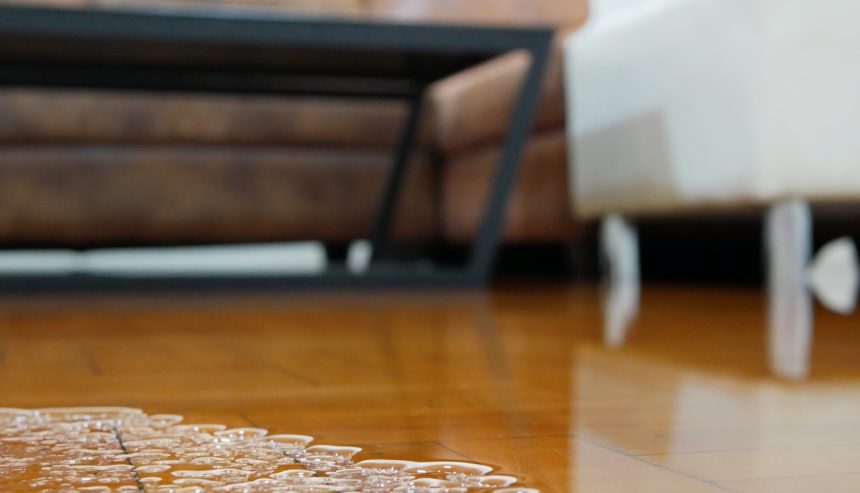
Table of Contents
Water damage dangers often start small but can escalate quickly into serious structural, health, and safety problems. Even minor leaks or unnoticed moisture can weaken your home, promote mold growth, and create electrical hazards if left unaddressed. For homeowners in Lanham, understanding these risks—and acting early—is key to preventing costly repairs and long-term damage.
What Are Water Damage Dangers?
Water damage dangers refer to the wide range of problems caused when unwanted water enters or remains inside a home. This can include damage from leaks, flooding, appliance failures, or poor drainage.
The risks extend beyond visible stains or damp floors and often affect hidden structural elements and indoor air quality.
Structural Damage Caused by Water

Water damage can wreck your home!
Foundation and Framing Issues
When water infiltrates the foundation or structural framing, it can compromise your home’s stability. Excess moisture in soil around the foundation may cause cracking, shifting, or uneven settling.
Over time, this can result in sloped floors, stuck doors, and structural stress.
Wall and Ceiling Damage
Water trapped in walls can cause paint to bubble, drywall to crumble, and wood framing to rot. Ceilings may sag or stain due to roof leaks, plumbing failures, or condensation in attic spaces.
If ignored, ceiling damage can progress to collapse, creating serious safety risks.
Flooring Deterioration From Water Damage
Different flooring materials respond differently to moisture, but all are vulnerable.
- Hardwood: Can warp, cup, or buckle when exposed to water
- Carpet: Quickly absorbs water, promoting mold growth in padding
- Tile and laminate: Water can seep underneath, damaging subfloors
Early drying is critical to preventing permanent flooring damage.

Significant mold and mildew can grow as a result of water damage.
Mold and Mildew Growth
One of the most serious water damage dangers is mold growth. Mold can begin developing within 24–48 hours of water exposure.
Why Mold Is a Health Concern
Mold spores released into the air may cause:
- Respiratory irritation
- Allergic reactions
- Worsening asthma symptoms
Hidden mold behind walls, under floors, or in HVAC systems often requires professional remediation.
Electrical System Hazards
Water and electricity are a dangerous combination. Water damage can compromise wiring, outlets, and appliances.
Common risks include:
- Short circuits and power outages
- Corrosion of electrical components
- Increased risk of electrical fires
Any water-exposed electrical system should be inspected before use.
Insulation and Energy Efficiency Loss
Wet insulation loses its ability to regulate indoor temperature and can increase energy costs.
- Fiberglass insulation: Loses effectiveness and may harbor mold
- Cellulose insulation: Absorbs water easily and can sag or decay
Damaged insulation often needs to be removed and replaced to restore efficiency.

Your home’s air quality can deteriorate from water damage.
Indoor Air Quality Problems
Water damage can significantly degrade indoor air quality, even after visible moisture is gone.
Signs include:
- Persistent musty odors
- Elevated indoor humidity
- Increased allergens and irritants
Poor air quality affects comfort and may pose health risks, especially for sensitive individuals.
Water Damage vs. Long-Term Risks
| Issue | Short-Term Impact | Long-Term Risk |
|---|---|---|
| Structural moisture | Stains, swelling | Rot, instability |
| Wet flooring | Surface damage | Permanent warping |
| Mold growth | Odors | Health complications |
| Electrical exposure | Power loss | Fire hazard |
This comparison shows why prompt action is essential.
How to Reduce Water Damage Dangers
Preventive Steps Homeowners Can Take:
- Inspect roofs, gutters, and downspouts regularly
- Fix plumbing leaks immediately
- Ensure proper grading around the foundation
- Use dehumidifiers in damp areas
- Maintain sump pumps and drainage systems
Prevention is far less costly than restoration.
When to Call PuroClean
If your home has experienced water intrusion, professional help can prevent minor issues from becoming major losses. PuroClean provides water damage restoration services designed to fully dry affected areas, address hidden moisture, and restore safe living conditions.
Early intervention protects both your home and your health.
FAQs: Water Damage Dangers
What are the biggest dangers of water damage?
Structural damage, mold growth, electrical hazards, and poor indoor air quality are the most serious risks.
How fast can water damage become dangerous?
Mold can begin growing within 24–48 hours, and structural damage can start soon after.
Can small leaks cause major problems?
Yes. Slow leaks often go unnoticed and cause extensive hidden damage over time.
Is water damage always visible?
No. Many dangers occur behind walls, under floors, or in insulation.
Should I attempt cleanup myself?
Minor spills may be manageable, but significant water damage requires professional restoration.
Call to Action
If you’re concerned about water damage dangers in your home, contact PuroClean in Lanham, MD at (301) 277-2755 for professional water damage restoration and peace of mind.
Key Takeaways
- Professional restoration prevents long-term damage
- Water damage dangers go far beyond visible moisture
- Structural components weaken when exposed to water
- Mold growth poses serious health risks
- Electrical systems become hazardous when wet
- Insulation and air quality are often compromised


 PuroClean Restoration Services