


A sewage backup is one of the most hazardous types of water damage a homeowner can face. Unlike clean water leaks from broken pipes, sewage backups introduce contaminated wastewater filled with bacteria, viruses, parasites, and toxic substances into your living environment. When this type of contamination enters your home, it can create serious health risks for anyone exposed to it.
Understanding the health dangers associated with sewage backups is essential for protecting your household and responding quickly if such an emergency occurs.
Table of Contents
What Is Sewage Backup Contamination?
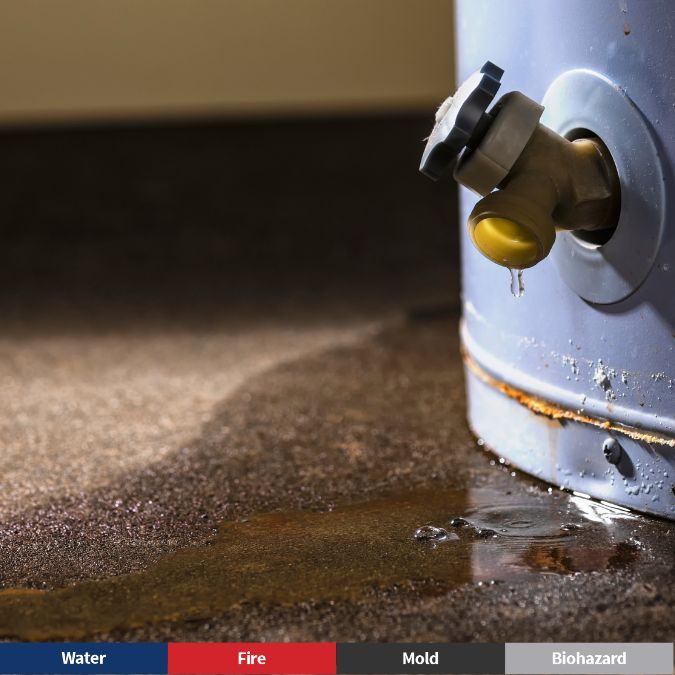
A sewage backup occurs when wastewater from drains or sewer lines flows back into your home instead of moving away through the plumbing system. This contaminated water is classified as Category 3 “black water”, the most dangerous category of water damage.
Black water can contain a mixture of:
- Human waste
- Food waste
- Chemicals from household products
- Bacteria and viruses
- Parasites and other microorganisms
When sewage enters a home through basement drains, toilets, or plumbing fixtures, it can quickly spread across floors and seep into porous materials such as carpet, drywall, insulation, and wood.
Because of the high concentration of pathogens in sewage, exposure to contaminated water or surfaces can cause immediate and long-term health problems.
Harmful Bacteria Found in Sewage
Sewage water often contains dangerous bacteria that can cause serious infections.
Some of the most common pathogens found in sewage include:
E. coli
E. coli (Escherichia coli) bacteria are commonly found in human and animal waste. Certain strains can cause severe stomach cramps, diarrhea, and vomiting.
Salmonella
Salmonella infections typically result in fever, abdominal pain, and digestive illness. The bacteria can survive on contaminated surfaces and spread easily through contact.
Campylobacter
This bacteria is a common cause of foodborne illness and may be present in contaminated wastewater. Infection can lead to diarrhea, fever, and stomach pain.
These bacteria can enter the body through the mouth, nose, eyes, or open wounds after contact with contaminated water or surfaces.
Viruses Present in Sewage Contamination
In addition to bacteria, sewage water may carry harmful viruses that can spread illness.
Common viruses associated with sewage exposure include:
Hepatitis A
Hepatitis A affects the liver and spreads through contaminated food or water. Exposure to sewage water increases the risk of infection.
Rotavirus
Rotavirus commonly causes gastrointestinal illness, particularly in children. Symptoms include vomiting, diarrhea, and dehydration.
Norovirus
Norovirus spreads easily and causes severe stomach illness. It can remain active on contaminated surfaces for extended periods.
Because viruses are microscopic and highly contagious, contaminated environments can continue posing risks even after visible water is removed.
Parasites and Other Microorganisms
Sewage can also carry parasites and other microscopic organisms capable of causing illness.
Examples include:
- Giardia – causes severe diarrhea and digestive issues
- Cryptosporidium – spreads through contaminated water and leads to intestinal illness
- Helminths (parasitic worms) – may infect humans through contaminated environments
These organisms can survive in moist environments and spread if sewage-contaminated materials are not properly removed.
Respiratory Risks From Sewage Exposure
Health risks from sewage backups are not limited to direct contact with contaminated water. In many cases, airborne contaminants can also affect indoor air quality.
When sewage water soaks into carpets, drywall, or insulation, it can create conditions for bacterial growth and mold development. As these microorganisms multiply, they release airborne particles that may cause respiratory irritation.
Common respiratory symptoms include:
- Coughing
- Throat irritation
- Shortness of breath
- Sinus congestion
- Asthma flare-ups
Individuals with asthma or existing respiratory conditions are particularly vulnerable to these airborne contaminants.
Skin and Eye Irritation
Direct contact with sewage water can cause irritation and infection.
Because sewage contains chemicals, bacteria, and waste products, exposure may lead to:
- Skin rashes
- Infections in open cuts or wounds
- Eye irritation
- Burning or redness on exposed skin
Even brief exposure can cause discomfort or illness, especially if contaminated water contacts sensitive areas.
Gastrointestinal Illness From Sewage Exposure
One of the most common health consequences of sewage contamination is gastrointestinal illness.
Exposure to pathogens in sewage can lead to symptoms such as:
- Nausea
- Vomiting
- Diarrhea
- Stomach cramps
- Fever
These illnesses occur when bacteria or viruses enter the digestive system through contaminated food, surfaces, or hand-to-mouth contact.
In severe cases, dehydration or infection may require medical treatment.
Long-Term Health Risks
If sewage contamination is not cleaned and disinfected properly, it can create ongoing health risks within the home.
Long-term hazards may include:
Mold Growth
Moisture from sewage flooding can trigger mold growth within 24–48 hours. Mold spores may spread through the air and cause respiratory problems or allergic reactions.
Persistent Bacterial Contamination
Porous materials such as carpet and drywall can absorb contaminated water, allowing bacteria to remain hidden within building materials.
Poor Indoor Air Quality
Lingering contaminants may continue affecting indoor air quality, potentially causing ongoing irritation or illness for occupants.
Proper professional cleanup is often required to fully eliminate these risks.
Who Is Most Vulnerable to Sewage Exposure?
While sewage contamination can affect anyone, some individuals are more vulnerable to serious health effects.
High-risk groups include:
- Children
- Elderly individuals
- Pregnant women
- People with weakened immune systems
- Individuals with respiratory conditions such as asthma
For these individuals, even limited exposure to sewage contamination can lead to more severe health complications.
Why Professional Sewage Cleanup Is Important
Because sewage contamination contains dangerous pathogens and pollutants, proper cleanup requires specialized equipment and sanitation procedures.
Professional restoration teams use advanced techniques to:
- Extract contaminated water safely
- Remove unsalvageable materials such as carpet and drywall
- Disinfect affected surfaces using industrial antimicrobial solutions
- Dry the structure thoroughly to prevent mold growth
- Improve indoor air quality through filtration and deodorization
This process ensures that harmful bacteria and contaminants are completely removed from the property.
Attempting to clean sewage contamination without professional equipment can leave behind hidden bacteria and moisture that continue posing health risks.
Preventing Sewage Backup Health Hazards
Although sewer backups cannot always be avoided, homeowners can reduce the risk by taking preventative measures.
Helpful prevention strategies include:
- Installing a backwater valve to prevent sewage from flowing back into the home
- Avoiding flushing wipes, grease, and other materials that clog pipes
- Scheduling routine sewer line inspections
- Maintaining sump pumps and drainage systems
- Addressing plumbing issues early before they become major problems
Regular maintenance helps protect both your home and your health.
Final Thoughts
A sewage backup is more than just a plumbing problem—it is a serious health hazard that can expose your household to harmful bacteria, viruses, and toxic contaminants. These pathogens can spread quickly through water, surfaces, and even the air, creating risks that extend far beyond the initial flooding.
Understanding the health dangers associated with sewage contamination highlights the importance of responding quickly and ensuring proper cleanup. Prompt professional restoration helps remove hazardous materials, sanitize affected areas, and restore a safe living environment for your family.