


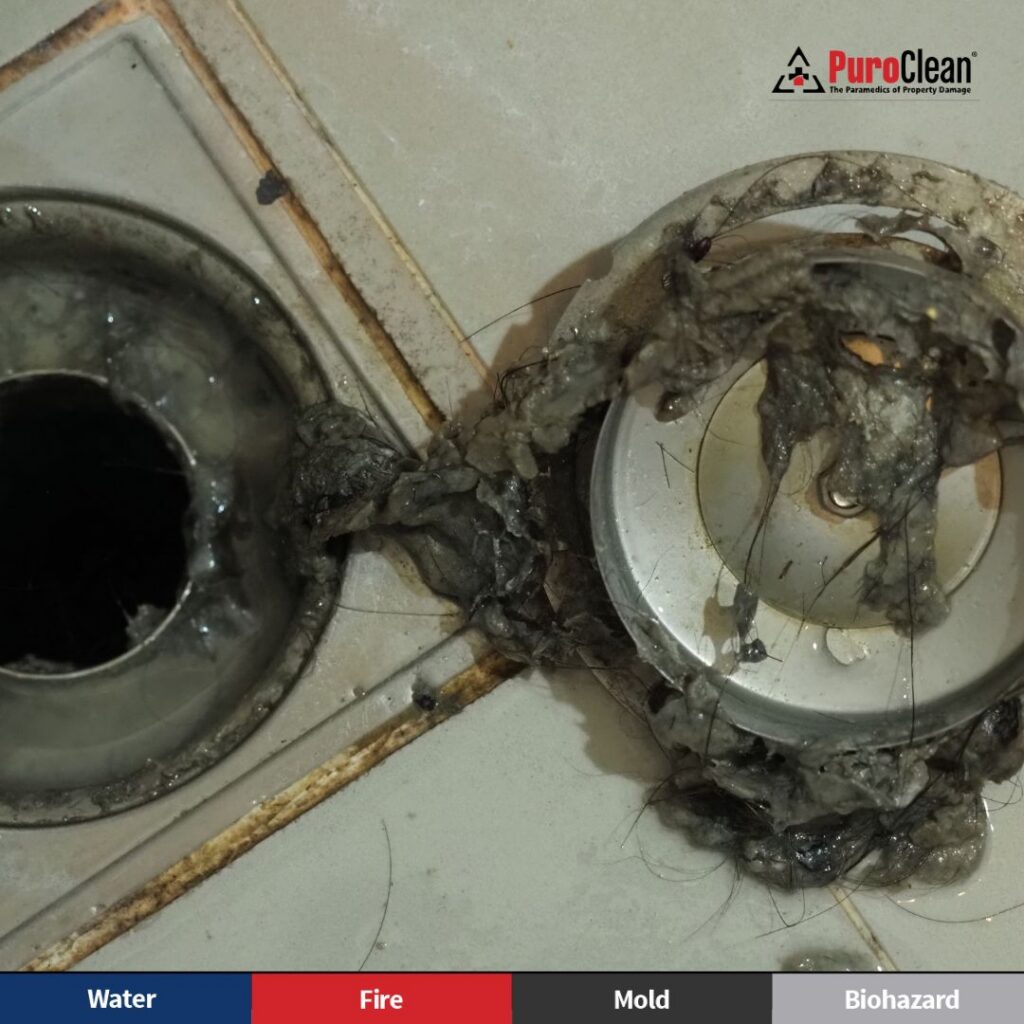
In this guide, PuroClean of Lawrenceville — your local experts in water damage restoration — explains the three official categories of water damage, Black, Grey, and Clean water, how they’re identified, and why acting quickly is crucial to protecting your home and health.
Understanding these categories isn’t just technical jargon. It’s the difference between safe restoration and long-term contamination, between saving your flooring or needing a full replacement.
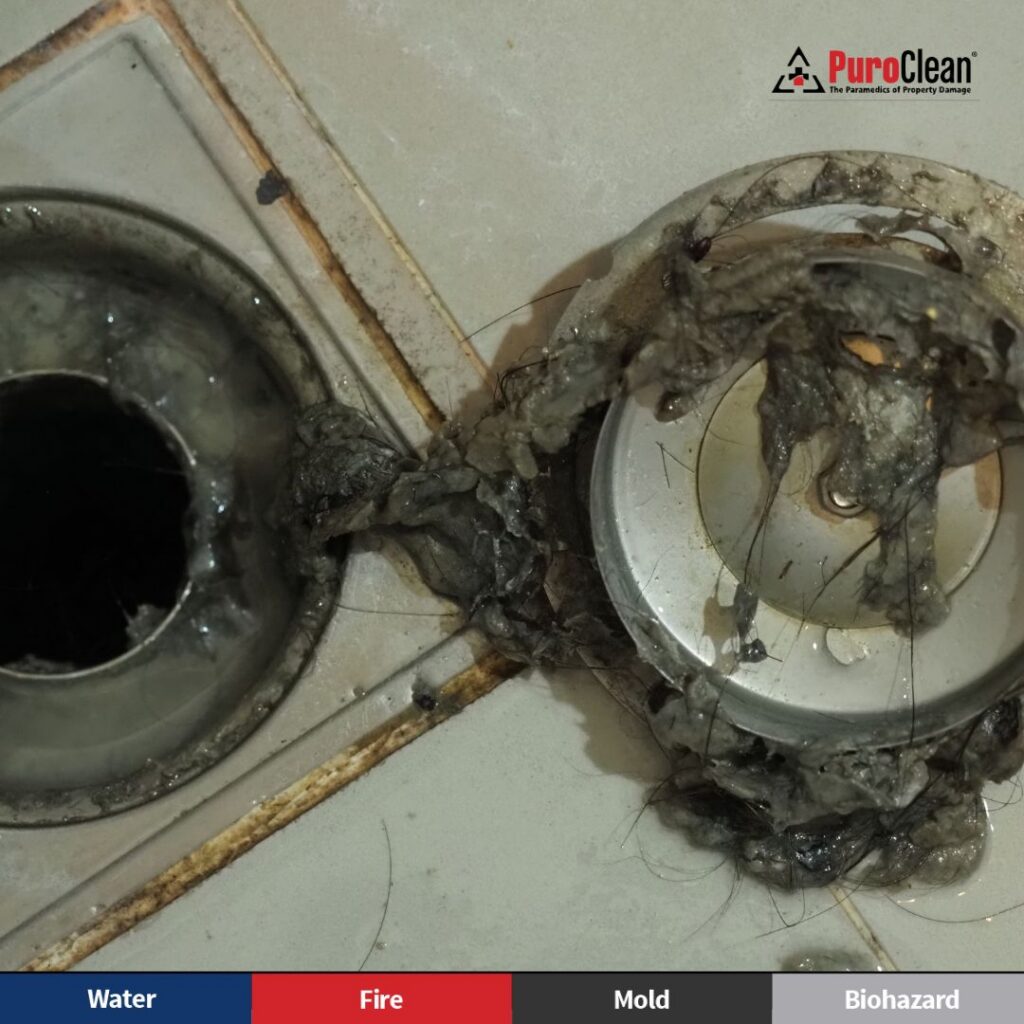
Not all water damage is the same. When a pipe bursts, a roof leaks, or a storm floods your property, the cleanup process can vary dramatically depending on the type of water involved. What many Lawrenceville homeowners don’t realize is that water damage is classified into distinct categories — each determining how restoration professionals approach cleanup, disinfection, and drying.,
Table of Contents
What Is Water Damage — and Why Categorization Matters
Water damage refers to any destruction or deterioration caused when unwanted water enters a property. It can affect building materials, furniture, flooring, and even the structural integrity of your home.
However, what’s most important in any water loss event is what kind of water you’re dealing with. Restoration experts use three water damage categories defined by the Institute of Inspection Cleaning and Restoration Certification (IICRC). These categories indicate the level of contamination present and help professionals determine the correct cleaning methods, safety precautions, and equipment needed.
Failing to identify the category accurately can lead to:
- Incomplete disinfection
- Mold growth and foul odors
- Health risks for occupants
- Recurring moisture problems
At PuroClean of Lawrenceville, our certified technicians assess water losses using IICRC S500 standards, ensuring each category is treated appropriately and safely.
Category 1: Clean Water Damage
Definition
Category 1, or “Clean Water,” refers to water that originates from a sanitary source and poses no immediate health risk. However, even clean water can turn hazardous if not properly addressed within 24–48 hours, as it can absorb contaminants from surfaces or develop microbial growth.
Common Sources of Category 1 Water:
- Broken water supply lines
- Leaking faucets or toilet tanks (without waste)
- Burst pipes from potable water systems
- Overflow from sinks or bathtubs containing only clean water
- Malfunctioning appliance supply lines (dishwasher, washing machine, ice maker)
Characteristics:
- Clear in color, no foul odor
- Initially safe to handle, but requires prompt drying to prevent deterioration
Risks if Untreated:
Even though Category 1 water starts as clean, within 48 hours, it can progress to Category 2 or even Category 3 if bacteria or organic materials begin to multiply.
For example, a clean water leak under a wood floor can quickly become contaminated due to dust, debris, or mold spores. Once absorbed, it creates the ideal environment for microbial growth.
Professional Response:
At PuroClean of Lawrenceville, Category 1 restoration typically involves:
- Rapid water extraction using industrial pumps and vacuums
- Dehumidification to control humidity levels
- Monitoring with moisture meters and thermal imaging
- Targeted drying to prevent mold and secondary damage
Even with “clean” water, our team applies antimicrobial treatments to ensure sanitation and prevent mold development, especially in Lawrenceville’s humid climate.
Category 2: Gray Water Damage
Definition
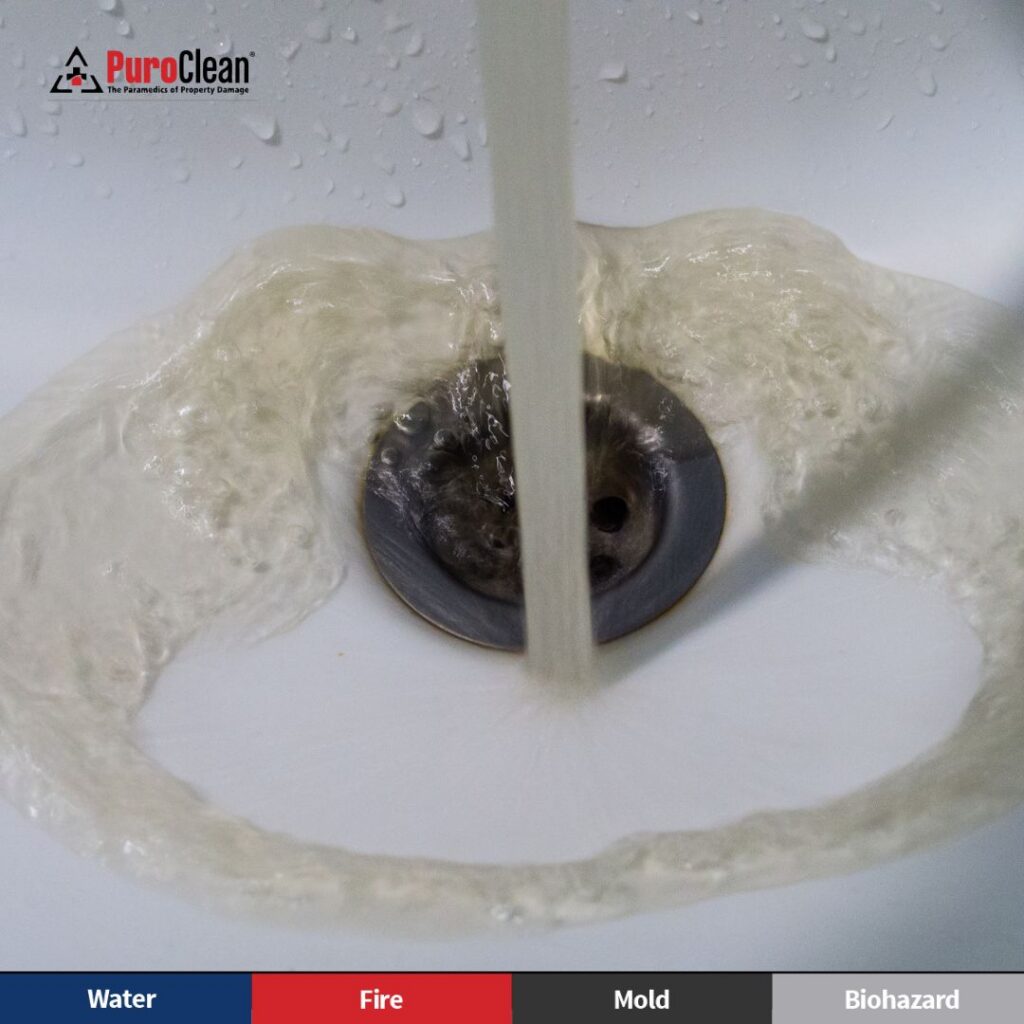
Category 2, or “Gray Water,” contains contaminants that may cause illness or discomfort if ingested or exposed to skin. It’s not clean enough for consumption or contact, but not as heavily polluted as Category 3 water.
Common Sources of Category 2 Water:
- Overflow from washing machines or dishwashers
- Toilet overflows containing urine (no feces)
- Sump pump failures or seepage
- Broken aquariums or waterbeds
- Water discharged from HVAC condensation lines or water heaters
Characteristics:
- Cloudy or slightly discolored
- May contain detergents, grease, or biological matter
- Can have a mild odor
Risks if Untreated:
Gray water presents moderate health risks because it often contains organic matter and microorganisms. If left untreated, it can quickly degrade into Category 3 (Black Water) within 48 hours, especially in warm environments like those common in Lawrenceville.
Affected materials like carpet, padding, and drywall may need removal because they trap contaminants that cannot be safely sanitized.
Professional Response:
When addressing Category 2 water, PuroClean of Lawrenceville follows strict containment and safety measures:
- Use of PPE (gloves, masks, and protective suits)
- Controlled demolition of porous materials like carpet and drywall
- Application of EPA-approved disinfectants and antimicrobial agents
- Air filtration using HEPA scrubbers to prevent airborne contamination
- Continuous humidity monitoring to ensure thorough drying
Our goal is to restore your property safely without leaving behind residual contamination that could impact air quality or cause future microbial growth.
Category 3: Black Water Damage
Definition
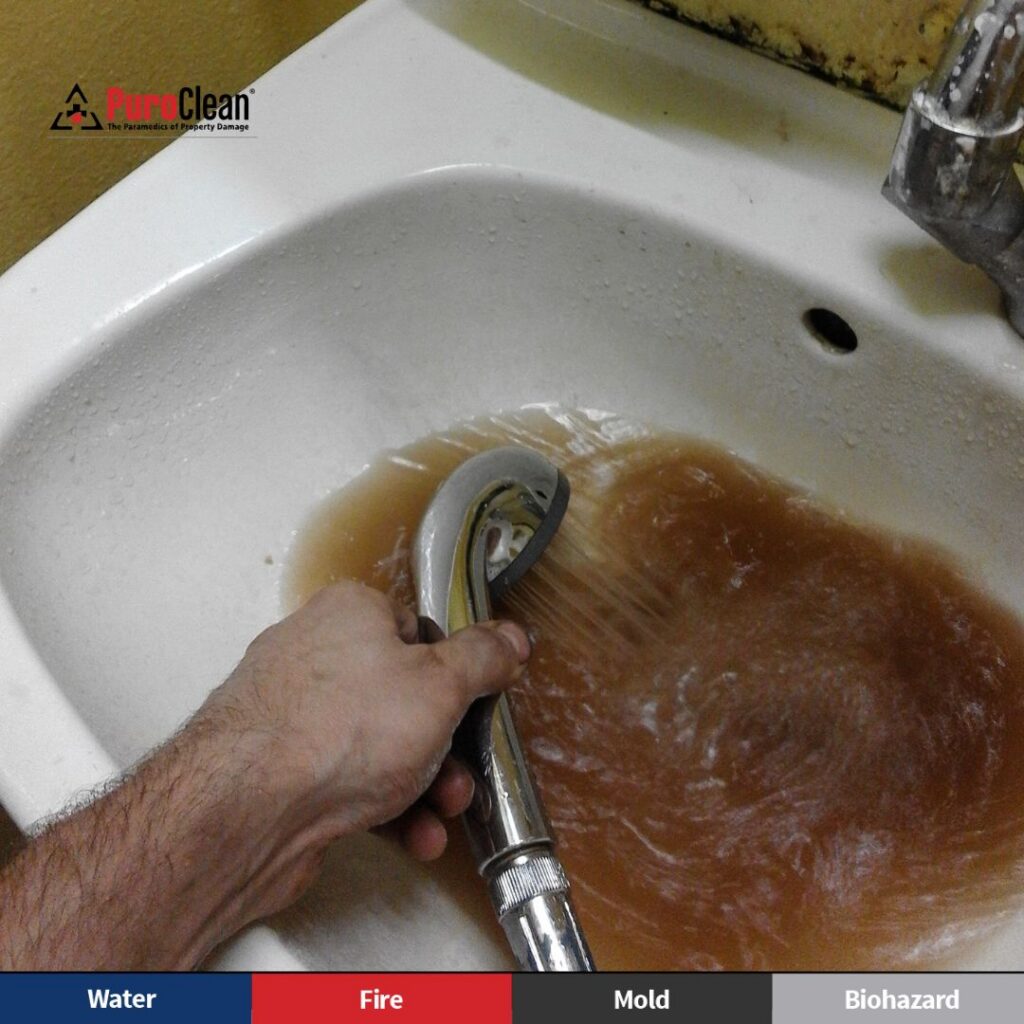
Category 3, or “Black Water,” is heavily contaminated water that can cause serious illness or infection. It contains harmful bacteria, viruses, and possibly chemical or organic waste. This is the most hazardous category and requires full professional remediation.
Common Sources of Category 3 Water:
- Sewage backups or toilet overflows containing fecal matter
- Floodwaters from rivers, lakes, or storm runoff
- Groundwater intrusion after heavy rainfall
- Water from foundation leaks carrying soil and debris
- Standing water that has stagnated for more than 72 hours
Characteristics:
- Dark, murky, or foul-smelling
- Contains visible debris or organic matter
- Extremely unsanitary
Health and Structural Risks:
Exposure to black water can cause:
- Bacterial infections (E. coli, Salmonella)
- Viral exposure (Hepatitis, Norovirus)
- Mold infestation and toxic spores
- Structural decay from prolonged saturation
When Lawrenceville experiences heavy rain or sewer backups — common during Georgia’s storm seasons — many homeowners are surprised by how quickly black water contamination spreads. It penetrates building materials deeply, rendering most porous items unsalvageable.
Professional Response:
Category 3 cleanup requires specialized equipment, protective gear, and certified restoration protocols.
PuroClean of Lawrenceville’s process includes:
- Containment & Safety Measures – Establish negative air pressure zones to prevent cross-contamination.
- Extraction & Disposal – Remove standing water and dispose of all contaminated materials safely.
- Disinfection & Deodorization – Apply hospital-grade disinfectants to all affected surfaces.
- Structural Drying – Dry remaining materials using high-powered air movers and desiccant dehumidifiers.
- Post-Restoration Verification – Conduct microbial testing and inspection to confirm sanitation before re-occupancy.
Black water damage requires full professional handling — DIY attempts are unsafe and can worsen contamination.
Water Damage Classification vs. Category — What’s the Difference?
It’s important to distinguish between water damage categories (the type of water) and classes (the extent of damage).
While categories describe contamination levels, classes define how much water has been absorbed and how severe the damage is.
| Class | Description | Example Scenario |
|---|---|---|
| Class 1 | Minor damage; minimal water absorption. | Small leak on tile floor. |
| Class 2 | Significant absorption in carpeting or walls. | Burst pipe in living room. |
| Class 3 | Major saturation; ceilings, insulation affected. | Ceiling collapse from upstairs bathroom leak. |
| Class 4 | Specialty drying needed (e.g., concrete, hardwood). | Flooded basement with saturated brick or plaster. |
Why it matters:
A Category 2/Class 3 event (gray water affecting ceilings and insulation) requires more extensive drying and disinfection than a Category 1/Class 1 event. Restoration experts combine both metrics to design precise recovery plans.
Why Quick Action Is Critical
The difference between a minor leak and a major disaster often comes down to time. Water damage progresses rapidly:
| Timeframe | What Happens |
|---|---|
| 0–24 hours | Water spreads through materials, causing staining and swelling. |
| 24–48 hours | Mold growth begins, odors appear, water category may escalate. |
| 48–72 hours | Bacteria multiply; materials begin to delaminate or rot. |
| 72+ hours | Structural damage and severe contamination occur. |
In Lawrenceville’s humid environment, moisture lingers longer, accelerating microbial activity. That’s why PuroClean of Lawrenceville offers 24/7 emergency response — to mitigate damage before it worsens.
How PuroClean of Lawrenceville Handles Each Water Damage Category
Our certified technicians follow precise protocols for each water category, ensuring safety and full restoration.
| Category | Primary Actions | Restoration Techniques |
|---|---|---|
| Category 1 (Clean Water) | Extract, dry, monitor humidity | Dehumidification, moisture testing, antimicrobial treatment |
| Category 2 (Gray Water) | Remove contaminated materials | HEPA air scrubbing, surface disinfection, partial demolition |
| Category 3 (Black Water) | Full containment and disinfection | Negative air setup, hazardous waste disposal, complete structural drying |
Using IICRC S500 guidelines, we ensure your home is not only dry but also safe from microbial contamination.
Preventing Water Damage Contamination in Your Home
While not all leaks can be predicted, homeowners can take proactive steps to minimize risk:
- Inspect plumbing and appliances regularly. Replace worn hoses and seals.
- Install water leak detectors near high-risk areas like water heaters and washing machines.
- Clean gutters and downspouts to prevent water intrusion from roof runoff.
- Seal foundation cracks and maintain exterior grading to divert water away from your home.
- Schedule annual maintenance for HVAC systems, sump pumps, and water heaters.
- Know your main water shut-off valve location to minimize damage during emergencies.
Why Homeowners in Lawrenceville Trust PuroClean
When water damage strikes, you need more than cleanup — you need expertise. PuroClean of Lawrenceville provides fast, certified, and precise restoration for all categories of water damage.
Our advantages include:
- IICRC-Certified Technicians
- 24/7 emergency response
- Advanced leak detection and drying technology
- Full-service restoration — from mitigation to rebuild
- Insurance coordination for a stress-free process
Whether your home experiences a clean water pipe leak or a Category 3 sewage backup, we have the equipment and experience to restore it safely and completely.
Conclusion: Why Knowing the Category of Water Damage Protects You
Water damage isn’t just about getting things dry — it’s about understanding the contamination level and responding appropriately. Knowing whether the water in your home is Category 1, 2, or 3 determines the safety procedures, cleaning requirements, and potential health implications.
If you’re facing water damage in Lawrenceville — whether from a leaking pipe, appliance failure, or storm backup — don’t take chances. Call PuroClean of Lawrenceville, your trusted local experts in water damage restoration. We’ll assess the category, contain the issue, and restore your property quickly, safely, and professionally.
Call to Action
Contact PuroClean of Lawrenceville today at (xxx) xxx-xxxx or visit puroclean.com/lawrenceville-ga.
Our certified restoration specialists are available 24/7 to respond to any category of water damage — because when every minute counts, PuroClean delivers.