


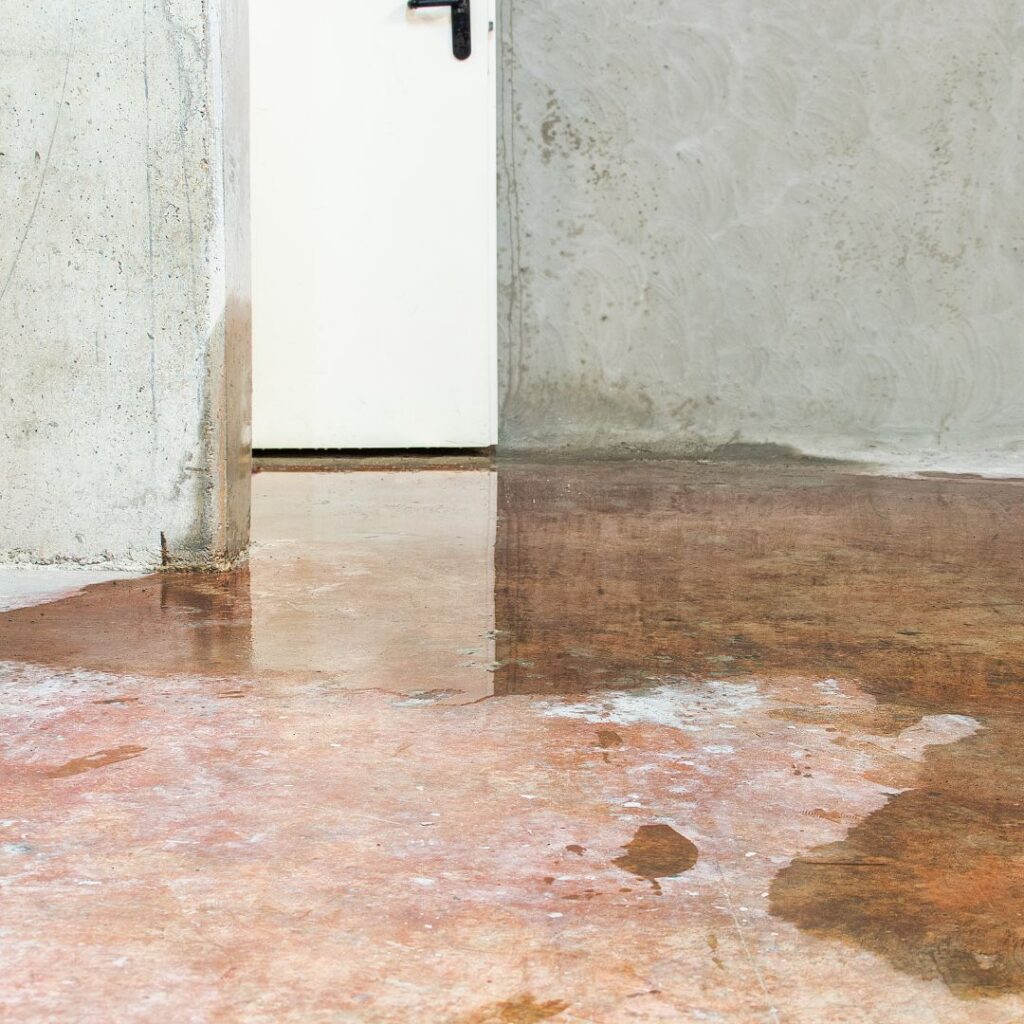
When water enters your home, identifying the source is critical. Not all flood damage is the same — and confusing a sewer backup with groundwater flooding can lead to improper cleanup, denied insurance claims, and serious health risks.
While both scenarios involve water intrusion, they differ significantly in contamination level, structural impact, and restoration requirements.
Here’s how to determine what type of damage you’re dealing with — and why it matters.
Table of Contents
What Is a Sewer Backup?
A sewer backup occurs when wastewater flows backward through your plumbing system and enters your home through:
- Floor drains
- Toilets
- Showers or tubs
- Basement plumbing fixtures
This typically happens due to:
- Blocked sewer lines
- Tree root intrusion
- Municipal system overload
- Heavy rainfall overwhelming city infrastructure
- Damaged or collapsed sewer pipes
Contamination Level: High Risk (Category 3 Water)
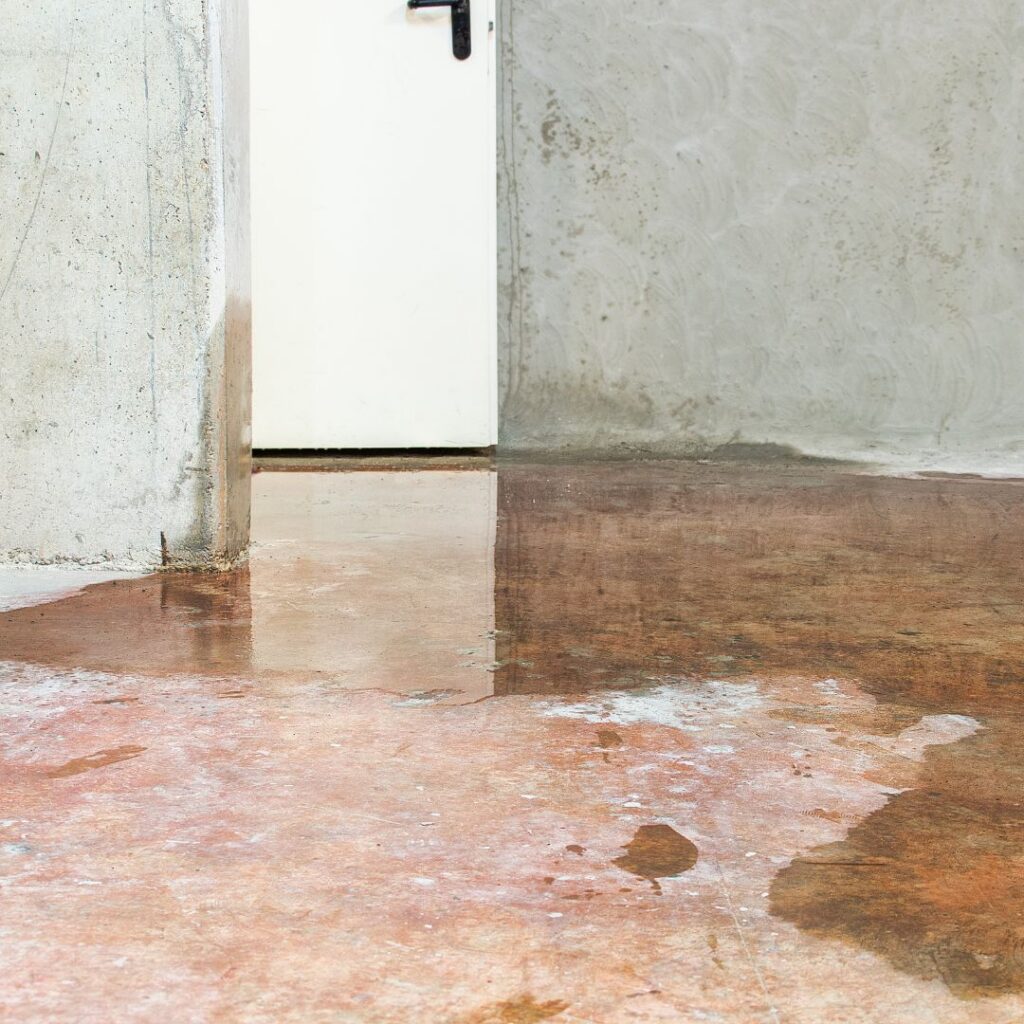
Sewer backups involve black water, which contains:
- Bacteria
- Viruses
- Parasites
- Organic waste
- Harmful pathogens
This type of water is considered biohazardous.
Signs You Have a Sewer Backup
- Water emerging from toilets or drains
- Strong sewage odor
- Dark or cloudy water
- Solid waste present
- Gurgling sounds in plumbing fixtures
- Multiple drains backing up simultaneously
If you notice water coming up from inside your plumbing system, it is almost always a sewer-related issue.
What Is Groundwater Flooding?
Groundwater flooding occurs when water enters your home from outside due to:
- Heavy rainfall
- Poor drainage
- Foundation cracks
- Hydrostatic pressure
- Rising water tables
Water typically seeps in through:
- Basement walls
- Foundation joints
- Window wells
- Crawl spaces
Contamination Level: Moderate to Severe (Category 2 or 3 Possible)
Groundwater is often referred to as “gray water,” but during heavy storms, it may contain:
- Soil contaminants
- Pesticides
- Bacteria
- Debris
If groundwater mixes with sewage systems or prolonged stagnation occurs, it can become Category 3.
Signs You Have Groundwater Flooding
- Water pooling near foundation walls
- Seepage through basement cracks
- Wet carpet along exterior walls
- Damp crawl spaces
- Water entering after prolonged rain
- No plumbing fixture backup
If water appears to be entering from the outside rather than coming up through drains, groundwater intrusion is likely the cause.
Key Differences Between Sewer Backup and Groundwater Flooding
| Factor | Sewer Backup | Groundwater Flooding |
|---|---|---|
| Water Source | Inside plumbing system | Outside foundation |
| Contamination Level | Category 3 (Black Water) | Category 2 or 3 |
| Health Risk | Severe | Moderate to Severe |
| Cleanup Complexity | Biohazard remediation required | Structural drying + sanitation |
| Insurance Coverage | Requires sewer backup endorsement | Requires flood insurance |
Why Correct Identification Matters
Misidentifying the source of water damage can:
- Void insurance claims
- Delay proper sanitation
- Increase mold risk
- Lead to improper material salvage decisions
For example:
- Drywall exposed to sewer backup must be removed due to contamination.
- Drywall exposed to clean groundwater may sometimes be dried if addressed quickly.
Professional water damage restoration technicians use inspection tools, moisture mapping, and contamination assessment protocols to determine the correct water category.
Health Risks of Sewer Backup
Sewer-related water damage presents immediate health hazards, including:
- Gastrointestinal illness
- Respiratory infections
- Skin irritation
- Mold growth from organic waste
Because of the biohazard risk, DIY cleanup is strongly discouraged. Specialized protective equipment and disinfection protocols are required.
Structural Risks of Groundwater Flooding
Groundwater intrusion often leads to:
- Foundation moisture retention
- Wood rot
- Subfloor swelling
- Insulation saturation
- Long-term mold colonization
Even if water appears “clean,” prolonged saturation can result in significant structural deterioration.
Restoration Process Differences
Sewer Backup Restoration Includes:
- Hazard containment
- Removal of contaminated materials
- Biohazard cleaning
- Antimicrobial disinfection
- HEPA air filtration
- Controlled demolition
Groundwater Flood Restoration Includes:
- Water extraction
- Structural drying
- Dehumidification
- Moisture monitoring
- Sanitization
- Possible foundation repair evaluation
The approach depends entirely on water classification and contamination level.
Insurance Considerations
Standard homeowners insurance often:
- Does not cover groundwater flooding unless you have flood insurance.
- Covers sewer backup only if you have a sewer backup rider or endorsement.
Documentation of water source is critical when filing a claim.
Professional restoration companies provide moisture logs, photographs, and detailed reports to support your case.
When to Call a Professional
Immediate professional assessment is necessary if:
- Water is dark or foul-smelling
- Multiple drains are backing up
- Flooding followed heavy rainfall
- Structural materials are saturated
- You are unsure of the source
Time is critical. Water damage escalates rapidly, especially in humid climates. Contact (770) 810-5499
Sewer backup and groundwater flooding may look similar on the surface — but they are fundamentally different in risk level, contamination, and restoration strategy.
Correct identification protects:
- Your health
- Your home’s structural integrity
- Your insurance coverage
- Your financial investment
If water has entered your home and you are unsure of the source, professional evaluation ensures the proper restoration plan is implemented from the start.