Experiencing a fire in your home is one of the most traumatic events a property owner can face.
Even after the flames are extinguished by local fire departments in Snellville or Lawrenceville, a secondary battle begins. Long after structural repairs are completed, a distinct, acrid odor often remains. Many homeowners wonder if smoke smell can ever be permanently removed.
The short answer is yes. Smoke odor can be permanently eliminated, but achieving this requires more than open windows, scented candles, or standard household cleaning supplies. Smoke is a complex chemical compound composed of microscopic soot particles, toxic gases, and unburned organic residues. These particles penetrate deep into porous building materials, furniture fibers, and HVAC ductwork.
Understanding the science of smoke, recognizing why do-it-yourself deodorization fails, and utilizing advanced restoration technology are essential steps in reclaiming a clean and healthy home environment. PuroClean of Snellville & Lawrenceville specializes in advanced smoke damage restoration, returning properties to their pre-loss condition.
The Science of Smoke Odor: Why It Lingers
To understand why smoke odor is so difficult to remove, you must understand what happens during a residential fire. Smoke is not just simple ash or carbon dust. When synthetic materials, plastics, wood, textiles, and household chemicals burn, they undergo complex thermal degradation and chemical reactions.
As materials burn, they release microscopic airborne particles ranging in size from 0.1 to 4 microns. These invisible particles are small enough to float through the air and penetrate microscopic pores in wood framing, drywall, ceiling tiles, concrete, and upholstered furniture. When humidity levels rise, these trapped particles expand and release foul-smelling chemical gases back into your living space.
Furthermore, different types of fires produce different types of smoke residue. Identifying the exact nature of the residue is critical for successful odor removal.
Types of Smoke Residues and Their Unique Challenges
Restoration professionals categorize smoke and soot residues based on the fuel source and the temperature of the fire. Each category presents unique challenges for odor removal.
| Smoke Type | Characteristics & Fuel Source | Removal & Deodorization Challenge |
| Wet Smoke Residue | Low-heat, smoldering fires involving plastics and synthetic furnishings. Produces sticky, smeary, pungent residues with a strong, obnoxious odor. | Extremely difficult to clean. Smears across surfaces when wiped with water-based cleaners; requires specialized chemical solvents. |
| Dry Smoke Residue | Fast-burning, high-temperature fires fueled by paper or dry wood. Leaves powdery, dry, non-smeary soot that falls into cracks. | Easier to vacuum and wipe, but fine particles travel extensively through HVAC systems and settle deep into crevices. |
| Protein Smoke Residue | Kitchen fires involving burned food, animal fats, or organic proteins. Virtually invisible on surfaces but produces an overwhelmingly foul odor and discolors paint. | Leaves invisible, greasy films that yellow over time and require specialized enzyme cleaning agents to neutralize. |
| Fuel Oil / Furnace Soot | Malfunctioning oil furnaces or heating appliances puffing back soot through ductwork. Thick, oily black soot coats everything. | Heavy oily residue that stains fabrics instantly and requires professional chemical sponging and thermal fogging. |
Why DIY Odor Removal Fails
When homeowners attempt to remove smoke odors themselves, they often rely on surface-level solutions. While these methods may temporarily mask the smell, they fail to address the root cause of the contamination.
- Masking Agents and Air Fresheners: Sprays, plug-in air fresheners, and scented candles only add chemical fragrances on top of existing smoke molecules. Once the fragrance fades, the underlying smoke odor returns unchanged.
- Standard Household Cleaners: Using dish soap, multi-purpose sprays, or water on protein or wet smoke residues often causes the soot to smear deeper into porous paint and drywall pores, worsening the staining and odor.
- Ozone Machines Without Safety Controls: Inexpensive consumer ozone generators purchased online can damage rubber components, degrade plastics, and pose severe health risks to humans and pets if not operated by certified professionals.
- Overlooking Hidden Reservoirs: Homeowners frequently clean walls and floors while completely ignoring attic insulation, wall cavities, upholstered furniture interiors, and HVAC duct networks where massive amounts of soot are trapped.
The Hidden Mechanics of Smoke Penetration in Homes
Smoke travels dynamically throughout a structure driven by thermodynamics and air pressure differentials. As hot air rises during a fire, smoke rushes upward toward ceilings, enters open attic hatches, and gets sucked into return air vents.
Read Also: Everything You Need to Know About Cigarette Odor Removal
Once inside your HVAC system, smoke residue is blown into every room in the house, coating duct interiors. Even in rooms far away from the actual fire origin, smoke particles settle behind electrical switchplates, inside wall framing, and beneath carpeting. Until these hidden reservoirs are professionally cleaned and sealed, smoke odors will continue to leach into your indoor air whenever your heating or cooling system runs.
Professional Smoke Damage Removal Process
PuroClean of Snellville & Lawrenceville follows a systematic, industry-certified protocol to ensure smoke odors are permanently eradicated rather than temporarily masked.
1. Comprehensive Damage Assessment and Air Quality Testing
Our certified technicians inspect the entire property to determine the extent of soot migration and identify the specific type of smoke residue involved. We evaluate structural framing, insulation, HVAC components, and personal belongings to establish a targeted restoration plan.
2. Specialized Soot and Residue Cleaning
Using professional-grade dry chemical sponges, specialized HEPA vacuums, and pH-balanced chemical cleaning agents, our team meticulously removes soot from walls, ceilings, fixtures, and woodwork without damaging underlying surfaces.
3. HVAC System Decontamination and Duct Cleaning
To prevent ongoing recirculation of smoke odors, we thoroughly clean and sanitize your entire heating and cooling network. Air ducts are scrubbed, debris is vacuumed out using negative air scrubbers, and antimicrobial treatments are applied.
4. Advanced Thermal Fogging and Hydroxyl Generation
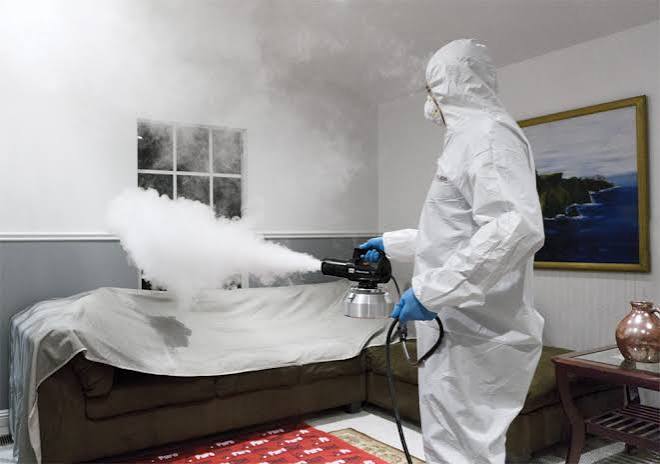
To neutralize odors at a molecular level, we deploy thermal foggers and hydroxyl generators. Thermal fogging replicates the heat of the fire, opening porous materials so neutralizing deodorizers can bond with and destroy smoke molecules. Hydroxyl generators use ultraviolet light to safely purify air in occupied residential spaces.
5. Industrial Ozone Treatments (When Applicable)
For severely affected vacant properties, commercial ozone generators break down chemical bonds of stubborn smoke molecules by introducing unstable oxygen atoms that oxidize and eliminate odor compounds permanently.
6. Encapsulation and Structural Sealing
For porous building materials like charred framing timbers or heavily impacted subfloors where odor molecules cannot be fully extracted, we apply specialized pigmented shellacs and odor-blocking sealants to lock in remaining residues permanently.
What Homeowners Should Do While Awaiting Professional Help
If you are waiting for emergency restoration professionals to arrive at your Snellville or Lawrenceville property, taking specific precautions can prevent secondary damage:
- Limit Movement: Avoid walking through heavily soot-damaged areas to prevent grinding fine soot particles deeper into carpets and flooring.
- Turn Off HVAC Systems: Shut down your heating and cooling system immediately to prevent smoke particles from circulating into unaffected rooms.
- Do Not Wash Walls or Fabrics: Attempting to clean soot with standard water or DIY detergents can permanently set protein or wet smoke stains into surfaces.
- Dispose of Perishable Food: Throw away any open food items, fresh produce, or medicines exposed to smoke and heat, as soot is toxic.
- Contact Your Insurance Carrier: Notify your insurance provider promptly to initiate your fire and smoke damage claim and document all visible damage with photographs.
Frequently Asked Questions (FAQ)
Q: Can smoke smell be removed completely from clothing and fabrics?
Yes, professional restoration laundries and dry cleaners utilize specialized ozone chambers, hydroxyl treatments, and industrial washing agents to extract embedded soot and permanently eliminate smoke odors from textiles, draperies, and clothing.
Q: Is smoke residue toxic to breathe or touch?
Yes. Smoke and soot contain heavy metals, toxic chemicals, and carcinogenic compounds resulting from burned synthetic materials. Prolonged exposure can cause respiratory irritation, coughing, and long-term health complications, which is why professional cleanup is essential.
Q: How long does professional smoke odor removal take?
The duration depends on the severity of the fire and the extent of soot migration. Minor kitchen grease fires may take 2 to 3 days to deodorize, while major structural fires involving entire homes can require 1 to 3 weeks of intensive cleaning and air scrubbing.
Q: Will my homeowner insurance policy cover smoke damage restoration?
Most standard homeowner insurance policies cover smoke and fire damage restoration, including HVAC cleaning, structural deodorization, content cleaning, and temporary housing expenses. PuroClean works directly with insurance adjusters to streamline your claim.
Q: Why does smoke odor return on humid days?
Porous building materials like drywall and wood absorb smoke molecules. When high humidity or moisture enters the home, these materials expand, releasing trapped chemical gases into the indoor air. Permanent removal requires neutralizing these molecules, not just masking them.
| Restore Your Home with PuroClean of Snellville & Lawrenceville Do not let lingering smoke odors compromise your indoor air quality and peace of mind. If your property has experienced fire or smoke damage, contact the Paramedics of Property Damage at PuroClean of Snellville & Lawrenceville for immediate emergency response and guaranteed odor elimination. 24/7 Emergency Fire & Smoke Restoration Line: (770) 810-5499 Serving Snellville, Lawrenceville, Grayson, Lilburn, Loganville & Surrounding Communities Specializing in Smoke Damage Restoration, Fire Cleanup, Soot Removal & Structural Deodorization |