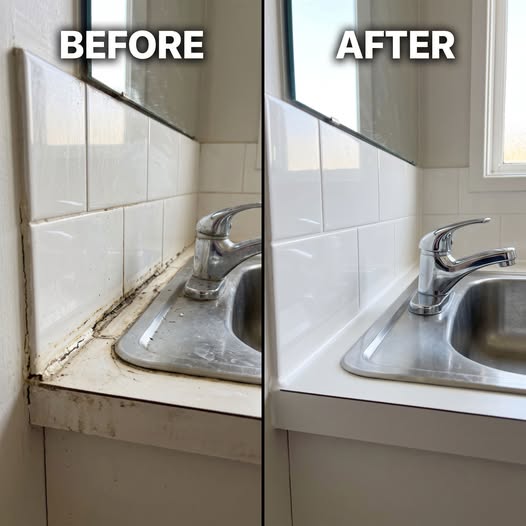
Water damage is an unwelcome emergency for any property owner in Lawrenceville, Snellville, Grayson, or surrounding Gwinnett County areas.
Whether caused by a sudden burst pipe, an overflowing washing machine, a leaking water heater, or torrential storm flooding, standing water creates an immediate crisis. Yet, many residents are shocked to discover that eliminating the liquid water is only half the battle. The true ticking clock in any water loss scenario is mold.
Mold spores are microscopic, ubiquitous, and constantly floating through the air both indoors and outdoors. They remain dormant until they encounter two essential ingredients: moisture and organic food sources. When a water leak wets drywall, insulation, wood framing, or carpet backing, those dormant spores awaken with alarming rapidity. Understanding exactly how fast mold grows, why Gwinnett County’s climate accelerates the process, and when to call professional remediation experts is vital for protecting your property and health.
The 24 to 48 Hour Mold Growth Timeline

Mold does not take weeks or months to establish itself after water damage; it begins colonizing almost immediately. Microbiologists and restoration professionals adhere to a strict timeline regarding post-water damage fungal development:
- Hours 0 to 24 (Germination Phase): Within the first 24 hours following water intrusion, microscopic mold spores settle on damp organic surfaces and begin absorbing moisture. Spores initiate germination, sending out tiny thread-like structures called hyphae to feed on cellulose materials like drywall paper, wood, and cotton carpet backing.
- Hours 24 to 48 (Active Colonization): During this critical 24-to-48-hour window, active fungal colonies take root and begin visible or microscopic growth. In humid environments, colonies multiply exponentially, releasing millions of new spores into the indoor air.
- Days 3 to 7 (Spread and Discoloration): By day three to seven, mold growth becomes visibly apparent, often presenting as fuzzy patches, dark spots, or discolored streaks on walls, baseboards, and ceilings. Musty odors develop as microbial volatile organic compounds (mVOCs) fill the air.
- Weeks 2+ (Full Infestation and Structural Damage): If left unchecked past two weeks, mold penetrates deep into structural framing, subflooring, and HVAC ductwork, severely compromising indoor air quality and rotting wood structural members.
Why Gwinnett County’s Climate Accelerates Mold Growth
Geography and regional weather play a massive role in mold development. Lawrenceville and Gwinnett County experience a humid subtropical climate characterized by high ambient relative humidity levels, warm spring and summer temperatures, and frequent seasonal rainfall. When indoor water damage occurs in an environment where outdoor humidity is already hovering between 60% and 90%, natural evaporation slows down drastically.
Without industrial dehumidification and high-velocity air movement, building materials stay damp much longer than they would in arid climates. This persistent humidity creates a perpetual incubator for fungal spores, making rapid professional water extraction and structural drying non-negotiable for local homeowners.
Mold Growth Stages, Health Risks, and Remediation Protocols
The severity of a mold issue dictates the required containment, safety equipment, and remediation protocol:
| Timeline & Stage | Visual & Physical Indicators | Health Risks & Symptoms | Required Professional Action |
| 0 to 24 Hours (Pre-Colonization) | Wet materials, high humidity, damp musty air, no visible mold growth yet. | Minimal immediate mold risk; risk of slip-and-fall and structural saturation. | Rapid water extraction, industrial drying, antimicrobial sanitization. |
| 24 to 48 Hours (Initial Germination) | Damp drywall, slight warping, damp carpet padding, early spore activation. | Allergenic triggers for sensitive individuals, sneezing, watery eyes. | Commercial LGR dehumidifiers, air movers, moisture mapping. |
| 3 to 7 Days (Active Fungal Growth) | Visible fuzzy patches, black or green spots, stained drywall, strong musty odors. | Persistent coughing, nasal congestion, skin irritation, asthma aggravation. | HEPA air scrubbers, containment barriers, targeted antimicrobial treatment. |
| 1+ Weeks (Advanced Infestation) | Extensive black mold colonies, rotting wood, warped framing, contaminated HVAC ducts. | Severe respiratory illness, chronic fatigue, headaches, toxic exposure risks. | Full containment, professional demolition, HEPA vacuuming, duct cleaning. |
The Health Hazards of Indoor Mold Exposure
Mold is more than an aesthetic nuisance; it poses a genuine biological hazard to human health. When mold colonies mature, they release millions of airborne spores and chemical gases known as microbial volatile organic compounds (mVOCs). Inhaling or touching these spores triggers a wide range of adverse health effects, particularly among vulnerable populations such as infants, children, the elderly, and individuals with compromised immune systems or chronic respiratory conditions like asthma.
- Respiratory Distress: Inhalation of mold spores causes persistent coughing, wheezing, shortness of breath, and tightness in the chest.
- Allergic Reactions: Common allergy symptoms include sneezing, runny noses, sinus congestion, and skin rashes.
- Asthma Attacks: Mold is a potent indoor asthma trigger, often inducing severe, sudden asthma flare-ups in diagnosed patients.
- Chronic Fatigue and Headaches: Exposure to toxic mold species (such as Stachybotrys chartarum, commonly known as black mold) can cause neurological symptoms, chronic fatigue, and recurring headaches.
Professional Mold Remediation: Why DIY Methods Fall Short
When homeowners discover mold growing after water damage, many reach for household bleach and a sponge. Unfortunately, bleach only treats surface mold on non-porous surfaces and contains water that actually feeds mold roots embedded deep inside porous materials like drywall and wood.
Professional mold remediation requires certified expertise, specialized containment, and industrial equipment:
- Advanced Containment Barriers: Technicians erect heavy-duty polyethylene containment barriers and establish negative air pressure using HEPA exhaust fans to ensure mold spores do not cross-contaminate clean areas of the building during removal.
- HEPA Air Scrubbers: Industrial air scrubbers filter the indoor air continuously, trapping 99.97% of airborne mold spores down to 0.3 microns in size.
- Safe Porous Material Removal: Severely contaminated porous items like insulation, ruined drywall, and saturated carpet padding are carefully bagged and disposed of according to industry standards.
- EPA-Registered Antimicrobial Treatments: All salvageable framing and structural components are treated with professional-grade, EPA-registered fungicides and antimicrobial sealants to kill mold roots and prevent future regrowth.
Navigating Insurance Coverage for Mold Damage in Georgia
Insurance coverage for mold damage is often misunderstood. In most standard homeowners insurance policies in Georgia, mold damage is excluded unless the mold resulted directly from a covered, sudden, and accidental water loss (such as a burst supply line or water heater failure). If mold developed due to long-term chronic leaks, high humidity neglect, or unaddressed roof seepage, insurance carriers typically deny the claim.
PuroClean of Snellville & Lawrenceville works directly with insurance adjusters to document the exact origin and timeline of water damage. By establishing clear causation between a sudden plumbing failure and subsequent mold growth, we help maximize your chances of claim approval and provide transparent, itemized Xactimate estimates for seamless billing.
Frequently Asked Questions (FAQ)
Q: How can I tell if I have hidden mold behind my walls?
Hidden mold is often indicated by a persistent musty or earthy odor, unexplained allergy flare-ups when inside the home, warped baseboards, peeling wallpaper, or discolored patches on drywall. Professional thermal imaging and moisture meters can locate hidden dampness without tearing down walls blindly.
Q: Can I paint over mold to hide it?
Never paint over mold. Paint does not kill mold; it simply traps it temporarily. The mold will continue feeding on the organic material beneath the paint layer, eventually breaking through the paint film and worsening the contamination while continuing to release toxic spores into your air.
Q: How long does professional mold remediation take?
The duration of mold remediation depends on the size of the affected area. Minor localized remediation in a single bathroom or utility room may take 1 to 2 days, whereas extensive multi-room infestations involving structural drying and reconstruction can take 3 to 7 days or longer.
Q: Why should I choose PuroClean of Snellville & Lawrenceville?
Our local team holds advanced IICRC certifications in water damage restoration and applied structural drying. We provide rapid 24/7 emergency response, state-of-the-art containment equipment, and comprehensive remediation services to restore your property safely and efficiently.
Suspect Mold Growth or Water Damage in Gwinnett County?

Don’t wait for mold to take over your home or business. Contact the certified water damage and mold remediation experts at PuroClean of Snellville & Lawrenceville immediately for rapid professional inspection and emergency mitigation.
24/7 Emergency Hotline: (770) 810-5499
Serving Lawrenceville, Snellville, Grayson, Dacula, Suwanee & All of Gwinnett County
Emergency Water Extraction • HEPA Air Scrubbing • Mold Remediation • Direct Insurance Billing