


Virginia Highland is celebrated for its charming early-to-mid 20th-century architecture, lush tree canopy, and walkable neighborhood character.
However, owning a historic or renovated home in this iconic Atlanta neighborhood brings unique maintenance challenges. Aging galvanized or copper plumbing lines, settling brick foundations, heavy summer downpours, and dense shade from mature oak trees create ideal conditions for hidden moisture intrusion.
Unlike a sudden burst pipe that floods a room within minutes, silent water leaks often trickle behind walls, under subfloors, or inside unventilated crawlspaces. In Georgia’s warm and humid subtropical climate, dormant mold spores germinate on damp building materials within 24 to 48 hours. Recognizing the subtle early warning signs of water intrusion allows you to intervene before structural wood rot, plaster delamination, and toxic mold colonies take hold. Here are the 10 most common signs of water damage every Virginia Highland homeowner should watch for.
The 10 Warning Signs of Hidden Water Damage
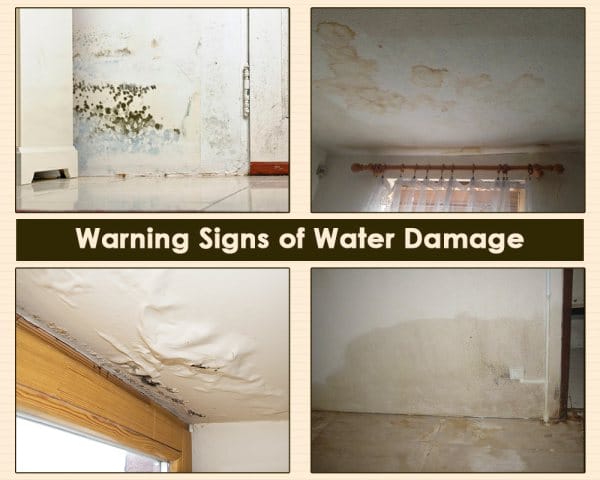
1. Discolored Water Rings on Ceilings and Upper Walls: Yellowish, brown, or copper-tinted stains spreading across ceilings or upper walls are classic indicators of an active roof leak, clogged gutter overflow, or leaking upstairs bathroom supply line. Even if a stain feels dry to the touch, moisture is likely pooling above the ceiling plane.
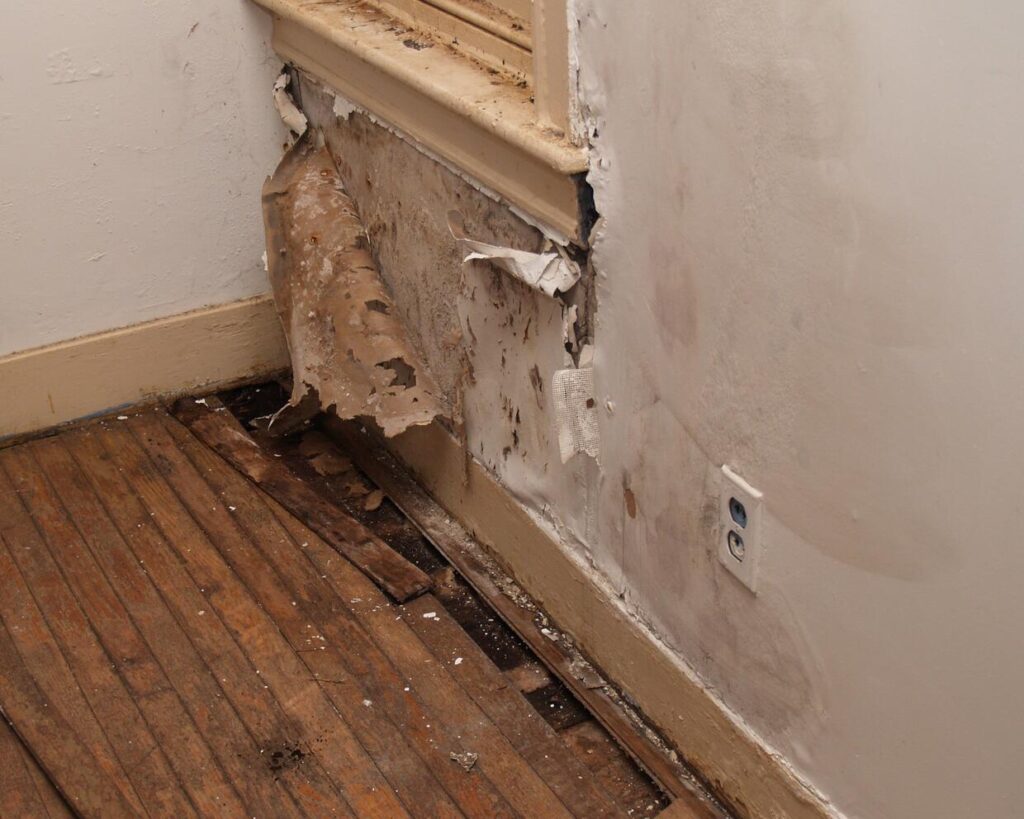
2. Peeling, Bubbling, or Blistering Paint and Wallpaper: When moisture seeps into drywall or historic lathe-and-plaster walls from behind, it breaks the adhesive bond between the paint film and the wall surface. Bubbling paint near windows, baseboards, or shower enclosures signals trapped internal wall moisture.
3. Cupping, Crowning, or Buckling Hardwood Floors: Many Virginia Highland homes feature original heart-pine or oak tongue-and-groove hardwood flooring. When subfloor moisture rises from a damp crawlspace or hidden kitchen leak, wood planks absorb water unevenly, causing the edges to curl upward (cupping) or lift away from the subfloor (buckling).PuroClean of Snellville & Lawrenceville | (770) 810-5499Page 1 of 4
4. Persistent Musty or Earthy Odors: If a room, closet, or basement smells distinctly damp or earthy even after thorough cleaning, hidden fungal growth is almost certainly active. Microbial volatile organic compounds (mVOCs) released by growing mold colonies often provide the first clue to leaks trapped behind cabinetry or under carpets.
5. Warped, Swollen, or Separating Baseboards and Trim: Wooden baseboards act like wicks when water pools along floor perimeters. If baseboards appear swollen, soft, discolored, or separated from the wall surface, water has likely migrated across the subfloor beneath your flooring.
6. Efflorescence and Damp Spots on Basement Masonry: A chalky, white crystalline powder appearing on brick or concrete basement walls is known as efflorescence. It forms when groundwater under hydrostatic pressure migrates through masonry pores and evaporates, leaving mineral salts behind and signaling exterior drainage issues.
7. Unexplained Spikes in Your Monthly Water Bill: A sudden, unexplained increase in your City of Atlanta water utility bill without a change in household water usage points directly to a hidden pressurized leak inside a wall cavity, beneath a slab, or along an underground service line.
8. Sagging Drywall or Soft, Spongy Subfloors: Saturated gypsum drywall loses its structural rigidity and begins to bow or sag under the weight of trapped water. Similarly, plywood subflooring around toilets, tubs, and kitchen sinks that feels spongy underfoot indicates prolonged moisture saturation and wood decay.
9. Visible Mold Spots Along Corners, Closets, or Vents: Small black, green, or grey speckled patches appearing on drywall corners, behind furniture against exterior walls, or around HVAC registers indicate elevated indoor humidity and localized condensation or leak activity.
10. Rust Stains Around Water Heaters and Plumbing Valves: Corrosion, mineral buildup, or dampness around the base of your water heater tank, under sink shut-off valves, or near washing machine hoses serves as an early warning of impending appliance or pipe failure.
Virginia Highland Water Damage Diagnostic & Action Matrix
Use this quick reference guide to match visible symptoms in your home with the likely hidden source and required mitigation step:
| Visible Symptom | Likely Hidden Source | Structural & Health Risk | Recommended Action |
|---|---|---|---|
| Ceiling water rings & bubbling paint | Roof flashing failure, clogged gutter backup, or upstairs pipe leak | Ceiling collapse risk & attic insulation saturation | Inspect roof/plumbing; schedule infrared thermal moisture scan immediately. |
| Cupping hardwood or buckling laminate | Crawlspace humidity, dishwasher leak, or refrigerator ice maker line | Permanent floor warping & subfloor rot | Shut off appliance water; deploy floor drying mats & LGR dehumidifiers. |
PuroClean of Snellville & Lawrenceville | (770) 810-5499Page 2 of 4
| Visible Symptom | Likely Hidden Source | Structural & Health Risk | Recommended Action |
|---|---|---|---|
| Chalky white powder on basement walls | Hydrostatic pressure & negative exterior grading after heavy rain | Masonry deterioration & chronic basement dampness | Extend downspouts; extract seepage & establish commercial dehumidification. |
| Musty odor & swollen bathroom baseboards | Failed shower pan liner, wax ring leak, or in-wall valve drip | Black mold growth within 24 to 48 hours & stud rot | Stop using fixture; call PuroClean for moisture mapping & containment. |
Why Historic Virginia Highland Homes Require Specialized Drying
Drying water damage in an older Virginia Highland property requires far more precision than simply setting up hardware-store fans. Early 20th-century homes frequently feature dense old-growth timber framing, plaster walls over wood lath, and layered subflooring assemblies that trap moisture deeply.
PuroClean of Snellville & Lawrenceville utilizes non-invasive FLIR infrared thermal imaging cameras and pinless digital moisture meters to map exact moisture boundaries behind plaster and beneath hardwood planks without unnecessary demolition. Our IICRC certified technicians deploy targeted floor-drying mat systems, commercial Low Grain Refrigerant (LGR) dehumidifiers, and hospital-grade EPA-registered antimicrobial treatments to restore dry standards safely while preserving historic architectural details.
Navigating Homeowners Insurance Claims in Georgia
Most standard homeowners insurance policies in Georgia cover sudden and accidental water damage, such as a burst supply pipe, overflowing appliance, or storm-damaged roof. However, insurance carriers often scrutinize slow leaks to determine whether damage resulted from hidden plumbing failure or long-term maintenance neglect.
Contacting PuroClean at the first sign of moisture provides critical documentation for your claim. We record initial thermal images, daily atmospheric and material moisture readings, and itemized Xactimate estimates, coordinating directly with your insurance adjuster to keep your claim transparent and moving forward.
Frequently Asked Questions (FAQ)
Q: How fast does mold grow after a hidden leak in Atlanta’s climate?
In Georgia’s warm and humid climate, dormant mold spores can germinate and begin colonizing damp drywall paper, wood framing, and carpet padding within 24 to 48 hours of water exposure.PuroClean of Snellville & Lawrenceville | (770) 810-5499Page 3 of 4
Q: Can PuroClean locate a leak behind plaster walls without tearing them down?
Yes. Using advanced infrared thermal imaging cameras and non-invasive moisture meters, our technicians trace temperature differentials and moisture pockets behind lathe-and-plaster walls with minimal disruption.
Q: What should I do if I notice warped hardwood floors or a musty smell?
Avoid covering damp floors with rugs or running household heaters, which can accelerate wood cupping and mold growth. Call our 24/7 hotline at (770) 810-5499 for a professional moisture assessment.
Q: Does PuroClean work directly with my homeowners insurance company?
Yes. We work with all major homeowners insurance carriers, providing complete photo documentation, moisture logs, and direct insurance billing to simplify the recovery process.
Notice Signs of Water Damage in Your Virginia Highland Home?

Do not wait for hidden moisture to warp original hardwood floors, ruin plaster walls, or trigger toxic mold growth. Contact the IICRC certified water mitigation and structural drying experts at PuroClean of Snellville & Lawrenceville right now for 24/7 emergency response.
24/7 Emergency Hotline: (770) 810-5499
Serving Virginia Highland, Atlanta, Snellville, Lawrenceville & Surrounding Metro Communities
Thermal Moisture Detection • Rapid Water Extraction • Structural Drying • Direct Insurance Billing