

As a real estate agent operating in competitive markets like Snellville, Lawrenceville, Grayson, and greater Gwinnett County, you know that home buyer first impressions are formed within the first five seconds of stepping through the front door.
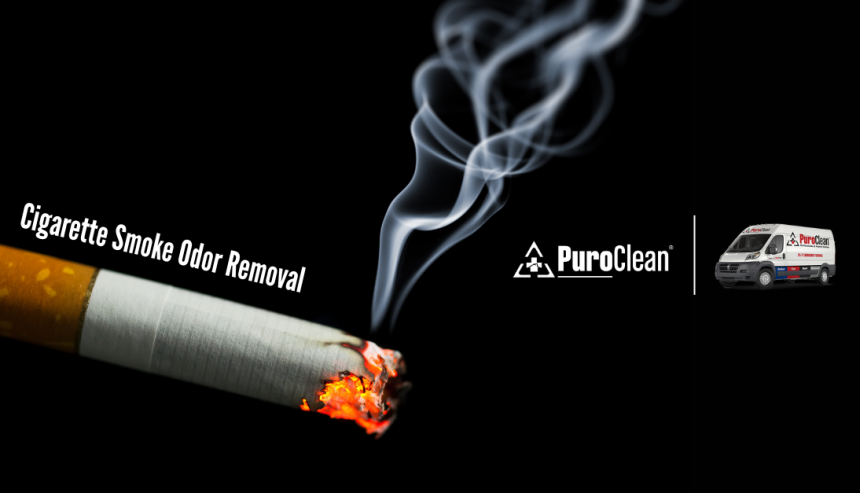
While curb appeal, kitchen upgrades, and modern staging attract prospective buyers, a strong lingering odor of cigarette smoke can destroy a potential sale instantly. Buyers frequently turn around and walk right back out.
Studies across the real estate industry indicate that persistent tobacco smoke odor can diminish a residential property resale value by anywhere from 10 percent to 30 percent. On a typical $400,000 home in Lawrenceville, that value penalty represents a staggering loss of $40,000 to $120,000 in equity. Furthermore, homes tainted by smoke residue sit on the market significantly longer, generating lowball investor offers and extended holding costs for sellers.
At PuroClean of Lawrenceville, we work closely with top-producing Realtors, property managers, and real estate brokers across North Atlanta. Understanding the science of tobacco odor removal empowers you to advise your listing clients effectively, protect property equity, and guide transactions across the closing finish line.
Understanding Thirdhand Smoke: Why Tobacco Odor Is So Stubborn
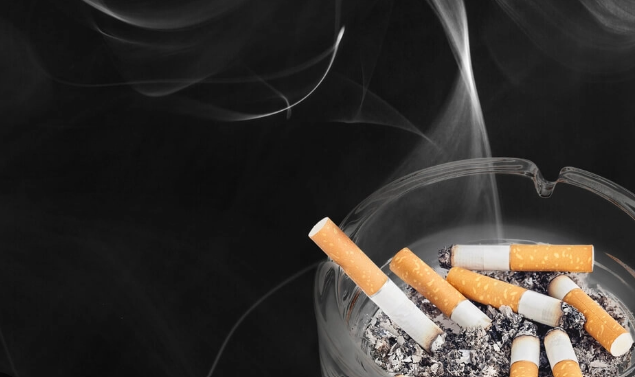
To eliminate cigarette smoke odor permanently, one must first understand what makes it so persistent. Tobacco smoke does not simply float through the air and dissipate. Instead, burning tobacco releases over 4,000 chemical compounds, including nicotine, heavy metals, formaldehyde, and sticky oily resins. This airborne mixture settles onto every surface in the building, giving rise to what environmental scientists term thirdhand smoke.
Thirdhand smoke forms a microscopic, yellowish-brown film that coats walls, ceiling drywall, glass, light fixtures, HVAC ductwork, window treatments, and carpet padding. Because nicotine and tar resins are highly corrosive and oily, they penetrate deeply into porous building materials like wood framing, plaster, sheetrock, and concrete subfloors.
When humidity levels fluctuate during warm Georgia summers, trapped chemical compounds off-gas continuously into indoor ambient air. This explains why masking agents, scented candles, plug-in air fresheners, and simple cosmetic repainting consistently fail to eliminate tobacco odors permanently.
Tip 1: Recognize Why Surface Masking and DIY Hacks Fail
When listing a home with a history of indoor smoking, sellers often attempt budget-friendly quick fixes. As a Realtor, educating your client on why these DIY methods fail saves valuable time and prevents buyer disappointment during open houses.
| Treatment Method | Common Seller Approach | Why It Fails / Professional Reality |
| Air Fresheners & Scented Candles | Spraying aerosol sprays or burning candles before showings. | Only temporarily masks volatile molecules; odor returns as soon as fragrance wears off. |
| Standard Latex Paint Application | Painting directly over tobacco-stained walls without specialized sealing primers. | Nicotine resins bleed straight through standard latex paint, causing yellow bleed-through and off-gassing. |
| Opening Windows & Using Fans | Airing out rooms for several days using box fans. | Fails to address oily tar deposits bound deep within wallboard, carpets, subfloors, and HVAC ducts. |
Buying clients who notice heavy artificial fragrances during a showing immediately suspect underlying environmental hazards, whether pet urine, hidden mold, or heavy tobacco contamination. Eliminating odor requires neutral bio-chemical destruction, not artificial masking.
Tip 2: Comprehensive Soft Surface Removal and Carpet Management
Soft textile materials act like large sponges for airborne tobacco resins. In heavy smoking environments, attempting to save old carpets, foam underlayment, or cloth window draperies is rarely cost-effective.
- Remove and Discard Old Carpet Padding: While carpet fibers can sometimes be hot-water extracted, the underlying polyurethane foam pad retains immense quantities of tar and nicotine. In most heavy smoke listings in Snellville or Lawrenceville, replacing carpet and pad is the single most impactful soft-surface improvement.
- Treat Subfloors Prior to New Flooring Installation: Before laying down new carpet, luxury vinyl plank (LVP), or hardwood flooring, technicians must thoroughly clean and seal raw plywood or concrete subfloors with specialized odor-encapsulating sealers.
- Clean or Replace Soft Window Coverings: Fabric blinds, drapes, and fabric shades absorb high levels of nicotine. Replacing these elements instantly improves room brightness and eliminates major odor reservoirs.
Tip 3: Deep Chemical Decontamination of Hard Surfaces
Hard structural surfaces require thorough chemical washing using specialized heavy-duty degreasers formulated to break down petroleum-based tar and nicotine residues.
Professional restoration teams utilize dry sponges and specialized alkaline washing solutions to strip yellow nicotine film from drywalls, doors, window frames, baseboards, crown molding, kitchen cabinetry, and bathroom tiles. Every inch of exposed wall surface, including cabinet interiors and closet shelving, must be meticulously washed. Skipping a single wall section leaves enough volatile residue to re-contaminate the ambient indoor air.
Tip 4: Clean, Sanitize, and Seal the HVAC System
The central heating and cooling system acts as the respiratory network of a home. Whenever the air conditioner or furnace runs in a smoker residence, it draws tobacco smoke into return vents, coating duct liners, evaporator coils, and blower fan blades with sticky tar residue.
- Professional HVAC Duct Cleaning: Certified duct cleaning specialists use high-powered negative-pressure vacuum systems paired with rotary mechanical brushes to strip tar deposits from metal supply and return ducts.
- Evaporator Coil & Blower Wheel Sanitization: Air conditioning evaporator coils must be chemically washed with specialized coil cleaners to remove heavy tar accumulation that restricts airflow and breeds stale odors.
- High-Efficiency Filter Upgrades: Replace standard fiberglass air filters with MERV-rated media filters or HEPA filtration units to capture ultrafine particulate matter during the odor restoration phase.
Tip 5: Deploy Advanced Molecular Gas-Phase Odor Technology
Once physical surfaces are washed and soft materials removed, residual smoke molecules remain trapped within sub-surface pores. Overcoming this requires advanced gas-phase oxidation technology, equipment available through professional restoration contractors like PuroClean of Lawrenceville.
Thermal Fogging Technology
Thermal fogging replicates the particle size of actual combustion smoke. Technicians heat specialized petroleum or water-based odor counteractants into a fine microscopic fog. This thermal fog penetrates walls, subfloors, and structural cavities along the exact pathways that cigarette smoke originally traveled, pairing with odor molecules to neutralize them on a molecular level.
Hydroxyl Generators
Hydroxyl generators represent cutting-edge green restoration technology. By mimicking natural atmospheric ultraviolet processes, hydroxyl units produce naturally occurring hydroxyl radicals. These radical molecules safely dismantle organic compound structures, VOCs, and smoke odor molecules while being safe for sensitive electronics and materials.
Controlled Ozone Gas Treatments
Ozone gas generators convert oxygen into pure ozone, a powerful oxidizing gas that destroys smoke odors inside porous building materials. Because high-concentration ozone treatment requires temporary property evacuation for occupants and pets, professional restoration technicians manage ozone protocols under strict containment and safety monitoring guidelines.
Tip 6: Apply Specialized Odor-Encapsulating Sealers Before Painting
After washing walls and running molecular gas-phase equipment, the final crucial step before applying decorative wall paint is applying a specialized shellac-based or solvent-based stain-and-odor-blocking primer.
Standard wall primers are insufficient for tobacco restoration. Realtors should advise sellers to utilize professional grade products such as Zinsser BIN Shellac-Based Primer or KILZ Original Solvent-Based Primer. These specialized coatings create an impermeable physical barrier that locks remaining microscopic tars inside the drywall, preventing future bleeding, staining, or off-gassing even during humid Gwinnett County summer months.
How Smoke Odor Remediation Maximizes Listing Value for Realtors
Partnering with a professional restoration firm like PuroClean of Lawrenceville gives real estate agents a significant competitive advantage when securing and marketing tough listings in Snellville and Lawrenceville:
- Higher Asking Price and Preserved Equity: A fully remediated, fresh-smelling home commands top market pricing, preserving tens of thousands of dollars in seller equity.
- Reduced Days on Market (DOM): Properties free of off-putting odors attract serious buyers quickly, reducing market staging days and mortgage carrying costs.
- Smooth Buyer Inspections & Valuations: Eliminating visible yellow nicotine stains and thirdhand smoke hazards prevents buyer repair demands, appraisal hurdles, and contract cancellations during due diligence.
- Expanded Buyer Pool: A clean, smoke-free environment makes the property attractive to families with young children, buyers with asthma or allergies, and buyers using FHA or VA loan programs.
Why Partner with PuroClean of Lawrenceville for Listing Restoration
PuroClean of Lawrenceville is a trusted partner for real estate professionals across Gwinnett County. Our certified restoration specialists bring state-of-the-art equipment, proven bio-chemical solutions, and compassionate service to every real estate project:
- Rapid Turnaround Times: We understand real estate deadlines and work efficiently to complete smoke odor remediation quickly so you can bring the property to market without delay.
- Certified Restoration Technicians: Our specialists are trained in IICRC odor control standards, ensuring safe, effective, and permanent odor removal.
- Comprehensive Multi-Stage Process: We do not rely on single-step solutions; our comprehensive strategy includes surface washing, soft material extraction, HVAC cleaning, molecular fogging, and structural sealing.
- Clear Written Documentation: We provide detailed remediation records and completion documentation that you can share with prospective buyers and lenders to prove professional treatment.
Frequently Asked Questions (FAQ)
Q: How long does professional cigarette smoke odor removal take?
Depending on home square footage and smoking severity, a complete multi-stage smoke remediation project typically takes 3 to 5 business days. This timeframe allows for surface washing, soft floor removal, HVAC sanitization, and 24 to 48 hours of gas-phase hydroxyl or ozone treatment.
Q: Can cigarette smoke odor be permanently removed from a home?
Yes. When a multi-step professional process is executed correctly, including deep chemical washing, HVAC decontamination, molecular gas-phase treatment, and shellac-based sealing primers, thirdhand smoke odor can be completely and permanently eliminated.
Q: Will standard latex wall paint cover cigarette smoke smell?
No. Standard latex paint is water-based and porous. Nicotine resins and tar will dissolve into fresh latex paint, causing yellow oil stains to bleed through within weeks and allowing smoke odor to continue off-gassing into the home.
Q: How much does professional smoke odor removal cost for a residential listing?
Costs vary based on home size, layout, and extent of smoke contamination. However, professional remediation costs are significantly lower than the 10 to 30 percent property price reduction sellers typically face when listing a smoke-tainted home.
Q: How quickly can PuroClean of Lawrenceville evaluate a listing in Snellville or Lawrenceville?
PuroClean of Lawrenceville offers prompt property inspections for real estate professionals. We can evaluate your listing, assess smoke contamination levels, and provide a clear remediation plan within 24 to 48 hours.
| Have a Smoke-Impacted Listing in Snellville or Lawrenceville? Do not let tobacco odors compromise your listing price or extend days on market. Partner with Gwinnett County premier property restoration experts. PuroClean of Lawrenceville delivers fast, effective, and permanent cigarette smoke odor removal to help you close deals faster. Call PuroClean of Lawrenceville Today at (770) 810-5499 Visit: 478 Northdale Rd., Suite 201, Lawrenceville, GA 30046 Professional Smoke, Fire, Mold, and Biohazard Remediation Services |