


Living in Lawrenceville, Georgia means enjoying beautiful southern landscapes, vibrant community events, and a rich quality of life across Gwinnett County.
However, the regional climate presents distinct indoor environmental challenges for homeowners. Georgia summers are notoriously long, hot, and humid, while spring and autumn bring heavy pollen counts that affect indoor air quality.
When property owners notice musty smells, persistent dust, or seasonal allergy symptoms indoors, they often wonder whether an air purifier or a dehumidifier is the right investment. While both appliances contribute significantly to a healthier living space, they perform completely different functions.
Understanding how each device works, recognizing the specific problems they solve, and evaluating Lawrenceville’s local environment will help you make an informed decision for your home.
Understanding Lawrenceville’s Local Climate and Indoor Environmental Challenges
To choose the right appliance, it is helpful to look at the specific environmental factors at play in Lawrenceville and the broader North Georgia region.
Subtropical Humidity: Gwinnett County experiences a humid subtropical climate. During the warmer months, relative humidity outdoors routinely exceeds seventy to eighty percent. When warm, humid air finds its way indoors through doors, windows, and subtle structural gaps, relative humidity inside the home can easily cross the critical sixty percent threshold.
Pollen and Seasonal Allergens: Lawrenceville’s abundant oak, pine, and sweetgum trees release significant amounts of pollen during the spring and late summer. This fine yellow dust easily clings to clothing, enters through open doors, and gets drawn into HVAC systems, circulating continuously through living areas.
Mold Spore and Dust Mite Proliferation: High indoor moisture combined with warm temperatures creates optimal conditions for mold growth and dust mite activity. In crawlspaces, basements, and poorly ventilated rooms, excess moisture can rapidly lead to secondary damage and airborne spores.
What Is an Air Purifier and How Does It Work?
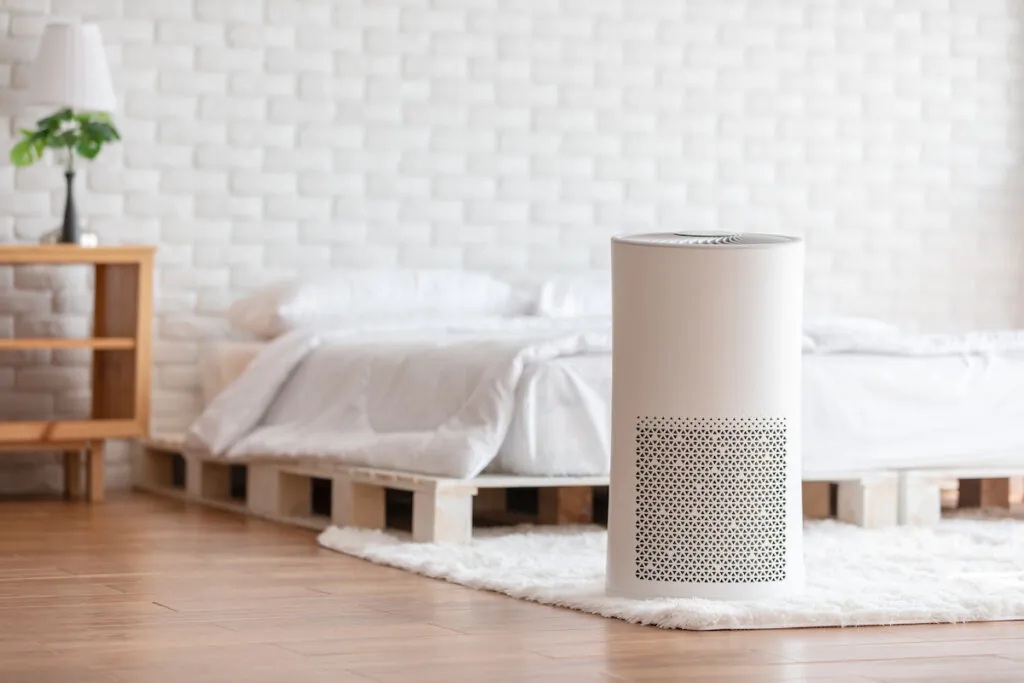
An air purifier is a specialized filtration device engineered to clean the air by removing microscopic airborne particles, allergens, and gaseous pollutants.
How Air Purifiers Clean Your Air:
- Air Circulation: An internal motor and fan pull ambient room air into the unit.
- Pre-Filtration: Larger particles such as visible dust, hair, and lint are caught by a washable pre-filter.
- True HEPA Filtration: The air passes through a High-Efficiency Particulate Air filter, which captures 99.97 percent of microscopic particles down to 0.3 microns, including pollen, mold spores, fine dust, and pet dander.
- Activated Carbon Absorption: Many units include an activated carbon filter designed to trap volatile organic compounds, cooking odors, and smoke gas molecules.
- Sanitized Recirculation: Clean, filtered air is pushed back into the room.
An air purifier is ideal for households focused on reducing dust, eliminating pet dander, or controlling seasonal allergies. However, an air purifier does not reduce moisture levels or lower humidity.
What Is a Dehumidifier and How Does It Work?
A dehumidifier is a moisture extraction appliance designed to maintain balanced indoor relative humidity levels.
How Dehumidifiers Control Moisture:
- Moisture Extraction: Humid indoor air is pulled across cold internal evaporator coils.
- Condensation: Water vapor in the air condenses into liquid water on the cold coils and drains into a collection reservoir or drainage hose.
- Air Reheating: The dried air is passed over warm condenser coils and returned to the living area at a lower relative humidity level.
- Target Humidity Control: Modern units feature humidistats that automatically cycle on and off to keep indoor relative humidity within the ideal thirty to fifty percent range.
A dehumidifier is designed to tackle sticky indoor air, window condensation, damp basements, and musty odors. While it stops mold from growing by eliminating excess moisture, it does not directly filter out dust or airborne particles.
Key Differences: Air Purifiers vs. Dehumidifiers At a Glance
Primary Purpose: Air purifiers remove airborne particles and odors. Dehumidifiers remove excess water vapor from the air.
Humidity Impact: Air purifiers have no impact on humidity. Dehumidifiers actively lower indoor humidity levels.
Allergen Defense: Air purifiers trap floating pollen, pet dander, and dust. Dehumidifiers prevent dust mites and mold colonies from breeding in moist areas.
Odor Removal: Air purifiers absorb chemical smells, smoke, and pet odors. Dehumidifiers eliminate musty, damp smells by removing moisture.
Best Home Locations: Air purifiers belong in bedrooms, living rooms, and home offices. Dehumidifiers belong in basements, crawlspaces, laundry rooms, and damp living spaces.
How to Know Which Device Your Lawrenceville Home Needs
Signs You Need an Air Purifier:
| SIGNS YOU NEED AN AIR PURIFIER Frequent indoor sneezing, coughing, or seasonal allergy symptoms. Visible dust settling on surfaces shortly after cleaning. Household pets that shed hair and dander. Lingering cooking smells or smoke odors indoors. |
Signs You Need a Dehumidifier:
| SIGNS YOU NEED A DEHUMIDIFIER Persistent condensation on window panes and glass doors. A heavy, clammy, or sticky feel to indoor air. Musty, earthy odors in basements, closets, or crawlspaces. Visible spots of mildew or mold in bathrooms, corners, or near vents. |
The Benefits of Using Both Devices Together in Gwinnett County
Because Lawrenceville experiences both high humidity levels in summer and heavy pollen seasons in spring, many local homeowners benefit from using both appliances in tandem.
When used together, a dehumidifier keeps relative humidity within the healthy thirty to fifty percent range, removing the moisture environment that mold and dust mites require. Simultaneously, an air purifier captures floating pollen, dust, and pet dander from the air stream. Together, they create a balanced, clean, and comfortable indoor climate year-round.
What Are the Benefits of a Dehumidifier?
A dehumidifier focuses on controlling moisture, which is critical in humid environments or areas prone to dampness.
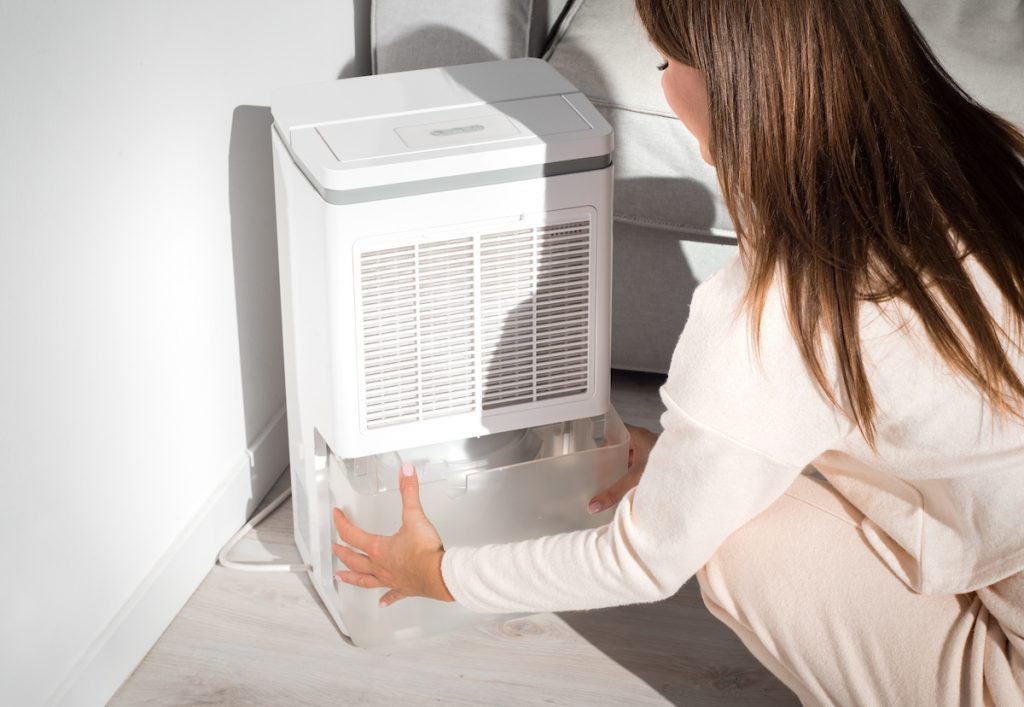
Key benefits of dehumidifiers include:
- Reduced mold growth by lowering humidity
- Decreased dust mite populations
- Elimination of musty odors
- Protection of wood furniture, flooring, and instruments
- Improved comfort, as humid air feels warmer
- Support for healthier humidity levels indoors
Dehumidifiers prevent mold conditions but do not remove airborne allergens or particles.
Air Purifiers vs. Dehumidifiers: Side-by-Side Comparison
| Feature | Air Purifiers | Dehumidifiers |
|---|---|---|
| Primary function | Remove airborne contaminants | Remove excess moisture |
| Targets | Dust, pollen, smoke, pet dander, VOCs | Humidity, condensation, musty odors |
| Mold control | Reduces airborne spores | Prevents ideal mold growth conditions |
| Odor reduction | Yes (with carbon filters) | Yes (by reducing moisture) |
| Best for | Allergies, asthma, air quality | Damp homes, basements, humid climates |
| Maintenance | Filter replacement or cleaning | Emptying tank or drain setup |
Pros and Cons of Air Purifiers
Pros
- Improve indoor air quality
- Effective for allergy and asthma relief
- Reduce airborne pollutants and smoke
- Quiet operation in most modern models
Cons
- Do not reduce humidity
- Filters require regular replacement
- Less effective against mold sources without moisture control
Pros and Cons of Dehumidifiers
Pros
- Prevent mold growth by controlling humidity
- Reduce musty smells and condensation
- Protect home materials and furnishings
- Improve comfort in humid environments
Cons
- Do not remove airborne particles
- Require regular tank emptying or drainage
- Can generate heat and noise in smaller spaces
Which One Should You Choose?
Choosing between air purifiers vs. dehumidifiers depends on your specific concerns.
Choose an air purifier if:
- Allergies or asthma are your main concern
- You want to remove airborne irritants
- Smoke or pet dander is an issue
Choose a dehumidifier if:
- Your home feels damp or smells musty
- You’re concerned about mold growth
- You live in a humid climate or have a basement
In many homes, especially those with humidity and allergy issues, using both an air purifier and a dehumidifier provides the most complete solution.
PuroClean of Lawrenceville Is Available 24/7 for Your Restoration Needs
Conclusion and Final Recommendations
Deciding between an air purifier and a dehumidifier comes down to identifying the specific issue in your Lawrenceville home. If airborne dust, pet dander, or seasonal pollen is your main concern, an air purifier is the right choice. If dampness, musty odors, or high humidity is the issue, a dehumidifier is essential.
For comprehensive indoor climate control, addressing both moisture and filtration ensures your home remains comfortable and healthy regardless of Georgia’s changing seasons.
| QUICK DECISION GUIDE FOR LAWRENCEVILLE HOMEOWNERS Choose an air purifier for dust, pet dander, and tree pollen. Choose a dehumidifier for sticky air, window condensation, and musty basement odors. Combine both for complete indoor comfort in Gwinnett County. |