 PuroClean of Lawrenceville
Basement flooding is one of the most stressful and costly problems a homeowner can experience—and in Suwanee, GA, it’s far more common than many realize. With our combination of heavy rainstorms, clay-heavy soil, and rapidly growing neighborhoods, water can easily seep into basements, crawl spaces, and foundations if moisture isn’t properly controlled. Whether from a sudden storm, a burst pipe, or hidden groundwater pressure, basement flooding poses serious risks to your home’s structure, indoor air quality, and long-term safety.
Table of Contents
This comprehensive guide breaks down why basement flooding happens in Suwanee, how to prevent it, what homeowners should do immediately during an emergency, and when to call certified professionals for help. If you’re searching for “basement flooding cleanup in Suwanee” or “flood damage restoration near me,” this is the complete resource you need.
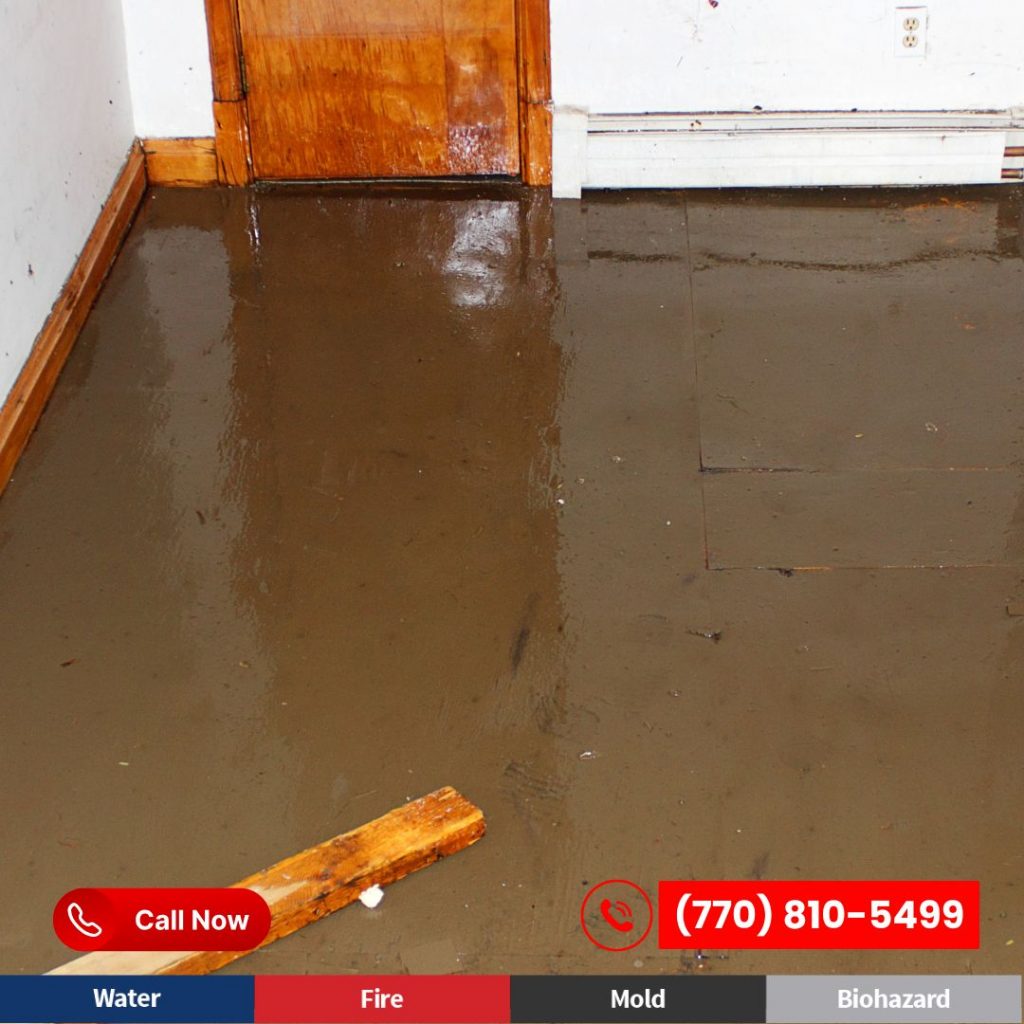
Why Basement Flooding Is So Common in Suwanee
Suwanee’s geography and weather make it especially vulnerable to water intrusion issues. Key factors include:
1. Heavy Rainfall and Storm Patterns
Suwanee experiences frequent downpours, especially in spring and summer. These storms overwhelm gutters, saturate soil, and increase hydrostatic pressure around basement walls.
2. North Georgia Clay Soil
Clay retains moisture, expands when wet, and contracts when dry. This movement puts stress on foundations and pushes water into cracks and joints.
3. Rapid Development
New construction disturbs natural drainage patterns. Water that once flowed freely may now be redirected toward homes.
4. Aging Drainage Systems
Older Suwanee neighborhoods often have outdated or failing exterior drains, sump pumps, or grading that slopes toward the foundation instead of away from it.
5. High Groundwater Levels
Low-lying areas of Suwanee, especially near creek beds or flood-prone zones, experience rising groundwater that can seep up into basements after heavy rain.
Top Causes of Basement Flooding in Suwanee
Basement flooding can occur for multiple reasons, but these are the most common issues affecting homeowners in Suwanee and surrounding areas:
1. Poor Exterior Drainage
Improper downspouts, clogged gutters, and grading issues can push water directly toward the home’s foundation.
2. Failed Sump Pump
Power outages, a faulty pump, or inadequate maintenance can cause water to overflow into the basement.
3. Foundation Cracks
Even hairline cracks can allow water to seep inside during storms when pressure is high.
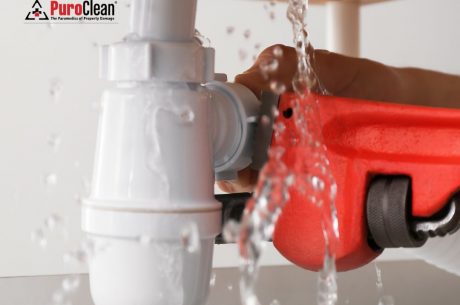
4. Burst or Leaking Pipes
Cold snaps or pipe corrosion can cause sudden water intrusion.
5. Sewer Backups
Heavy rainfall can overwhelm Suwanee sewer systems, forcing contaminated Category 3 water into basements.
6. Window Well Flooding
Improperly sealed or clogged window wells can fill with rainwater and leak into the basement.
7. Malfunctioning Appliances
Water heaters, HVAC units, and washers can fail and cause basement flooding.
Signs Your Suwanee Basement Has Hidden Water Damage
Not all water damage is obvious. Look for:
- Damp odors or moldy smell
- Warped floors or soft drywall
- White chalky residue on foundation walls (efflorescence)
- Rusted metal beams or appliances
- Peeling paint or bubbling walls
- Cold, damp floors
- Visible mold growth
These are strong indicators that moisture is entering the basement even if standing water isn’t present.
What to Do Immediately When Your Basement Floods
Basement flooding is an emergency. Acting fast reduces the spread of damage and prevents mold growth.
1. Protect Yourself First
Floodwater may contain sewage, chemicals, or contaminants.
Avoid entering the basement if electricity is on or if the water is unclear.
2. Shut Off Power (If Safe)
Turn off power to the affected area—only if you can do so safely.
3. Stop the Source of Water
If it’s a burst pipe, shut off the main water supply.
If it’s stormwater, take temporary measures to redirect water away from the home.
4. Call a Professional Restoration Company
This is critical. DIY extraction often leaves behind hidden pockets of moisture that lead to mold and structural damage.
5. Document Damages for Insurance
Take photos and videos before cleanup begins.
6. Remove Valuables
Move items out of the affected area while waiting for the restoration team.
The Hidden Dangers of Basement Flooding
Many homeowners underestimate how destructive basement water can be. Risks include:
1. Mold Growth Within 24–48 Hours
Warm Suwanee temperatures create ideal mold conditions.
2. Structural Damage
Basement flooding weakens load-bearing walls, joists, and flooring.
3. Electrical Hazards
Water and electricity are a dangerous combination.
4. Sewage Contamination
Category 3 water exposure requires professional cleanup and disinfection.
5. Long-Term Foundation Damage
Hydrostatic pressure can widen cracks and destabilize foundations.
6. Air Quality Problems
Mold spores and bacteria spread through the home’s HVAC system.
How to Prevent Basement Flooding in Suwanee
Prevention is more cost-effective than repairs. Here’s what you can do:
1. Install and Maintain a Sump Pump
A high-quality sump pump with backup power is essential.
2. Improve Exterior Grading
Ensure soil slopes away from the foundation.
3. Clean Gutters and Extend Downspouts
Move water at least 6 feet away from your home.
4. Seal Foundation Cracks
Use professional-grade sealants or epoxy injections.
5. Install a French Drain System
Redirect water before it reaches your foundation.
6. Waterproof Basement Walls
Interior or exterior waterproofing adds strong protection.
7. Perform Routine Plumbing Checks
Catching leaks early prevents major water damage.
8. Protect Window Wells
Install covers and ensure proper drainage.
Professional Basement Flood Cleanup & Restoration in Suwanee
When your basement floods, you need fast, certified, and reliable help. Professional restoration teams follow strict protocols to:
1. Extract Water Quickly
High-powered pumps remove water faster than DIY methods.
2. Dry and Dehumidify the Basement
Industrial dehumidifiers and air movers reach hidden moisture.
3. Sanitize and Disinfect
Prevents mold, bacteria, and odor problems.
4. Repair and Restore Damaged Materials
Drywall, insulation, flooring, and structural components are repaired or replaced.
5. Provide Documentation for Insurance
Accurate moisture reports and photos help speed up claims.
Why Choose PuroClean for Basement Flooding in Suwanee?
PuroClean is known as the “Paramedics of Property Damage”—and for good reason. Homeowners in Suwanee and Gwinnett County trust us because we provide:
- Fast 24/7 emergency response
- Certified water damage restoration technicians
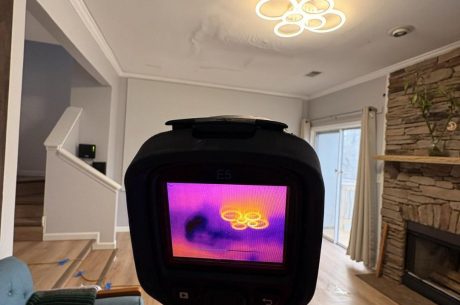
- Advanced drying and moisture-detection equipment
- Full-service cleanup and reconstruction
- Compassionate, transparent service
- Insurance coordination and documentation
We don’t just dry your basement—we restore your peace of mind.
Frequently Asked Questions (FAQs)
1. How fast can mold grow in a flooded basement?
Mold can begin growing within 24–48 hours in moist conditions.2. Does homeowners insurance cover basement flooding?
It depends on the cause. Burst pipes and appliance failures are usually covered; floodwater from storms often requires flood insurance.3. How long does basement flood cleanup take?
Typically 3–7 days depending on water levels, materials, and damage severity.4. Can I use a shop vac to clean up standing water?
Not recommended. DIY cleanup doesn’t reach hidden moisture, leading to mold and structural damage.5. How can I tell if my sump pump is failing?
Signs include strange noises, frequent cycling, vibration, or failure to turn on during rain.6. Do French drains help prevent basement flooding?
Yes—when properly installed, French drains redirect groundwater away from the foundation.7. Should I replace carpet after a basement flood?
In most cases, yes, especially if water was contaminated.8. What should I do after a sewer backup in the basement?
Avoid contact and call professional biohazard-certified cleanup technicians immediately.9. Can basement flooding damage my foundation?
Yes. Hydrostatic pressure and repeated water exposure can cause cracks and structural instability.10. Who should I call for emergency basement flooding in Suwanee?
PuroClean of Lawrenceville provides fast, 24/7 emergency basement flood cleanup for Suwanee and all of Gwinnett County.Final Thoughts
Basement flooding can happen suddenly, but with the right knowledge, preparation, and restoration partner, you can protect your home and minimize long-term damage. Suwanee homeowners face unique water challenges, from heavy rainfall to clay soil and aging drainage systems—making proactive maintenance and rapid response crucial.
If you’re dealing with a flooded basement in Suwanee or want to prevent it from happening again, PuroClean of Lawrenceville is here to help 24/7 with certified water damage restoration and full reconstruction services.

 PuroClean of Lawrenceville