Property management and homeownership in Snellville come with many rewards, but they can also bring unexpected crises.
Among the most challenging situations a homeowner or landlord can face is encountering biohazard contamination. Whether resulting from a traumatic accident, an unattended death, severe sewage backup, or a complex hoarding environment, biohazard incidents carry significant health risks and emotional weight.
Biohazard cleanup is fundamentally different from routine janitorial or residential cleaning. Biohazard materials contain dangerous biological agents, bloodborne pathogens, and hazardous chemical compounds that can cause severe illness or death if improperly handled. Furthermore, local, state, and federal laws strictly regulate the handling, containment, transport, and disposal of medical and biological waste.
PuroClean of Snellville & Lawrenceville provides compassionate, discrete, and professional biohazard remediation services. This comprehensive guide outlines what property owners, rental managers, and landlords in Snellville and greater Gwinnett County need to know to maintain safety, comply with Georgia laws, and protect property values.
What Defines a Biohazard Situation?
In the context of residential and commercial property restoration, biohazardous materials refer to organic substances containing biological agents that pose threats to human health. Identifying these hazards early ensures proper precautions are implemented.
Common categories of biohazard incidents encountered across Snellville homes and rental properties include:
- Blood and Bodily Fluids: Originating from medical emergencies, violent crimes, traumatic injuries, or unattended deaths. Blood can harbor viruses and bacteria for days or weeks outside the body.
- Unattended Death and Decomposition: When a loss of life goes undiscovered for several days, biological decomposition releases corrosive fluids, noxious gases, and volatile organic compounds that penetrate structural materials.
- Sewage Backups and Black Water (Category 3): Raw sewage overflows from broken sewer lines or septic systems contain hazardous parasites, E. coli, Salmonella, and human waste products.
- Severe Hoarding Environments: Extremely cluttered properties frequently involve accumulated animal waste, rotting food, pest infestations, mold, and concealed biological waste.
- Animal Infestations and Guano: Large accumulations of rodent droppings, bat guano, or bird waste carry dangerous airborne spores that can cause Histoplasmosis and Hantavirus.
Common Biohazard Categories and Associated Health Risks
Understanding the specific biological threats present in various scenarios highlights why professional remediation is necessary.
| Biohazard Category | Primary Contaminants | Health Risks & Exposure Hazards |
| Bloodborne Pathogens | Hepatitis B (HBV), Hepatitis C (HCV), Human Immunodeficiency Virus (HIV). | Severe liver damage, immune system compromise, chronic illness. Hepatitis viruses can survive on dry surfaces for over a week. |
| Decomposition Byproducts | Cadaverine, Putrescine, volatile organic chemicals, tissue fluids. | Nausea, severe airway irritation, psychological distress, persistent odor absorption into porous drywall and subfloors. |
| Category 3 Sewage | E. coli, Norovirus, Salmonella, Shigella, parasitic roundworms. | Gastrointestinal illness, severe organ infection, skin infections, dangerous airborne bacterial exposure. |
| Rodent & Bat Guano | Histoplasma capsulatum fungi, Hantavirus, leptospirosis bacteria. | Chronic pulmonary infections, Histoplasmosis, severe respiratory distress, flu-like hemorrhaging. |
Legal Responsibilities and Regulations for Landlords & Property Owners
For landlords and property management companies operating in Snellville, handling biohazards carries major legal, contractual, and regulatory duties. Failing to properly remediate biological hazards can lead to severe civil liability, tenant lawsuits, and regulatory fines.
1. Implied Warranty of Habitability
Under Georgia landlord-tenant law, property owners are required to maintain residential rentals in a safe, healthy, and habitable condition. Allowing a tenant to occupy a unit containing residual blood, sewage contamination, or biological decomposition products violates habitability standards and can result in legal action.
2. OSHA Bloodborne Pathogens Standard (29 CFR 1910.1030)
The Occupational Safety and Health Administration (OSHA) enforces strict protocols regarding employee exposure to blood and biological fluids. Landlords cannot force maintenance personnel or untrained janitorial staff to clean up blood or trauma scenes without proper Personal Protective Equipment (PPE), specialized training, vaccination coverage, and medical waste disposal protocols.
3. Proper Biohazardous Waste Disposal Regulations
Biological waste cannot be placed in municipal trash bins or residential dumpsters in Snellville. Georgia Environmental Protection Division (EPD) regulations require biohazardous waste to be sealed in regulated biohazard bags, placed in puncture-proof containers, and transported by licensed biowaste haulers to certified incineration facilities.
The Dangers of DIY Biohazard Cleanup
Faced with the cost or shock of a biohazard situation, some property owners attempt to perform the cleanup themselves or assign it to untreated cleaning crews. DIY biohazard cleaning is dangerous and ineffective for several reasons:
- Inadequate Personal Protection: Standard gloves and cloth dust masks offer zero protection against bloodborne viruses, aerosolized pathogens, or corrosive decomposition gases. Technicians require full-body personal protective suits, boots, nitrile gloves, and full-face respirators.
- Cross-Contamination Risks: Wiping down contaminated areas with household mops or sponges spreads microscopic pathogens into clean hallways, doors, and common areas, multiplying the hazard zone.
- Failure to Address Hidden Penetration: Blood and decomposition fluids quickly pool beneath carpeting, seep into hardwood floor joints, and soak through subflooring into joists. Surface cleaning leaves hidden contamination underneath, leading to structural rot and lingering odors.
- Ineffective Household Cleaners: Standard store-bought bleach and disinfectant sprays do not neutralize high concentrations of organic matter and fail to destroy resilient pathogen spores.
The Professional Biohazard Remediation Process
PuroClean of Snellville & Lawrenceville follows strict protocol guidelines established by OSHA, the EPA, and the Institute of Inspection, Cleaning and Restoration Certification (IICRC) to restore contaminated properties safely.
1. Rapid Assessment and Hazard Containment
Upon arriving in discrete vehicles to protect your privacy, our certified restoration team conducts a detailed assessment and establishes physical containment barriers using plastic sheeting and negative air pressure units to keep contaminants from spreading.
2. Personal Protection and Safety Rigor
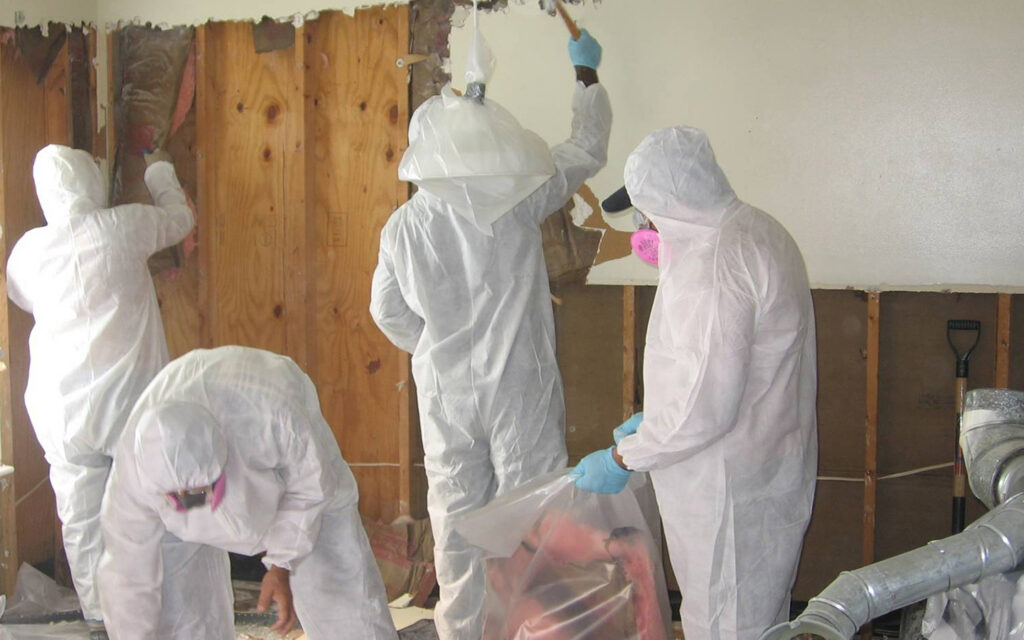
Technicians suit up in OSHA-compliant Personal Protective Equipment (PPE), including HEPA-filtered respirators, Tyvek chemical suits, and specialized multi-layer gloves before stepping into affected zones.
3. Removal of Unsalvageable Materials
Porous structural items contaminated by biological fluids—such as carpet, padding, drywall, subflooring, and ceiling materials—are carefully removed, placed into biohazard waste bags, and logged for regulated disposal.
4. Deep Cleaning and Enzymatic Decontamination
Surfaces are scrubbed using hospital-grade EPA-registered disinfectants and specialized enzymatic cleaners designed to hydrolyze organic proteins, bacteria, and blood residues on a molecular level.
5. Molecular Odor Elimination
To ensure complete odor destruction, we deploy hydroxyl generators and ozone treatments. These advance techniques neutralize lingering gaseous molecules rather than simply covering them with air fresheners.
6. Documented Verification and Certificate of Clearance
After remediation is complete, we perform clearance testing to ensure the space is fully disinfected and safe for re-occupancy, providing property owners and landlords with official documentation.
Navigating Insurance Claims for Biohazard Restoration
Many homeowners and landlords are relieved to learn that standard property insurance policies frequently cover biohazard cleanup. Property damage resulting from crime scenes, unattended deaths, or accidental trauma is often covered under dwelling and liability provisions.
PuroClean works directly with insurance adjusters across Gwinnett County. We provide detailed photo documentation, itemized scopes of work, and direct insurance billing to minimize out-of-pocket expenses and reduce stress for property owners during difficult times.
Frequently Asked Questions (FAQ)
Q: Does homeowner or landlord insurance cover the cost of biohazard cleanup?
In many cases, yes. Most property insurance policies cover biohazard remediation caused by crime scenes, suicides, unattended deaths, or major sewage backups. PuroClean helps file claims and works directly with adjusters.
Q: Why can’t my regular janitorial crew clean up blood or trauma scenes?
Standard janitorial workers lack required OSHA Bloodborne Pathogen training, specialized PPE, HEPA filtration equipment, and legal permits to dispose of regulated medical waste. Exposure creates serious legal and health liabilities.
Q: How long does the biohazard remediation process take?
The duration depends on the scope of contamination. Small localized spills can be remediated within 24 hours, while complex unattended death scenes or severe hoarding situations may require 3 to 5 days for complete decontamination.
Q: Are your technicians discrete when responding to a biohazard incident?
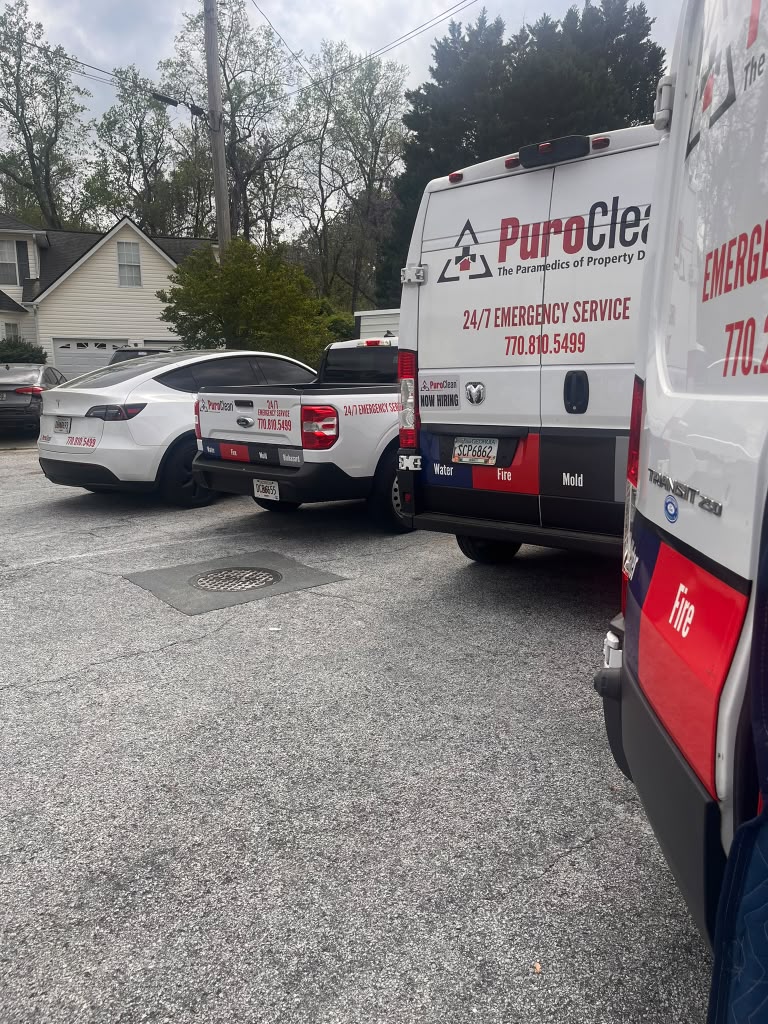
Yes. We understand the sensitive, personal nature of biohazard situations. Our team arrives in unbranded or discrete vehicles, maintains strict confidentiality, and treats your privacy with the utmost respect.
Q: What happens to property items that are contaminated with biohazard waste?
Porous materials like mattresses, upholstered furniture, and carpet that have absorbed biological fluids cannot be disinfected completely and must be safely removed and disposed of as regulated medical waste.
| Compassionate, Professional Biohazard Remediation in Snellville, GA When facing a biohazard emergency, don’t risk your safety, health, or property value. Contact the Paramedics of Property Damage at PuroClean of Snellville & Lawrenceville for immediate, discrete 24/7 biohazard cleanup and decontamination. 24/7 Discrete Biohazard Response Line: (770) 810-5499 Serving Snellville, Lawrenceville, Grayson, Lilburn, Loganville & Surrounding Communities Specializing in Trauma Scene Cleanup, Bloodborne Pathogen Decontamination, Sewage Cleanup & Hoarding Remediation |